 Castro Framing Shop Since 1985: Underglass, No Appointment
Hidden Gems & Odd Finds
Uber Eats SF: Hidden Kitchens and Fee-Saving Tricks
Ghost kitchens run from restaurant back rooms, fee structures that shift by block, and the Tuesday timing that changes everything.
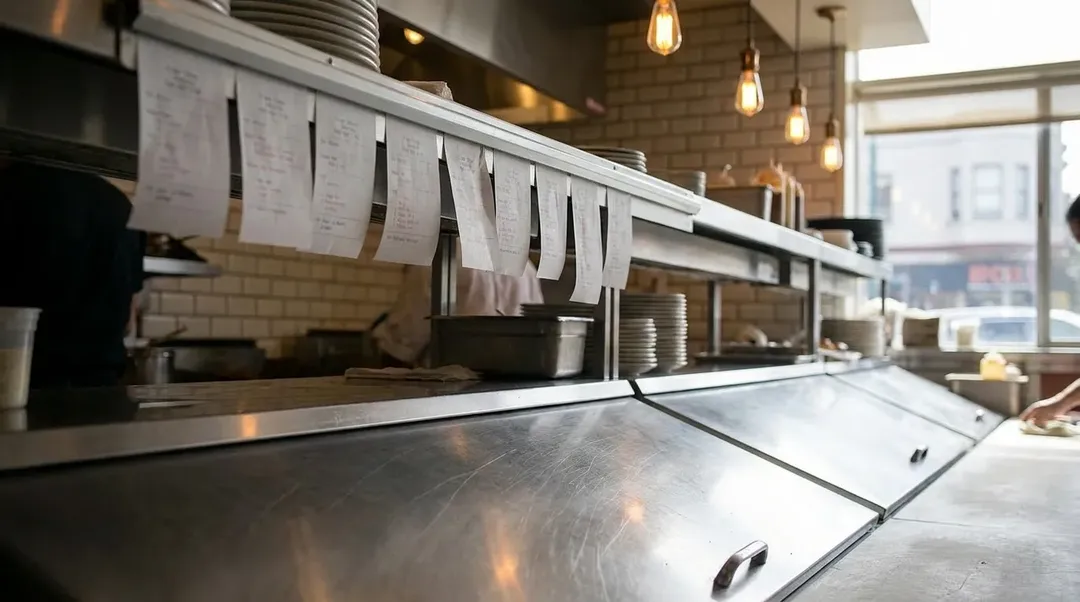
A storefront on Columbus Avenue in North Beach lists four different restaurant names on Uber Eats, all delivering from the same kitchen. The menu photos look distinct—one shows Nashville hot chicken, another focuses on açaí bowls, a third advertises vegan comfort food—but the pickup address is identical, and on a slow Tuesday afternoon, you can watch the same cook plating orders for all four brands. This is the ghost kitchen model that has spread across San Francisco since 2020, and it changes the way delivery fees, wait times, and food quality actually work.
Text Karpo before you order tonight and ask which virtual brands share a kitchen with your favorite restaurant, or which pickup spot saves the most on fees from your current location.
Virtual brands operating from the same address
These virtual brands are not a scam, but they do operate under different economics than the brick-and-mortar restaurant you might picture. A single kitchen can run five concepts with one staff, one lease, and one set of permits. For the diner, this means the $4.99 delivery fee you pay to one brand and the $2.49 fee to another might be funding the same van pulling up to your Nob Hill apartment. Uber Eats groups these by proximity, so if you are ordering from two "different" restaurants in the same real kitchen, you can sometimes combine them into one cart and pay one fee. The app does not always surface this option clearly; you have to notice the addresses match and test whether the system will merge the orders.
North Beach blocks where fees drop after nine
Delivery fees on Uber Eats are not flat across the city. Between 5 p.m. and 8 p.m. on a weeknight, a restaurant on Grant Avenue might carry a $5.99 fee, while the same restaurant after 9 p.m. drops to $1.99. This is demand pricing: the app raises fees when more people are ordering and lowers them when kitchens have capacity and drivers are available. If you are flexible about when you eat, waiting until 9 p.m. or ordering at 4 p.m. before the dinner surge can cut your total cost by a third.
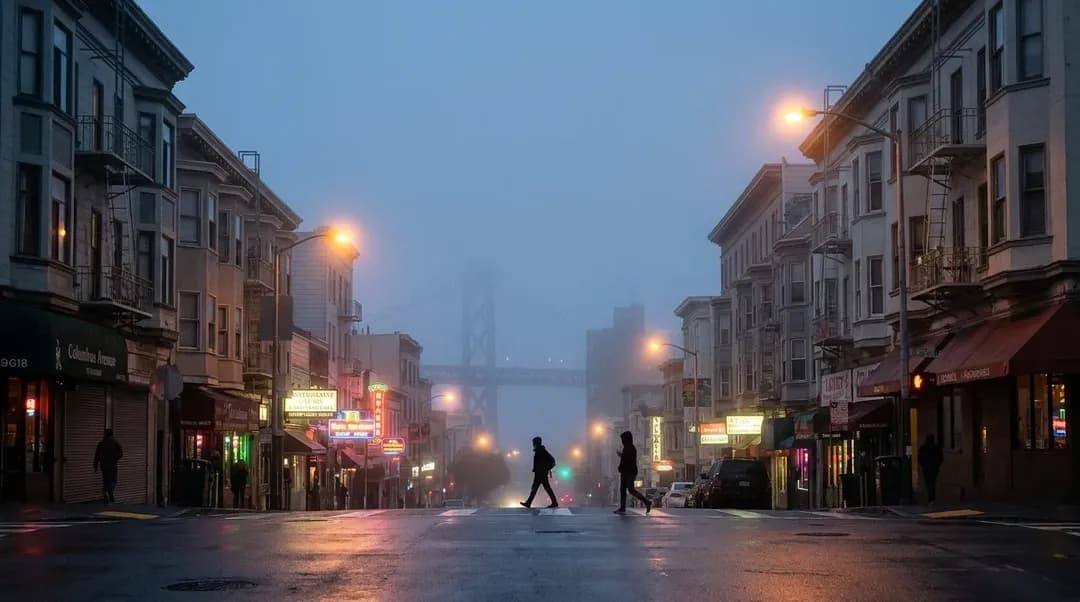
In North Beach specifically, the evening fog rolls in around 7 p.m. most of the year, and drivers know the hills get slick and the narrow streets around Telegraph Hill slow down. The app compensates by raising fees during that window. But by 9:30 p.m., many kitchens are winding down and the demand softens. If you are ordering from a restaurant that closes at 10 p.m. or 11 p.m., placing the order at 9 p.m. often yields both lower fees and faster delivery, because fewer people are competing for the same drivers. Check the restaurant's closing time on its own website or Google listing before you assume the Uber Eats hours are current—several North Beach spots stop taking orders thirty minutes before their posted close, and the app does not always reflect that.
Pickup eliminates fees and surfaces real kitchens
Switching from delivery to pickup removes service fees, delivery fees, and the small-order surcharge that Uber Eats adds to carts under a certain threshold. For a $22 order, this can mean paying $22 instead of $32. The trade-off is the walk or transit ride, but in a neighborhood like North Beach, most restaurants are within a ten-minute walk of each other, and the pickup option also forces the app to show you the actual street address, which reveals which virtual brands are operating from the same kitchen.
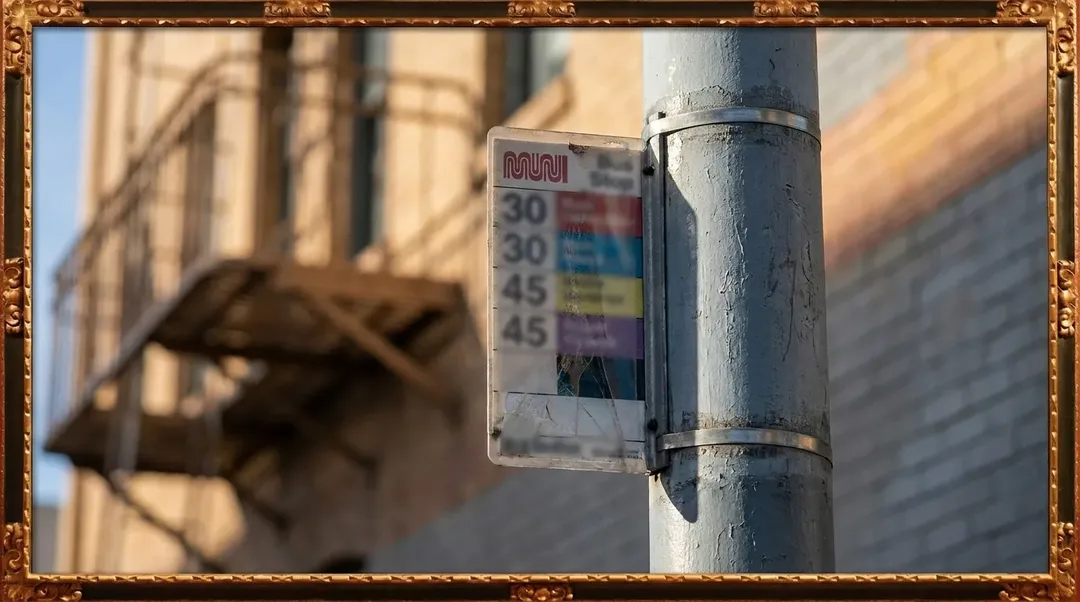
If you are near a Muni line, the 30 Stockton or the 8 Bayshore can get you to most North Beach pickup spots in under twenty minutes from downtown or the Mission. The 30 runs frequently until midnight on weekdays, though the wind coming off the bay makes the Columbus Avenue stops feel colder than the temperature suggests—bring a layer even in September. Pickup also gives you a chance to see whether the restaurant you are ordering from is a full dining room or a shared commissary kitchen. There is nothing wrong with commissary kitchens, but knowing what you are dealing with helps you set expectations for consistency and for how the food will hold up on the walk home.
Some restaurants offer a small discount for pickup orders placed directly through their own website instead of through Uber Eats, though they may still use Uber Eats' kitchen tablet to manage the order. It is worth checking the restaurant's Instagram or homepage to see if they mention a direct-order discount. Many North Beach spots do not advertise this loudly, but if you call and ask, they will tell you.
Eats Pass math only works if you order three times a week
Uber Eats offers a subscription called Eats Pass that eliminates delivery fees on orders over a minimum amount, usually $15 or $20 depending on the restaurant. The pass costs $9.99 per month, and the breakeven point is roughly two to three delivery orders per week, assuming each would have carried a $3 to $5 fee. If you order once a week, you are paying more for the pass than you save. If you order five times a week, the pass pays for itself by the second week of the month.
The pass does not eliminate service fees, which are a separate line item, and it does not eliminate surge pricing during high-demand windows. On a Friday night in North Beach, you might still see a $2.99 fee on a pass-eligible order because demand pricing overrides the pass benefit. The pass also does not stack with restaurant-specific promotions, so if a spot is offering free delivery on orders over $30, the pass does not add value to that order. Read the fine print on each order before you confirm; the app will show you whether the pass is saving you money on that specific cart.
If you live in a part of the city where most restaurants are within walking distance, the pass makes less sense than it does for someone in the Sunset or the Excelsior, where fewer restaurants deliver and the distances are longer. North Beach sits in a dense zone where pickup is almost always faster and cheaper than delivery, even with the pass.
Confirm the kitchen is still operating before you order
Ghost kitchens and virtual brands close or rebrand without much notice, and Uber Eats does not always remove defunct listings quickly. A brand that was active last month might be gone this week, but the app will still accept your order, charge your card, and then cancel twenty minutes later when no one picks up the tablet. This happens more often with smaller virtual brands that share kitchen space on a month-to-month basis.
Before you place an order from a restaurant you have not tried, search the address on Google Maps and see what other names are listed at that location. If the address is a commissary kitchen, you will often see a dozen brands listed, and you can cross-reference which ones are still active by checking recent reviews or Instagram posts. If a virtual brand has no social media presence and no reviews newer than six months, consider it a yellow flag. You can also call the phone number listed on Uber Eats—if it rings through to a generic voicemail or does not connect, the brand may no longer be operating.
For brick-and-mortar restaurants in North Beach, confirm the hours on the restaurant's own website or by calling directly. Several spots close on Mondays or Tuesdays, and some stop taking delivery orders earlier than their dine-in service ends. The fog and wind also mean that outdoor pickup windows sometimes close earlier than posted when the temperature drops. If you are ordering late on a Tuesday or Wednesday, when foot traffic is lightest, double-check that the kitchen is still taking orders before you finalize the cart.
Practical notes
- Delivery fees drop after 9 p.m. and before 5 p.m. on most weeknights; check the cart total at different times before you order.
- Pickup eliminates all fees and shows you the real kitchen address; most North Beach spots are within a ten-minute walk of Muni stops on the 30 or 8 lines.
- Eats Pass only saves money if you order delivery three or more times per week; it does not eliminate service fees or surge pricing.
- Ghost kitchens often run multiple brands from one address; matching addresses in your cart can sometimes let you combine orders and pay one fee.
- Confirm restaurant hours and virtual brand status before ordering—ghost kitchens close or rebrand without updating the app, and many North Beach spots stop taking orders thirty minutes before close.
- Wind and fog in North Beach make evening pickups feel colder than the temperature; bring a jacket even in mild weather.
Tags: #karpo #ubereats #sanfrancisco #northbeach #ghostkitchens #deliveryfees #sfdelivery #sffoodie #ubereatsf #fooddelivery #theoddedit #sfhacks #deliverytricks #sflocal #bayareaeats
Sources consulted: Uber Eats San Francisco · SF Muni Routes & Schedules
All trademarks are the property of their respective owners.
Ask Karpo first
Text Karpo to ask which Uber Eats virtual brands in your neighborhood share a kitchen, or to check current delivery fees from a specific restaurant at different times tonight. It can also confirm whether a spot is still operating and suggest a pickup route that works with the next Muni arrival.
Ask Karpo for more information.
Keep reading
- Castro Framing Shop Since 1985: Underglass, No Appointment
 Setrak's Watch Repair Shop: Union Square Hours, Tue to Fri
 Visitacion Valley Chess Club: Library Fridays at 4:30 pm