 Soccer Bar Near Me in SoMa: The Chieftain Shows Every Big Match
Watch Parties
SF Concerts This Fall: The Fillmore to Chase Center
Chase Center's arena shows and The Fillmore's standing-room gigs need different plans—here's how to book, route, and bail cleanly.
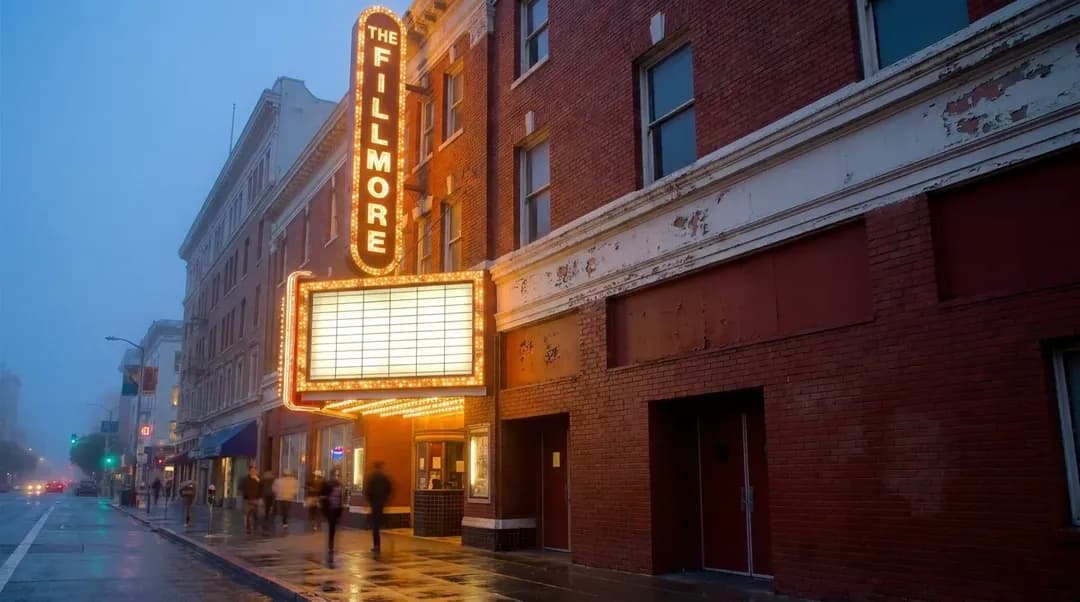
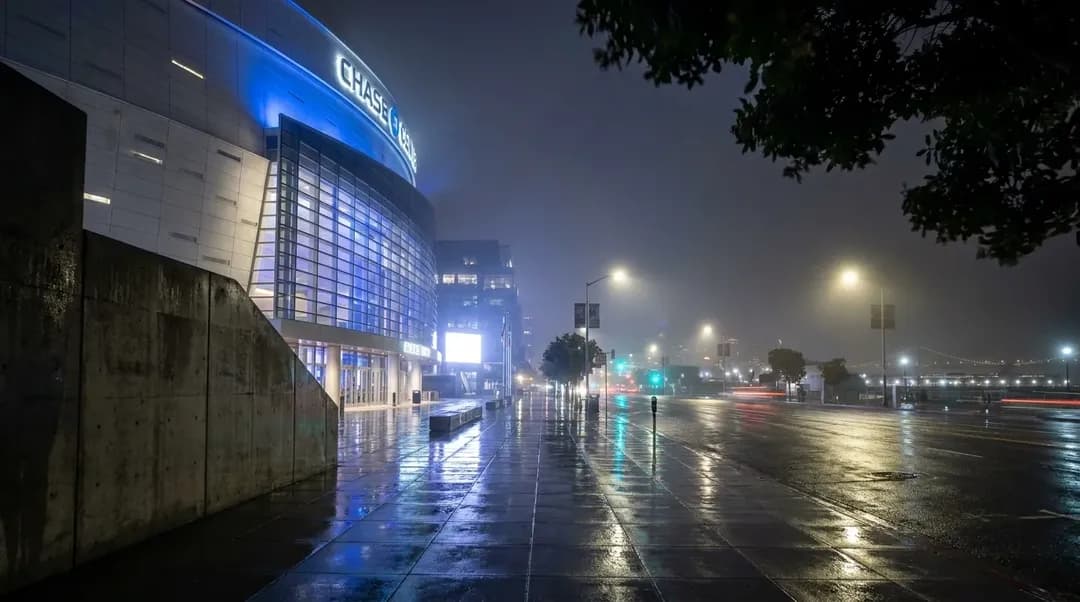
The Fillmore holds 1,150 people in a standing-room hall with chandeliers and a poster tradition that started in 1966. Chase Center seats 18,064 in a glass box on the bay that opened in 2019. Both host concerts every fall, but the experiences split hard: one puts you shoulder-to-shoulder with a psychedelic backdrop, the other assigns you a seat number and a jumbotron sightline. Your transit, your dinner window, and your exit strategy all hinge on which building you're walking into.
Text Karpo before you commit to tickets. It'll pull current Muni timing to either venue, check what's still serving food nearby after doors close, and route you to a late backup if the opener drags.
Why venue size changes your entire night
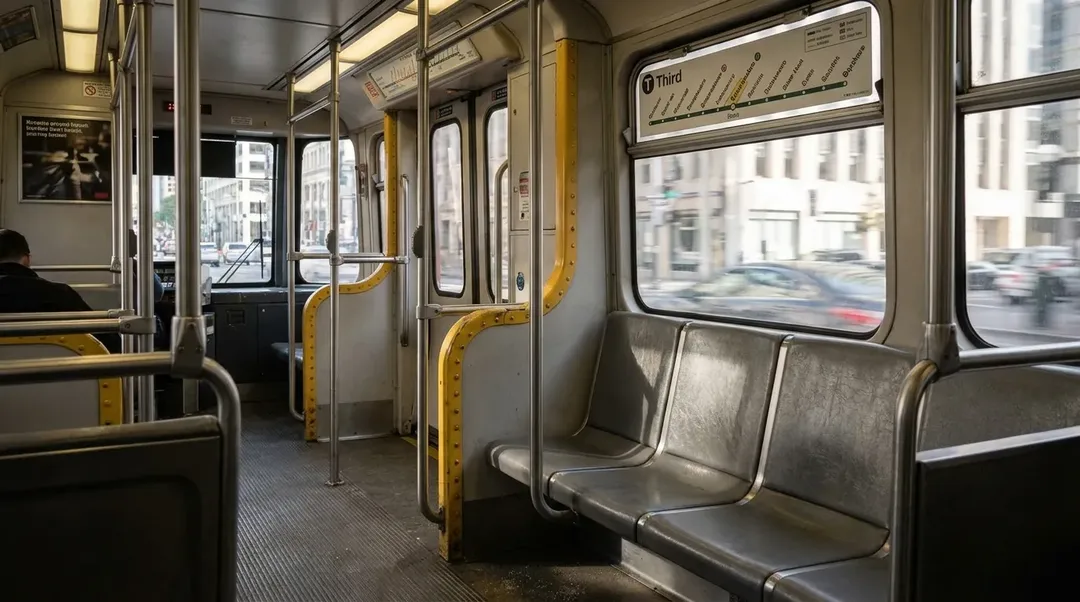
Fall weather in San Francisco means fog rolling through the Richmond District by 7 p.m. and wind whipping across Mission Bay after dark. The Fillmore sits at 1805 Geary Boulevard, a straight shot on the 38 Geary bus but a cold walk if you're coming from Japantown. Chase Center anchors Third Street at 16th, accessible by Muni T Third or a BART transfer to the N Judah at Embarcadero, then a walk across the plaza. Neither venue has abundant street parking, and both neighborhoods empty out fast after kitchen hours. Plan your arrival backward from door time, not showtime.
Concerts at these two venues also differ in how tickets move. The Fillmore often releases general-admission tickets in waves, and resale prices swing based on whether the artist has Bay Area roots. Chase Center runs dynamic pricing for most arena tours, so checking the official Ticketmaster page early matters more than waiting for a deal. If you're hunting for something specific this fall, confirm the on-sale date and set a calendar alert—popular acts sell out in the first hour, and third-party resellers mark up immediately.
Starting at The Fillmore: timing and the poster line
The Fillmore's general-admission floor means early arrival buys you a spot near the stage. Doors typically open an hour before the opener, and a line forms on Geary Boulevard by late afternoon for in-demand shows. If you want a poster—the venue prints a limited run for every concert and hands them out free to the first few hundred people through the door—you need to be in that line. The posters are screen-printed, date-stamped, and collectible; locals frame them or trade them, and the design changes every night.
Geary Boulevard has Korean barbecue, dim sum, and corner Thai spots within two blocks, but most close by 9 p.m. Eat before you go in, or plan to leave the venue and forfeit your floor position. The Fillmore allows re-entry only in rare cases, so confirm the policy on the night-of email if you're counting on it. Inside, the bar serves beer, wine, and cocktails at arena prices, and the balcony offers a seated view with table service if you need a break from standing.
The 38 Geary runs frequently until 11 p.m., then drops to every 20 minutes. If the headliner runs past midnight, the bus will still come, but the wait gets cold. Ride-share pickup happens on Fillmore Street one block south; the Geary curb is a red zone. If you're driving, the garage at 1737 Post Street usually has space after 7 p.m., but check the rate board before you commit—some events trigger surge pricing.
Chase Center shows: assigned seats and the Mission Bay wind
Chase Center concerts are seated unless the floor is reconfigured for a festival-style event. Your ticket will list a section, row, and seat number. The arena's sightlines favor the lower bowl; upper sections sit far back, and the video screens carry more weight than they would at a theater show. If you're buying resale, compare the view from your section using the venue's online seat map before you pay. Some sellers list obstructed-view seats without flagging them clearly.
Mission Bay has new restaurants and breweries clustered along Third Street, but they fill up on event nights. Spark Social SF, the shipping-container food park at 601 Mission Bay Boulevard North, stays open late and handles overflow crowds without reservations. The surrounding blocks are still under construction in places, so sidewalk routes shift. Terry Francois Boulevard offers a bay-side walk if you arrive early and want to kill time outside, but the wind off the water is unforgiving after sunset. Dress in layers.
The T Third Muni line drops you at the arena's front door, but it shares street traffic and can stall. BART to Embarcadero, then the N Judah to Fourth and King, is often faster, though it adds a six-block walk. After the show, the T Third queues up along Third Street and loads slowly; expect a 20-minute wait if you're leaving right at the encore. Ride-share pickup happens in a designated lot on Third Street south of the arena—follow the signs, because the street grid is new and GPS routing lags. If you're driving, the Chase Center garage charges a flat event rate; check the venue's parking page for the current price and prepay online to skip the booth line.
When openers run long or the headliner cancels
Concerts start late. Doors at 7 p.m. usually means the opener hits the stage at 8, and the headliner closer to 9:30. If you're coming from work in the Financial District or the East Bay, that buffer matters—you won't miss the main act if BART runs five minutes behind. But if the opener adds a second encore or the soundcheck drags, your dinner reservation evaporates. Build slack into the front end of the night, and confirm your table holds for 15 minutes if you're cutting it close.
Cancellations happen. Weather delays, illness, and routing problems hit touring artists hardest in the fall when schedules tighten. If a show is postponed, the venue will email ticketholders and post an update on its official site. Refund policies vary: some promoters offer automatic refunds, others require you to request one within a set window. Check the fine print on your confirmation email before you book a hotel or buy a flight. Rescheduled dates often fall on weeknights months later, and your tickets transfer automatically unless you opt out.
If you're already at the venue when a cancellation is announced, leave quickly. The neighborhood around The Fillmore empties after 10 p.m., and finding an open bar or cafe that isn't packed becomes harder. Chase Center is adjacent to a cluster of new hotels, so the hotel bars stay open, but they're expensive and fill with displaced concertgoers. A better bail plan: text Karpo for a live route to a bar in the Mission or a late kitchen in North Beach, both of which keep normal hours and have Muni or ride-share options that won't strand you.
Day-of checks that save the night
Verify the door time and opener lineup on the venue's own event page the morning of the show. Openers drop off bills, set times shift, and ticket policies change. The Fillmore posts updates on its site and social channels; Chase Center does the same. If you're relying on a screenshot from a month ago, you're guessing.
Check Muni alerts before you leave. The 38 Geary and the T Third both run through construction zones that shift weekly, and weekend service changes aren't always reflected in third-party apps. SFMTA's official site and app show real-time delays and reroutes. If your primary route is blocked, have a backup: the 2 Clement runs parallel to the 38 and drops you four blocks from The Fillmore, and the N Judah is a reliable Chase Center alternative if the T Third stalls.
Confirm your ticket is in your phone or printed before you get in line. Mobile tickets expire if your email app logs out, and some venues require you to refresh the barcode within an hour of entry. If you're sharing tickets with friends, make sure the transfer completed—partial transfers lock both parties out. Bring a portable charger if your phone battery runs low; there's no paper backup if your screen dies at the door.
If you're drinking, plan your ride home before the encore. Ride-share surge pricing peaks within ten minutes of a show ending, and late-night Muni runs less frequently. The N Judah and the 38 Geary both connect to BART stations, but BART stops running around midnight on weeknights and 2 a.m. on weekends. If you're coming from the East Bay or South Bay, check the last train time and set an alarm. A sober ride home is non-negotiable, and the best time to arrange it is before you buy the first drink.
Practical notes
- Doors open an hour before the opener; plan to be in line 90 minutes early for Fillmore posters.
- Chase Center's upper bowl sits far from the stage—check the seat map before buying resale tickets.
- The 38 Geary and T Third both run late, but frequencies drop after 11 p.m.; check SFMTA alerts day-of.
- Mission Bay and Geary Boulevard both get windy and cold after dark—bring a jacket even if it's warm at 5 p.m.
- Most nearby restaurants close by 9 or 10 p.m.; eat before the show or plan to leave the venue early.
- Drink responsibly and arrange a sober ride home before the encore—surge pricing and limited transit make last-minute plans expensive and slow.
Tags: #karpo #sanfrancisco #sfconcerts #thefillmore #chasecenter #livemusicsf #concertssf #sfnightlife #muniroute #missionbay #richmonddistrict #watchparties #sfmusicvenues #fallinsf #livemusic
Sources consulted: The Fillmore · Chase Center · SFMTA Muni alerts
Please drink responsibly. Must be of legal drinking age.
All trademarks are the property of their respective owners.
Ask Karpo first
Text Karpo the day of your show to confirm door times, get a live Muni route with current delays, and find a late backup spot if the opener cancels or you need to bail early. It'll also check which nearby bars and restaurants are actually open after the headliner wraps, so you're not guessing on a cold sidewalk at 11 p.m.
Ask Karpo for more information.
Keep reading
- Soccer Bar Near Me in SoMa: The Chieftain Shows Every Big Match
 Soccer Bar Near Me: The Mission Room With Bike Racks and Sausages
 Where to Watch MLB Playoffs Near Me: The Polk Street Bar With 25 Screens