The frustrating thing about looking for events in San Francisco today is that the good answer is rarely on the first page you check. Aggregator sites are built around things announced weeks ago, which systematically excludes the layer of the calendar that only materialises on the day: an added late show, a gallery opening, a free in-store, a pop-up, a screening with fifteen tickets left. That layer is large and it is where most of the good spontaneous nights in this city come from.
The same-day layer never reaches the listings sites in time. Ask Karpo what is actually happening near you in the next few hours.
Why the aggregators miss it
Listings sites need lead time, structured data and someone to submit the event. A record shop confirming an in-store performance at four in the afternoon has none of those things, and neither does a bar adding a second set because the first sold out. The result is a systematic bias in what gets listed toward large, ticketed, professionally promoted events — which are exactly the ones that were already full.
The corollary is useful: if something is easy to find on a listings site at five in the afternoon, it is either not very popular or very expensive. Neither is a reason to avoid it, but it explains why the search feels unproductive.
The sources that actually update
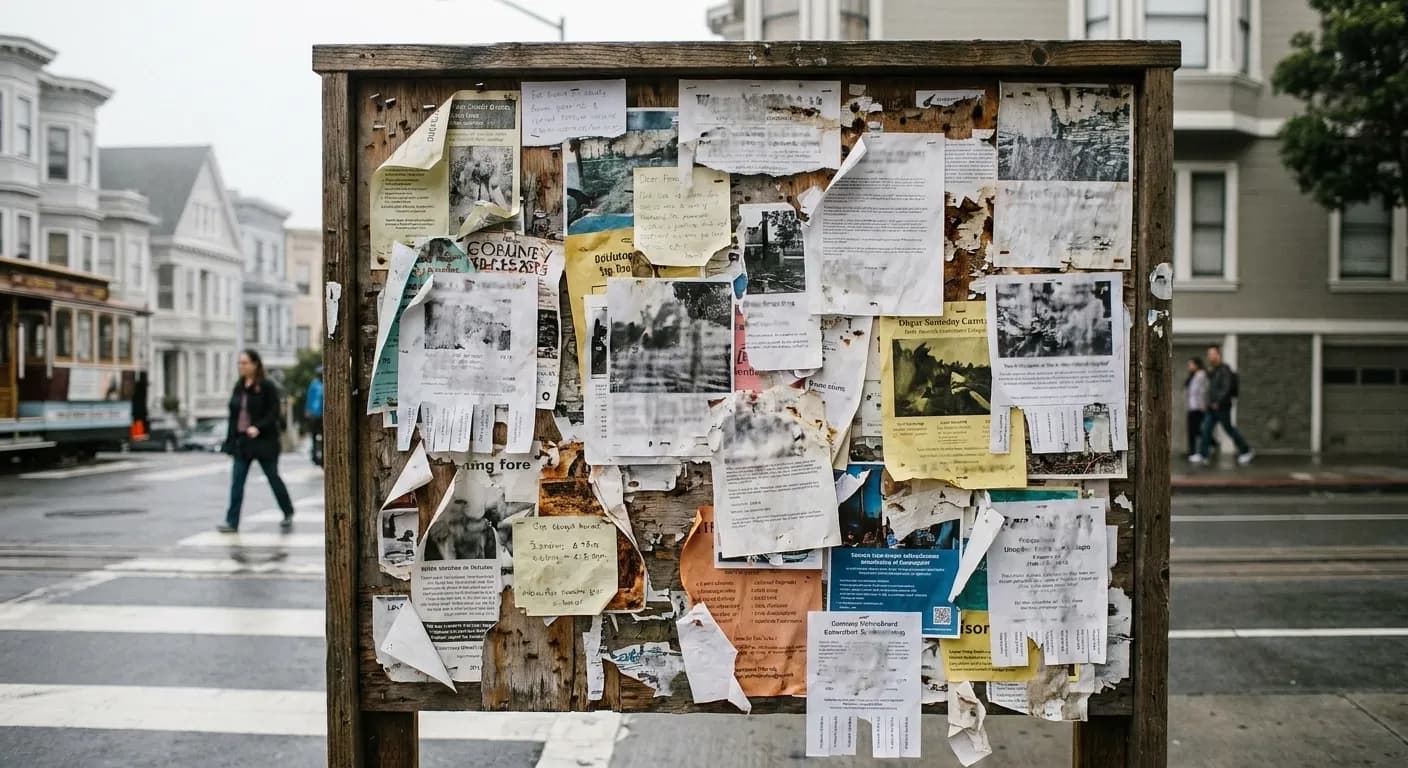
Four categories, in rough order of value. Venue accounts and calendars, which post additions and cancellations the same day. Neighbourhood newsletters and blogs, which in this city are unusually good and cover things at a granularity no citywide publication can match. Ticketing platform filters set to today, which surfaces the released holds and last-minute inventory. And physical noticeboards — in cafes, bookshops, record shops and laundrettes — which remain the only place a lot of small events are ever advertised.
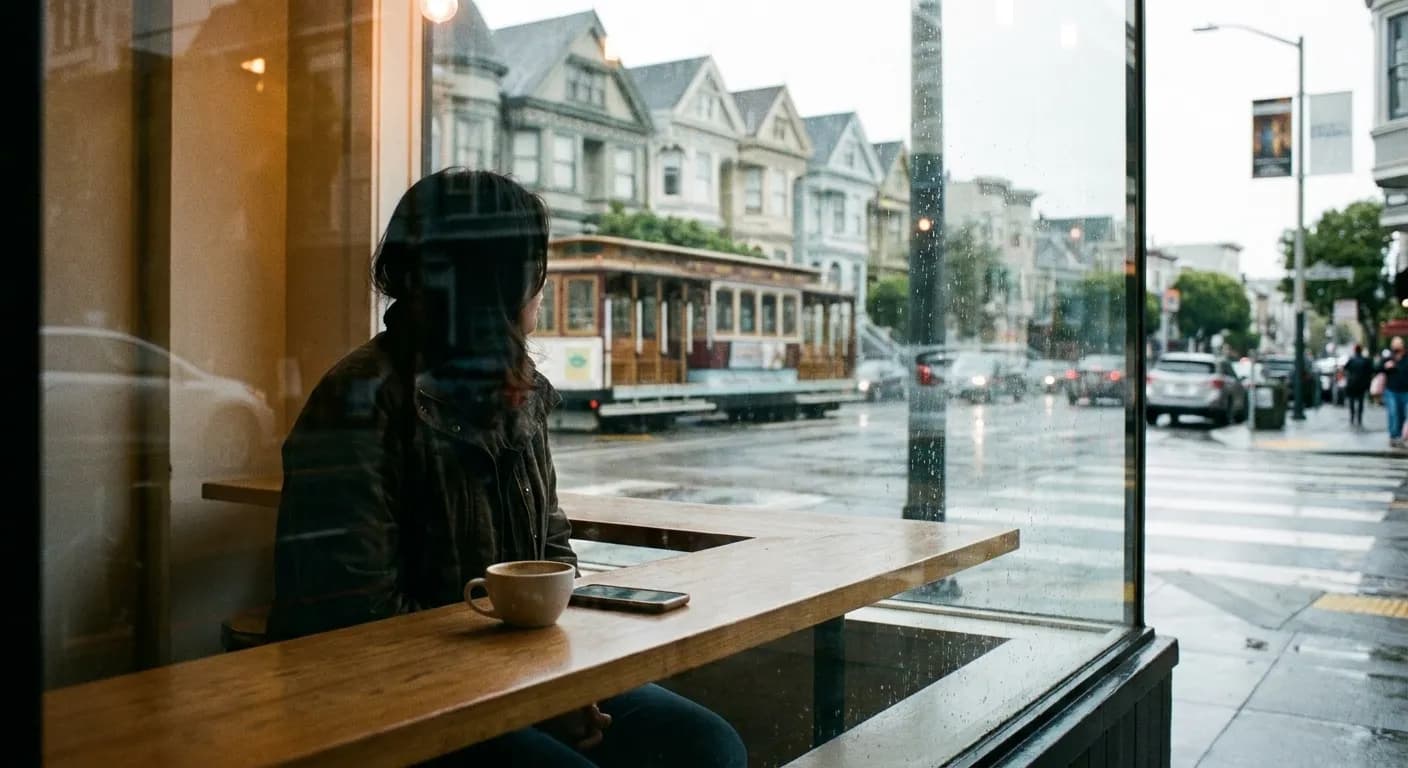
The noticeboard point is not nostalgia. A community board in the Mission or the Haight carries flyers for things that exist nowhere online, and it takes ninety seconds to read while you wait for coffee.
The venue-following habit
The highest-return habit for anyone who goes out in this city more than twice a month is to follow eight to ten venues directly rather than following any listings service. Two music rooms, two galleries, a cinema, a bookshop, a record shop and two bars that programme things. That set will tell you more about what is on tonight than any aggregator, and it takes about five minutes a week to skim.
The reason it works is that venues announce to their own followers first, both because it is free and because it fills the room fastest. By the time something reaches a listings site, the people who follow the venue have already had it for two days.
What tends to be available late
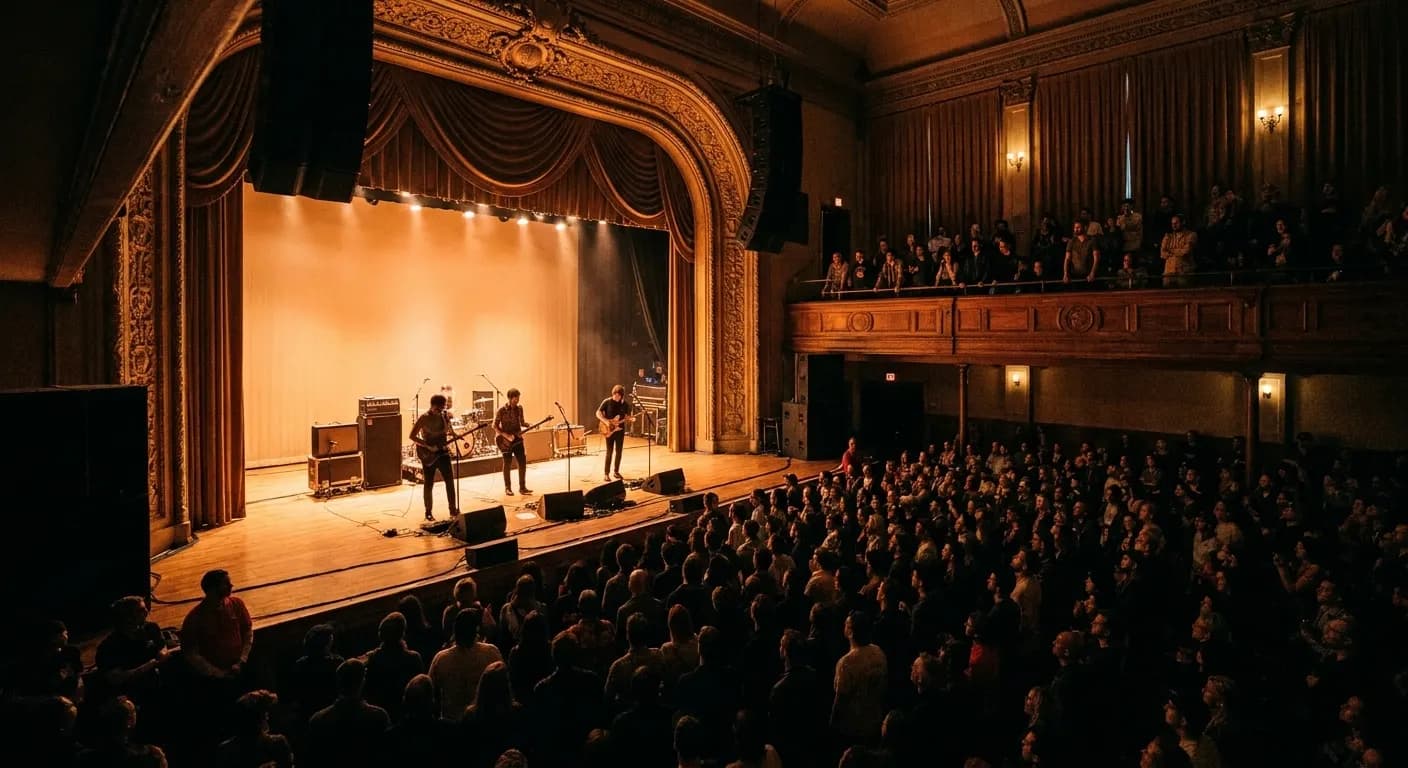
Gallery openings, almost always, and almost always free with a drink. Repertory and independent cinema screenings, which rarely sell out midweek. Comedy shows, which release door tickets routinely. Talks and readings at bookshops and libraries. Club shows on Sunday through Wednesday. Anything with a start time before seven, because most people cannot get there.
What is not available late: weekend headline shows at the mid-size rooms, anything involving a hometown sports fixture, and any restaurant event with a fixed number of covers. Trying to force one of those on the day is where the evening gets expensive.
A ten-minute routine
At around four in the afternoon: check the two or three venues nearest you, filter a ticketing platform to tonight within two miles, and look at one neighbourhood newsletter. That produces three or four options in under ten minutes, which is the right number — more than that and the decision itself becomes the obstacle.
Then pick by travel time rather than by appeal. On a weeknight in this city, a slightly less interesting thing fifteen minutes away beats a more interesting thing across town almost every time, because the cross-town version requires a level of commitment that turns a casual evening into a project.
The fallback tier
Some nights nothing lands, and it is worth having a default. The strongest ones here are a repertory cinema screening, a bar with a standing weekly residency, or a museum with a late opening. All three are reliable, none require booking, and all are better than the thing most people actually do, which is spend forty minutes searching and then stay in.
Day-of-week patterns worth knowing
Thursday is the strongest same-day night in San Francisco and it is not close — venues programme it heavily, the crowd is out, and almost nothing sells out in advance. Sunday afternoon is the second, thanks to residencies, recitals and gallery hours. Monday and Tuesday are thin but consistently available, which makes them the easiest nights to walk into something good.
Friday and Saturday are the hardest to do spontaneously, which inverts most people's assumptions. On a weekend the desirable things sold out days ago and what remains is whatever nobody wanted. If your schedule allows going out midweek, the same-day layer is dramatically richer.
The habit underneath all of this is deciding early. The same-day layer is real but it is not infinite, and the difference between checking at four and checking at seven is the difference between four options and one. Ten minutes in the afternoon is what converts an empty evening into a good one.
Tags: #SanFrancisco #EventsToday #SFTonight #ThingsToDoSF #LastMinute #SFNightlife #LiveMusicSF #Galleries #RepertoryCinema #SFWeekend #BayArea #WhatsOnSF #SameDay
All trademarks are the property of their respective owners.
Ask Karpo first
Ask Karpo what events are happening near you in San Francisco in the next few hours, what still has space, and how long it takes to get there.