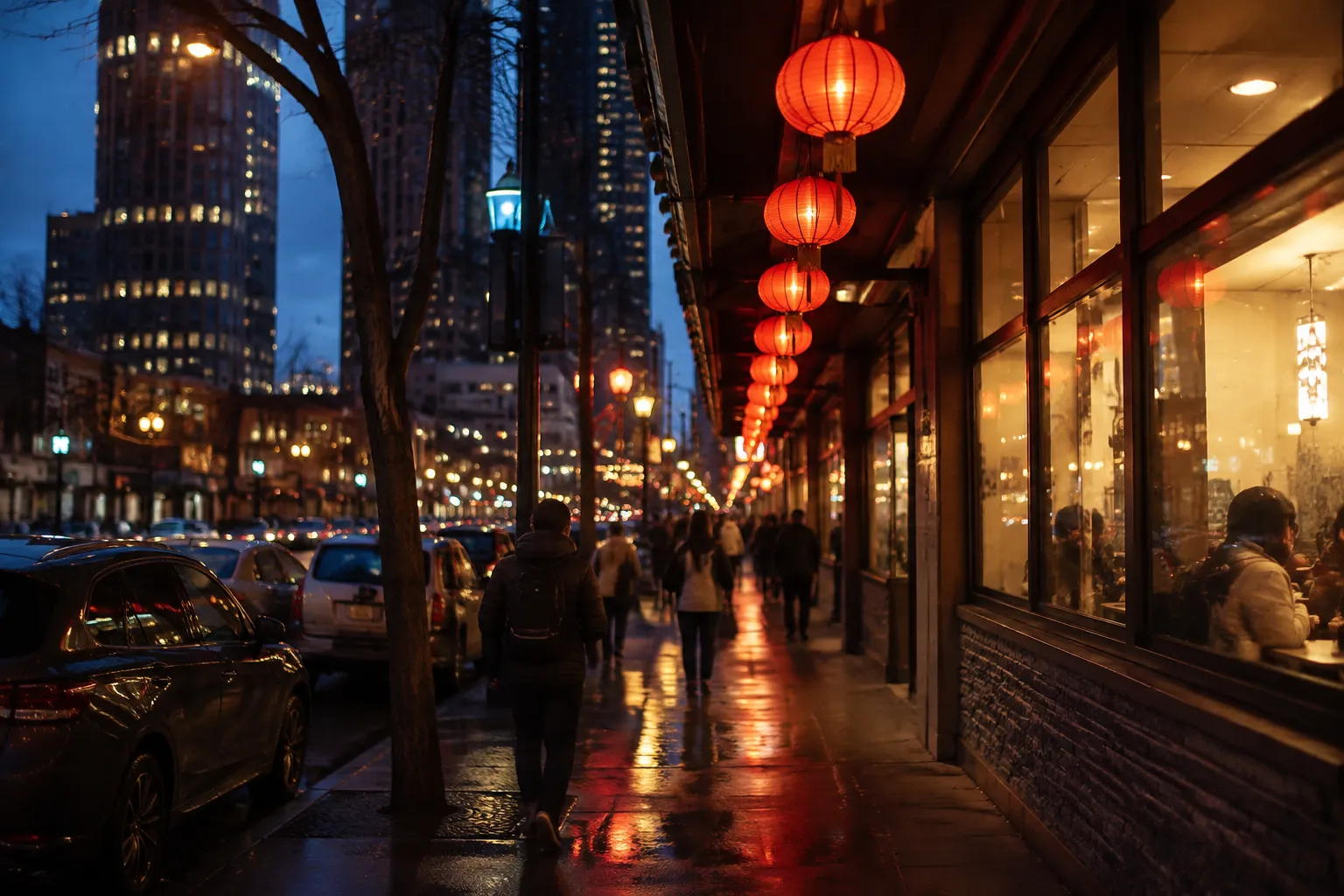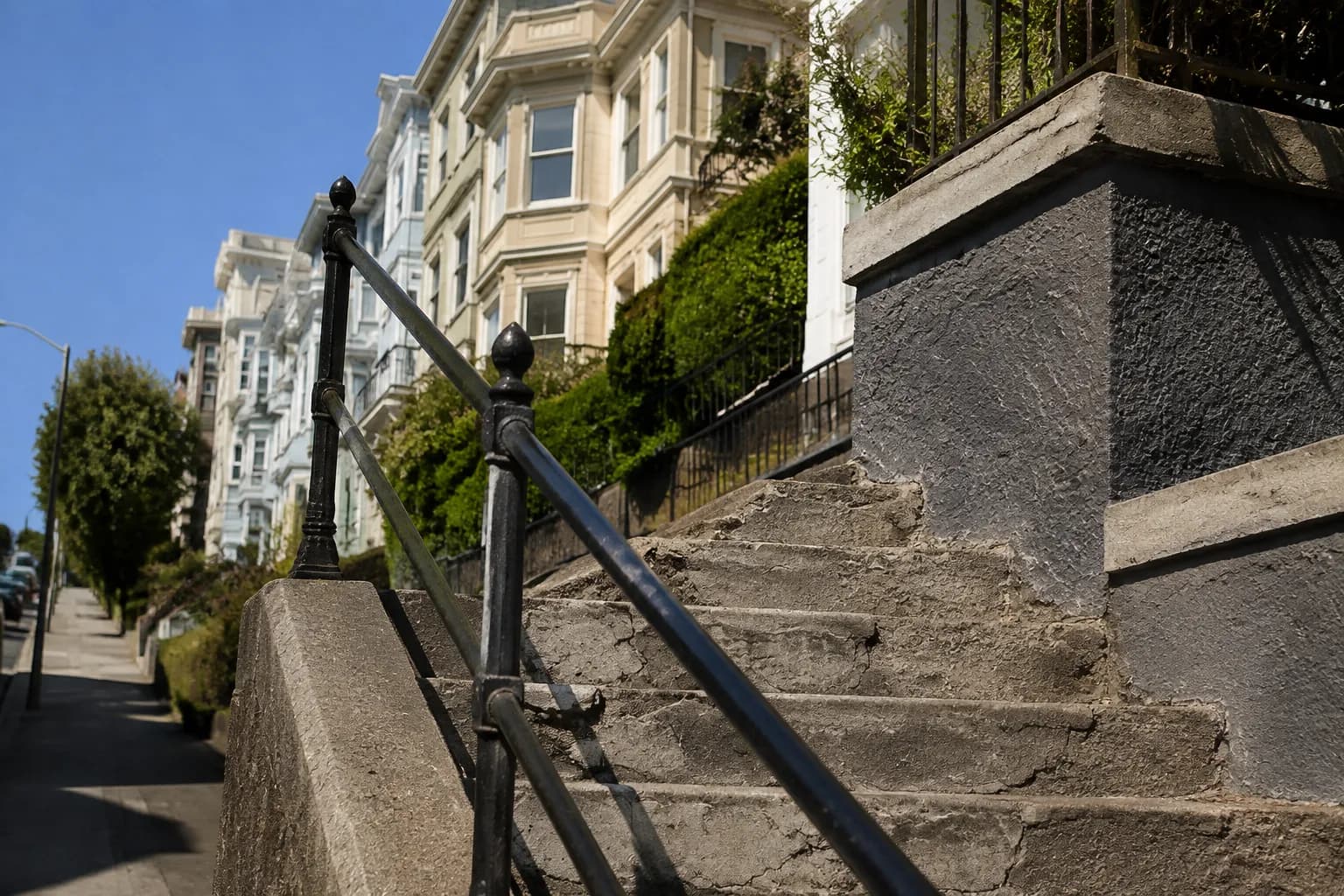
A burrito from the Mission arrives lukewarm in Noe Valley not because the kitchen failed, but because someone ordered soup, salad, and fried chicken in the same bag and the algorithm prioritized density over thermal logic. Uber Eats routes by efficiency, not by what survives a twenty-minute climb up Dolores Street. The best food in San Francisco is often the worst food to order for delivery, and the platform's top-rated dishes are frequently chosen by people who eat within five minutes of handoff or who have stopped expecting anything to stay crisp.
Karpo checks which kitchens are open right now, which dishes hold heat through the ride, and can reroute you to pickup spots that skip the delivery wait when fog slows everything down.

Why most delivery orders disappoint before you open the box
The mistake is assuming that what works in a dining room works in a car. A perfect plate of pasta turns gummy in a closed container. A bánh mì loses its crackle. Anything described as 'smash-style' arrives smashed in a way the chef never intended. The kitchens that do well on delivery have figured out how to engineer for the journey—thicker sauces, sturdier bread, proteins that don't weep moisture, vegetables that don't steam themselves into mush. They are not always the kitchens with lines out the door at lunch.
Fog slows drivers. Hills drain phone batteries. Muni delays mean your order sits on a counter in the Tenderloin while you watch the app in Bernal Heights. The rhythm of this city does not align with the promise of food in thirty minutes, and the people who order successfully have learned to think about what the dish will be after the trip, not what it is when it leaves the kitchen. That means choosing differently than you would if you were walking in and sitting down.
A strategy that holds up when timing shifts
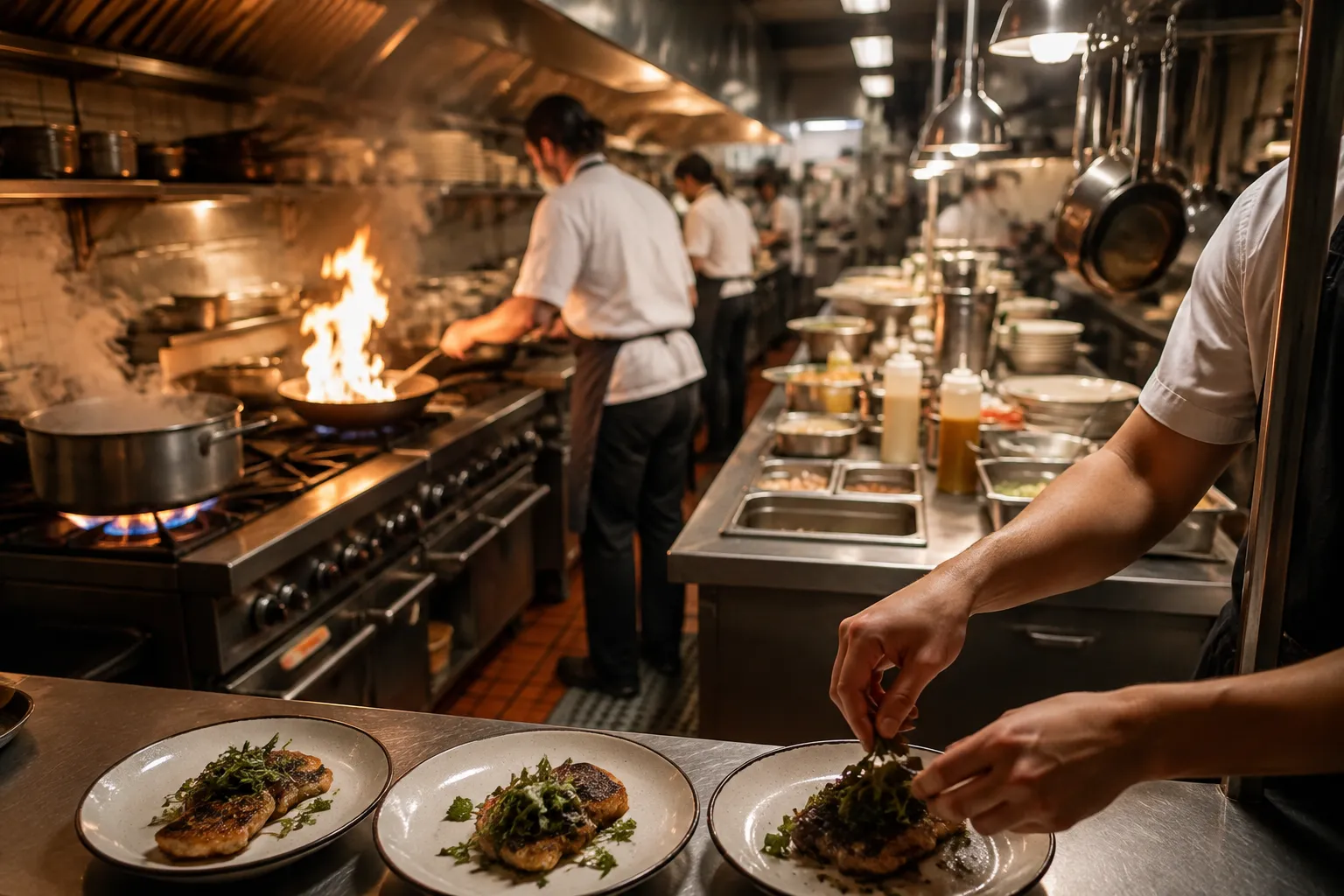
Start with dishes that improve or at least stabilize in the container. Stews, curries, braises—anything where the sauce is part of the structure, not an afterthought. A Burmese tea leaf salad travels because it is already dressed and tossed; the textures are meant to meld. A Korean stew in a tightly sealed stone pot holds temperature longer than almost anything else you can order. Tacos are risky unless they arrive deconstructed, but a quesadilla in a vented box often makes it intact if the kitchen knows to let steam escape.
Consider what happens when a dish sits. Rice bowls with grilled meat and pickled vegetables do not degrade the way a sandwich does. A good poke bowl tastes nearly the same twenty minutes later if it has been packed with the rice separate and cold from the start. Dumplings are a gamble—steamed ones stick and tear, but pan-fried dumplings can survive if they are packed standing up, not stacked. Fried chicken stays edible longer than fried fish, which turns soggy fast. Pizza holds if it is cut and boxed flat, but anything with arugula or a soft egg on top will collapse.
In Noe Valley, order from kitchens south or west of you when possible. Deliveries coming uphill from the Mission often arrive faster than orders routed down from the Richmond, where drivers circle for parking near Golden Gate Park and lose ten minutes. Check how long a restaurant has been on the platform—the ones that opened in the past year often have not yet dialed in their packaging. A place that has been doing delivery since before the pandemic knows which menu items to push and which to quietly discourage. If a dish is listed as 'popular' but has no reviews mentioning delivery, it is probably beloved in-house and a mess in transit.
Time your order around kitchen shifts. Many SF restaurants close between lunch and dinner, and orders placed at 2:45 p.m. sit until the evening crew arrives. Late orders after 9 p.m. risk arriving from a kitchen that is already breaking down the line, which means inconsistent temps and sometimes missing components. The safest window is sixty to ninety minutes after a service starts—6:30 p.m. for dinner, 12:30 p.m. for lunch—when the kitchen is warm, the team is in rhythm, and drivers have not yet stacked multiple orders into one run.
Who should skip this approach entirely
If you want the dish exactly as the chef intended it, you need to eat it at the restaurant. Delivery is a different medium. A perfect soft-boiled egg on ramen will always arrive hard by the time it reaches you. A delicate crudo will never taste the same after twenty minutes in a plastic clamshell. There is no hack that makes a soufflé work on Uber Eats, and anyone who tells you otherwise is either lying or has never ordered one.
People who live in the Outer Sunset or near the Presidio face longer routes and fewer nearby kitchens that deliver reliably. The apps will show you options, but many of those restaurants are forty minutes away in good traffic, which does not exist at dinner time. If you are in those neighborhoods, pickup is almost always smarter unless you are ordering from a place within ten blocks. The same applies to anyone near the Embarcadero during evening commute—drivers avoid that stretch, and your order will sit.
This is also not for anyone who treats delivery as background fuel. If you are working through a meal or eating while watching something, you will not notice whether the fries were crisp or the greens were wilted. In that case, order whatever is fastest and cheapest. The strategy here is for people who care about the food enough to think about what it becomes in transit, and who are willing to spend an extra three dollars on a restaurant that uses better containers.
What to verify before you tap confirm
Check the restaurant's own website or socials, not just the app. Some kitchens list a delivery menu that is shorter and smarter than what appears on Uber Eats, because the platform auto-imports everything and does not always update when a restaurant pulls a dish. A place might have removed an item from delivery because it never survived the trip, but the app still shows it as available. If you see a note on Instagram saying 'we recommend pickup for this one,' believe it.
Look at recent reviews that mention delivery specifically, and filter by your neighborhood if possible. A dish that five people in the Marina loved might be a disaster by the time it reaches Potrero Hill. Pay attention to complaints about temperature and texture, not just flavor. If multiple reviews mention soggy bread or cold rice, that is a packing problem the kitchen has not solved.
When the app offers a delivery time range, assume the later end. A 6:15–6:35 estimate in San Francisco usually means 6:40, especially if it is raining or if there is a Giants game letting out near Oracle Park. If you cannot eat until 7:00, schedule the order for 6:50 and let it arrive a few minutes early rather than ordering at 6:30 and having it sit. Some dishes can wait on your counter; most cannot.
Confirm what 'popular' actually means. The app highlights items that get ordered frequently, but frequency does not mean satisfaction. A cheap appetizer will always rank higher than a carefully made entrée that costs twice as much. Look for the dishes that have high ratings and also show up in photo reviews—people do not photograph food that arrived poorly unless they are complaining, so a gallery of recent images is a decent signal that the dish travels. If booking.com is reliable for reading guest reviews before choosing a hotel, the same principle applies here: you are reading other people's experience with a service, not just trusting an algorithm's highlight reel.
Practical notes
- Order sixty to ninety minutes after a kitchen's service starts for best consistency—6:30 p.m. dinner, 12:30 p.m. lunch.
- Fog and evening commute traffic add ten to twenty minutes; assume the later end of any delivery window.
- Dishes with separate components or vented containers survive better than single-box builds.
- Check a restaurant's own site or Instagram for delivery-specific menu notes the app might not show.
- Uphill deliveries from the Mission to Noe Valley or Bernal are usually faster than cross-town routes.
- Late orders after 9 p.m. risk inconsistent prep as kitchens break down for the night.
Tags: #karpo #sanfrancisco #noevalley #ubereats #fooddelivery #sffoodies #deliverytips #sfeats #missiondistrict #bernalheights #sfrestaurants #deliveryhacks #food #bayareafood #sfdelivery
Sources consulted: Uber Eats · SF Muni transit
All trademarks are the property of their respective owners.
Ask Karpo first
Text Karpo to confirm which kitchens are actually open right now and which dishes on their delivery menu have good recent reviews. It can also suggest a backup pickup spot nearby if your first choice has a long wait or if you would rather skip the delivery fee and walk six blocks for something that stays hot.