The phrase hidden gem does a lot of unearned work in this city. Almost nothing about the best restaurants in San Francisco is actually hidden — the places locals eat at have websites, phone numbers and a queue on Friday. What they have instead is a location problem. They sit in the Outer Richmond, the Excelsior, Portola, the Bayview and the far end of Taraval, which are places a visitor with three days and a hotel near Union Square will never plausibly reach. The gap between the local list and the visitor list is a transit map, not a secret.
Distance is the only thing separating these rooms from the lists. Ask Karpo which neighbourhood restaurants are open near you tonight and how long the ride actually takes.
Why the good stuff drifted west and south
Commercial rent is the whole story. A restaurant paying downtown rent has to turn tables fast, price for an expense account or both. A restaurant on Taraval or Mission Street in the Excelsior can charge fifteen dollars for a plate of noodles and survive on regulars, which means the menu gets to be idiosyncratic instead of broadly appealing. That is why the most distinctive cooking in San Francisco is not in the most expensive postcode. It is in the ones where a chef can afford to be specific.
The second factor is the customer base. A restaurant serving people who live within eight blocks cannot cut corners, because those people come back on Wednesday and notice. A restaurant serving people who are in town for a conference has no such feedback loop. This is not a moral observation, it is a structural one, and it predicts quality better than any rating average does.
The Outer Richmond is the densest stretch
Clement Street and the outer reaches of Geary carry more good restaurants per block than anywhere else in San Francisco, and almost none of them appear on a first-time visitor's list. The mix is unusual — Cantonese, Burmese, Russian, Vietnamese, Korean, plus a handful of small American places that opened because the rent made it possible. You can eat well for twenty dollars, and the difference between the best and the fifth-best option on a block is small enough that walking in somewhere unresearched is a reasonable strategy.
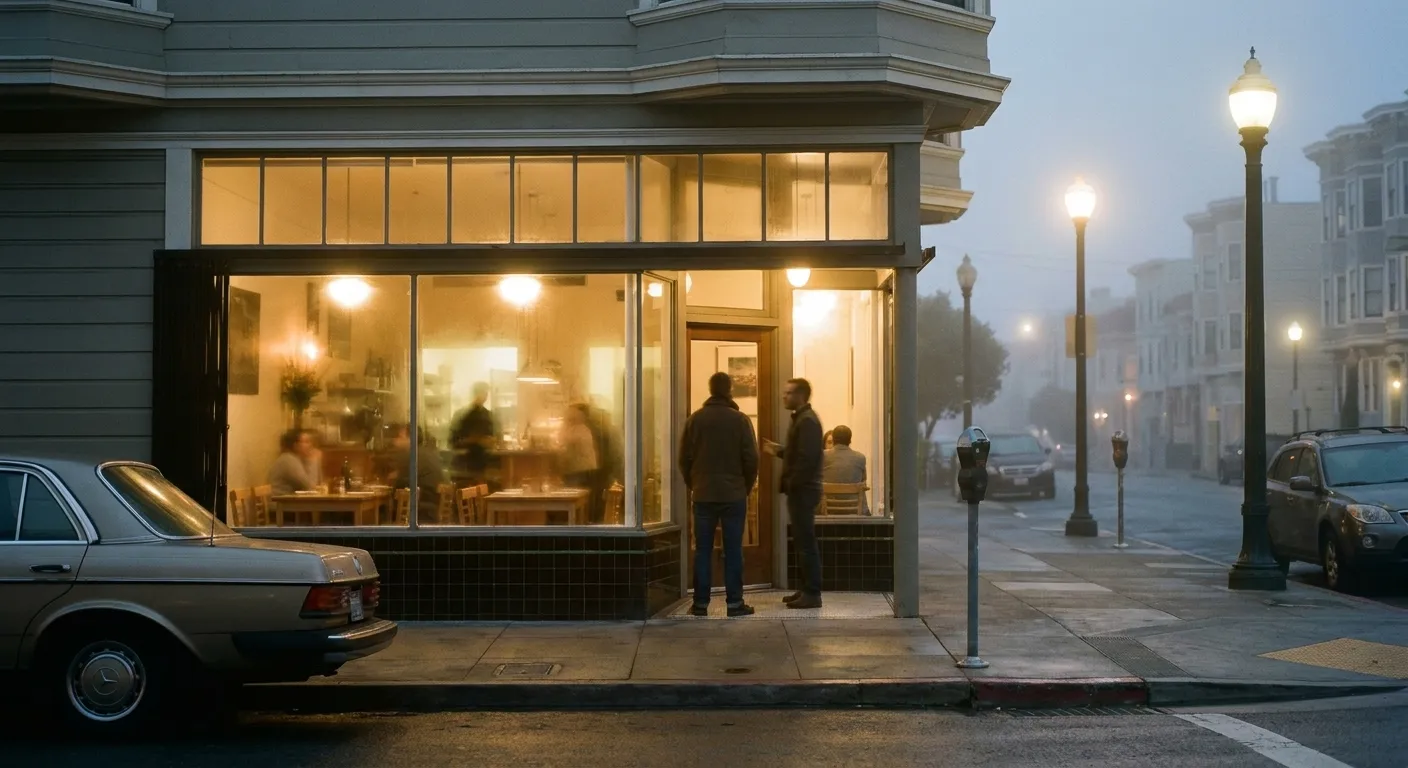
The Richmond also has the city's most forgiving reservation culture. Most rooms out there take walk-ins as a default, because their customers decide to eat out forty minutes before they eat. If your experience of this city is refreshing a booking app at nine in the morning, an evening on Clement will feel like a different city entirely.
The Excelsior and Portola are the current frontier
Mission Street south of Silver has been quietly accumulating good, cheap restaurants for a decade — Salvadoran, Filipino, Chinese, Peruvian — and San Bruno Avenue in Portola is the same story on a smaller scale. Neither neighbourhood has a food-media presence, which is precisely why the prices there have not moved the way they have in the Mission proper. This is where a lot of San Franciscans in their thirties actually eat on a Tuesday.
Getting there is genuinely inconvenient from most of the city, and pretending otherwise is dishonest. The trade-off is real: twenty-five minutes each way for a meal that costs half what the equivalent does in Hayes Valley. Whether that is worth it depends on how much you like the food, which is the correct basis for the decision rather than a vague notion of authenticity.
Formats that signal a local room
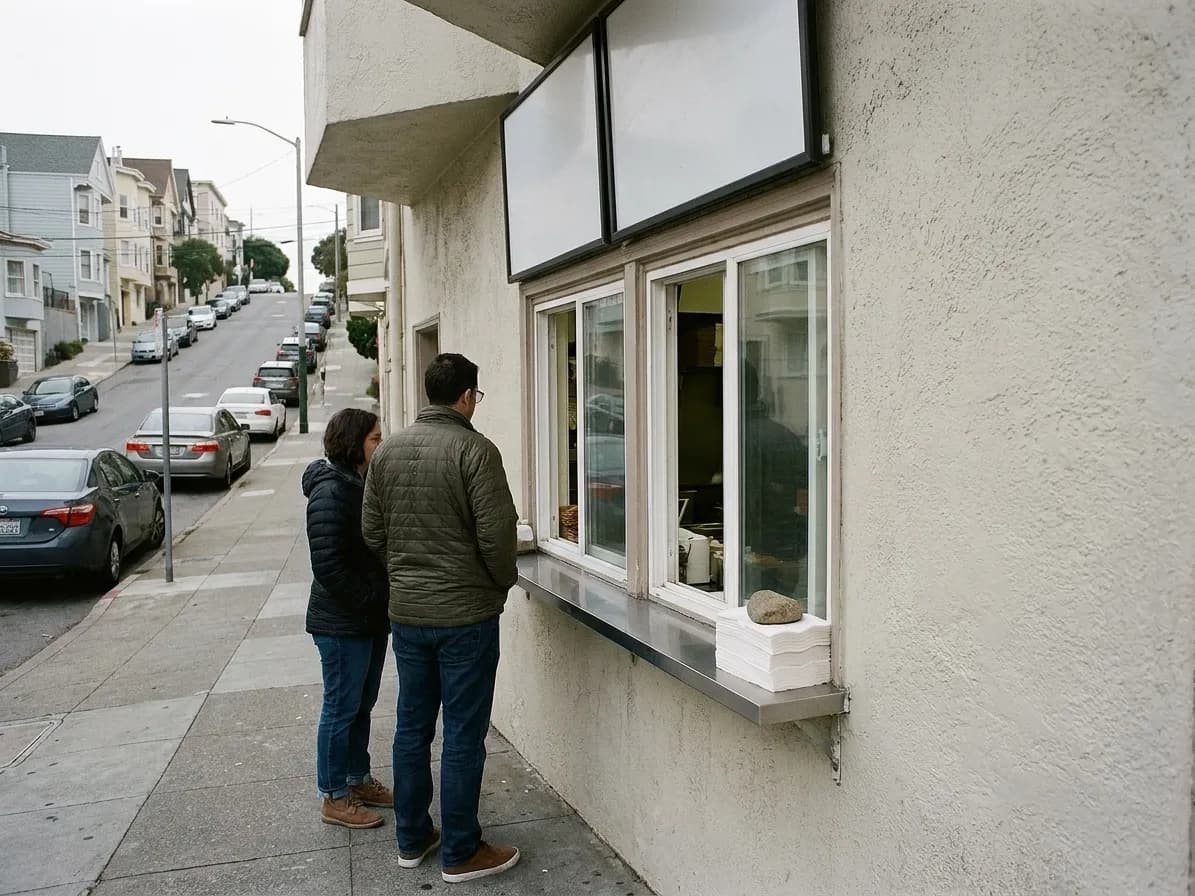
A few reliable tells. A menu with more than forty items and no photographs usually means a kitchen cooking for people who already know what they want. A handwritten specials board in a language other than English is aimed at regulars rather than at you, and the specials are usually the best thing available. A cash-preferred sign is increasingly rare but still a strong signal. And a restaurant that closes for two hours in the afternoon is running a service pattern designed around a neighbourhood rhythm, not a tourist one.
The opposite signals are just as useful. A queue of people photographing the exterior, a host stand with an iPad, and a menu that fits on one page in a serif font are all indicators that you are in a room designed to be discovered. That does not make the food bad. It does mean you are paying part of the bill for the discovery.
What this means if you only have a few days
Pick one neighbourhood and eat two meals there rather than crossing the city for individual restaurants. The Richmond is the highest-yield choice for a visitor because the density means a bad decision still gets you a decent meal. The Sunset along Irving and Noriega is the second. Both are reachable on a single Muni line and both reward wandering in a way that a curated itinerary does not.
The version of this advice that people usually give is to ask a local for a recommendation. That is less useful than it sounds, because most San Franciscans will name the three places they go to most, which are chosen for proximity to their flat rather than for quality. Asking where someone eats when they are already in a specific neighbourhood is a much better question and produces much better answers.
Tags: #SanFrancisco #SFEats #BestRestaurantsSF #OuterRichmond #ClementStreet #Excelsior #Portola #SunsetDistrict #WhereLocalsEat #SFFood #NeighbourhoodDining #BayArea #EatLikeALocal
All trademarks are the property of their respective owners.
Ask Karpo first
Ask Karpo which neighbourhood restaurants near you in San Francisco are open right now, what they are known for, and whether it is worth the ride out.