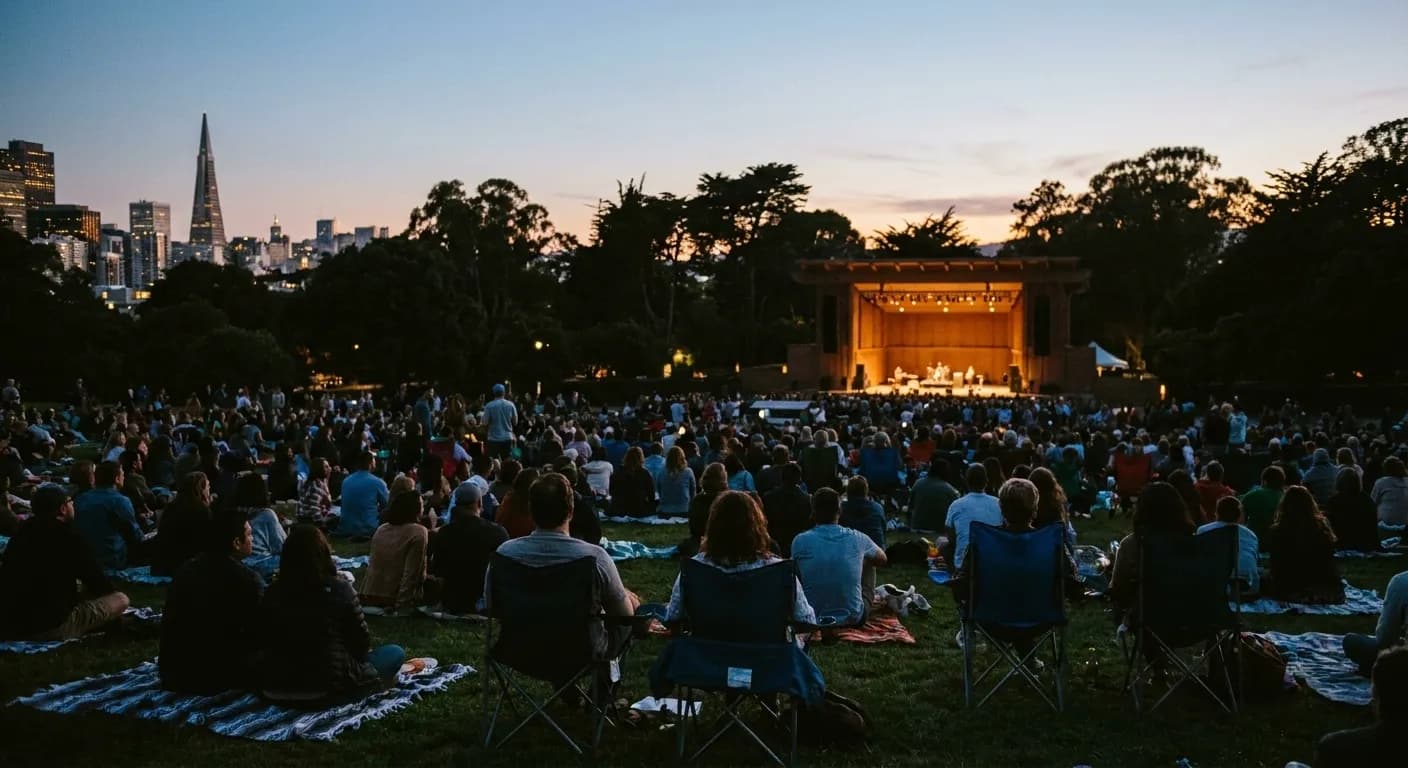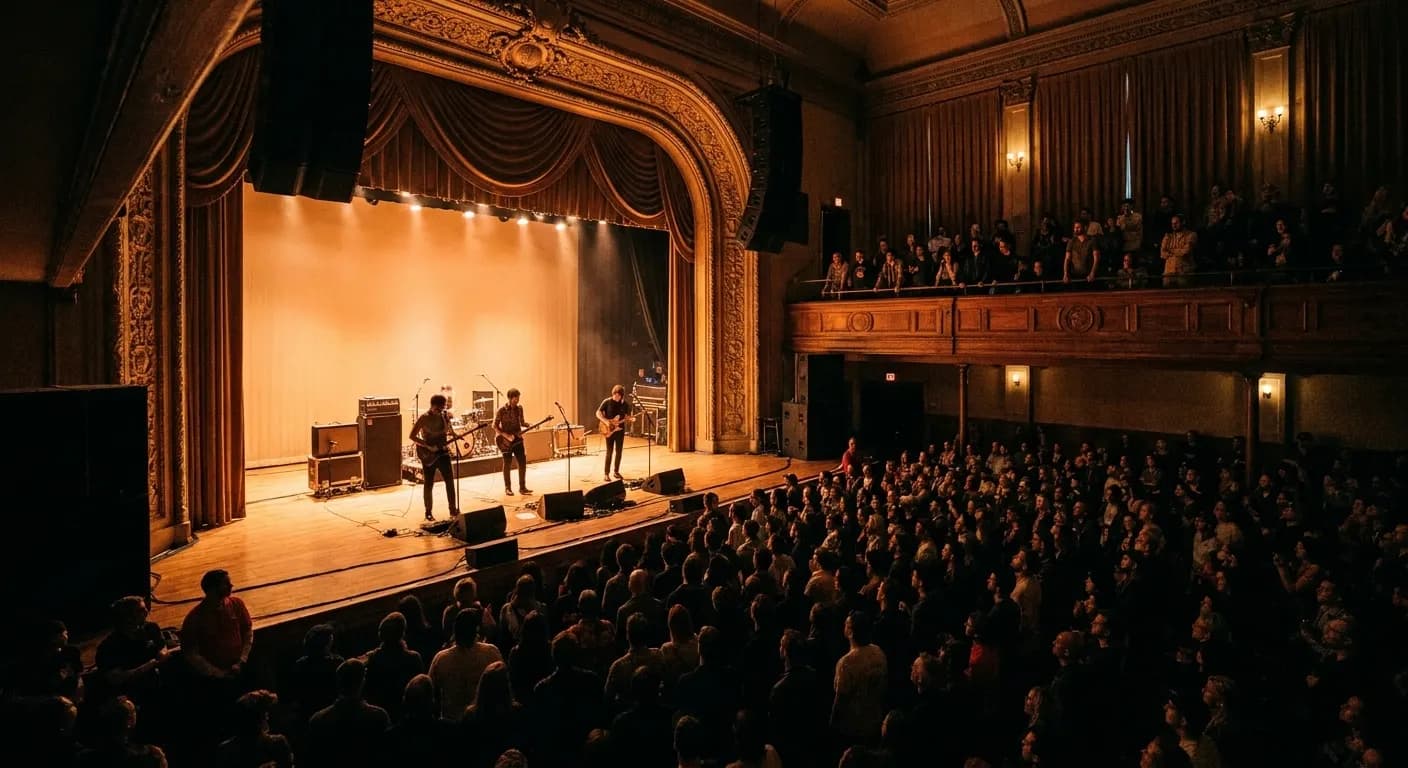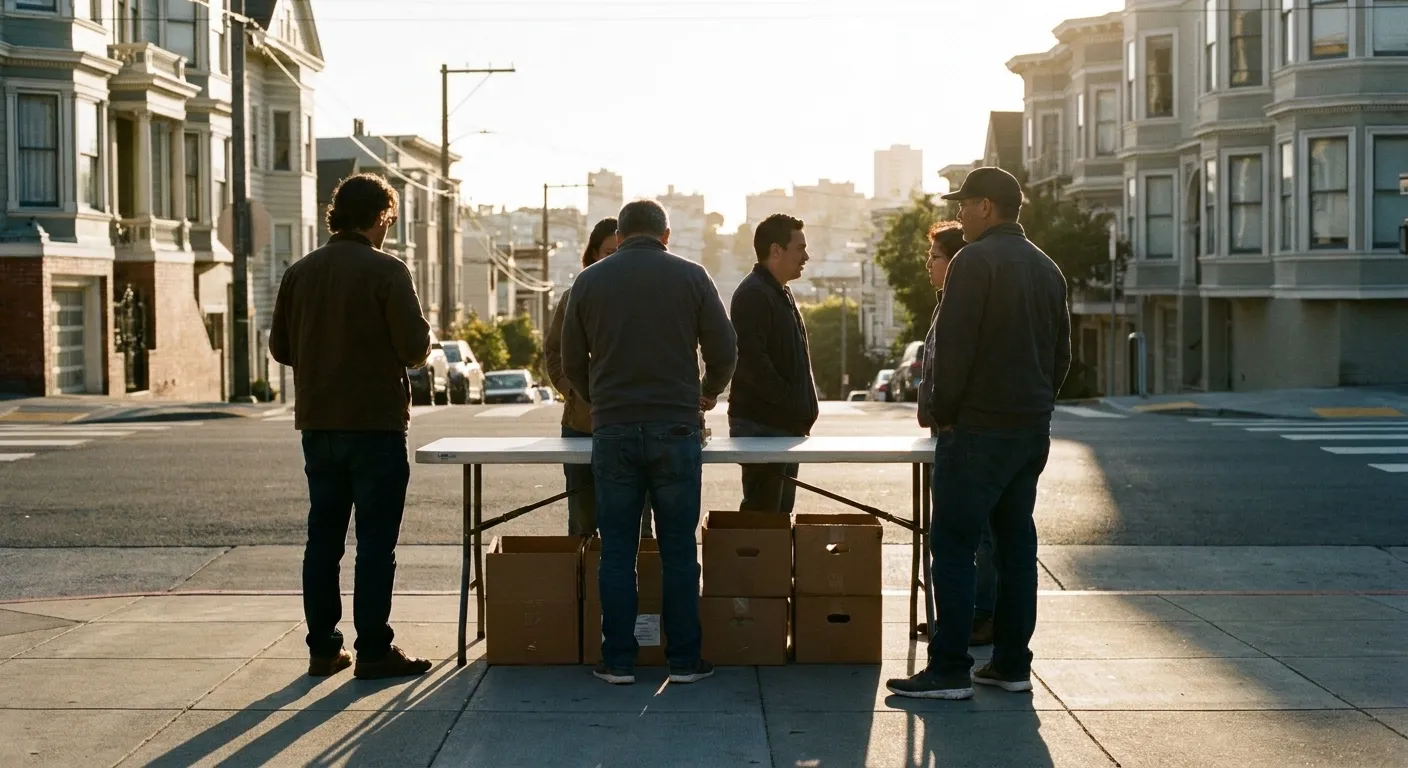
Anyone who has looked for events in San Francisco on a listings site and come away thinking the city is quiet has been reading the wrong surface. The listings show the ticketed, insured, month-ahead layer. Underneath it there is a much larger and more interesting layer — supper clubs, warehouse shows, one-night markets, dance parties in spaces without a permanent name — that is announced late, to a specific audience, through channels that were never designed to be searchable.
The good stuff is announced days out and never gets indexed. Ask Karpo what is actually happening near you this week.
Why the good things stay invisible
It is not exclusivity, it is economics and liability. A pop-up operating in a borrowed space cannot advertise widely without attracting attention it does not want and cannot handle. Capacity is genuinely small, so a listing that reached fifty thousand people would be worse than useless. And the lead time is short because the space is confirmed a week out. All three pressures push announcements toward closed, fast channels.
The consequence is that visibility follows social proximity rather than interest. This is why newcomers to the city reliably conclude that nothing happens here and people who have lived here five years cannot fit everything in. The difference is not taste or effort; it is being on about a dozen lists.
The channels that actually carry it
Instagram stories are the primary one, and specifically stories rather than posts — a pop-up announces to followers in a format that disappears in a day, which is why searching later finds nothing. Following the operators rather than the venues is the whole game, because the operator is constant and the venue changes every time.
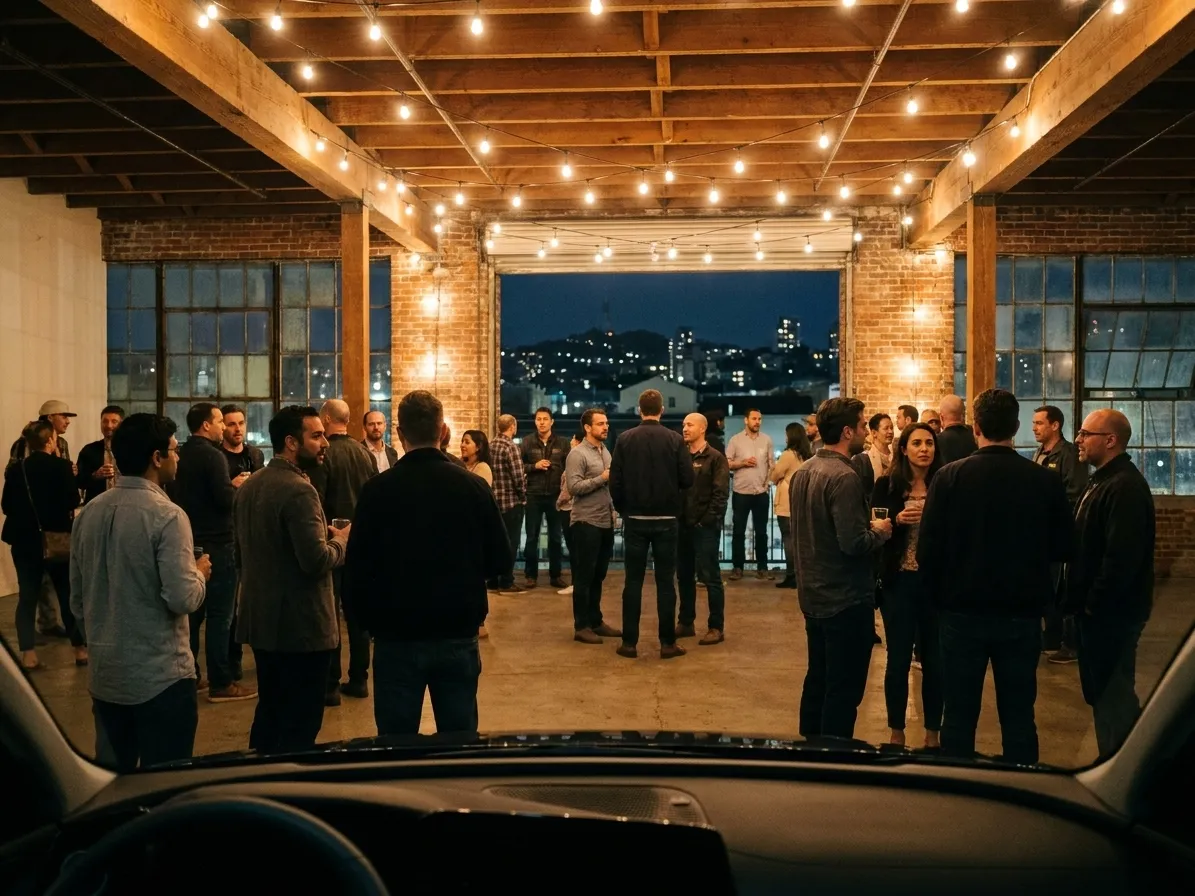
Email newsletters are the second and are more useful than their reputation. A handful of independent writers in this city do the aggregation work manually and send a weekly list, and those lists carry things no algorithm surfaces. Group chats are the third, and are the hardest to access from outside — the honest answer is that you get into them by turning up to things and talking to people, which is slow and works.
The recurring ones are the way in
Many pop-ups are not actually one-offs; they are monthly or seasonal things with an irregular date. Once you find one, you have found the whole cluster, because the same fifty people run and attend the adjacent ones. The fastest route from outside to inside is to attend one recurring event four times rather than four different events once.
The formats that repeat most reliably here are the food ones — a chef cooking a residency in someone else's kitchen on their day off — and the market ones, where a rotating set of makers takes a space for a weekend. Both are easy to attend alone, which matters, because the barrier to the underground layer is usually social rather than informational.
Building a feed that works
A practical setup takes about an hour. Follow twenty operators rather than venues. Subscribe to three or four local newsletters. Turn on notifications for the five accounts whose events you would always want to know about, because the story format means you either see it that day or not at all. And check on Tuesday and Wednesday evenings, which is when most weekend pop-ups announce.
The timing point is the one people miss. Announcements cluster midweek and sell out within hours for anything with a capacity under a hundred. Checking on Friday afternoon for a Saturday event is checking after the decision has been made by other people. A ten-minute midweek habit is worth more than an hour of weekend searching.
What to expect when you get there
Cash more often than you would think, no fixed start time, and a door that may involve a text message rather than a ticket. Capacity is real and turning up at peak is how you end up outside, so arriving early is a strategy rather than a courtesy. Most of these things are friendlier than the framing suggests — the mystique is a byproduct of the constraints, not a posture.
The other thing to expect is inconsistency. A pop-up is a group of people doing something difficult without infrastructure, and roughly one in four is genuinely disappointing. That ratio is fine if the tickets are twenty dollars and terrible if you have built a whole evening around it, which argues for treating them as one component of a night rather than the whole plan.
The etiquette that keeps them running
Do not geotag the space, do not bring more people than you said, and do not treat a residential or borrowed venue like a commercial one. These sound like scene rules and are actually operational ones — the reason a good pop-up disappears is almost always a complaint from a neighbour or a landlord, and the crowd controls that variable more than the organiser does.
Paying properly is the other half. Sliding-scale pricing is common here and is offered in good faith; the events survive because the people who can pay the top of the range do. A city with a lot of this layer is a city where people have quietly decided to fund it, and that decision gets made one door fee at a time.
And if you find one you like, tell the organiser so directly rather than posting about it. Word of mouth into the right ears is what keeps these things running; word of mouth into an algorithm is what gets them shut down. That distinction sounds precious until you have watched a good monthly night die of its own popularity, which in this city happens roughly twice a year.
Tags: #SanFrancisco #SFEvents #PopUps #SupperClub #UndergroundSF #SFNightlife #ThingsToDoSF #WarehouseParty #SFMakers #LocalKnowledge #BayArea #WeekendSF #WatchParty
All trademarks are the property of their respective owners.
Ask Karpo first
Ask Karpo what is happening near you in San Francisco this week, including the things that never make it onto a listings site.