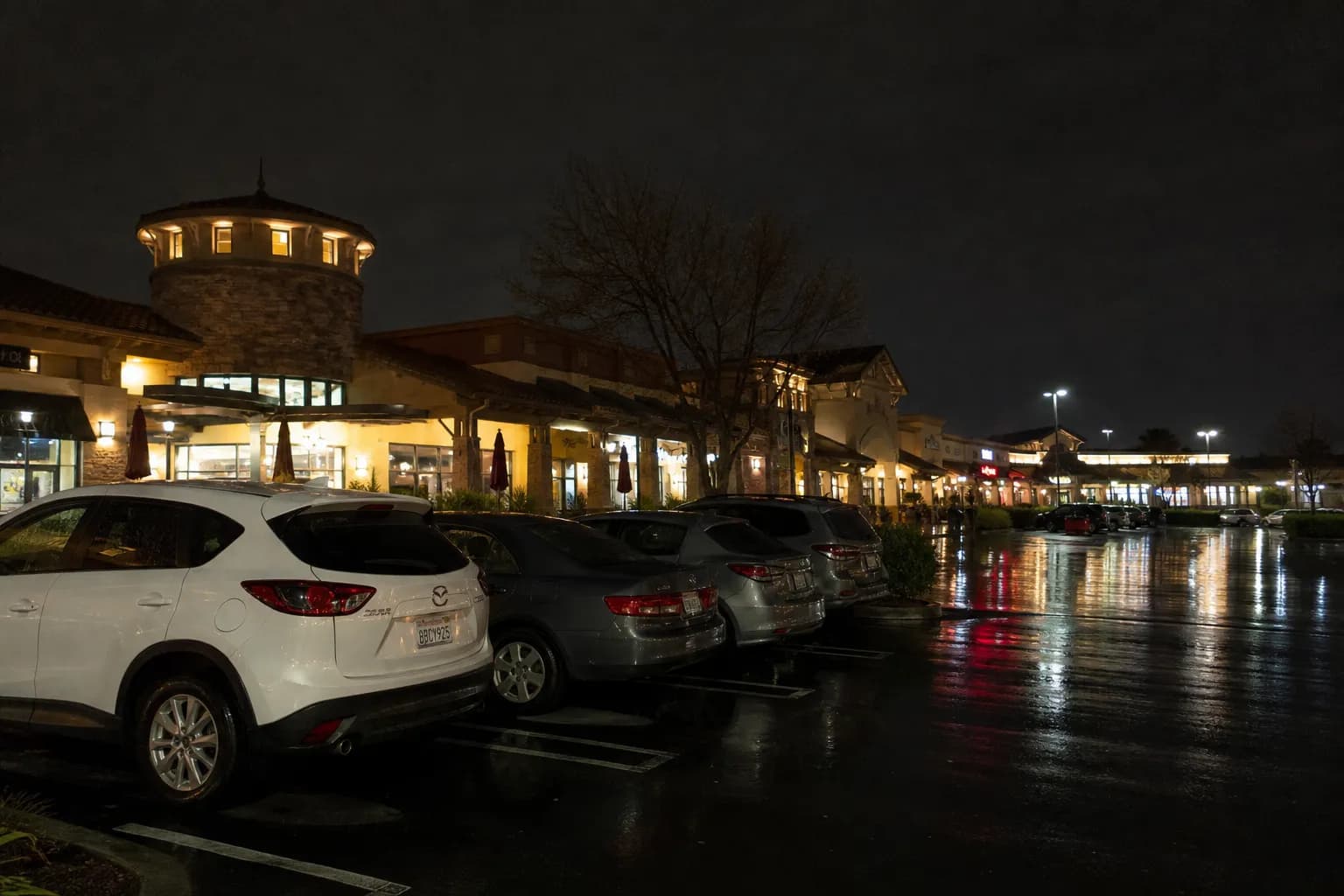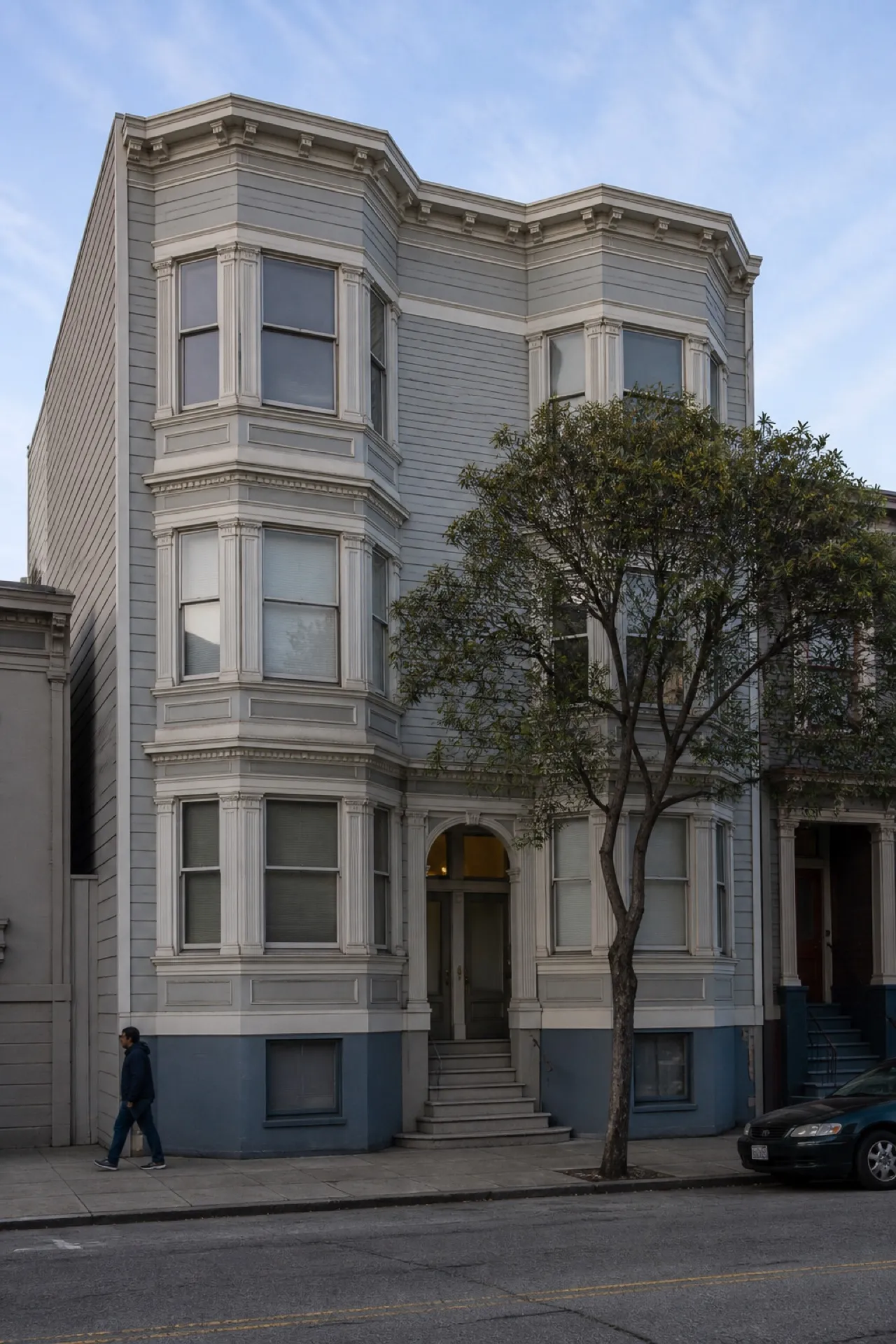
People searching for the pixel 11 pro are usually thinking about sharper lenses, cleaner low-light shots and how much camera can fit in a pocket. None of that solves the harder problem: deciding what belongs inside the frame. San Francisco has four useful routes into that skill, from courses where a phone is enough to workshops that lend beginners a full Canon setup. The important choice is not which camera has the longest specification sheet. It is whether the next step should be instruction, practice on the street or feedback on photographs already made.
Message Karpo to compare the current San Francisco workshop schedules, equipment requirements and locations. Get a route that fits a phone-only beginner or a photographer ready for critique.

Start by choosing the right teaching format
Photography teaching in San Francisco divides neatly into three formats. Course-based centres can take a beginner from a one-day introduction into several weeks of study. Workshop operators offer small-group or private sessions, sometimes with equipment included. Critique groups occupy a different place entirely: photographers arrive with completed work, present it and hear what holds together and what does not.
That distinction matters more than the device in hand. A first-timer who wants help finding a subject and arranging a frame needs a class or guided workshop. Someone who can already shoot but cannot tell why one photograph works better than another may get more from a critique. Before booking, read the session title closely and check whether the format teaches camera operation, composition, editing or discussion. Those are related skills, but they are not interchangeable.
The easiest entry if a phone is all you own
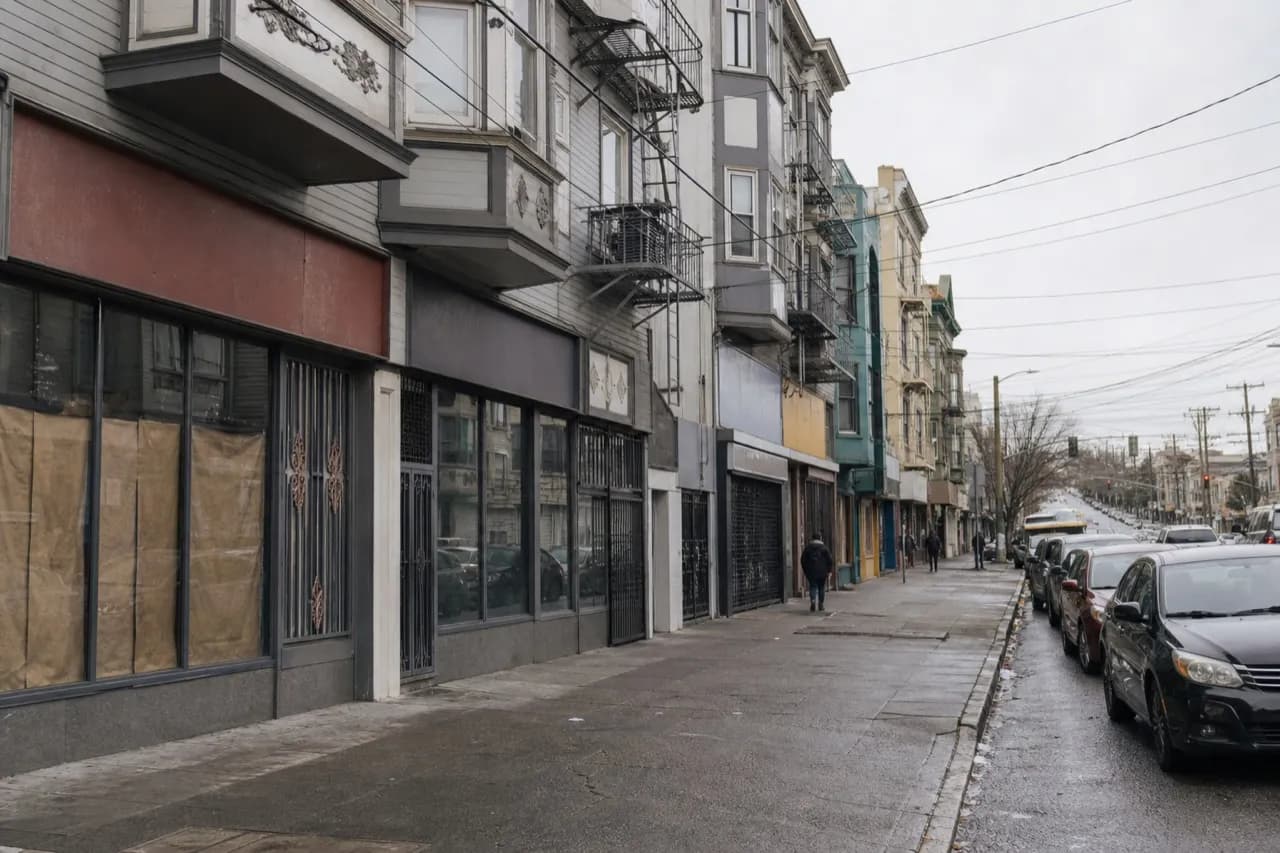
Photosprouts offers in-person and online digital photography workshops for beginners and experienced photographers, including street photography focused on composition. That makes it a practical option for someone interested in framing rather than simply learning where a camera manufacturer placed every control. The street photography emphasis also puts composition into motion, where backgrounds shift, subjects disappear and decisions have to be made quickly.
Photosprouts provides Canon cameras and lenses to beginners, so someone who owns only a phone can take a proper photography workshop without buying anything first — the single biggest barrier removed outright. It is the clearest answer among these options for a beginner who wants to try a dedicated camera before deciding whether one belongs at home. Because workshops run both in person and online, the schedule also offers a fallback when an in-person San Francisco session does not fit.
Rayko covers both phone shooting and longer study
Rayko Photo Center runs workshops on a course schedule, with subjects including Introduction to your Digital Camera and Photo Walk, Basic iPhoneography and Street Photography: San Francisco. The range is useful because it does not treat phone photography as a lesser category. A phone owner can begin with the camera already in a pocket, while someone carrying a dedicated digital camera can choose a course built around learning that equipment.
Rayko runs formats from a single day up to five weeks, including a Basic iPhoneography course, so the same centre covers both the phone photographer and someone committing to over a month of study. A short session makes sense for testing whether structured instruction helps. A longer programme creates room to shoot, review mistakes and return with better questions, rather than trying to absorb composition and camera operation in one sitting.
Street photography continues after the shutter
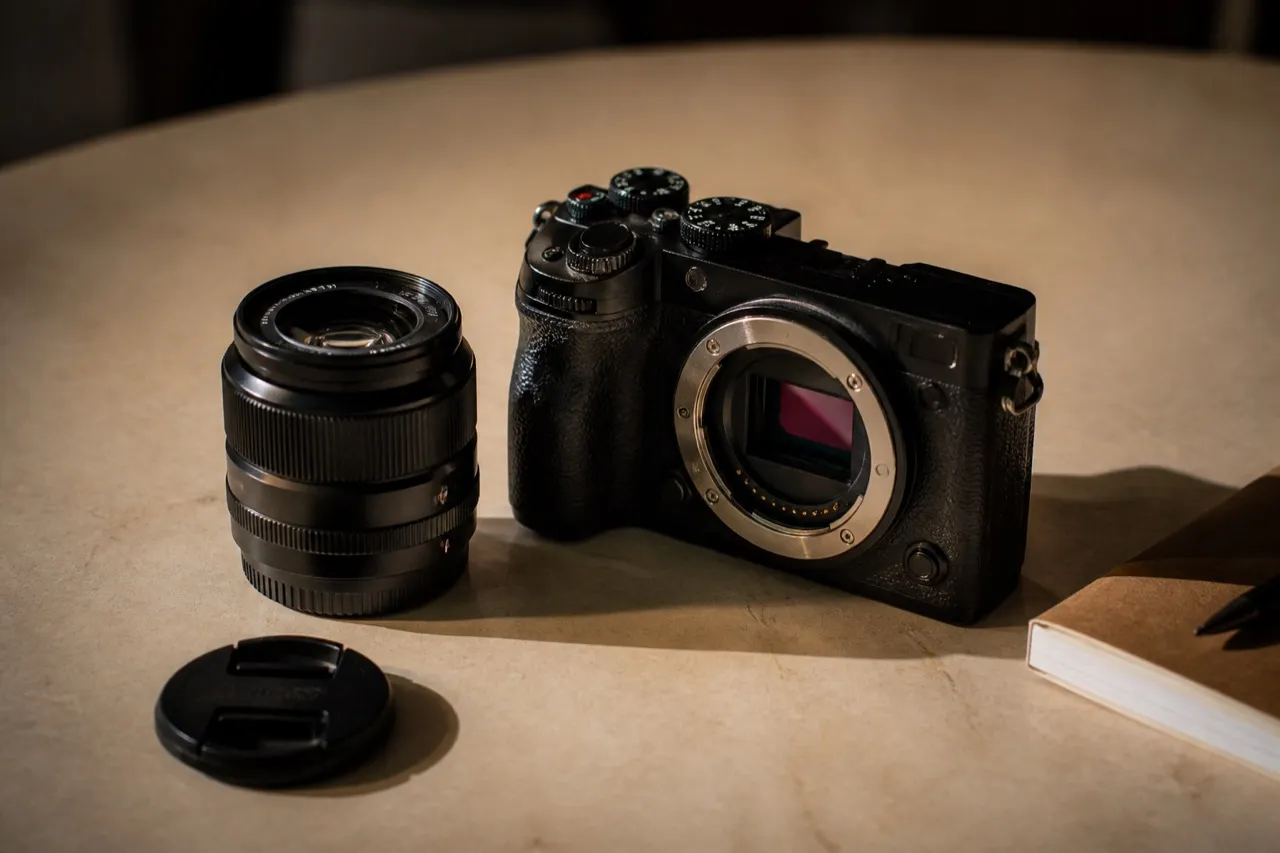
Framing on a San Francisco street is only the beginning of the work. Photographs still have to be sorted, compared and arranged so that a group of images says more than any single frame. Rayko's two-day Street Photography: San Francisco course covers editing, organising and storytelling as well as shooting, which is the half of the process most one-day workshops leave out entirely.
That second half is particularly useful for phone photographers, who often return from a walk with a large camera roll and no clear method for deciding what deserves attention. Editing in this context is not merely adjusting brightness or colour. It also means selecting stronger pictures, noticing repeated ideas and removing frames that dilute a sequence. For anyone hoping to turn an afternoon of wandering into a coherent set, the two-day structure addresses the part that happens after leaving the street.
A changing location can be feature or friction
Digital Photo Academy runs scheduled small-group or private photo workshops in San Francisco. The private format suits a photographer who wants concentrated attention, while a small group introduces the useful complication of seeing how several people frame the same surroundings. Equipment arrangements are not stated here, so phone-only participants should confirm what they need to bring before committing.
Digital Photo Academy changes its San Francisco locations month to month, so the same course is a different city walk depending on when you book it. That rotation can keep the visual problems fresh, but it also affects travel time and whether a particular date is practical. Check the scheduled meeting location before building the day around the workshop, especially when the neighbourhood matters as much as the lesson.
Use critique only when there is work to discuss
SF Camerawork sits at the next stage. Its sessions are critiques rather than classes: two hours, usually 4pm to 6pm Pacific, with five photographers presenting work to a critique leader and the group — you need finished work to bring, not curiosity. It is not a substitute for an introductory course, a guided photo walk or help learning a new device.
For someone who has completed a workshop and assembled a small group of photographs, the format offers something another shooting session may not: sustained attention to choices already made. With five photographers presenting, feedback comes from both the critique leader and the group. Arrive prepared to show work and hear it examined constructively. If there is nothing ready to present, start with Rayko, Photosprouts or Digital Photo Academy and return to critique after producing a set.
Practical notes
- Equipment: Photosprouts provides Canon cameras and lenses to beginners; confirm what to bring for every other workshop before booking.
- Timing: Rayko formats run from a single day to five weeks, while SF Camerawork critiques last two hours and usually run from 4pm to 6pm Pacific.
- Location: Digital Photo Academy rotates its San Francisco workshop locations monthly, so check the meeting point before planning transit.
- Cost: compare the current fee for the specific course, private workshop or critique session before committing; prices are not uniform across formats.
- Booking: use each venue's current workshop or course schedule rather than assuming a subject runs continuously.
- Accessibility: confirm step-free access and any other access requirements directly for the scheduled venue or monthly meeting location.
- Weather and backup: Photosprouts lists both in-person and online workshops, giving it the clearest alternative when an in-person session is impractical.
Tags: #sanfrancisco #sfphotography #photoworkshop #streetphotography #mobilephotography #iphoneography #photocritique #composition #cameraskills #creativeworkshops #beginnerphotography #photowalk #visualstorytelling
Sources consulted: sfcamerawork.org · photosprouts.com · cbsnews.com · live.digitalphotoacademy.com
All trademarks are the property of their respective owners.
Ask Karpo first
Before crossing San Francisco with a camera bag, ask Karpo which Rayko, Photosprouts, SF Camerawork or Digital Photo Academy sessions are actually open to the public, what equipment the selected format requires and when to show up. Karpo can build a live route around the named San Francisco neighbourhood once the current meeting location is posted, including the 4pm to 6pm critique window when SF Camerawork is the destination.