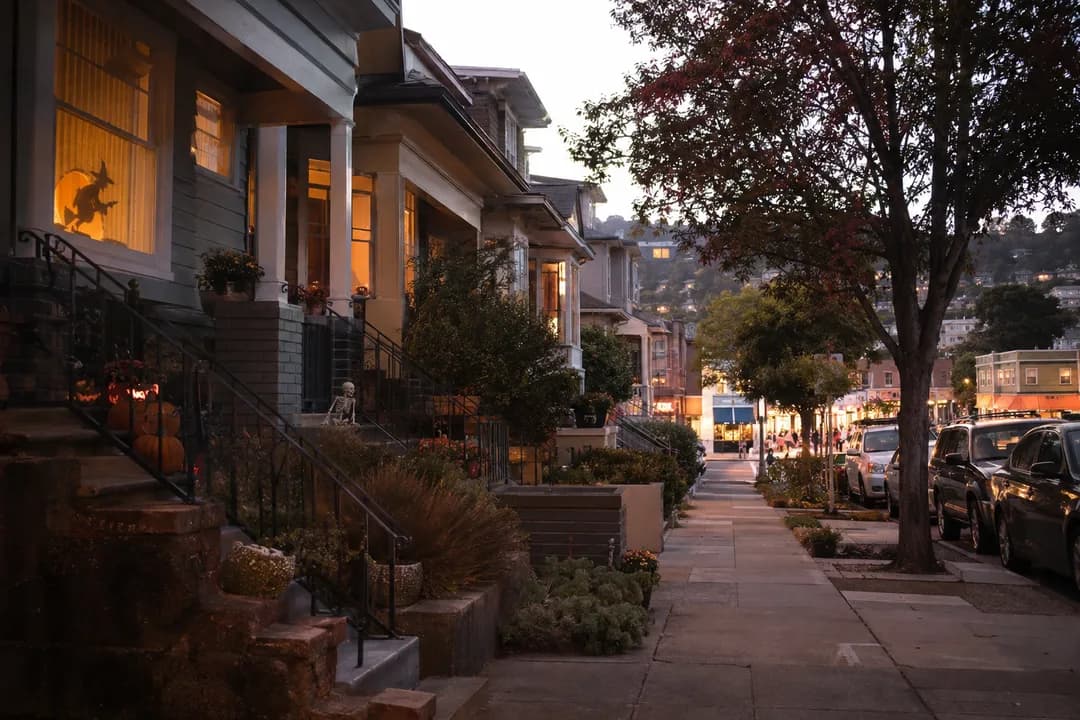
 Best Trick or Treating Neighborhoods Near Me: West Portal
Neighborhood Guides
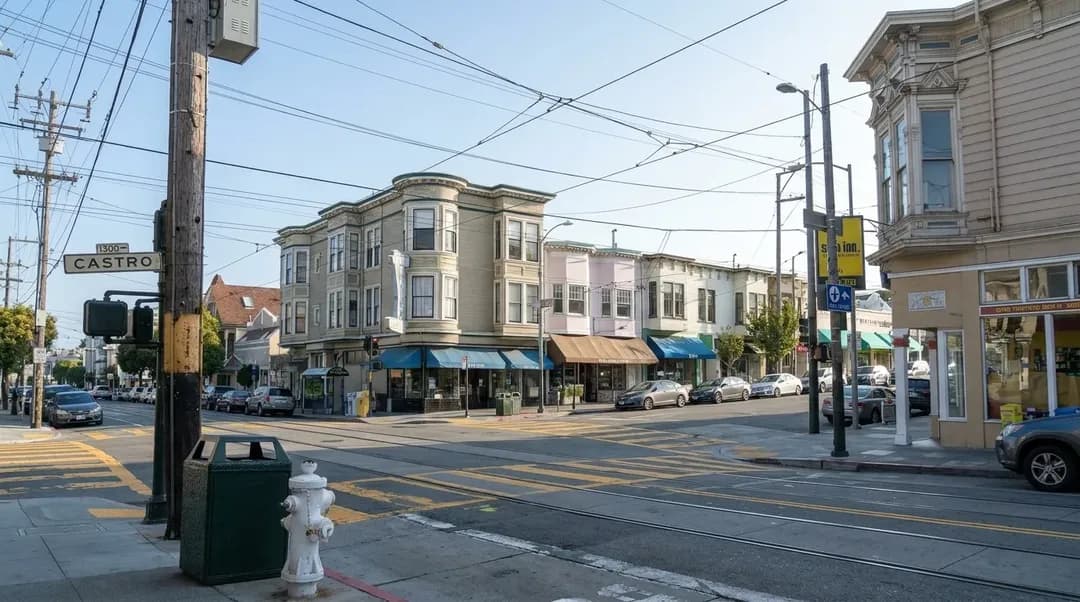
Planning a Mutiny 2026 Walk Through SF's Noe Valley Without the Usual Chaos
When the Mutiny 2026 game sends players across neighborhoods, Noe Valley's compact grid and steady coffee supply make it a smarter anchor than downtown.
The usual instinct when organizing a Mutiny 2026 session in San Francisco is to meet somewhere central—Union Square, the Ferry Building, maybe the Castro if your group likes a scene. Then reality arrives: someone's train is twelve minutes late, the plaza you picked has a permitted event blocking half the benches, and the coffee shop you thought opened at eight doesn't unlock until nine on weekends. By the time everyone's actually standing together, you've burned twenty minutes and someone's already suggesting you skip the walk and just start from a bar.
Karpo checks which cafés still have seating by the time your group arrives and builds a live route that skips the hills when the fog rolls in. Text it before you commit to a meeting spot.
Most Groups Pick the Wrong Starting Point
Noe Valley solves most of this because it's compact, predictable, and built at a scale that rewards groups who want to move without constantly negotiating six-way intersections or hunting for a bathroom. The 24th Street corridor between Church and Diamond runs flat, the J-Church drops you within two blocks of nearly every useful anchor, and the residential cross streets—Jersey, Elizabeth, Clipper—give you quiet stretches where a team of four or five can actually hear each other work through clues without shouting over delivery trucks. If Mutiny 2026 is your excuse to spend three hours solving puzzles outdoors, this neighborhood keeps the infrastructure problems out of the way.
The other advantage is density of fallback options. You're never more than a block from a café with real chairs, a parklet with shade, or a corner store where someone can grab water without the group scattering. That matters when the game throws you a puzzle that needs fifteen minutes of focused thinking, or when the person who said they'd eat breakfast actually shows up hungry and cranky. Noe Valley's grid means you can pause, regroup, and resume without losing your geographic bearings or your momentum.
A Route That Holds Up When Plans Shift
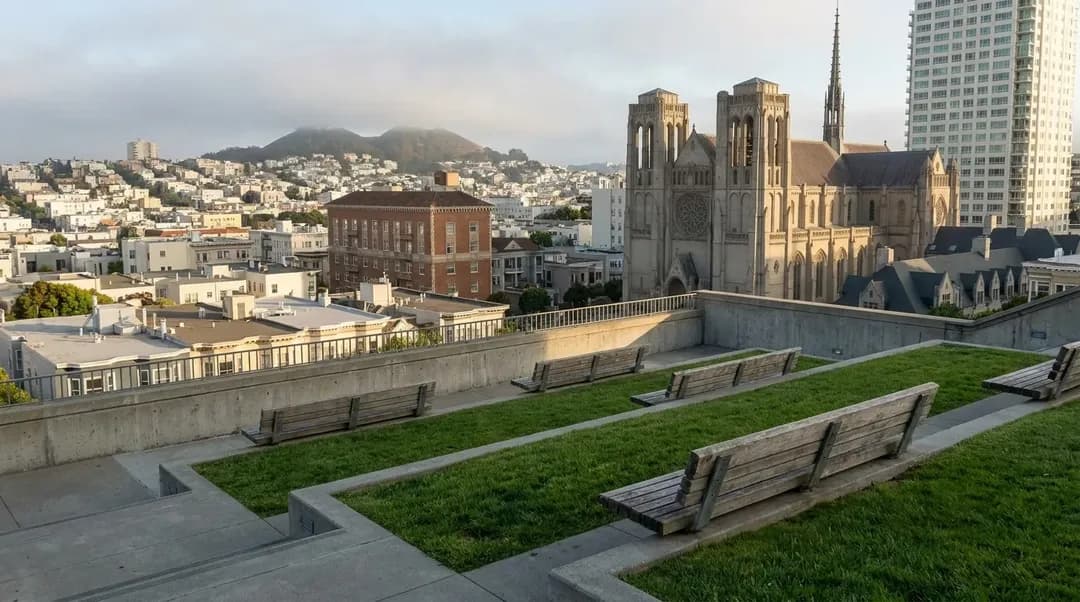
Start at the 24th Street BART and J-Church stop. The plaza outside has benches that get morning sun, and the surrounding block has three cafés within a two-minute radius if you need to grab something before the group commits to moving. From there, walk west on 24th toward Noe Street. This stretch is flat, the sidewalks are wide enough that you won't bottleneck, and the cross streets—Sanchez, Noe, Castro if you veer slightly north—offer clean sight lines if your Mutiny 2026 scenario involves any kind of landmark identification or photo verification.
At Noe Street, decide whether your group has the energy for elevation. If yes, turn south on Noe and climb toward 28th. The hill is real but short, and the payoff is Noe Courts, a small terraced park that almost no one outside the neighborhood uses. The upper tier has benches with a clear view west, and on days when the fog stays offshore, you can see all the way to Twin Peaks. It's a good spot to tackle a puzzle that needs quiet and a place to spread out a map or a printed clue sheet. If your group is not interested in stairs, stay on 24th and continue west to Diamond, where the street opens up and you have easy access to the small commercial block around Diamond Heights Boulevard.
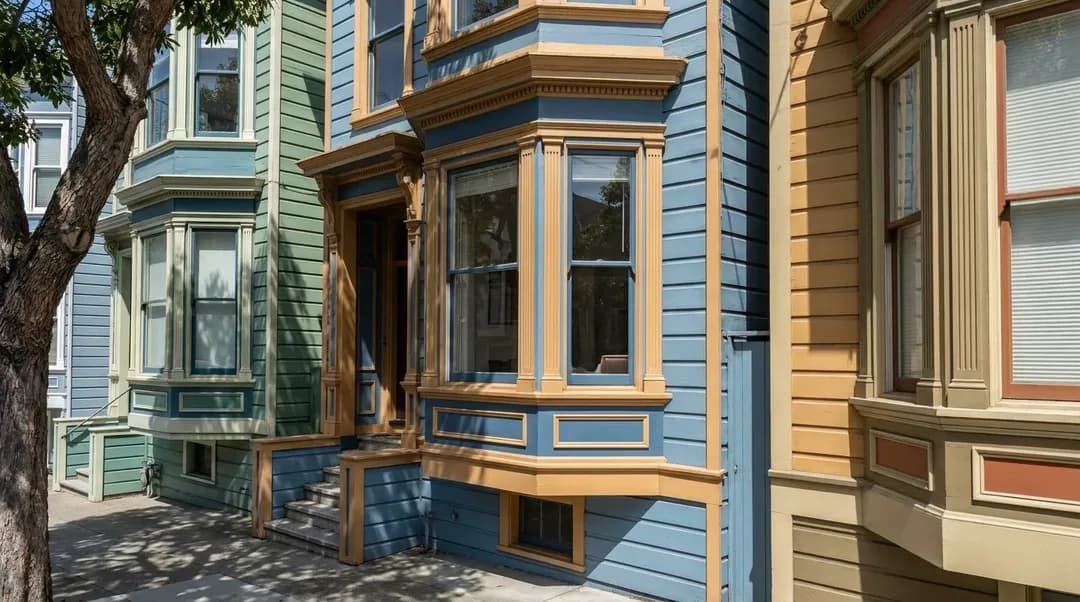
For a mid-route break, the parklet outside the library branch on Jersey between 24th and Elizabeth is underused and has a table setup that works for teams. The library itself keeps weekend hours, so if someone needs a bathroom or a water fountain, it's a reliable public option. From Jersey, loop back east on 24th or drop south to Clipper and walk the residential blocks toward Douglass. These streets are quiet enough that you can talk through Mutiny 2026 clues without competing with traffic noise, and the row houses give you plenty of architectural detail if the game asks you to count specific features or match styles.
The route ends back near Church Street, where you have multiple transit options—J-Church inbound, the 24 bus if you're heading west, or a walk north into the Castro if your group wants to extend the day. The whole loop is roughly two miles, takes ninety minutes if you're moving steadily, or three hours if you're stopping to solve puzzles and taking breaks. The key is that every segment has an easy exit: you're never more than a few blocks from a Muni line, and the grid means you can reroute without getting geographically trapped.
Who Should Skip This Plan
If your group thrives on chaos and wants the Mutiny 2026 experience to involve dodging tourists, navigating construction scaffolding, and improvising when a street suddenly dead-ends into a private staircase, Noe Valley will bore you. This neighborhood is too orderly. The blocks are clean, the infrastructure works, and there are very few opportunities for the kind of urban randomness that some teams treat as part of the challenge. If you want your puzzle walk to double as an adventure in city navigation, head to the Mission or SoMa, where the street grid breaks down and every third block has something unexpected happening.
Similarly, if your team is large—eight or more people—Noe Valley's sidewalks and café seating won't comfortably absorb you. The neighborhood is built for small groups, and once you exceed five or six, you start to become a logistical problem for everyone else trying to use the same benches and crosswalks. You'll have a better time in Golden Gate Park or along the Embarcadero, where the public space is wide enough that a big group doesn't create friction.
Finally, if you're planning this for a weeknight and your group won't start until after seven, be aware that Noe Valley's commercial spine quiets down early. Most cafés close by six, the restaurants that stay open are sit-down places that won't appreciate a team clustering outside to solve puzzles, and the residential streets get dark quickly once the streetlights come on. The neighborhood doesn't have the late-night energy of the Castro or the Mission, so if your Mutiny 2026 session is an evening plan, you'll need to adjust expectations or pick a different anchor.
What to Confirm Before You Commit
Check Muni's real-time service status the morning of your walk, especially if you're relying on the J-Church. The line runs reliably most days, but weekend maintenance and unannounced delays happen often enough that you don't want to assume your group will arrive on schedule. If the J is disrupted, the 24 bus is a slower but functional alternative, and the BART station at 24th and Mission is a ten-minute walk east if you need a guaranteed on-time anchor.
Verify that the library branch on Jersey is open if you're counting on it for bathrooms or water. Public library hours in San Francisco shift seasonally and sometimes mid-week without much notice, so don't assume weekend access. If it's closed, your next reliable public restroom is back on 24th Street near the commercial blocks, which means a five-minute detour if someone needs it mid-route.
Look at the weather, specifically the fog forecast. Noe Valley sits in a microclimate that's usually sunnier than the Sunset or the Richmond, but when the marine layer pushes inland, it arrives fast and drops the temperature by ten degrees in under an hour. If your Mutiny 2026 session is planned for late afternoon, bring a layer even if the morning looks clear. The wind is less of a problem here than it is on the hills to the west, but the residential cross streets can funnel gusts on certain blocks, especially near Douglass.
Finally, if your game requires any kind of photo submission or landmark verification, walk through the clue list in advance and make sure the locations are actually in or near Noe Valley. Some Mutiny 2026 scenarios are geographically flexible and let you adapt the targets to your chosen neighborhood; others are hard-coded to specific SF landmarks and won't make sense if you're trying to force them into a residential grid. If the clues don't translate, you'll spend half your time backtracking or debating whether to abandon the route, which defeats the purpose of picking a low-friction neighborhood in the first place.
Practical notes
- J-Church or 24 bus to 24th Street; BART to 24th/Mission is a ten-minute walk east
- The climb to Noe Courts is steep but short; stay on 24th if your group avoids hills
- Most cafés close by 6pm; plan daytime or early evening if you need indoor fallback options
- Fog can roll in quickly after 4pm even when the morning is clear; bring a layer
- Public restrooms at the library branch on Jersey (confirm hours) or commercial blocks on 24th
- The full loop is about two miles and takes 90 minutes without puzzle stops, three hours with breaks
Tags: #karpo #sanfrancisco #noevalley #mutiny2026 #neighborhoodguides #sfwalks #24thstreet #jchurch #sfneighborhoods #walkingsf #localknowledge #sfplanning #urbanwalks #sfexploration #citygames
Sources consulted: SF Muni real-time departures · San Francisco Public Library hours
All trademarks are the property of their respective owners.
Ask Karpo first
Text Karpo the morning of your walk to check which cafés on 24th still have open seating by the time your group plans to arrive, and whether the J-Church is running on time. It'll build a live route that adjusts if someone's late or the fog changes your timing, and it can flag a backup indoor spot if your team needs to regroup mid-puzzle.
Ask Karpo for more information.
Keep reading
- Best Trick or Treating Neighborhoods Near Me: West Portal
 Best Trick or Treating Neighborhoods Near Me: Noe Valley
 Best Trick or Treating Neighborhoods Near Me: Bernal Heights