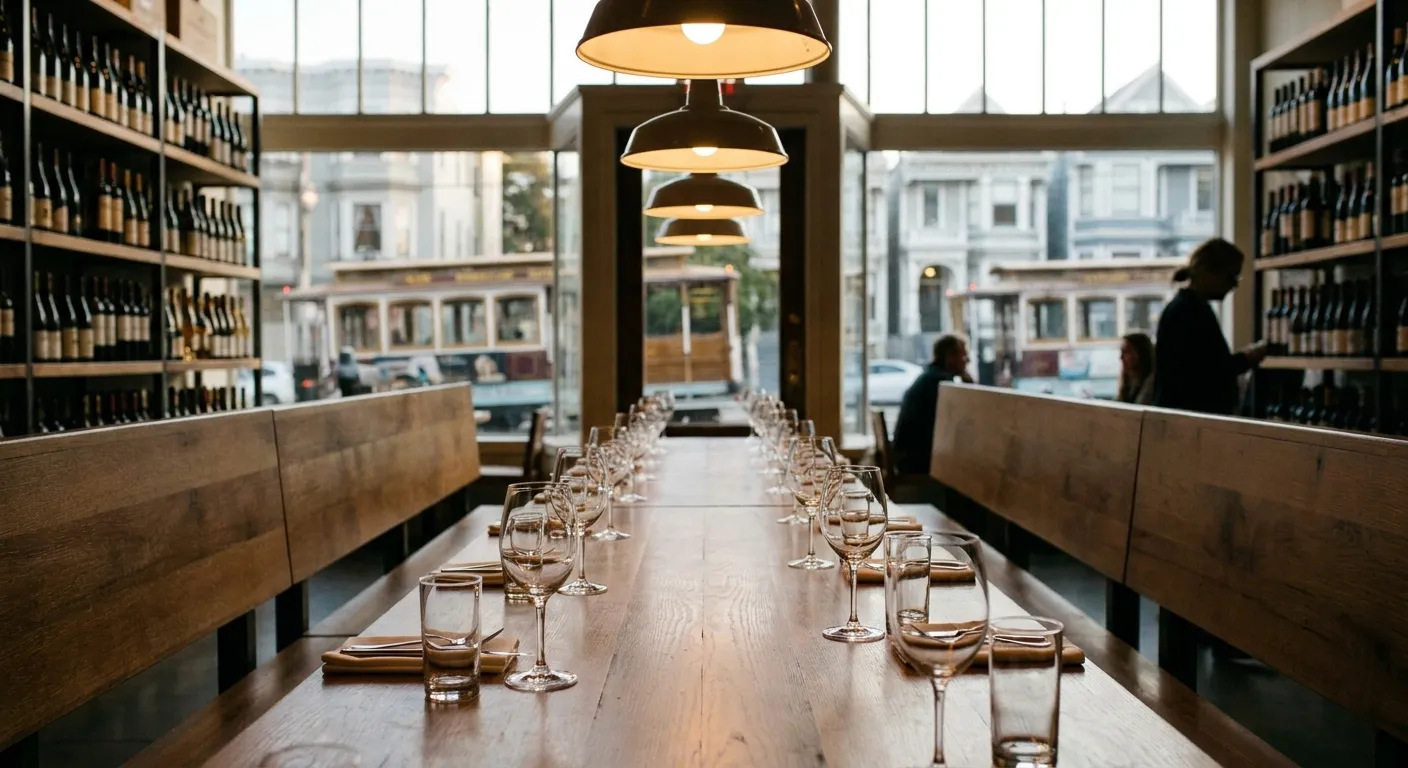
If your experience of live music in San Francisco is a Friday headline show with a thirty-five-dollar ticket and a queue for the toilets, you have been sampling the least interesting part of it. The weekend is when touring acts play to people who booked a month ago. The weeknights are when the city plays to itself, and the gap in quality runs the opposite way to what the pricing suggests.
Midweek bills rarely make it onto listing sites. Ask Karpo who is playing near you tonight and whether there is a cover.
Residencies are the backbone
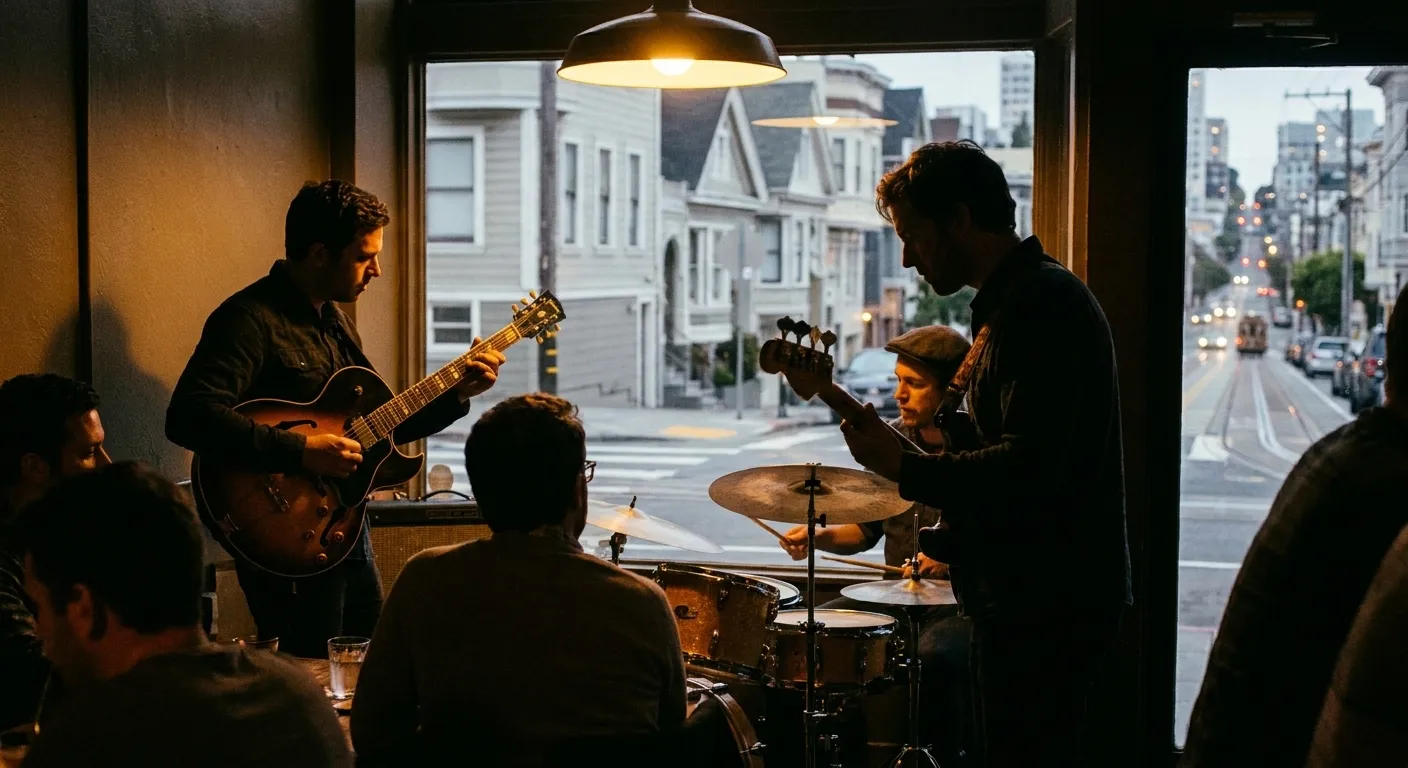
The most reliable thing in this city's music calendar is the weekly residency — a band or a rotating cast that holds the same night in the same room for months or years. These are almost never advertised, cost little or nothing, and are the closest thing San Francisco has to a guaranteed good evening. The players are frequently the same musicians you would pay properly to see in another configuration on a Saturday.
What makes residencies work is the low stakes. Nobody is promoting a record, the room is half locals, and the set is loose in a way a paid headline slot never is. The trade-off is that you cannot plan around a specific act — you are trusting the night rather than the lineup, which is a different and generally better way to use an evening.
Monday and Tuesday are underrated
Most people assume the early week is dead. In practice Monday is when the industry itself goes out, because it is the night most hospitality staff are off, and a handful of rooms programme specifically for that audience. Tuesday carries the jazz and experimental bookings that would not survive a weekend rent. Both nights are quiet enough that you can stand where you want and hear the room properly.
The practical advantage is scale. On a Tuesday you can see three sets across two venues within a few blocks and still be home by eleven, which on a Saturday would be a logistical project. Weeknight music here is a low-commitment activity rather than an event, and treating it that way is the entire trick.
Free is not a compromise
A large fraction of the best midweek music in San Francisco has no cover at all. Bar bookings, in-store sets at record shops, hotel-lobby jazz, church and community-hall concerts, and the various open sessions all run on a fixed weekly rhythm and cost nothing. The quality varies more than at a ticketed show, but the ceiling is surprisingly high, and the cost of a bad guess is one drink.
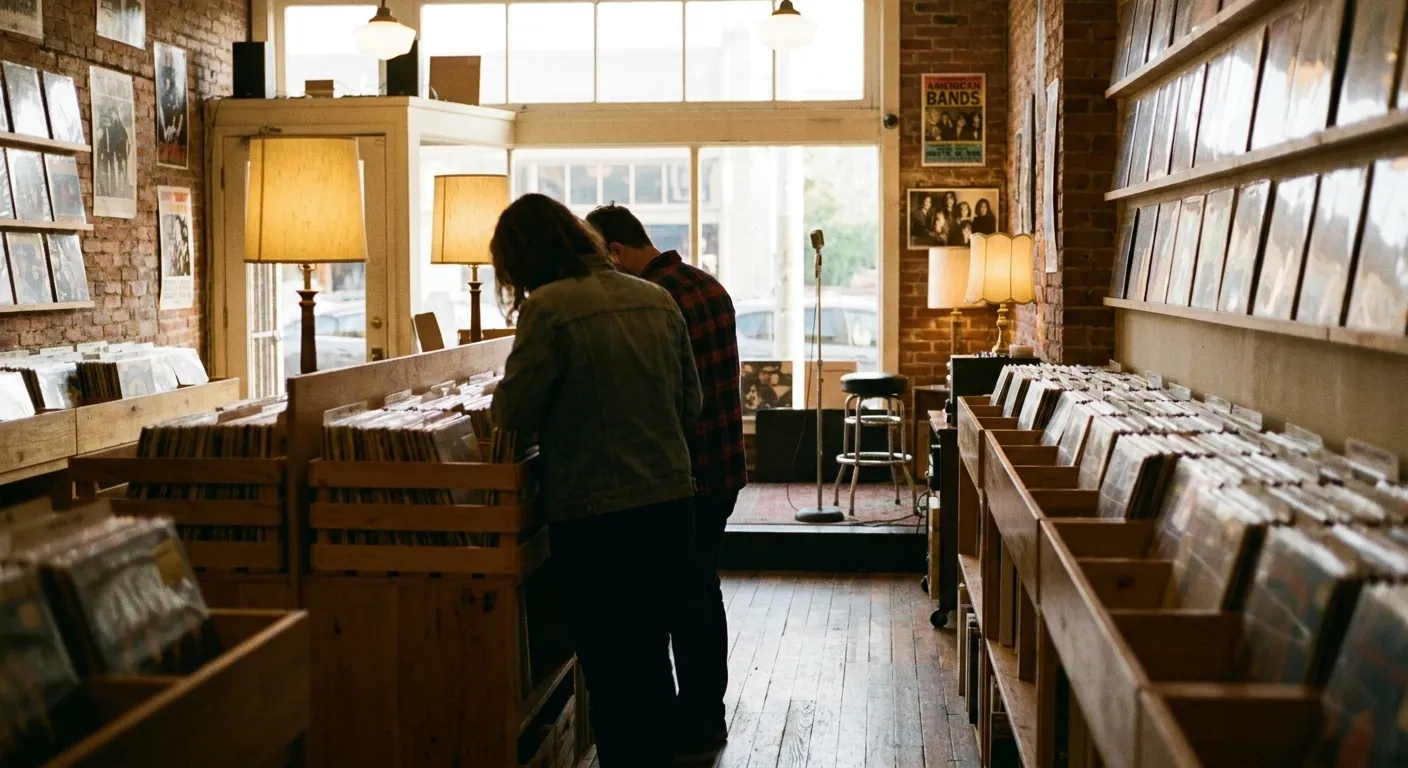
The record-shop in-stores are the most consistently overlooked. Touring bands play them on the afternoon of a sold-out evening show, which means a free thirty-minute set from an act whose actual gig you could not get into. These are announced days in advance on the shop's own channels and essentially nowhere else.
Door times run early and this matters more midweek
Weeknight shows in this city start early and end early, because the venues know their audience has work. A nine o'clock headline slot is normal and a ten o'clock one is late. The common failure is applying weekend habits to a Tuesday and arriving after the music has finished, which happens to people constantly and is entirely avoidable.
The upside of the early curfew is that a midweek show is compatible with dinner beforehand and a reasonable bedtime after, which is why locals actually go. Framing it as an after-work activity rather than a night out changes the calculation, and it is the reason the same person will see fifteen midweek shows and four weekend ones in a year.
Following bookers rather than venues
The most useful habit for anyone who wants more of this is to identify the handful of people who book the rooms you like and follow them directly. Promoters here work across multiple venues, and their taste is far more predictive of whether you will enjoy a night than the building is. This is how the people who always seem to know about things actually know about them; there is no secret listing.
Failing that, the neighbourhood approach works. The Mission, the Fillmore corridor, North Beach and a stretch of the Tenderloin each have enough small rooms within walking distance that turning up and choosing on the night is viable. That is a genuinely different way to spend an evening than buying a ticket in advance, and this city is unusually well set up for it.
What to expect from the rooms themselves
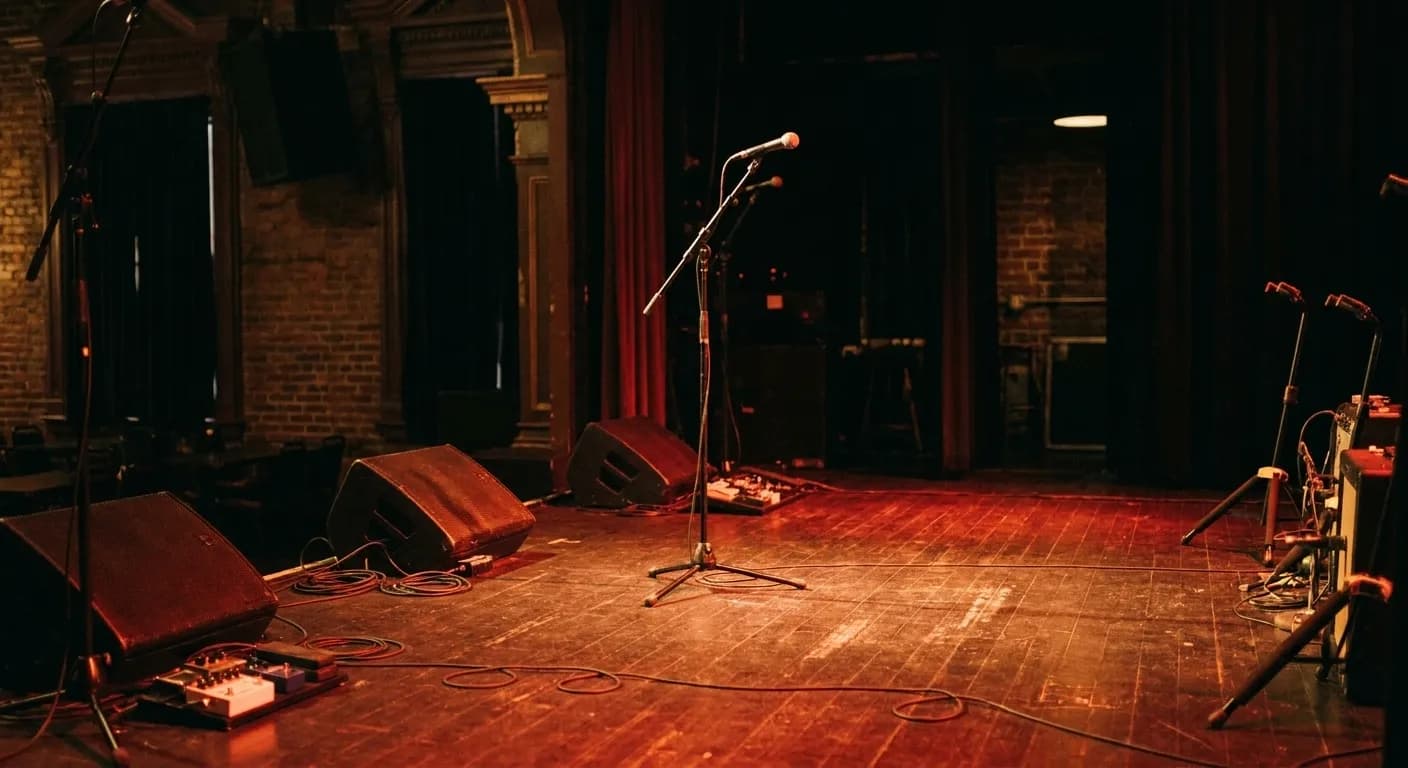
Small and often shabby. Many of the best midweek rooms in San Francisco are bars with a stage bolted into a corner, and the sound is whatever the bar can manage. That is part of the deal, and complaining about it slightly misses the point — you are getting proximity and spontaneity rather than fidelity.
The rooms where fidelity does matter tend to be the seated ones: the jazz clubs, the church spaces, the small halls. Those reward listening and punish talking, and turning up expecting a social night in one of them is the most common way to have a bad time and to give someone else one. Match the room to the mood before buying the ticket, not after. The bars will still be there at eleven, and the set will not.
One last practical note: a lot of these weeknight rooms are cash-only at the door even when the bar takes cards, and several take a cover that is not advertised anywhere in advance. Carrying twenty dollars in notes removes the only real friction in an otherwise frictionless way to spend an evening, and it is the difference between walking in and walking to a cash machine.
Tags: #SanFrancisco #LiveMusicSF #WeeknightGigs #SFVenues #Residency #JazzSF #FreeMusic #SFNightlife #MissionDistrict #NorthBeach #SocialSF #BayArea #ThingsToDoSF
All trademarks are the property of their respective owners.
Ask Karpo first
Ask Karpo who is playing near you in San Francisco tonight, what time the set starts, and whether the door is free.