 Delfina Friendsgiving Dinner in the Mission: $160 Bistecca
Restaurants
Jinya Ramen vs SF Ramen Row: Where the Broth Wins
Jinya Ramen sits on Potrero Hill while richer bowls wait in Japantown—here's how to decide where your night lands.
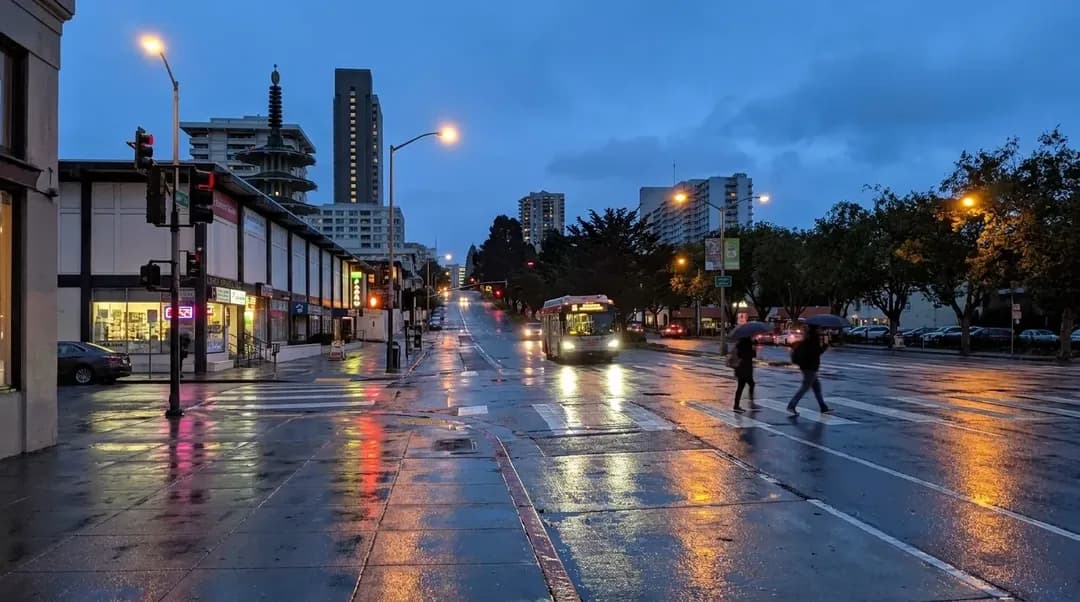
You're somewhere south of Market, it's 7 p.m., and you want ramen that doesn't taste like it came from a packet. Jinya Ramen Bar is up on Potrero Hill—close if you're already near the Dogpatch or on the 22 Fillmore line, but a climb if you're walking from anywhere flat. Meanwhile, Japantown's stretch of ramen counters—Hinodeya, Marufuku, the smaller spots tucked into the Kintetsu and Japan Center malls—sits three miles northwest, reachable by the 38 Geary or a transfer through Van Ness. Both zones deliver; the question is whether proximity or depth wins tonight.
Text Karpo now for live Muni timing to either spot, plus what's actually open if your first choice is slammed or closing early. It'll route you around the hills and give you a backup within ten blocks.
The hill between you and a good bowl
Jinya Ramen opened its San Francisco location knowing it would pull from the design-office lunch crowd and evening diners who don't want to board two buses for noodles. It's a chain, yes, but a reliable one: the tonkotsu is milky, the chashu comes pre-portioned, and the kitchen stays open past nine most nights. Japantown's ramen row, by contrast, is a cluster of small shops where chefs simmer pork bones for sixteen hours and close when the broth runs out—sometimes by 8:30 p.m. on a Tuesday. If you're deciding between the two, you're really deciding between guaranteed seating and the possibility of a better bowl if you time it right.
Jinya on Potrero: the known quantity
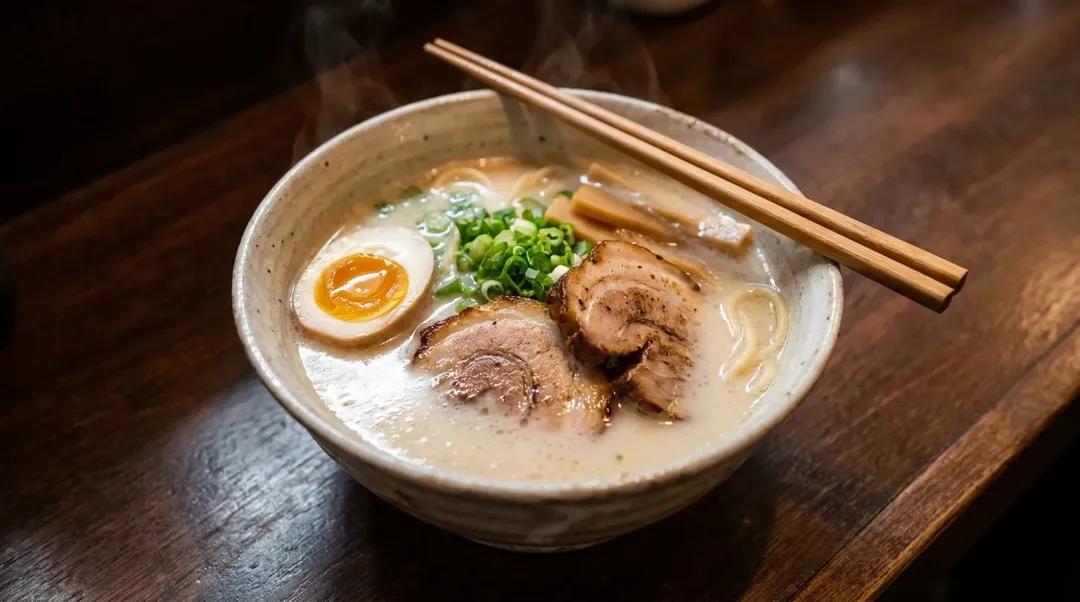
Jinya Ramen sits on 18th Street near the hill's commercial spine, a block west of the Connecticut Street bus stop. The dining room is dark wood and Edison bulbs, louder after seven when the after-work groups arrive. The tonkotsu broth here is creamy but not as fatty as what you'll find in Japantown; it's engineered for consistency across locations, which means it won't surprise you but also won't disappoint if you order the spicy version with extra garlic. The noodles have chew, the soft-boiled egg is correctly jammy, and the vegetable add-ons—corn, bok choy, bamboo—come in quantities that feel generous without crowding the bowl.
The advantage is operational: Jinya Ramen takes reservations through its own site, seats parties of six without drama, and keeps brewing until close. If you're coming from the Mission or Dogpatch, it's a fifteen-minute walk uphill or a short Muni ride that doesn't require a transfer. The wind on Potrero can be sharp after sunset, especially on the blocks above 17th Street, so if you're walking, bring a layer. Inside, the booth seating along the west wall is quieter than the bar-style counter near the kitchen, where you'll hear every ticket call.
The menu runs beyond ramen—pork buns, takoyaki, rice bowls—but the kitchen is faster when you stick to noodles. On weekends, expect a twenty-minute wait after 6:30 p.m. unless you've booked ahead. The location doesn't have its own parking lot, but there's usually metered street parking on 18th or along the residential blocks one street south. Confirm current hours on Jinya's own page before you leave, since holiday and staffing shifts sometimes trim the evening window.
Japantown's deeper ramen bench
Japantown's ramen corridor runs through the Japan Center East and Kintetsu malls and spills onto the blocks around Post and Geary. Marufuku on Webster draws the longest lines for its hakata-style tonkotsu, which is cloudier and richer than what Jinya pours. Hinodeya, tucked into the Kintetsu building, offers a shoyu base that's cleaner and more soy-forward, plus tsukemen if you want the noodles separate from the broth. Smaller counters like Waraku and Tanpopo sit in the Japan Center East food court; they close earlier—often by 8 p.m.—but the turnover is fast and the broths are made in-house daily.
The trade-off is logistics. Japantown sits in a transit trough: the 38 Geary runs frequently but crawls in evening traffic, and the 22 Fillmore requires a walk from the Fillmore corridor. If you're coming from downtown or the Mission, budget thirty-five minutes door-to-door. The neighborhood itself is compact and walkable, but the wind funnels hard down Geary after dark, and the plaza between the malls can feel empty once shops close. Street parking on the residential blocks north of Post is easier than the Japan Center garage, which fills on weekends.
Most of these spots don't take reservations; you add your name to a clipboard or a digital waitlist and hover near the door. Marufuku's line moves, but if you arrive after 7 p.m. on Friday or Saturday, expect forty minutes. Hinodeya and the food-court counters turn tables faster because the dining areas are smaller and the service is brisk. Check each shop's posted hours before you commit to the trip—some close between lunch and dinner, and a few shut down entirely on Mondays or Tuesdays.
What to eat or drink while you wait
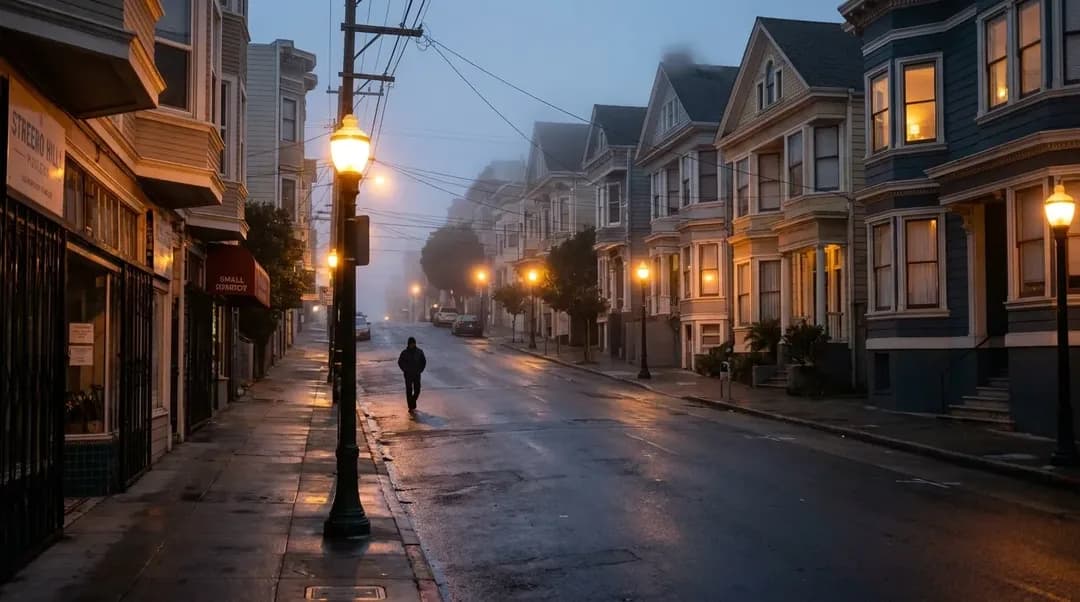
If you're at Jinya Ramen and there's a wait, the bar inside will pour Sapporo or sake, and the pork buns are a reasonable hold-over—two to an order, steamed, with a sweet-savory glaze. A block east on 18th, Potrero Hill's handful of wine bars and coffee shops stay open late enough to kill fifteen minutes, though none are particularly ramen-adjacent in vibe.
In Japantown, the wait is part of the ritual. Benkyodo on Buchanan sells mochi and manju if you want something sweet before noodles; it closes by 5 p.m. most days, so it's a pre-dinner stop only. Soko Hardware, a few doors down, has a small selection of Japanese snacks and drinks if you're browsing while your name climbs the list. Sophie's Crepes in the Kintetsu mall does a quick galette or sweet crepe, and the third-floor food court in Japan Center East has a bakery counter with curry buns and melon pan. If you're drinking, the izakayas on the east side of the plaza—Kui Shin Bo, Waraku's bar section—will serve you while you wait, though seating is limited.
How to leave without waiting for the check
Jinya Ramen runs a standard table-service model: your server brings the check, you pay at the table or the front counter, and you're out in five minutes if the system isn't jammed. Late on weekends, the line at the register can slow your exit, so if you're catching the last 22 Fillmore down the hill, signal for the check ten minutes before you need to leave. The bus stop on Connecticut at 18th is a short walk east; the 22 runs every fifteen to twenty minutes until about 11 p.m., then stretches to half-hourly.
In Japantown, many of the smaller counters operate on a pay-at-counter model: you settle up as soon as your bowl is done, which means no wait for the check. Marufuku and Hinodeya both use this system; you take your slip to the register near the door, pay, and you're outside in under two minutes. The 38 Geary stop is directly on Geary at Webster or Fillmore, depending on your direction; service runs frequently until midnight, though the bus can be crowded and slow between Japantown and downtown. If you're heading south or east, the walk to Van Ness for BART or other Muni lines is about ten minutes, mostly flat.
Check before you leave your neighborhood
Ramen kitchens run out of broth, staff call in sick, and holiday hours shift without much notice. Before you commit to either destination, verify what's actually open tonight. Jinya Ramen maintains a website with current hours and a reservation portal; check it the afternoon of your visit, especially if it's a Monday or Tuesday when staffing can be thinner. If the site shows limited availability or an early close, you'll know before you climb the hill.
For Japantown's independent shops, hours are less predictable. Marufuku posts updates on its own site and sometimes on Instagram when it's closing early due to broth depletion. Hinodeya's hours are printed on the door and occasionally shift for private events or maintenance. The smaller food-court counters in Japan Center East often close earlier than their posted times if foot traffic is light, so if you're arriving after 7:30 p.m., call ahead or check the mall's directory for same-day updates.
Weather affects both trips. Fog doesn't stop ramen, but wind and rain make the Potrero Hill walk miserable if you're underdressed, and Japantown's outdoor plaza is fully exposed. If it's blowing hard, factor in an extra layer and a realistic sense of how long you want to stand outside waiting for a table. Jinya's indoor wait area is heated; most of Japantown's counters have minimal or no interior waiting space, so you'll be on the sidewalk or in the mall corridor.
Practical notes
- Jinya Ramen on Potrero Hill takes reservations; Japantown's ramen row mostly doesn't—plan for a walk-up wait after 6:30 p.m.
- The 22 Fillmore reaches Potrero Hill; the 38 Geary serves Japantown but slows in evening traffic. Budget extra time for transfers.
- Japantown shops sometimes close early when broth runs out—verify hours the day of your visit, especially on weekdays.
- Wind hits both neighborhoods after dark; bring a jacket if you're walking or waiting outside.
- Street parking is easier than garage parking in both areas; check meters and residential permit zones.
- Most Japantown counters use pay-at-register systems for a faster exit; Jinya is table service with a front-counter option.
Tags: #karpo #jinyaramen #sanfranciscoramen #sframen #japantownsf #potrerohillsf #sfrestaurants #ramensf #sfnoodles #tonkotsusf #ramenbowl #sfmuni #sfeats #sanfranciscofood #jinyaramenbar
Sources consulted: Jinya Ramen Bar · Japan Center Malls · SF Muni Routes & Schedules
All trademarks are the property of their respective owners.
Ask Karpo first
Text Karpo before you leave and ask which Japantown ramen spots are open right now and what the wait looks like, or whether Jinya Ramen has seating available tonight. It'll give you a live Muni route to either destination and suggest a backup if your first choice is slammed or closing early.
Ask Karpo for more information.
Keep reading
- Delfina Friendsgiving Dinner in the Mission: $160 Bistecca
 Starbelly Friendsgiving Dinner in the Castro: Heated Patio
 Original Joe's Friendsgiving Dinner: Prime Rib by the Square