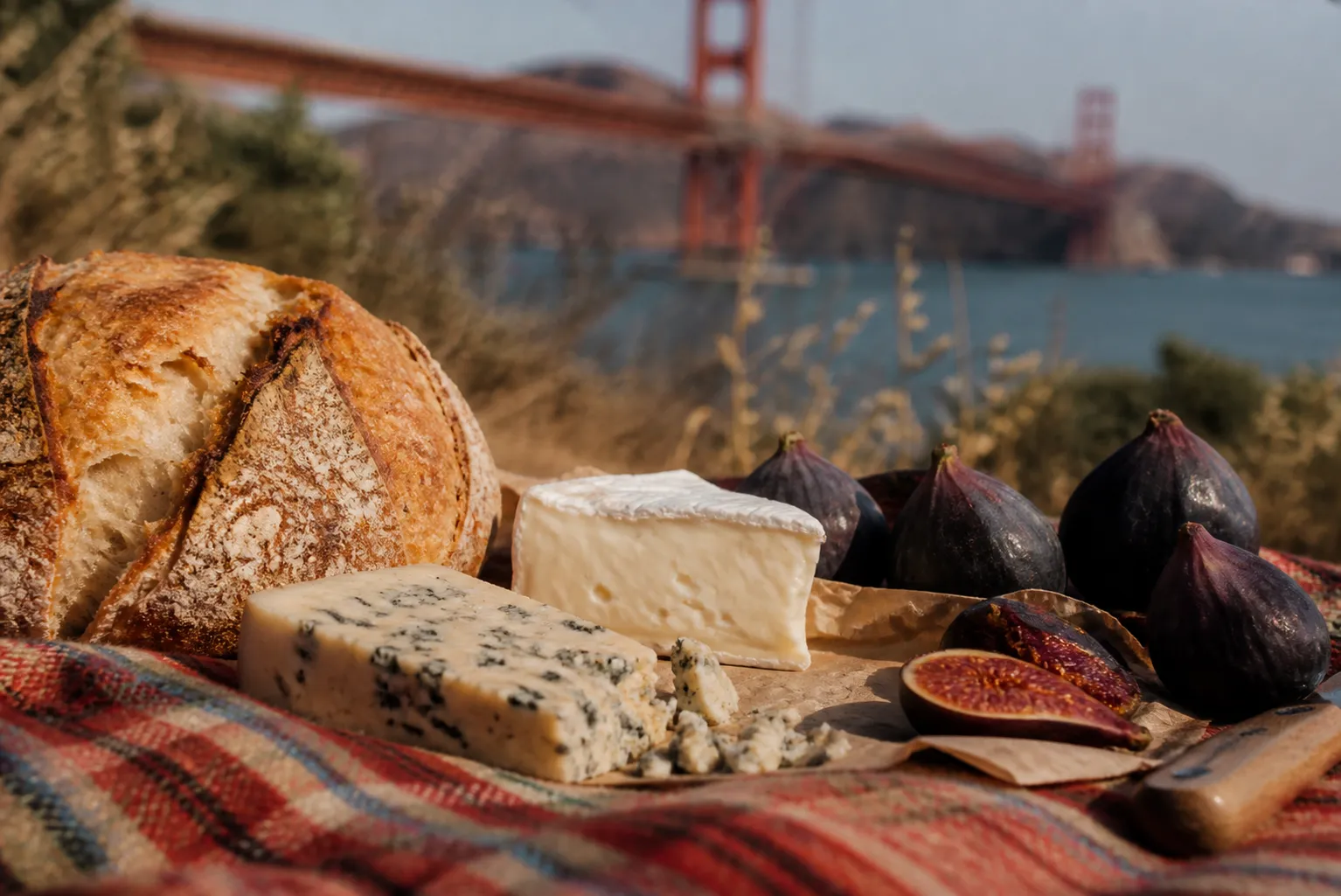
People searching for jackie and shadow are often arriving for the nest camera and staying because they have begun to notice birds. Around San Francisco, the practical next step is Hawk Hill in the Marin Headlands, above the Golden Gate. The summit is open to the public in daylight, the view reaches across the Bay Area, and autumn brings the region's strongest raptor-watching opportunity. The important details are less romantic but more useful: the public programme happens only on certain weekends, weather can erase the plan, and the final climb deserves a decision before setting out.
Message Karpo for a same-day read on the Hawk Hill plan, including the public programme schedule and a fallback route through San Francisco if conditions turn. You will get a live sequence around the named neighbourhoods rather than a static list.

The season is longer than the programme
The raptor migration season here runs mid-August to early December, so the season is already open before the free weekend programme starts in September. That distinction matters. A daylight visit outside the formal programme window can still be a migration outing, but it will not include the scheduled public interpretation at the summit. September and October are the months to choose when the talk itself is part of the reason for crossing the Golden Gate.
Hawk Hill is the best vantage in the Bay Area for the autumn movement, with open views from its position above the bridge. As many as 19 different raptor species can be seen from Hawk Hill in a single autumn, which is why one visit on a clear day beats several on marginal ones. The number describes the breadth of an entire fall season, not a promise for one noon. The better plan is to protect a clear-weather date and spend enough time looking rather than treating the summit as a quick scenic stop.
Noon means noon
The Golden Gate Raptor Observatory's public programme is free but narrow: noon on Saturdays and Sundays through September and October only, and rain or fog cancels it outright - which in this fog belt is a real risk, not a formality. Arriving at Hawk Hill on a weekday, late in the afternoon or during the broader migration season will not produce the same programme. The summit remains a daylight lookout, but the noon weekend window is the one to build around.
The Hawk Talk covers migration, identification and the observatory's long-term monitoring work. It gives first-time watchers a framework for reading the open sky rather than waiting for an obvious bird to pass directly overhead. There is no admission cost, reservation price or ticket tier to compare. The scarce resource is a workable combination of Saturday or Sunday, the fixed hour and weather clear enough for the programme to proceed.
The release is part of the talk
Partway through the noon Hawk Talk a banding volunteer carries up a hawk that has just been banded, explains the programme and releases the bird in front of the group - the part people do not know is scheduled. It is not an extra event posted for another time, and leaving after the opening explanation means missing it. Allow the talk to unfold rather than planning a brief appearance at noon followed by an immediate walk back down.
The release also connects the broad spectacle of migration to the observatory's monitoring work. From the summit, distant movement can feel abstract, especially for someone whose recent birdwatching has happened through a nest camera. Seeing a newly banded hawk at close range, hearing what the banding programme does and then watching the bird return to open air makes the fieldwork legible without turning the outing into a formal class.
Choose the climb before carrying gear
There are two ways up Hawk Hill and they are not equivalent: a 0.15-mile route that is steep, and a 0.25-mile path that is longer but far gentler - worth knowing before you carry a scope up the short one. Both routes finish at the same summit. The distance difference is small on paper, but the grade changes the experience for anyone carrying equipment or walking with someone who cannot comfortably take the steeper approach.
Make that choice at the start rather than defaulting to the shortest line. The gentler quarter-mile path trades a little distance for an easier ascent; the 0.15-mile option compresses the climb. Since the point of the trip is to spend time watching from the top, conserving effort can be the sensible decision. Hawk Hill is publicly accessible in daylight, but the existence of a gentler route should not be read as a claim that every mobility need is covered.
Three city-side alternatives
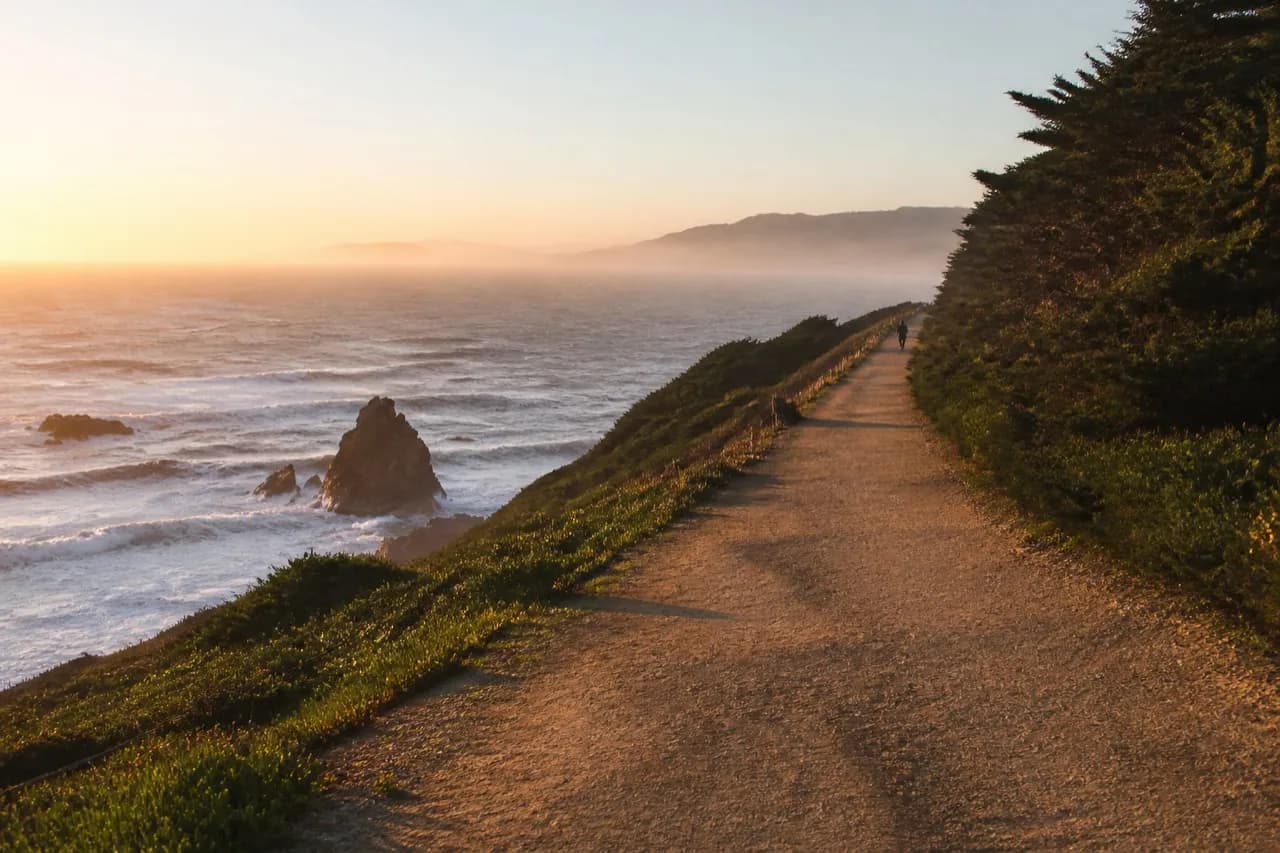
Lands End, in the northwest corner of San Francisco, is the direct city-side fallback when the Headlands are fogged in or bridge traffic makes the crossing pointless. Its coastal bluff trail has open sky and sea, keeping the outing oriented toward observation even when the noon programme is no longer realistic. It is a daylight alternative, not a replacement Hawk Talk, and there is no scheduled banding release attached to it.
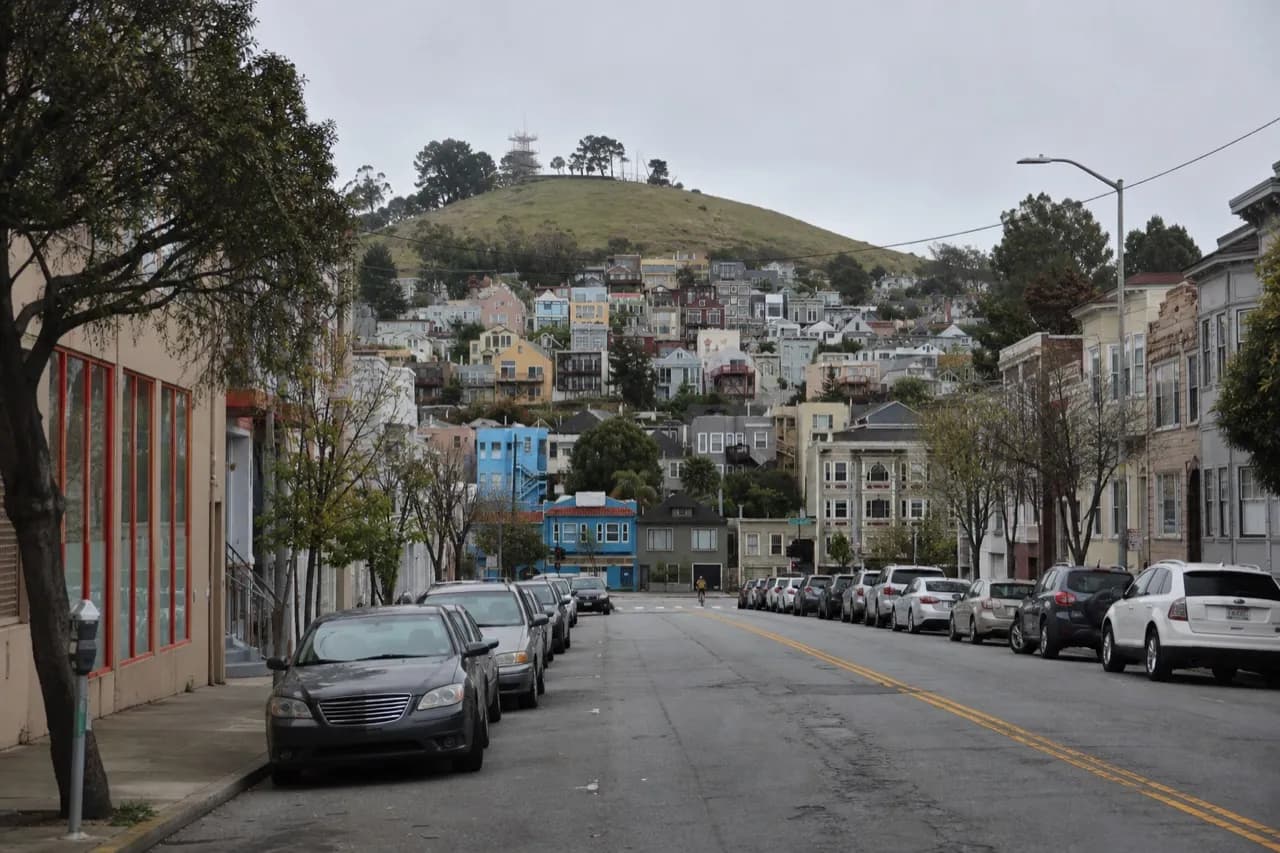
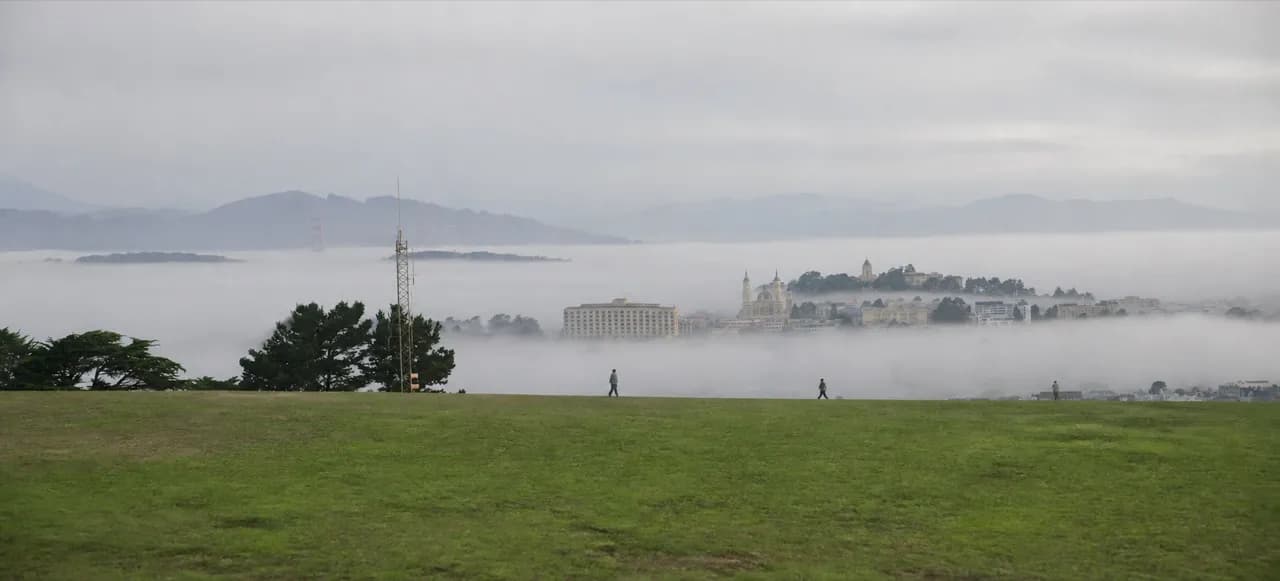
Twin Peaks offers a different kind of lookout from its open hilltop in central San Francisco. It has a full-horizon view over the city and is the highest easy vantage inside city limits for watching resident hawks work the ridge, though it is not a migration corridor. Bernal Heights Park is the smaller neighbourhood answer: a bare grassy hilltop with clear sightlines in every direction, close enough to make birdwatching a morning walk rather than an expedition.
Practical notes
- Hawk Hill is in the Marin Headlands above the Golden Gate; bridge traffic can make a city-side fallback more practical.
- The free Hawk Talk begins at noon on Saturdays and Sundays in September and October.
- Rain or fog cancels the public programme outright, so treat weather as a deciding condition.
- For the summit, choose between the steep 0.15-mile route and the gentler 0.25-mile path before carrying a scope uphill.
- The summit and all three San Francisco alternatives are daylight destinations.
- Lands End is the in-city backup for a fogged-in Headlands plan; Twin Peaks and Bernal Heights Park suit resident-hawk watching.
- No booking policy is stated; the programme's confirmed cost is free, while its fixed schedule and weather limits still apply.
Tags: #sanfrancisco #sf #birding #raptors #hawkhill #marinheadlands #goldengate #landsend #twinpeaks #bernalheights #freeactivities #birdwatching #hawk migration
Sources consulted: parksconservancy.org · parksconservancy.org · onetam.org · en.wikipedia.org
All trademarks are the property of their respective owners.
Ask Karpo first
Before leaving San Francisco, ask Karpo what is actually open to the public and whether the fixed noon Hawk Talk still fits the day. Karpo can time a Saturday or Sunday arrival at Hawk Hill during September or October, account for the two summit approaches, and build a live route around Lands End, Twin Peaks or Bernal Heights when fog, rain or bridge traffic changes the Marin Headlands plan.