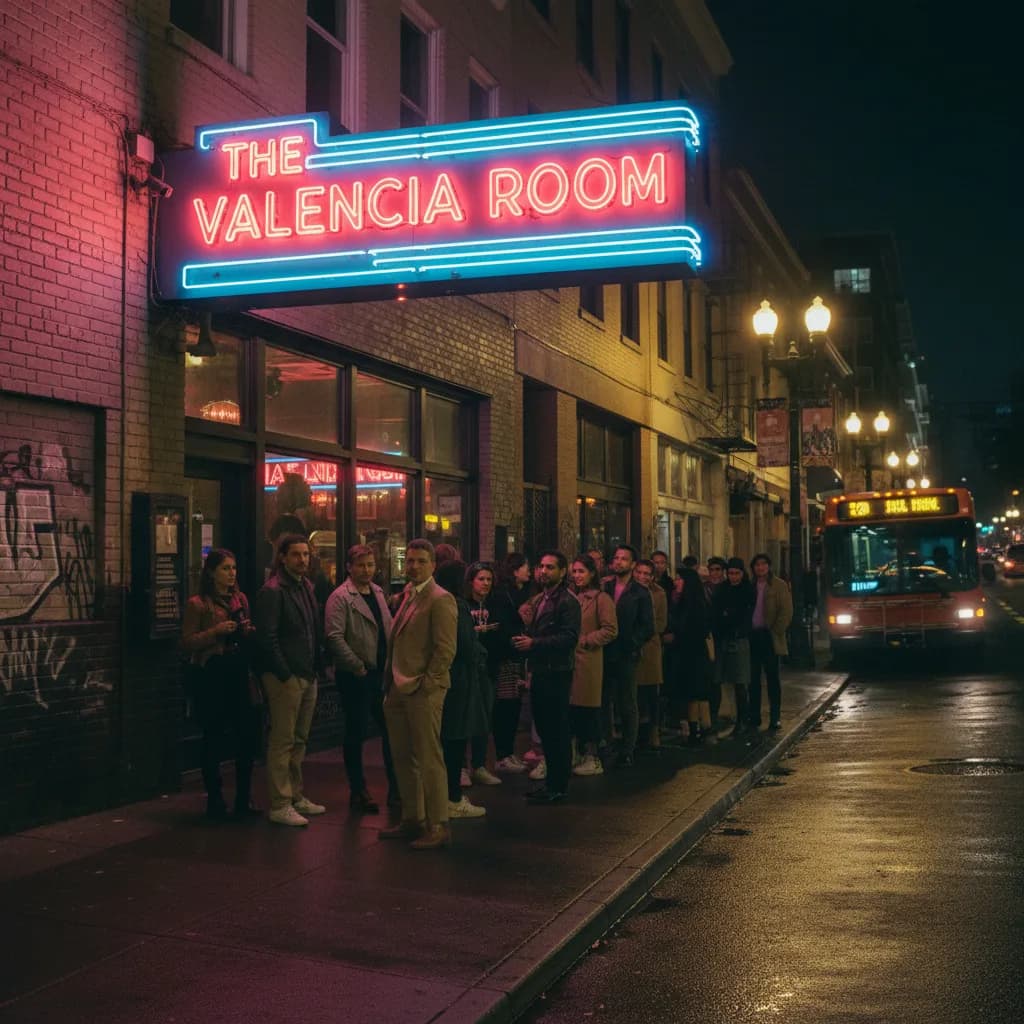
 Mission Concerts: The Valencia Room's Pulsating Beat on Valencia Street
Bars & Nights Out
idaho shooting Verification Plan Before San Francisco Nights Out
A San Francisco evening plan for checking verified shooting updates, transit advisories, and calmer backup stops before meeting friends.
San Franciscans seeing the idaho shooting trend before evening plans need a practical filter, not a rumor chase. As of Thursday, August 6, 2026, reputable reporting places the deadly incident in Twin Falls, Idaho, while San Francisco-specific decisions should still run through local alerts, transit status, and the comfort level of everyone going out. The Main Library at 100 Larkin Street is a useful Civic Center anchor because it is public, central, transit-served, and listed by SFPL as open until 8 p.m. on Thursdays. Use it as a calm checkpoint before bars, dinner, or the choice to head home.
Want a faster San Francisco read before leaving? Text Karpo for a city-specific check on official alerts, BART status, and low-stress backup routes near your evening plan.
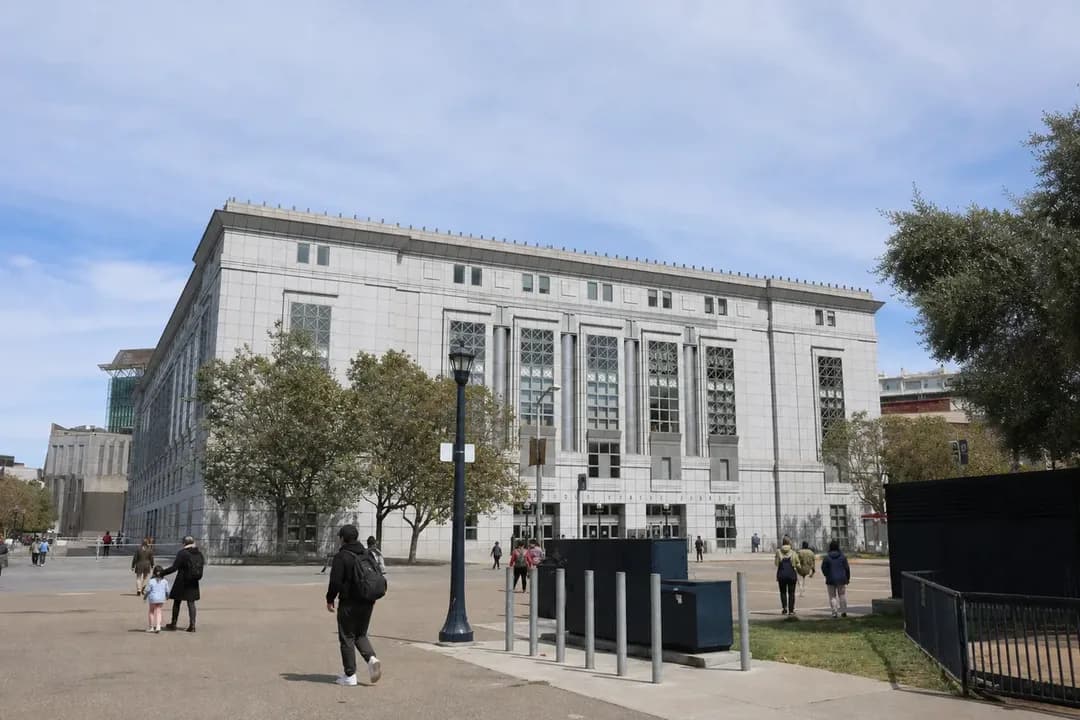
San Francisco Public Library Main Library at 100 Larkin Street
Start with a public place where nobody has to commit to a full night out. SFPL lists the Main Library at 100 Larkin Street, with Thursday hours shown as 9 a.m. to 8 p.m., making it a practical meeting point before Civic Center, Hayes Valley, the Tenderloin edge, or Market Street plans. If your group feels rattled by national breaking news, meet inside first, compare verified information, and decide together whether the evening still makes sense.
The tradeoff is that a library is a checkpoint, not a nightlife destination. It works best for friends who need Wi-Fi, restrooms, seating, and a calmer tone before choosing a bar or transit route. Confirm the day’s SFPL page before relying on hours, because closures, special events, or building notices can change. If the library is closed or too crowded, move the decision point to a staffed transit station area or another well-lit public lobby nearby.
AlertSF Text Signup From Your San Francisco ZIP Code
For San Francisco conditions, give priority to local official alert channels over viral reposts about another state. SF.gov says residents and visitors can sign up for AlertSF by texting a ZIP code to 888-777 or using AlertSF.org. That matters because a distant shooting does not automatically say anything about streets around your bar, venue, or transit stop. Your go-or-pause decision should be based on local warnings, not the emotional intensity of national feeds.
A useful failure mode is silence. No AlertSF message is not a guarantee that every block feels comfortable, and alerts may omit useful timing or full context. Treat AlertSF as the first gate, then cross-check transit advisories and venue communications. If friends are split, set a rule before leaving: one verified local alert affecting your route changes the plan, one unverified post does not. That rule keeps the conversation from becoming a scrolling contest.
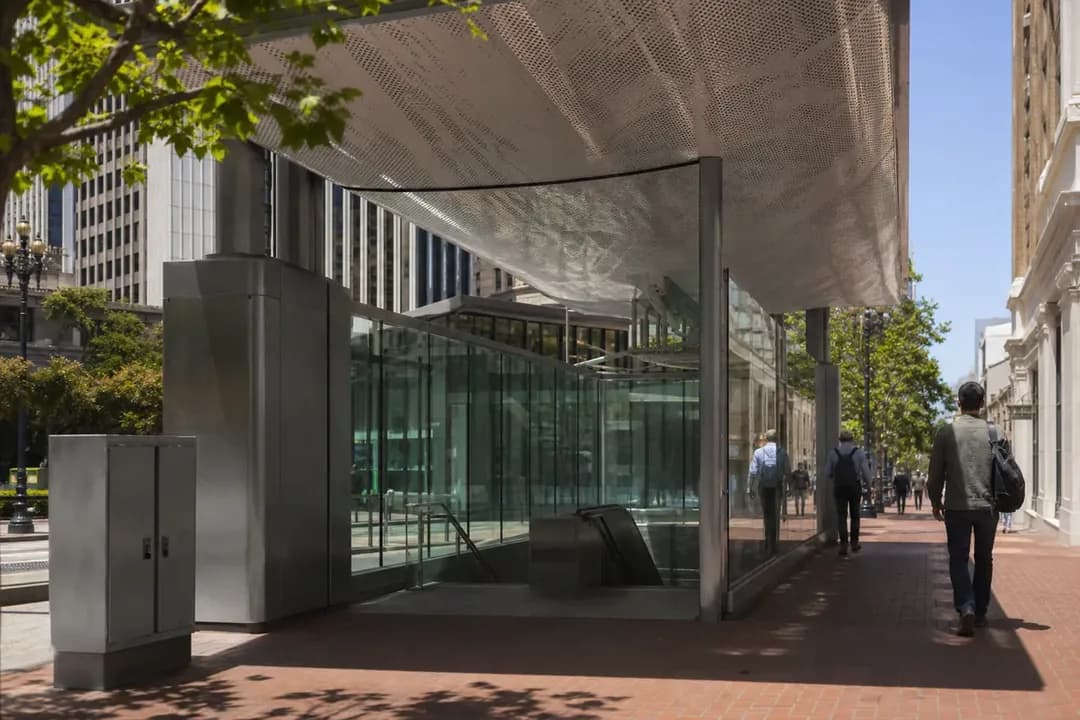
Civic Center / UN Plaza BART Entrance on Market Street
BART lists Civic Center / UN Plaza Station at 1150 Market Street, close to City Hall, the Asian Art Museum, performance venues, and the Main Library. For a cautious evening, that station is useful because it gives several regional exit options without requiring a late walk across town. Check the station page for current entrances, elevator notes, and connecting transit before you pick it as your meetup point, especially if anyone uses mobility equipment.
Accessibility deserves its own decision point. BART notes that two different elevators are needed to travel between street level and trains at Civic Center / UN Plaza, and the station page directs riders to elevator and station-agent information. If an elevator, escalator, or entrance is out of service, do not improvise under time pressure. Shift to Powell, Van Ness Muni, a rideshare pickup at a clearer curb, or a closer neighborhood plan that avoids extra transfers.
BART Advisories Before Crossing the Bay After 9 p.m.
Even if the news concern is not local, transit reliability can still make or break the night. BART’s advisories page is the right source for current delays, planned work, escalator status, and elevator outages. On August 6, 2026, any late plan should be checked against that live page before friends board from Oakland, Berkeley, Daly City, or the Peninsula. A calm evening plan includes the ride home, not only the first stop.
The pacing rule is simple: check BART before leaving, again before ordering a second round, and once more before the final transfer. If advisories mention delays or bus bridges, shrink the night geographically instead of betting on a complicated return. For groups with different tolerance levels, choose a venue near each person’s most direct line. The best backup is not dramatic; it is the route that still works when service gets slower.
SF Fire 911 and 311 Choices for Immediate Safety
SF Fire’s official site puts the basic split plainly: call or text 911 for emergencies, and call 311 for non-emergency safety concerns. That distinction is important when people are anxious after reading about violence elsewhere. If there is an immediate threat, injury, fire, or active danger in San Francisco, use 911. If the issue is lighting, a blocked sidewalk, a welfare concern without immediate danger, or a general city service problem, 311 is the better channel.
Do not use nightlife group chats as a substitute for emergency reporting. One person should make the call, another should help the group move to a safer public place, and nobody needs to record or approach a scene. If the concern turns out to be a rumor, that is still a useful result: you have avoided amplifying it and kept official lines available for real emergencies. Calm behavior is part of the safety plan.
Hayes Valley, Mission, or North Beach Backup Plan
Pick the neighborhood after verification, not before. Hayes Valley works for seated drinks and easy Civic Center access; the Mission offers more late options but may require longer walks between stops; North Beach can be better for compact groups already north of Market. Avoid inventing certainty about venue hours, cover charges, door policies, or kitchen times. Check each venue’s own site or latest social post before making it the anchor.
The audience fit matters. Friends who feel cautious may prefer one well-lit, transit-adjacent stop and an early exit. Friends who are comfortable continuing might still agree to avoid crowded sidewalk hopping and keep the group together. If nobody can confirm the basics, choose a shorter plan: one drink, one meal, or a direct ride home. A good backup plan reduces friction without pretending that every person processes breaking news the same way.
Final Five-Minute Verification Action at the Door
Before stepping into the fog, take five minutes at the door. Open the AP or another reputable national report for the Idaho facts, then open AlertSF, SFPD’s news archive or media page, BART advisories, and the venue’s own page for San Francisco-specific conditions. Say out loud what is confirmed, what is unrelated, and what remains unknown. That short ritual turns anxiety into a shared decision rather than a private spiral.
If any key fact cannot be confirmed, make that uncertainty part of the plan. You can still go out, but lower the complexity: fewer stops, clearer exits, no long unplanned walks, and a check-in before the ride home. If a local official alert affects your route or neighborhood, postpone or move. The final verification action is not to keep searching forever; it is to decide using sources strong enough to act on.
Tags: #SanFrancisco #SFnights #CivicCenter #AlertSF #BART #SFPL #MainLibrary #NightlifeSafety #MediaLiteracy #BreakingNews #TransitCheck #FriendsNightOut #AskKarpo #BeforeYouGo
Sources consulted: Source 1: apnews.com · Source 2: sfpl.org · Source 3: bart.gov · Source 4: bart.gov · Source 5: sf-fire.org · Source 6: sf.gov
All trademarks are the property of their respective owners.
Ask Karpo first
Tell Karpo your date, group size, budget, and starting point. We’ll check current access, timing, transit, and the cleanest San Francisco plan for San Francisco Public Library Main Library before you head out.
Ask Karpo for more information.
Keep reading
- Mission Concerts: The Valencia Room's Pulsating Beat on Valencia Street
 Happy Hour Near Me in Union Square: Pacific Cocktail Haven’s Inventive Elixirs
 Bourbon & Branch Tenderloin: Happy Hour Near Me, a Speakeasy Sanctuary