 Best Trick or Treating Neighborhoods Near Me: West Portal
Neighborhood Guides
Planning a Humboldt County Fair Rodeo Horses Trip Without Missing San Francisco's Own Rhythm
A Noe Valley walk that keeps you grounded before the drive north, built around what actually stays open late and what closes early.
You're heading north for the Humboldt County Fair rodeo horses, probably leaving early the next morning, and the instinct is to kill time near your car or your hotel. That turns San Francisco into a waiting room. The better move is to spend the evening in a neighborhood that has its own internal logic—one that doesn't require you to fight transit transfers or guess which kitchen is still taking orders at nine. Noe Valley works because it's compact, the streets are walkable even as fog thickens, and the commercial spine along 24th Street has enough density that you can adjust on the fly without losing an hour to a closed door.
Text Karpo now for a live route that accounts for kitchen closures, current Muni timing, and a real backup if fog rolls in before you're ready to leave the city.
The mistake is treating the city like a departure lounge
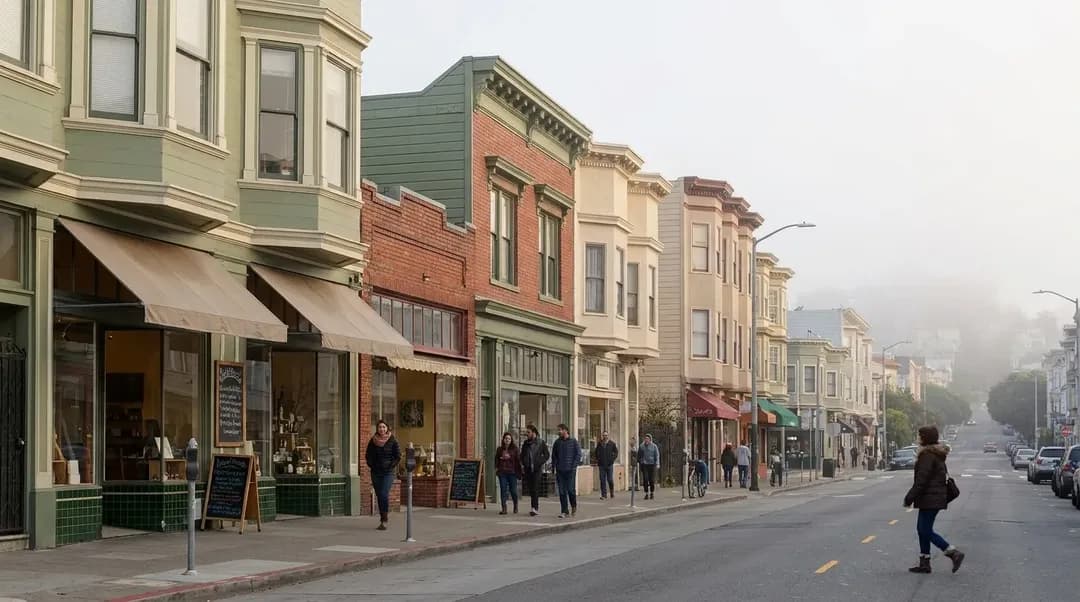
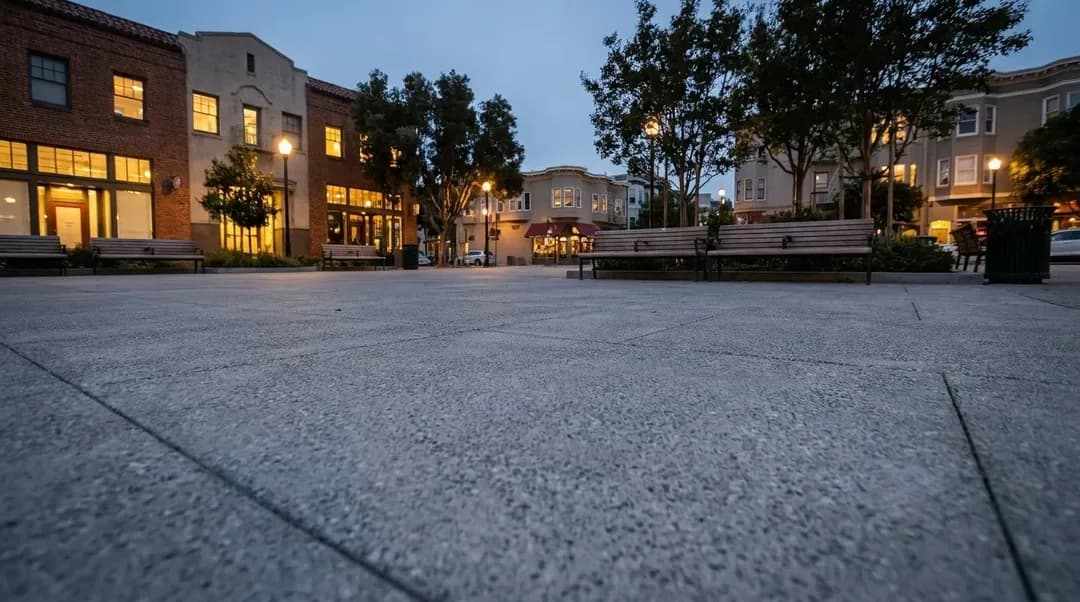
Start at the Noe Valley Town Square, the public plaza at 3861 24th Street where the old farmers' market shed used to be. It's a small, paved space with benches and usually a few people sitting with coffee or waiting for friends. The light here in late afternoon is soft and indirect, filtered by the buildings on either side, and the square functions as a natural anchor—you can leave bags on a bench if you need to duck into a shop, and it's flat, which matters after a day of San Francisco hills. From here, walk west on 24th toward Church Street. The sidewalks are wide enough that you're not constantly stepping into the street, and the storefronts change every half-block: a bookstore, a bakery, a wine shop with a chalkboard out front.
The Humboldt County Fair rodeo horses draw people who care about working animals, rural skill, and the specific culture of the North Coast. That sensibility doesn't map directly onto San Francisco, but it does show up in pockets—places where the transaction is straightforward, where the person behind the counter knows the product, where the room isn't trying to be anything other than what it is. On 24th Street, that means the butcher at Drewes Brothers, which has been there since the 1880s, or the hardware store that still sells individual screws by weight. These aren't tourist stops; they're infrastructure for people who live here. If you're thinking about the Humboldt County Fair rodeo horses, you're probably someone who notices when a business has been in the same family for decades, or when a shopkeeper can tell you which cut of meat to use for a specific recipe without looking it up.
A loop that holds up even when plans shift
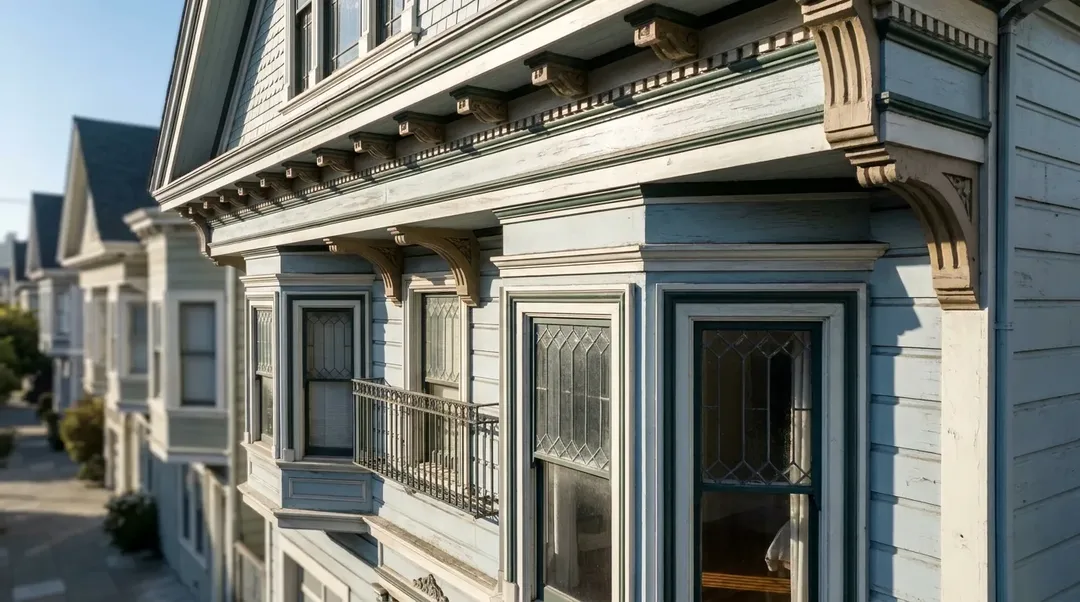
From 24th and Church, walk south on Church toward 30th Street. This stretch climbs gently, and the houses on either side are a mix of Edwardian facades and stucco bungalows with front gardens that spill onto the sidewalk. The hill isn't steep enough to slow you down, but it's enough that you feel the grade. At 30th, turn left and walk toward Diamond Street. This block is quieter—more residential, fewer storefronts—and the light changes as the sun drops behind the ridge to the west. The fog usually starts to press in around this time, softening the edges of the buildings and turning the air cooler by five or ten degrees.
At Diamond, turn north and walk back toward 24th. Diamond Street has a different character than Church: narrower, less commercial, with corner groceries and small cafes that close by seven. The sidewalk on the east side catches the last direct sun, and if you're walking in late spring or summer, the front steps of the houses are warm enough to sit on for a few minutes. This is the part of the walk where you're not aiming for anything specific—you're just moving through a neighborhood that functions without needing to announce itself. If you're planning to see the Humboldt County Fair rodeo horses the next day, this kind of evening is useful. It's a way to be in a city without the city demanding anything from you.
When you reach 24th and Diamond, you're back in the commercial stretch. The bakery at Noe Valley Bakery often has a line until closing, and the smell of bread carries half a block. The pizza place next door posts its closing time on the window, and it's worth checking before you assume they're open—San Francisco kitchens close earlier than you expect, especially on weeknights. If you need to eat before the drive north, this is the block to do it. The tables are small, the turnover is quick, and the food is straightforward. You're not going to get a long, lingering meal here, but that's not what you're after.
This walk is not built for a group itinerary
If you're traveling with people who need a fixed schedule, who want to know exactly where you'll be at seven-thirty, this route won't work. Noe Valley doesn't have landmarks that pin you to a specific time. There's no museum closing at six, no reservation that holds a table. The walk depends on being able to stop when something looks interesting and keep moving when it doesn't. That flexibility is the whole point, but it also means the walk falls apart if someone in your group is checking their watch every ten minutes.
It's also not the right plan if you're trying to see the Humboldt County Fair rodeo horses and then do something high-energy in the city afterward. The fair is a five-hour drive from San Francisco, and if you're leaving early, you need an evening that winds down naturally, not one that builds toward a late-night finish. Noe Valley gives you that—streets that empty out by ten, cafes that close by nine, a rhythm that slows as the fog comes in. If you're looking for live music or a bar scene, you're better off in the Mission or the Haight. This is a neighborhood for people who are done with their day and need a place to be done in.
The walk also assumes you're comfortable with quiet. There are stretches on Diamond Street where you won't pass another person for two or three blocks, and the only sound is the wind moving through the trees and the occasional car passing. If that kind of silence makes you uneasy, or if you're someone who needs constant activity to feel like you're doing something, this route will feel empty. But if you're thinking about the Humboldt County Fair rodeo horses—if you're someone who can watch animals work for hours without needing commentary—then the quiet is probably fine.
What to confirm before you leave your starting point
Check the Muni J-Church schedule if you're planning to take transit to Noe Valley. The line runs frequently during the day, but service thins out after eight, and the last train can leave you with a forty-minute wait if you miss it. The 24 bus is a backup, but it stops running earlier than the J, so don't count on it after nine-thirty. If you're driving, street parking on 24th is metered until six, then free, but the side streets fill up by seven. The lot at the Whole Foods on 24th and Dolores is an option, but check the posted hours—it closes to non-customers after the store shuts down.
The weather in Noe Valley is milder than the western neighborhoods, but the wind still picks up in the evening, especially on the cross streets that run east-west. Bring a jacket even if it's warm when you start. The fog doesn't always reach this far inland, but when it does, the temperature drops fast, and the moisture in the air makes everything feel colder than the thermometer says. If you're planning to sit outside at a cafe or on a bench in the Town Square, assume you'll need an extra layer by the time the sun sets.
For the Humboldt County Fair rodeo horses themselves, confirm the event schedule before you leave San Francisco. The fair runs for a limited window each summer, and the rodeo events are usually concentrated over a weekend. The Humboldt County Fairgrounds post the schedule on their official site, and it's worth checking for any weather delays or changes. The drive north on Highway 101 is straightforward, but it's rural once you pass Ukiah, and cell service gets spotty. Download maps and directions before you leave the city, and plan for gas stops—there are long stretches with no services.
If you're thinking about the Humboldt County Fair rodeo horses as part of a larger trip to the North Coast, Noe Valley is a good place to pick up supplies. The wine shop on 24th has a decent selection of local bottles, and the bakery sells loaves that travel well. The hardware store carries basics like rope, tarps, and batteries if you're planning to camp. These aren't things you'll find easily once you're past Santa Rosa, and the prices in San Francisco are comparable to what you'd pay at a rural general store, so there's no reason to wait.
Practical notes
- Muni J-Church runs to 24th and Church; service thins after 8 p.m., check the schedule for last trains
- Street parking on 24th is free after 6 p.m., but side streets fill up by 7 p.m. on weeknights
- Bring a jacket—wind picks up after sunset, and fog can roll in quickly even in summer
- Most cafes and kitchens close by 9 p.m.; confirm hours before assuming a place is open for dinner
- Humboldt County Fair rodeo horses run on a limited summer schedule; check the fairgrounds' official site for current dates
- Cell service is spotty north of Ukiah; download maps and directions before leaving San Francisco
Tags: #karpo #sanfrancisco #noevalley #neighborhoodwalk #humboldtcountyfair #rodeohorses #northcoast #sfneighborhoods #24thstreet #walkingsf #sflocal #quietwalks #beforethetrip #sfevening #munij
Sources consulted: Humboldt County Fairgrounds · SF Muni transit schedules · Noe Valley Town Square
All trademarks are the property of their respective owners.
Ask Karpo first
Text Karpo to confirm which cafes and shops on 24th Street are open tonight, get live Muni J-Church timing from your location, and pull a backup indoor route if fog and wind make the walk less appealing. Karpo can also check current road conditions on Highway 101 north and flag any closures before your morning drive to the Humboldt County Fair rodeo horses.
Ask Karpo for more information.
Keep reading
- Best Trick or Treating Neighborhoods Near Me: West Portal
 Best Trick or Treating Neighborhoods Near Me: Noe Valley
 Best Trick or Treating Neighborhoods Near Me: Bernal Heights