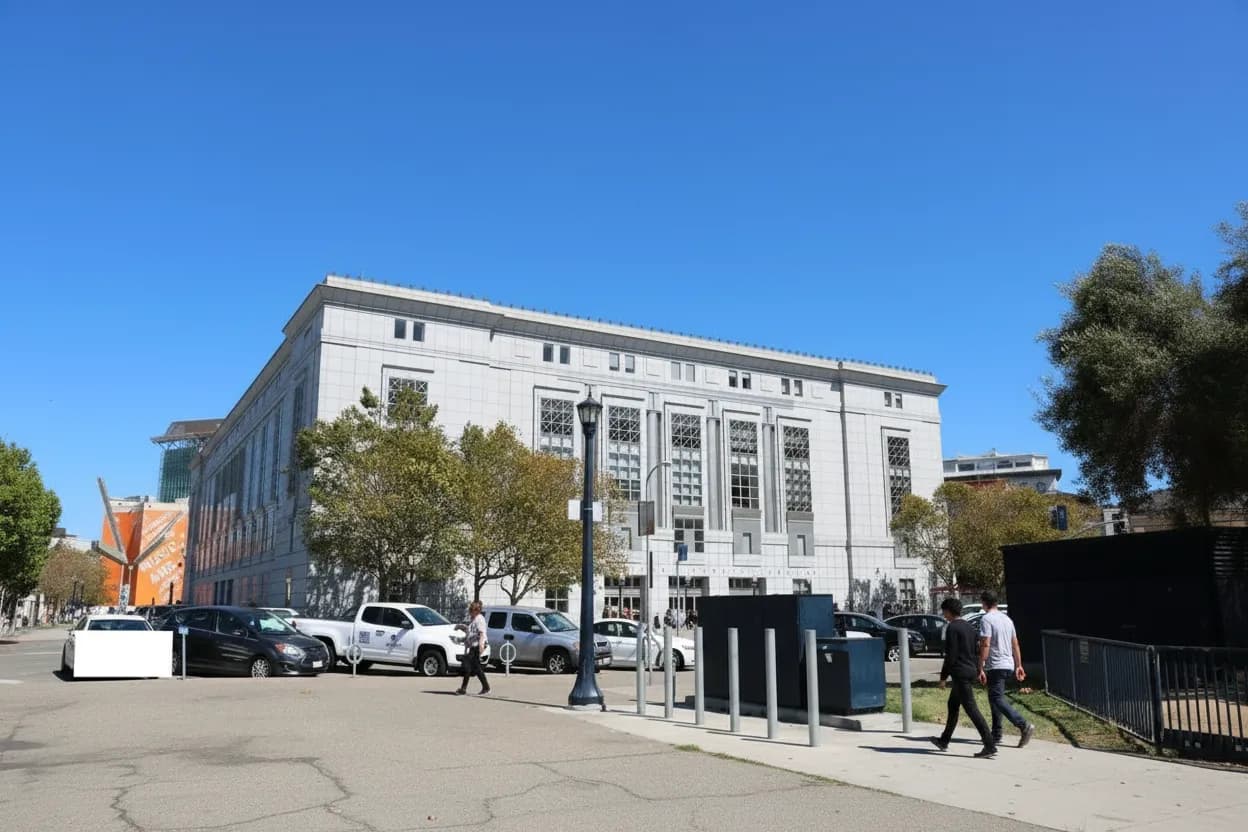
San Francisco searches for dr fauci can lead to old interviews, political clips, health claims, and posts stripped of context. A better daytime move is practical: use the San Francisco Public Library Main Library at 100 Larkin Street as a free verification stop, then compare what you find against official public health records. As of Tuesday, August 4, 2026, SFPL lists Main Library hours as Tuesday 9 a.m. to 8 p.m., with public-facing library resources, eLibrary access, and learning support available through the system. This is not a medical appointment or a debate stage. It is a calm way to separate source quality from algorithmic noise.
Want the fastest Civic Center version? Text Karpo for a step-by-step San Francisco check that prioritizes official pages, library databases, transit fit, and what to do when a claim cannot be confirmed.

Start at San Francisco Public Library Main Library on Larkin Street
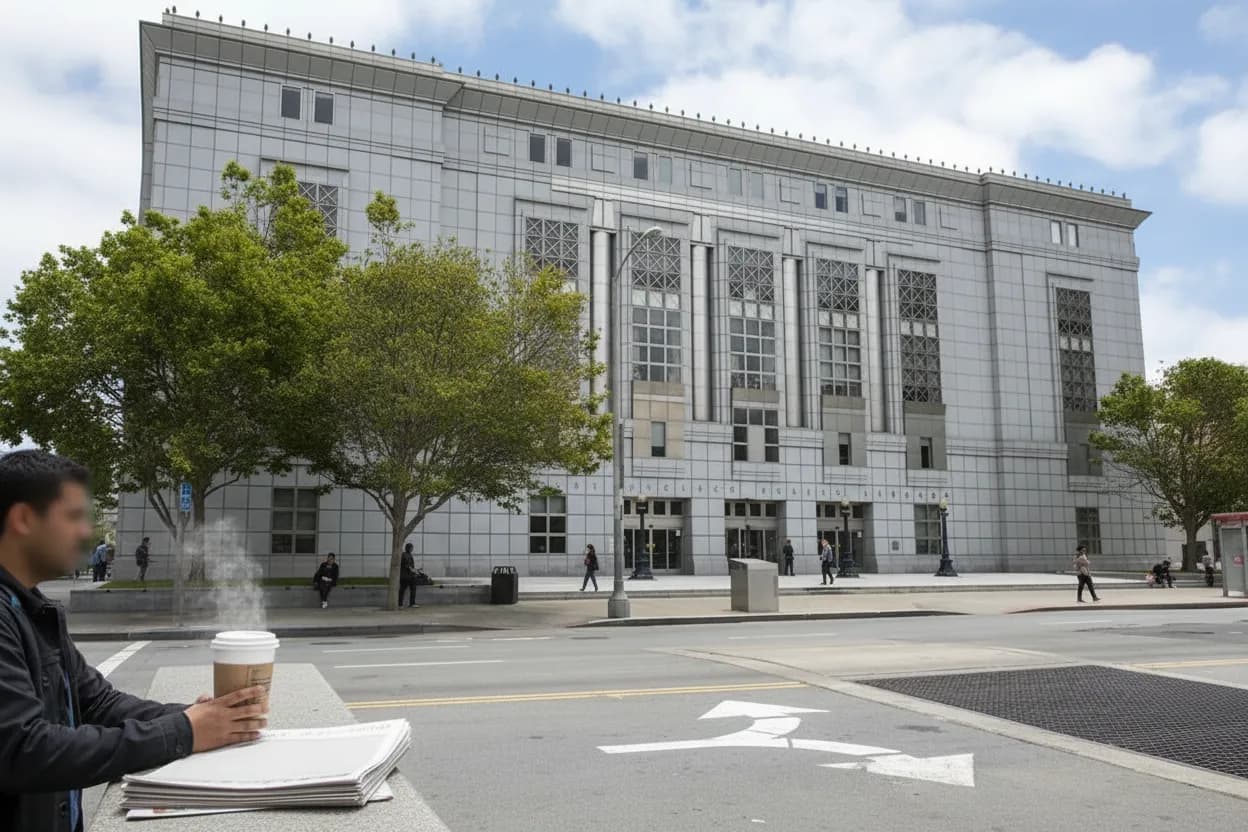
Make the Main Library your anchor because it gives the search a defined place, a staffed public setting, and access to library tools beyond a phone browser. SFPL lists the Main Library at 100 Larkin Street in Civic Center, with the main phone number 415-557-4400. On Tuesday, the posted public hours are 9 a.m. to 8 p.m., which makes a daytime visit easy to fit before or after nearby errands.
Do not treat the building itself as proof of any health claim. Its value is that it slows the search down. Bring the exact sentence, screenshot, headline, or video title you want to verify, plus the date attached to it if one appears. If the original item lacks a date, author, agency, or document link, mark that as a weakness before spending time arguing over the claim’s meaning.
Use the SFPL eLibrary Before Opening Random Search Results
SFPL’s eLibrary is useful because it points patrons toward articles, databases, newspapers, reference materials, eBooks, eLearning resources, and accessibility information. For this topic, start there before drifting into reposts. Search the exact name, then add terms such as NIAID, NIH, CDC, infectious disease, testimony, interview, or publication. The goal is not to collect the most results; it is to find records with a stable publisher and a traceable date.
The tradeoff is that library databases can feel slower than a search engine, and some resources may require a library card or on-site access. That delay is part of the benefit when a claim is emotionally loaded. If a database result is behind a login, note the citation details and ask staff about access. If no reliable article appears, do not fill the gap with a viral summary. Treat the absence as unresolved.
Check NIH and NIAID Records for Anthony S. Fauci
For biographical or role-based claims, use official NIH and NIAID pages first. NIAID identifies Anthony S. Fauci, M.D. as former NIAID director, with service from 1984 to 2022, and describes the institute’s infectious disease research portfolio. NIH’s NIAID almanac page lists Anthony S. Fauci as director from November 1984 through December 31, 2022. Those dates matter when a post implies current authority or an active agency role.
This step works best for claims about titles, institutional history, and whether a quote is being framed with the right job context. It does not automatically verify a medical recommendation, a policy, or a newly circulated statement. If a post says Fauci currently runs an agency, compare it against the official director lists. If it says he issued a new directive, look for the issuing agency, date, and document number before accepting the wording.
Compare Health Claims Against CDC Pages, Not Screenshots
For disease guidance or public health definitions, use CDC pages as a baseline source, then record the page title and access date. CDC’s site is the practical place to check current federal public health language, but even official pages can be updated. That means your note should include what you checked on August 4, 2026, not just a vague memory that CDC once said something similar.
The failure mode is treating a cropped screenshot as equivalent to a live page. Screenshots can be outdated, edited, or missing the surrounding caveats. If the claim concerns a city-specific rule, CDC alone is not enough; check San Francisco or California public health pages too. If you cannot identify the original agency page, say the claim remains unverified. A careful “not confirmed” is stronger than a confident guess.

Ask The Bridge at Main on the 5th Floor for Tech Help
If the search itself is the hard part, The Bridge at Main is the right internal stop. SFPL describes it as a literacy and learning center on the 5th floor, with resources, classes, and people who can help. The page lists technology assistance and one-to-one help for adults who are new to technology or brushing up on computer skills, including support in English, Cantonese, or Spanish by appointment.
Use that help for tasks such as opening official agency pages, saving citations, finding article dates, or learning how to recognize a government domain. Do not ask staff to settle medical advice or political arguments for you. A good request is narrow: “Can you help me find the original source for this public health claim?” If appointment times are full, ask whether drop-in reference help or another branch can handle the same search.
Plan a Civic Center Transit Route With Time to Recheck Conditions
Civic Center is one of San Francisco’s easier public-transit destinations, but the verification plan should still leave room for service changes, crowds, weather, or street activity around major civic buildings. The Main Library sits near Civic Center and City Hall, so many riders will naturally consider Muni, BART connections, walking, biking, or a short rideshare depending on mobility, timing, and comfort level.
Because transit conditions change, do not publish or rely on a fixed route without checking the live agency trip planner or map on the day you go. The simplest pacing is a 60-to-90-minute library visit: 10 minutes to settle, 35 minutes for source checks, 15 minutes for notes, and a buffer for staff questions. If downtown feels inconvenient, use SFPL’s virtual resources first and visit later only if needed.
Leave Civic Center With One Final Verification Action
Before leaving, create a small evidence trail: the claim you checked, the official or library source you used, the date on the source, the date you accessed it, and what remains unknown. This protects you from turning a partial answer into a stronger conclusion than the evidence supports. It also makes the trip useful later, when a friend sends a similar clip or headline with slightly different wording.
Your final action is to re-open the strongest official source and confirm it still says what your notes say. If the claim involves current health guidance, check the relevant agency page again before sharing. If it involves Fauci’s past role, keep the NIH or NIAID director dates attached. If the source does not confirm the claim directly, write “not verified from official records” and stop there.
Tags: #AskKarpo #BeforeYouGo #SanFrancisco #SFPL #MainLibrary #CivicCenter #FreeThingsToDo #PublicHealth #MediaLiteracy #HealthInformation #LibraryResources #NIH #CDC #SourceCheck
Sources consulted: Source 1: sfpl.org · Source 2: sfpl.org · Source 3: sfpl.org · Source 4: sfpl.org · Source 5: niaid.nih.gov · Source 6: cdc.gov
All trademarks are the property of their respective owners.
Ask Karpo first
Tell Karpo your date, group size, budget, and starting point. We’ll check current access, timing, transit, and the cleanest San Francisco plan for San Francisco Public Library Main Library before you head out.