 Soccer Bar Near Me in SoMa: The Chieftain Shows Every Big Match
Watch Parties
Concert Tickets in SF: Rush, Lottery, and Resale Tips
San Francisco venues release concert tickets three ways, and knowing which method fits your schedule matters more than speed alone.
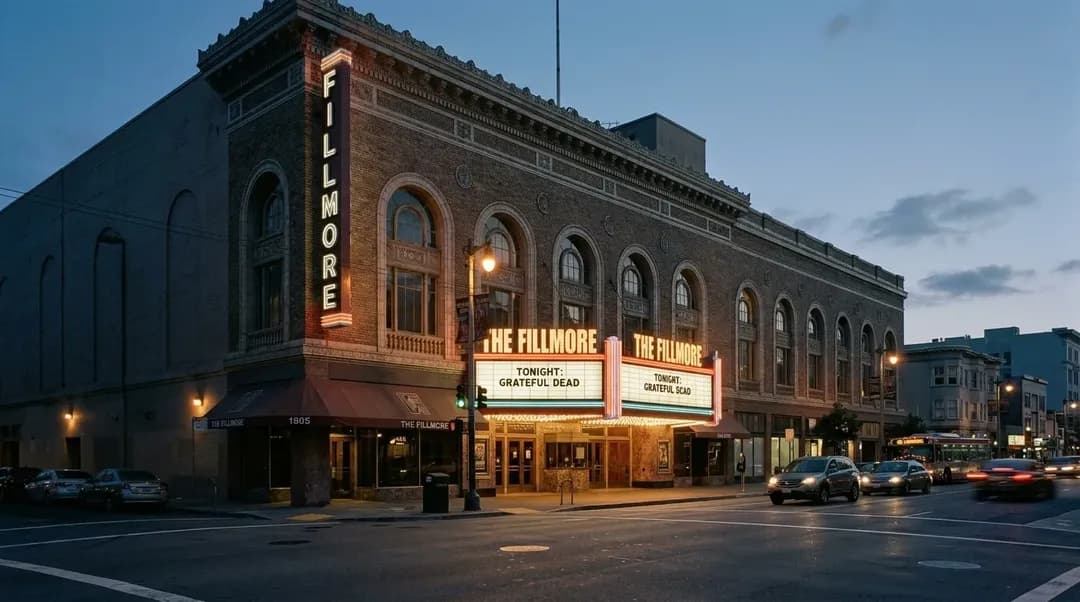
The Warfield posts a general on-sale Friday at 10 a.m. The Fillmore runs a text-alert lottery Wednesday night. The Independent drops a handful of tickets on its own site Thursday, no presale code, and they're gone in four minutes. All three shows are the same weekend, all three sold by different methods, and if you treat them the same way you'll end up refreshing a sold-out Ticketmaster page while someone else is already in.
Text Karpo before you commit to a presale time or resale meet-up. It'll check which Muni lines are running late, when the box office actually opens, and where to grab food if you're camping out in line.
Why the same show sells three different ways
San Francisco concert tickets move through three lanes: the general rush sale, the venue or fan-club lottery, and the resale market that opens the second the first two close. Each one rewards a different kind of planning. Rush sales favor fast internet and a saved payment method. Lotteries want your phone number and patience. Resale wants your ability to read a calendar, check a seller's history, and know when desperation pricing kicks in—usually six hours before doors, when someone realizes they can't make it over the Bay Bridge in time.
The friction isn't the same as New York or Los Angeles. Here, venue capacity is smaller, transit shuts down earlier, and a 9 p.m. start time in the Mission means you're racing BART's midnight cutoff if you want to get back to the East Bay. That tightens the resale market in a specific way: tickets get cheaper after 7 p.m. on show night because cars are stuck on the bridge and people panic-sell.
Rush versus lottery: match the method to your day
Rush sales—general on-sale events through Ticketmaster, AXS, or Dice—go live at a published time, usually 10 a.m. on a Friday. You need to be on the site five minutes early, logged in, payment saved, and ready to refresh. The best concert tickets disappear in under a minute for popular acts at the Fillmore, the Fox Theater in Oakland, or the Warfield. If you're at work in the Financial District with decent wifi, you have a shot. If you're on Muni climbing out of the Sunset, you probably don't.
Lotteries are the opposite. The venue or the artist's fan club opens a registration window—sometimes 48 hours, sometimes a week—and you enter your name. The Fillmore's text lottery is well known: you text a keyword to a number, they reply with a time slot, and you show up at the box office during that window to buy in person. The Chapel and August Hall use similar systems. You're not competing on speed; you're competing on whether you checked your phone Wednesday night and remembered to register.
The trade-off is control. A rush sale gives you instant confirmation or instant failure. A lottery leaves you waiting, sometimes until the day before the show. If you're planning around a birthday or a visiting friend, that uncertainty is a cost. But if your schedule is loose and you live near Hayes Valley or the Mission, a lottery is less stressful than setting an alarm for a Ticketmaster dogfight.
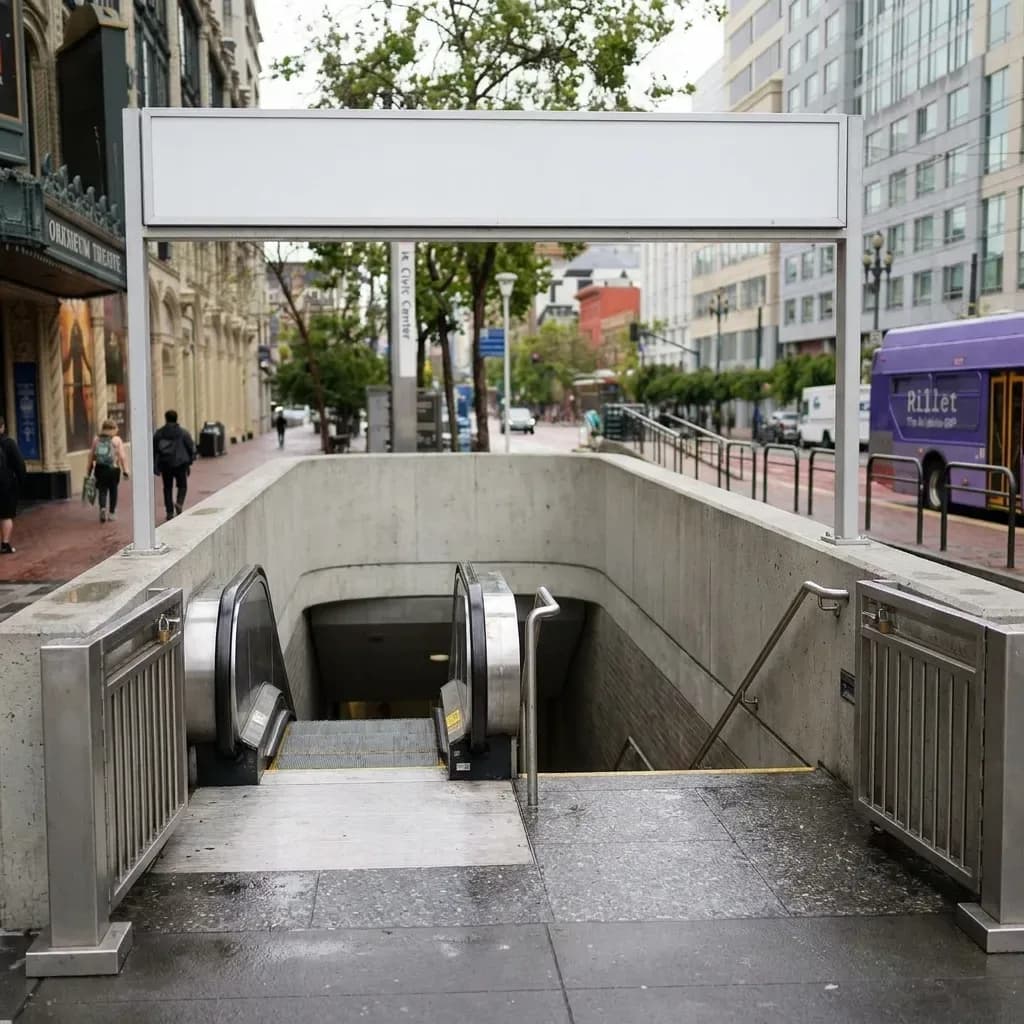
One local detail: Fillmore lottery winners pick up tickets at the box office on Van Ness, which is a wide, windy street with limited parking and no close BART. If you're coming from the East Bay, take BART to Civic Center and walk up; if you're driving, the garage at the corner of Geary and Van Ness is your best bet, but it fills up before evening shows. Confirm your pickup window the moment you get the text, because they're strict about timing.
Resale: when the price drops and where to meet
Resale happens on StubHub, Vivid Seats, and the venue's own verified exchange if they have one. Prices start high—sometimes double face value the day tickets sell out—and fall as the show approaches. The steepest drops come in two waves: five days out, when casual buyers realize they can't go, and the afternoon of the show, when someone's stuck in traffic or their plans collapse.
For concert tickets in SF, resale timing is shaped by geography. If the show is at the Masonic in Nob Hill on a Tuesday, resale prices stay high because it's easy to reach. If it's at the Regency Ballroom on a Thursday and the forecast says rain, prices drop earlier because people from the Peninsula start bailing by 4 p.m. The city's hills and fog create friction, and friction creates opportunity for patient buyers.
When you're buying resale, check the seller's history and the ticket format. PDF tickets are common but easy to duplicate; mobile transfer through the venue's official app is safer. If you're meeting someone in person—less common now, but it still happens for smaller shows—meet at a public spot near the venue, not at the venue door. The corner of Haight and Fillmore, the plaza outside the Warfield on Market, or the sidewalk in front of Ritual Coffee on Valencia are all busy, lit, and close to the action. Never meet in a parking garage or a side street south of Market after dark.
One resale strategy that works in San Francisco: buy the morning of the show if it's a weeknight and the venue is hard to reach by car. The Fox in Oakland, for example, sees a resale dip every Monday and Tuesday because bridge traffic is unpredictable and people overschedule. If you're flexible and already planning to be in the area, you can save forty percent by waiting until noon and checking StubHub twice an hour.
What to lock down before you leave
Once you have the ticket—rush, lottery, or resale—your next friction point is the route. BART stops running at midnight on weeknights, 2 a.m. on weekends, and the last train from Civic Center to the East Bay leaves earlier than you think if there's a service delay. Muni runs later but slower, and the N-Judah or the 22-Fillmore can add thirty minutes to your trip home if you're coming from the western neighborhoods. Check the schedule for your return trip before you buy the ticket, not after the encore.
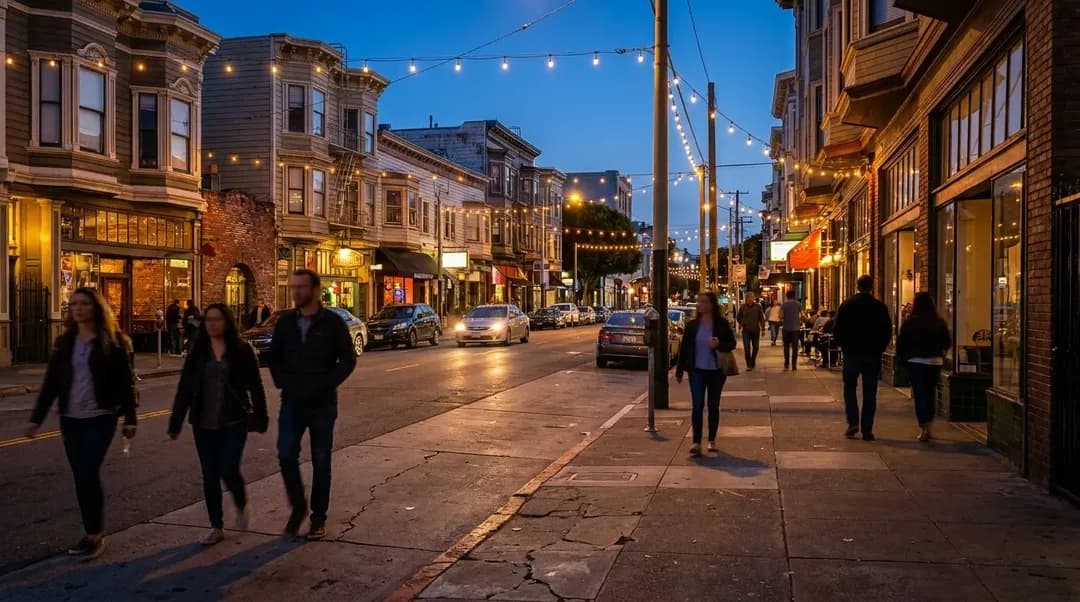
Eating before the show is harder than it should be. Most San Francisco venues don't allow outside food, and the blocks around the Fillmore, the Warfield, and the Independent have limited late options. If you're seeing a show at the Fillmore, the kitchen at Tsunami on Geary closes at 9 p.m.; if you're at the Chapel, Flour + Water on Valencia stops seating at 9:30. Plan to eat by 7 if you want a sit-down meal, or accept that you're grabbing a slice at Golden Boy on Green Street after the show if you're near North Beach.
Weather is a smaller issue inside, but it shapes your arrival. The walk from Civic Center BART to the Warfield is windy and often damp, even in summer. The walk from 16th Street Mission BART to the Chapel is flat but can be loud and crowded after 9 p.m., especially on weekends. If you're carrying a jacket, most venues have coat check, but the line at the Fillmore's coat check is long and slow; consider layering instead.
Finally, confirm your ticket format the day of the show. Some venues accept only mobile tickets; others still take printed PDFs. The Fillmore's website specifies which format they'll honor for each event. If you're using resale tickets transferred through Ticketmaster or AXS, open the app an hour before doors to make sure the transfer completed. Cellular service inside the venue is often weak, and you don't want to be troubleshooting a transfer in line.
Practical notes
- BART's last trains leave Civic Center and 16th Street Mission before 1 a.m. on weeknights; check your return schedule before buying tickets.
- Fillmore lottery pickups happen at the Van Ness box office; parking is tight, so walk from Civic Center BART or take the 49 bus up Van Ness.
- Resale prices drop hardest the afternoon of the show, especially for weeknight events at venues that require a bridge crossing or a long Muni ride.
- Most venue kitchens in the Fillmore, Mission, and SOMA districts close by 9 or 9:30 p.m.; eat before you go or plan for late-night slices.
- Fog and wind are constant near the Fillmore and the Masonic; layer rather than checking a bulky coat to avoid long coat-check lines.
- Drink responsibly and arrange a ride home before the show; Lyft and Uber pick-up zones near popular venues fill up fast after 11 p.m., and late BART service is limited.
Tags: #karpo #concertticketssf #sfconcerts #sanfranciscomusic #fillmoresf #thewarfield #thechapelsf #sfnightlife #bayareamusic #watchparties #livemusicbayarea #sfvenues #munitiming #barttips #hayesvalley
Please drink responsibly. Must be of legal drinking age.
All trademarks are the property of their respective owners.
Ask Karpo first
Text Karpo the venue name and your starting neighborhood before you commit to a ticket time. It'll tell you which Muni or BART line is running on schedule, when the box office opens for lottery pickups, and where to grab food if you're heading straight from work. It'll also check current resale prices if you're still deciding whether to wait.
Ask Karpo for more information.
Keep reading
- Soccer Bar Near Me in SoMa: The Chieftain Shows Every Big Match
 Soccer Bar Near Me: The Mission Room With Bike Racks and Sausages
 Where to Watch MLB Playoffs Near Me: The Polk Street Bar With 25 Screens