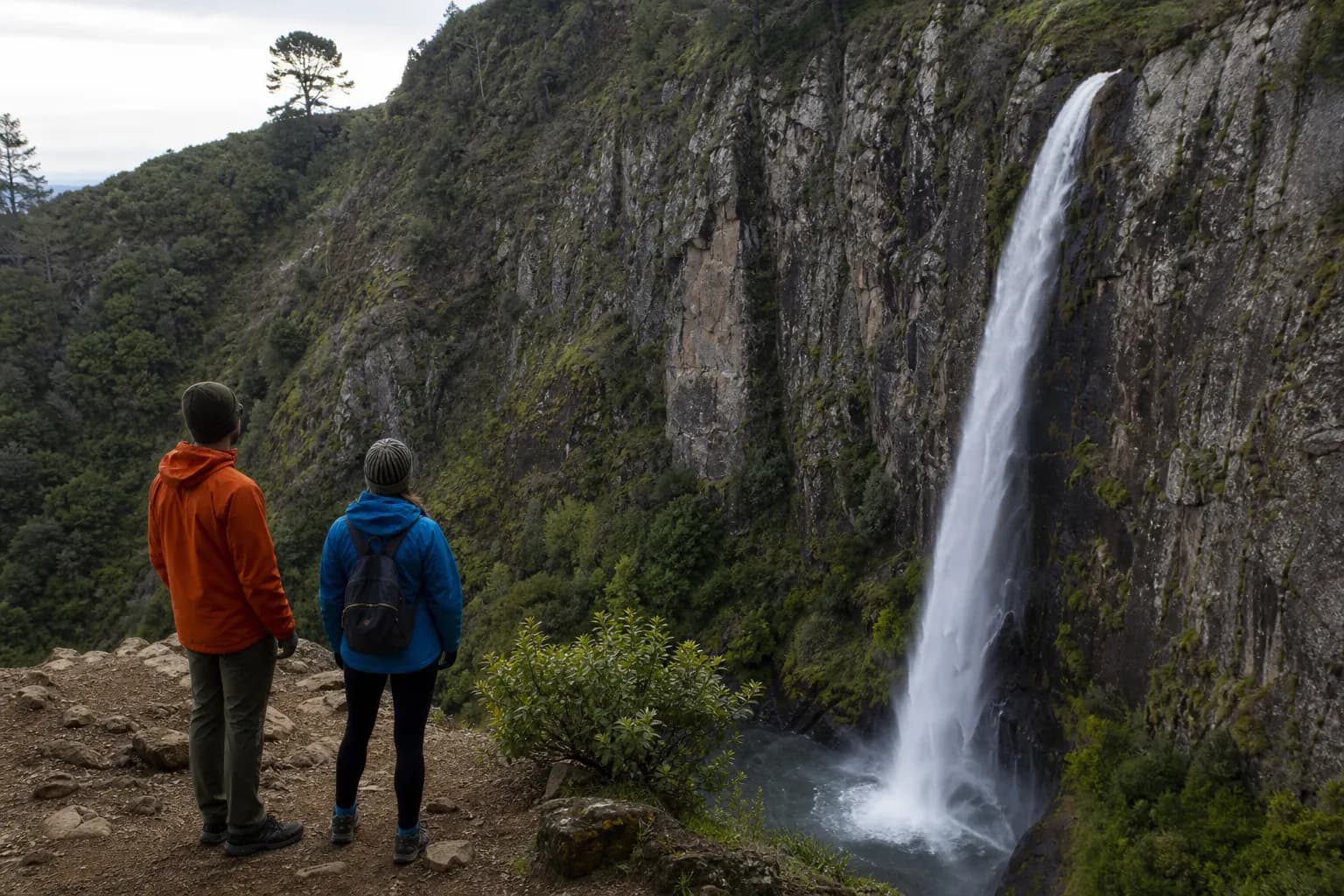
San Francisco is a city of drainage lines, not giant waterfalls. That matters because the best waterfall hikes here are almost always seasonal. When you get a real storm, the city’s creeks and canyon walls wake up; when you get two dry weeks and a warm wind, the same route becomes a pretty walk with damp rocks. So start by deciding whether you want to see moving water, or just get outside. If you want the first one, you need recent rain, shade, and a trail that actually follows a creek or steep ravine.
Check the rain, choose the canyon, and skip the dry detour.
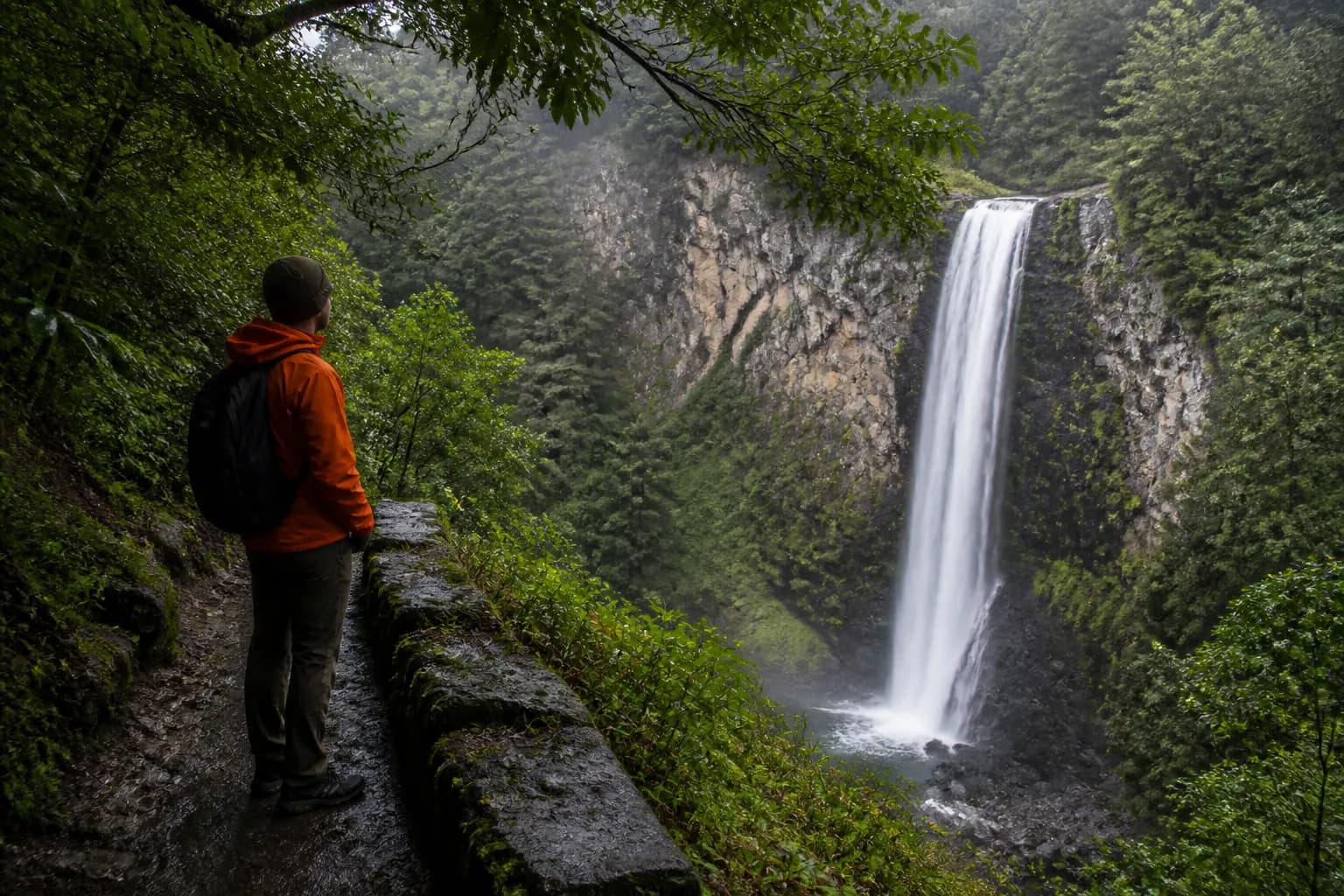
Before leaving, search the park name plus “trail conditions,” “mud,” “closure,” and “recent rain.” Look at yesterday’s precipitation, not just today’s forecast. In SF, a misty morning can look promising but still leave trails dry; a steady storm that ended one or two days ago is more likely to produce visible flow. If the latest check shows only drizzle or long dry weather, treat the outing as a scenic hike and save your waterfall goal for the next weather window.
The city spots worth checking first
Inside the city, the smartest first checks are the park systems with actual drainage, especially Glen Canyon Park and the greener ravines in McLaren Park. Those are the places where water can collect and move after storms, and where a short hike has a real chance of feeling like a waterfall hunt instead of a generic stroll. The city’s western side gets the scenic exposure, but the sheltered south and central canyon parks are usually better bets for runoff. The coastal bluffs are beautiful, but they are not the first places to go if the whole point is seeing falling water.
That also means reading the map with a different eye. In SF, the best waterfall hikes are less about named summit trails and more about canyon routes, creek corridors, and low points in the terrain. If a trail hugs a creek line, drops into a shaded valley, or crosses a narrow gully, it is more likely to hold flow after rain. If it is all open ridge, ocean exposure, and views, keep it as your backup rather than your main objective.
Timing: the difference between a hike and a dry walk
Timing matters as much as location. The best window is usually late winter through early spring, after a meaningful rain system and before the ground has had time to dry out again. In practical terms, the sweet spot is often the day after the storm passes, not while the hardest rain is falling. Early morning gives you a better read on flow and fewer people on the trail, while later in the day can bring more sun on exposed slopes and more evaporation from small streams.
On SF weather, the difference between “good waterfall day” and “not worth it” can be small. A foggy coast morning does not guarantee water in the canyon, and a clear sunny day after a wet night can still leave you with enough runoff to make the trip worthwhile. Check for wind and temperature too: exposed paths feel colder than the forecast suggests, and wet rock on steep sections can be slippery even when the trail itself looks fine. If the storm is still active, choose a safer backup.
Transit, parking, and accessibility
Transit can make a waterfall hunt much easier because many of the most practical SF trailheads sit near bus lines or BART, while parking around neighborhood parks can tighten up quickly on weekends. For a short hike, transit often beats driving because you can start close to the trail and avoid circling for street parking. If you are headed to a canyon park, think in terms of the nearest station or bus corridor first, then walk the last stretch. That keeps the plan flexible if one entrance is crowded or closed.
Accessibility in SF is trail by trail, not park by park. Canyon routes often mean steep grades, stairs, dirt, and slippery switchbacks, so they are not the easiest option for strollers, mobility devices, or anyone who wants a smooth surface. If that matters for your group, look for the gentlest approach path and keep the hike short. Bring shoes that can handle mud, because even a dry week can leave shaded sections wet. A hiking pole or trekking stick can help on the steeper descents.
Backup logic so the trip still works
A good backup plan saves the day when the water is weak. If the flow is only a trickle, switch from “waterfall hunt” to “best creek walk” and enjoy the same park without forcing the expectation. If the city has had a long dry spell, do not burn a half-day chasing a feature that is not there yet. Keep one shaded canyon route and one exposed scenic route in mind, so you can pivot based on weather, trail reports, and how much time you actually have.
The simplest decision rule is this: recent real rain means try the canyon parks first; dry weather means shorten the trip or wait. If you are coming from elsewhere in the Bay Area, use SF as your staging point and make the final call an hour before you leave. That way you can choose the right side of the city, the right transit line, and the right level of ambition. For waterfall hikes in SF, the win is not finding the longest trail. It is arriving when the water is actually moving.
A simple plan before you go
- Aim for 24–72 hours after steady rain, not during a drizzle.
- Search park name + trail conditions + mud + closure before you go.
- Use BART or Muni for short trailhead access; weekend parking gets tight.
- If the flow is weak, switch to a shaded canyon walk and save the waterfall hunt.

Tags: #watch_parties #sf
Sources consulted: Official city information · Google Maps · Karpo local search
All trademarks are the property of their respective owners.