If your goal is an easier evening, do not start by searching for the most famous Italian restaurant in SF. Start by deciding what kind of effort level feels comfortable after work or before a show. A relaxed night usually means a short travel time, a simple arrival, and a place where you can sit down without a lot of friction. That could mean a neighborhood room near your home, a stop on a direct transit line, or a block with easy curb access if you are arriving by car or rideshare.
Plan your SF dinner around the easiest route, then pick the room that keeps the night simple.
Think through the whole arc of the evening: getting there, waiting, eating, and getting home. In San Francisco, a place that looks ideal on a map can feel very different if it sits on a steep hill, in a one-way maze, or far from your next stop. For a low-stress plan, the best Italian restaurant is often the one that reduces decisions: a direct route, a familiar neighborhood, and a setting that works even if the weather turns foggy or windy.
Use San Francisco neighborhoods to narrow the search
Neighborhood patterns matter more in SF than in flatter cities. North Beach is the classic Italian dining zone, but it can be busy and parking can be tight, so it works best when you are happy to walk a few blocks or rely on transit and rideshare. Nearby areas like Jackson Square and parts of the Financial District can feel calmer on certain nights, especially early in the evening, while the Mission and Hayes Valley often offer easier cross-town access if you are coming from other parts of the city.
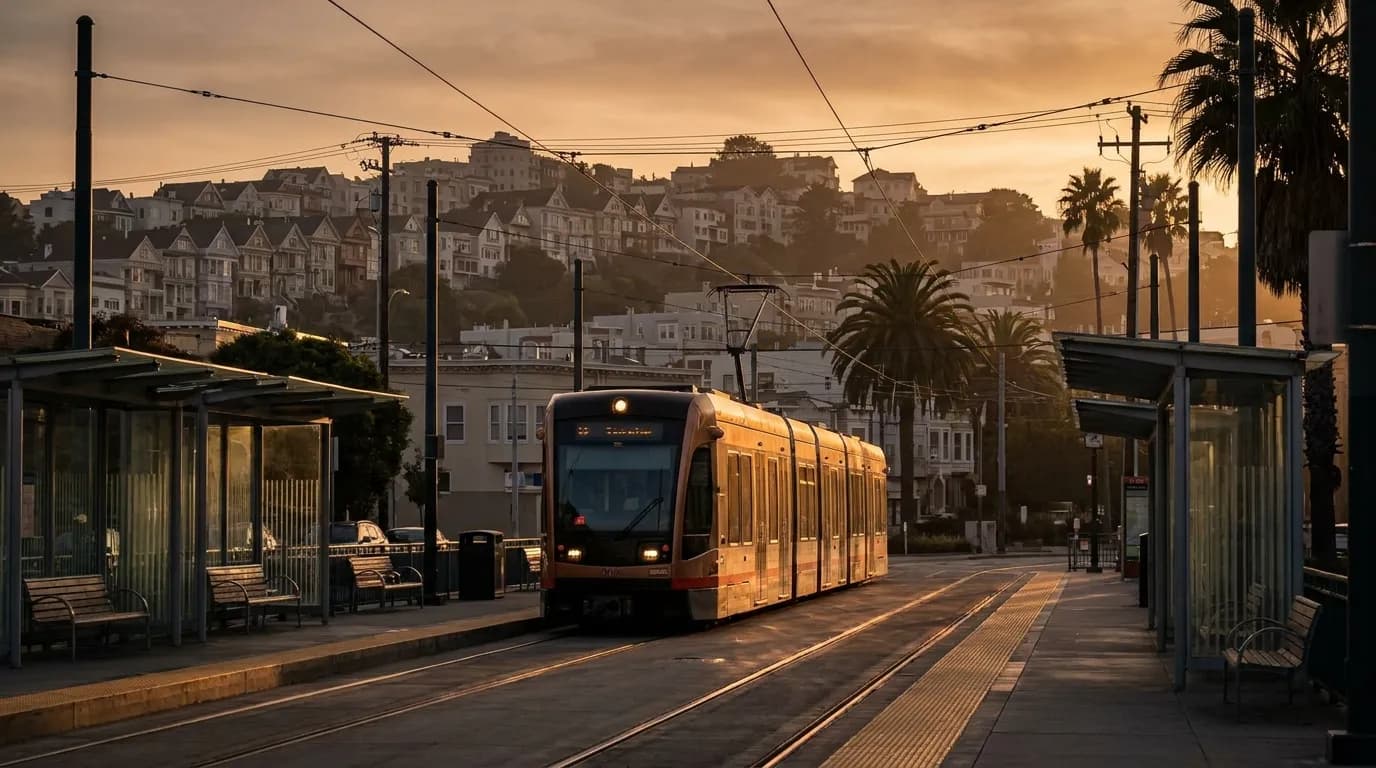
When you search, pair the cuisine with the neighborhood and your arrival method. If you plan to drive, look for flatter streets, clearer curb space, and nearby garages or lots rather than assuming street parking will be simple. If you plan to take Muni, check whether the restaurant is close to a line you already use and whether the final walk includes steep blocks. SF evenings are easier when the last ten minutes do not involve hunting for parking or climbing a hill in the fog.
Check live details before you go
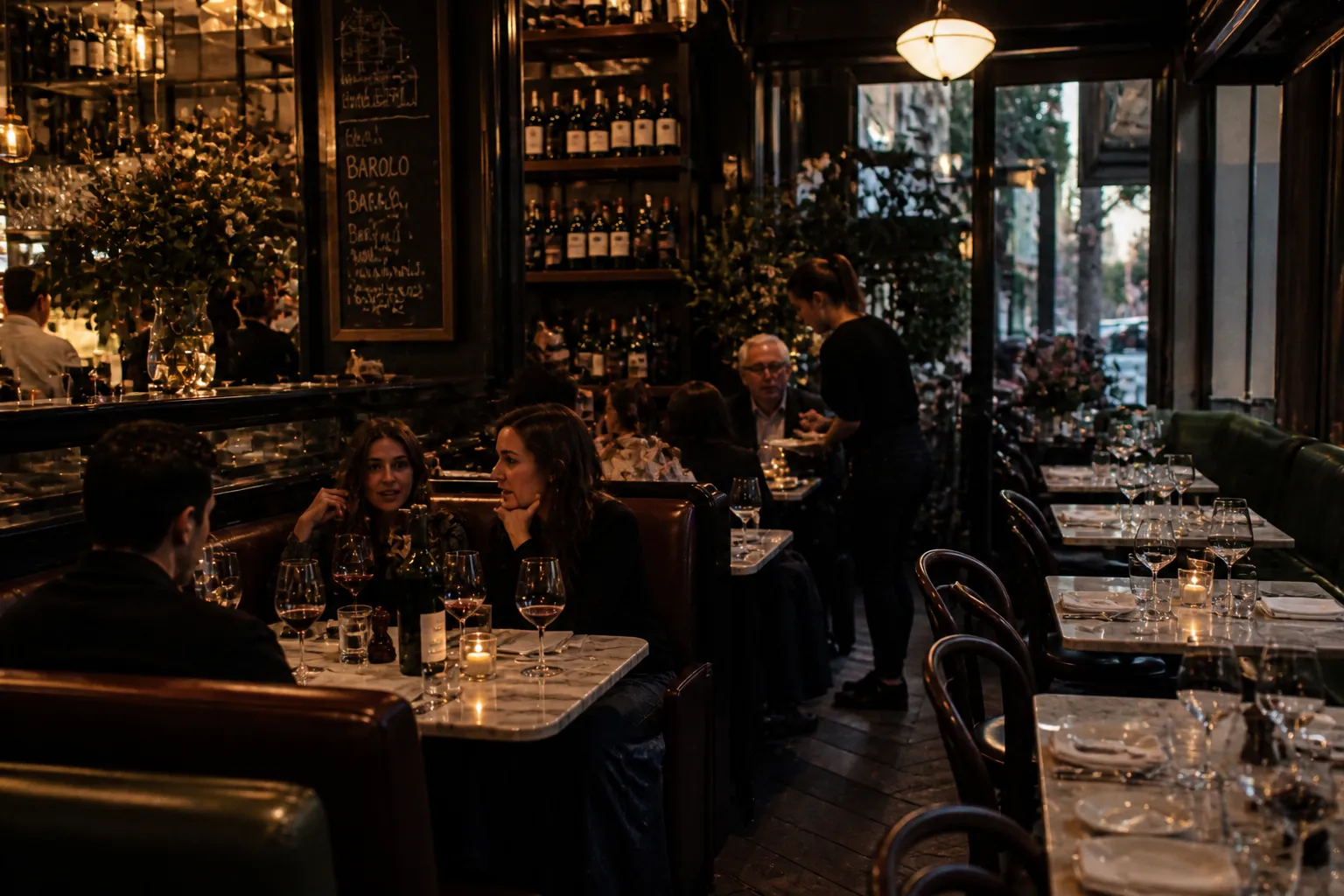
A good SF dinner decision depends on live information, not just listings. Before leaving, check the restaurant’s current wait or booking status if available, recent photos, and whether people mention service pace, noise, and crowd size. For a low-stress evening, you want signs that the room matches your plan: a steady but not overwhelming pace, tables spaced comfortably enough for conversation, and a style of service that suits how long you want to stay.
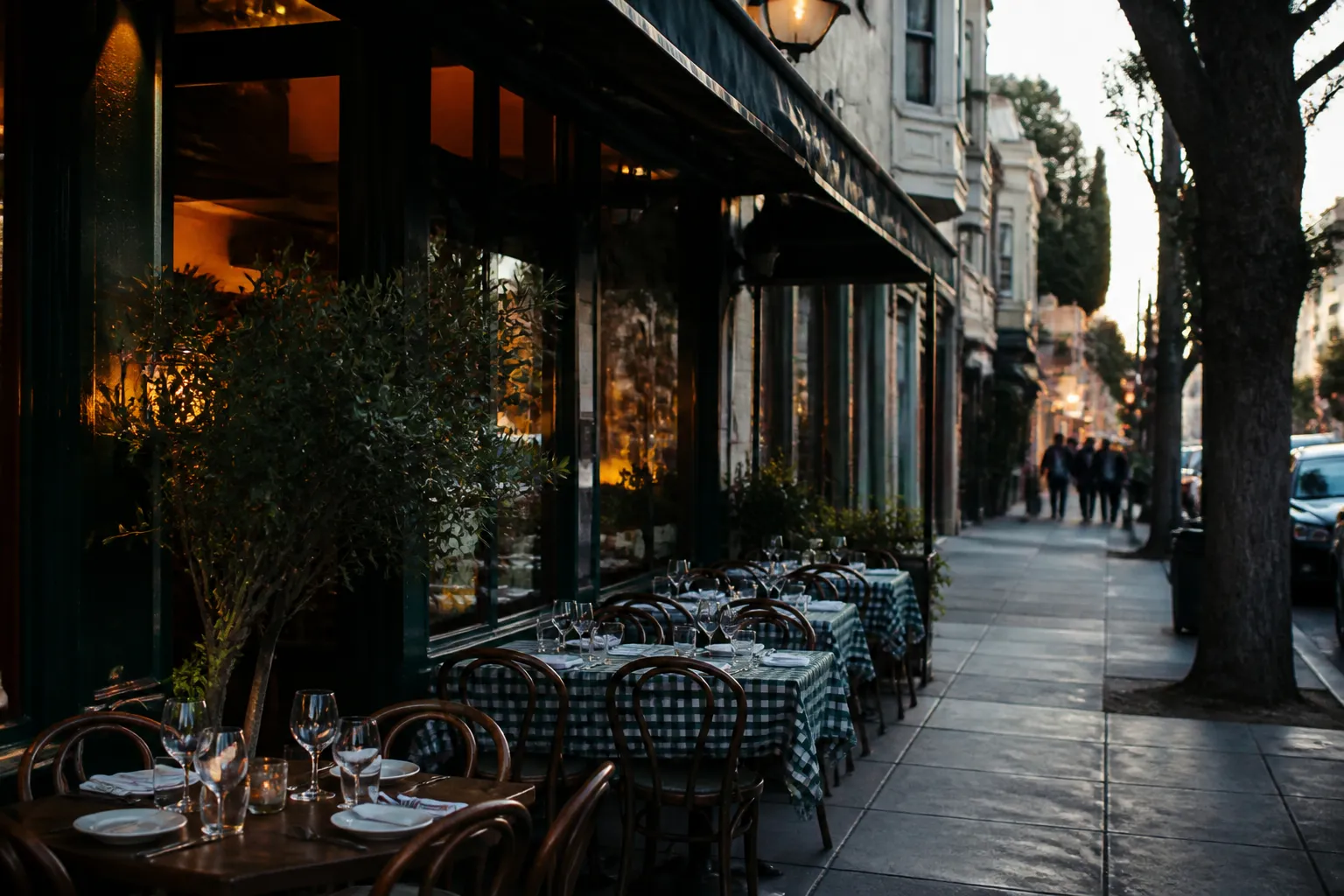
Also look at practical details that matter more than people think. See whether the entrance is easy to spot at dusk, whether there are steps at the door, and whether the seating setup will work for everyone in your group. In San Francisco, weather can change quickly, so an outdoor table may not feel as pleasant by the time you arrive. If a place depends heavily on sidewalk seating, have a backup for colder or windier nights.
Match the restaurant to the weather, transit, and accessibility
San Francisco’s microclimates can turn a simple dinner into a chilly one fast, especially near the water, on exposed corners, or in neighborhoods that catch evening fog. If you want an easier night, favor a restaurant with a comfortable interior and a location that does not require a long exposed walk. Even a few blocks can feel different when the wind picks up, so the easiest choice may be a room that is close to your arrival point and protected from the weather.
Accessibility also shapes stress level. Before you commit, check whether the route from the curb, transit stop, or garage is manageable for everyone in your party. Look for clear entrances, minimal stairs, and enough room to settle in without a complicated check-in. If one person in your group is coming from work, another is carrying bags, or you are coordinating across neighborhoods, the restaurant that looks best on paper may not be the one that makes the evening feel easy.
Build a backup option that still feels like a good night out
The smartest dinner plan in SF is not just one restaurant, but a small radius of alternatives. Pick a primary choice and a second option in the same neighborhood or along the same transit corridor. That way, if the first place is fuller than expected, the weather shifts, or the group arrives late, you can switch without restarting the evening. A good backup should be close enough that the transition feels natural, not like a rescue mission across town.
Your backup should match the tone of the night. If the first plan is a sit-down dinner in North Beach, the second should also be nearby and similarly easy to reach. If you want a quieter neighborhood feel, keep the alternative in the same part of the city rather than jumping to a completely different district. This keeps the pace calm and avoids the most stressful SF dinner pattern: crossing town in traffic while everyone gets hungrier.
A simple plan before you go
- Check the route, not just the address: hills, stairs, and curb access change the experience.
- Use live crowd signals and recent photos to judge how busy and noisy the room feels now.
- Keep a second Italian option in the same neighborhood or transit line.
- In SF, weather can change dinner plans; favor places with a comfortable indoor setup.

Tags: #sports_social #sf
Sources consulted: Official city information · Google Maps · Karpo local search
All trademarks are the property of their respective owners.