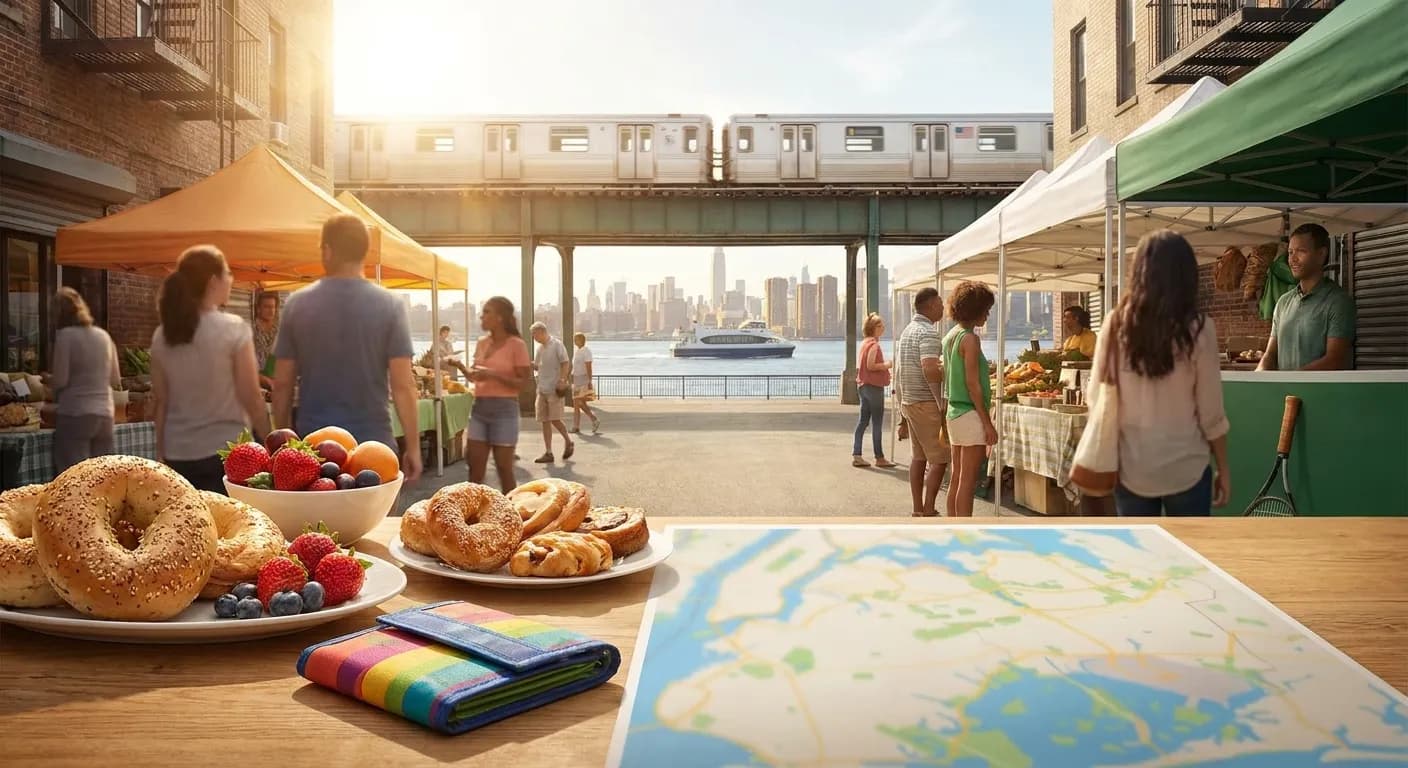
The US Open brings two weeks of world-class tennis to Flushing Meadows Corona Park every late August and early September, and for many Queens residents and visitors, the tournament is as much about the walk through the park as the matches themselves. If you're planning to track your steps with a fitness device during the 2026 US Open, understanding the walking routes from nearby neighborhoods to the USTA Billie Jean King National Tennis Center helps you estimate distance, plan your arrival time, and decide whether to walk all the way or combine transit with a final stretch on foot. This guide maps out practical walking approaches from several Queens starting points, so you can turn your US Open visit into a purposeful walk through one of New York City's largest and most historic parks.
Text Karpo with your US Open session time and Queens starting point, and we’ll turn this walking routes idea into a practical local plan.

Walking from Flushing Main Street
The most direct neighborhood walk to the US Open starts at the Flushing–Main Street subway station, the eastern terminus of the 7 train. From the station plaza, head south on Main Street, then west on Roosevelt Avenue until you reach the northern edge of Flushing Meadows Corona Park near the Queens Museum. You'll pass through a mix of commercial blocks and park pathways. This route works well for day sessions when you have time to enjoy the park's open lawns and tree-lined paths before the crowds thicken near the tennis center gates. Check your device's distance tracker as you walk to gauge your pace and adjust your departure time for future visits.
Corona and the 7 Train Corridor
If you're starting from the 111th Street or 103rd Street–Corona Plaza stations on the 7 line, you're already within easy walking distance of the park's western edge. From 111th Street, walk south on 111th Street or Corona Avenue toward the park, entering near the New York Hall of Science or the Queens Zoo. From Corona Plaza, the route is slightly shorter. Both approaches bring you into the park from the west, so you'll cross through the central meadows and pass landmarks like the Unisphere before reaching the tennis center on the park's eastern side. These walks are especially pleasant in the early morning or late afternoon when the park is less crowded and the light is softer. Verify access and hours for any cultural venues you plan to visit along the way.
Jackson Heights and Northern Boulevard
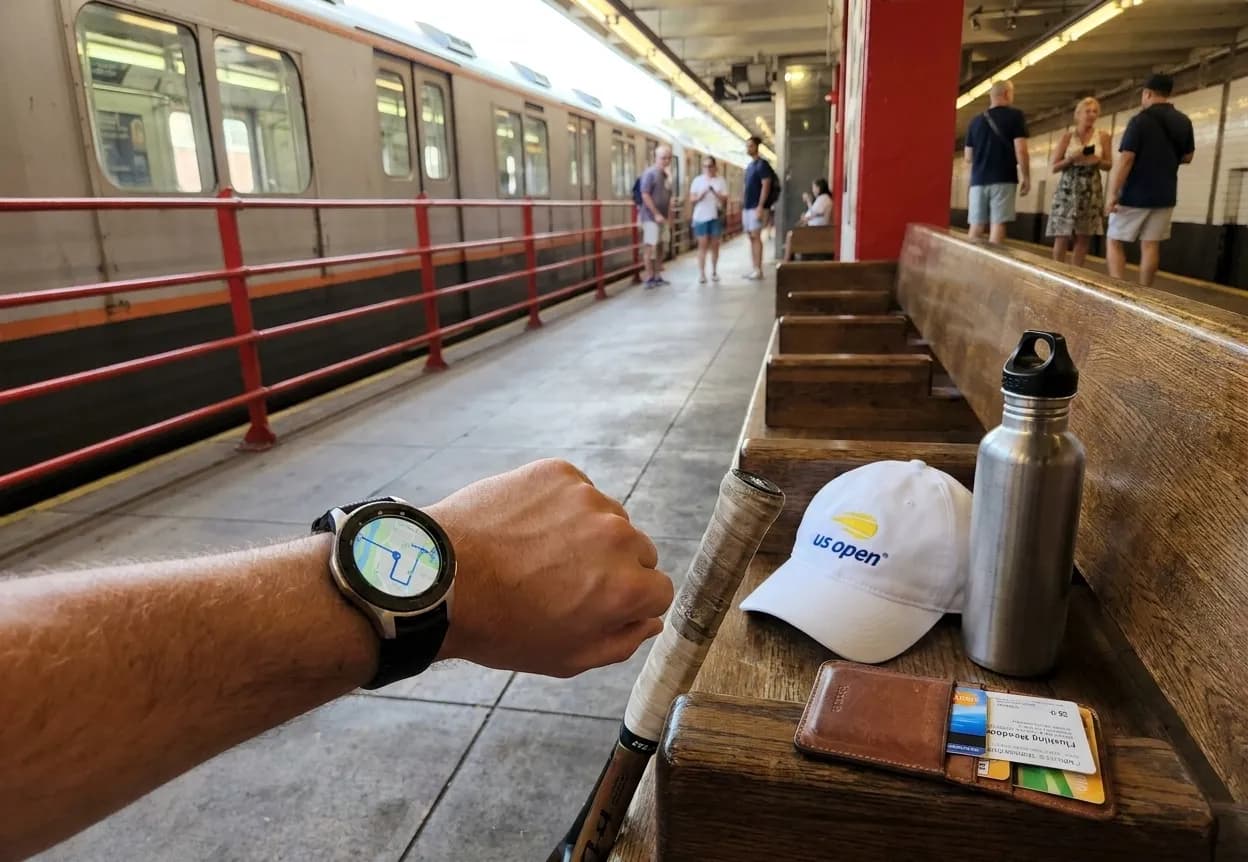
Walking from Jackson Heights to the US Open is a longer commitment, best suited for morning sessions when you have extra time and want to log significant distance before spending hours sitting courtside. The most straightforward route follows Northern Boulevard east toward the park, then cuts south into Flushing Meadows near the Hall of Science. The route is mostly urban sidewalk until you enter the park, so it's less scenic than the shorter in-park walks, but it's a practical option if you're staying in Jackson Heights and prefer to skip the subway transfer. Use your fitness tracker to monitor your pace and energy level, especially on warmer days.
Tracking Distance and Estimating Arrival Time
Fitness devices are useful for tracking your walking distance and pace as you approach the tennis center, especially if you're trying to hit a daily step goal or manage your energy across a long tournament day. Most wrist-worn trackers will automatically detect walking activity, but starting a dedicated walking workout before you leave your starting point may give you more detailed data. Keep in mind that the US Open grounds themselves are large—moving between courts, food areas, and restrooms can add substantial walking once you're inside. If you're aiming for a step goal, a round-trip walk from Flushing or Corona plus on-site movement will often get you most of the way there without additional effort. Plan your route in advance and allow buffer time for your session start.
Park Pathways and Terrain Considerations
Flushing Meadows Corona Park features a mix of paved paths, gravel trails, and grassy areas. The main pathways connecting the park's western and eastern sides are paved and wide enough for pedestrians, runners, and cyclists, but some shortcuts across lawns or between park landmarks may be uneven or muddy after rain. If you're walking in the early morning or evening, lighting is limited in some sections away from the main roads, so plan your route along well-traveled paths. The terrain is mostly flat, with gentle slopes near the Unisphere and around the lake, so the walk is accessible for most fitness levels. Comfortable walking shoes are essential, especially if you plan to spend several hours on your feet once you reach the tournament grounds.
Combining Transit and Walking
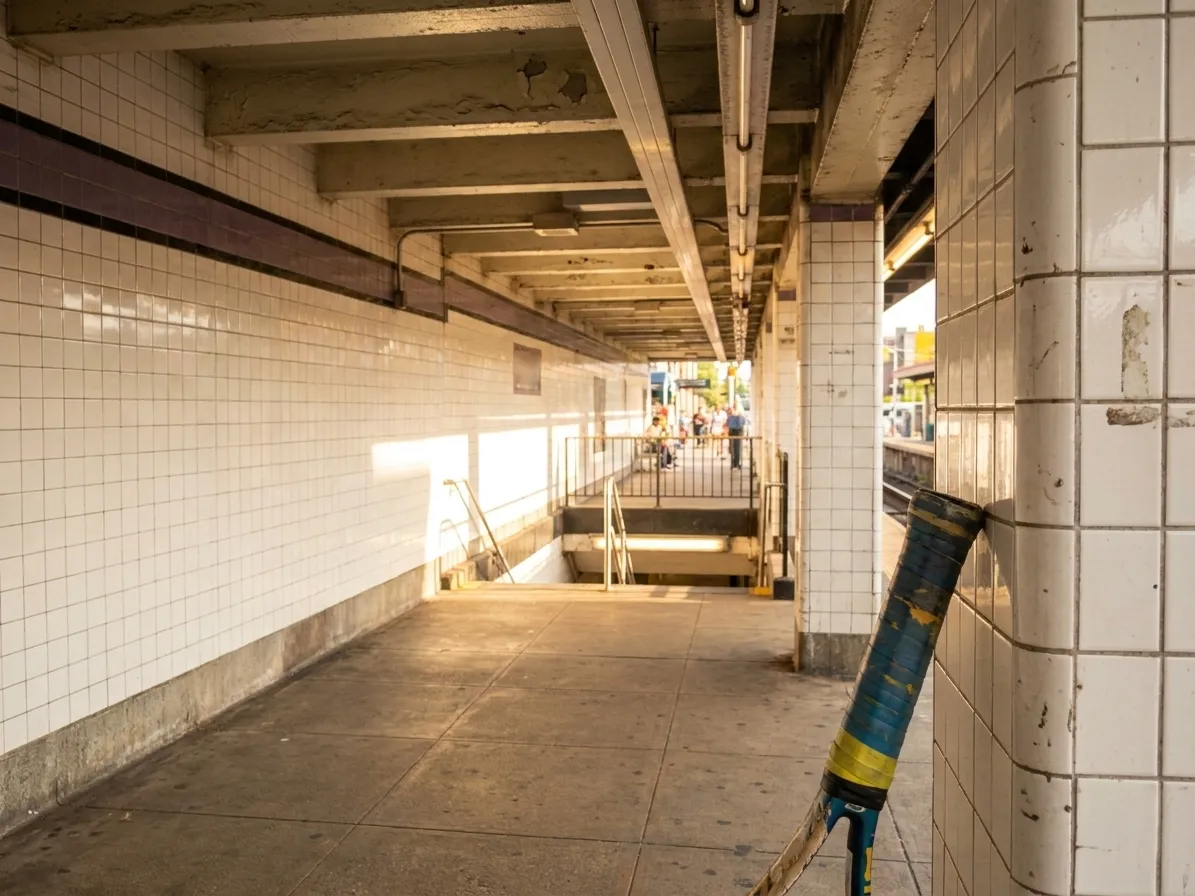
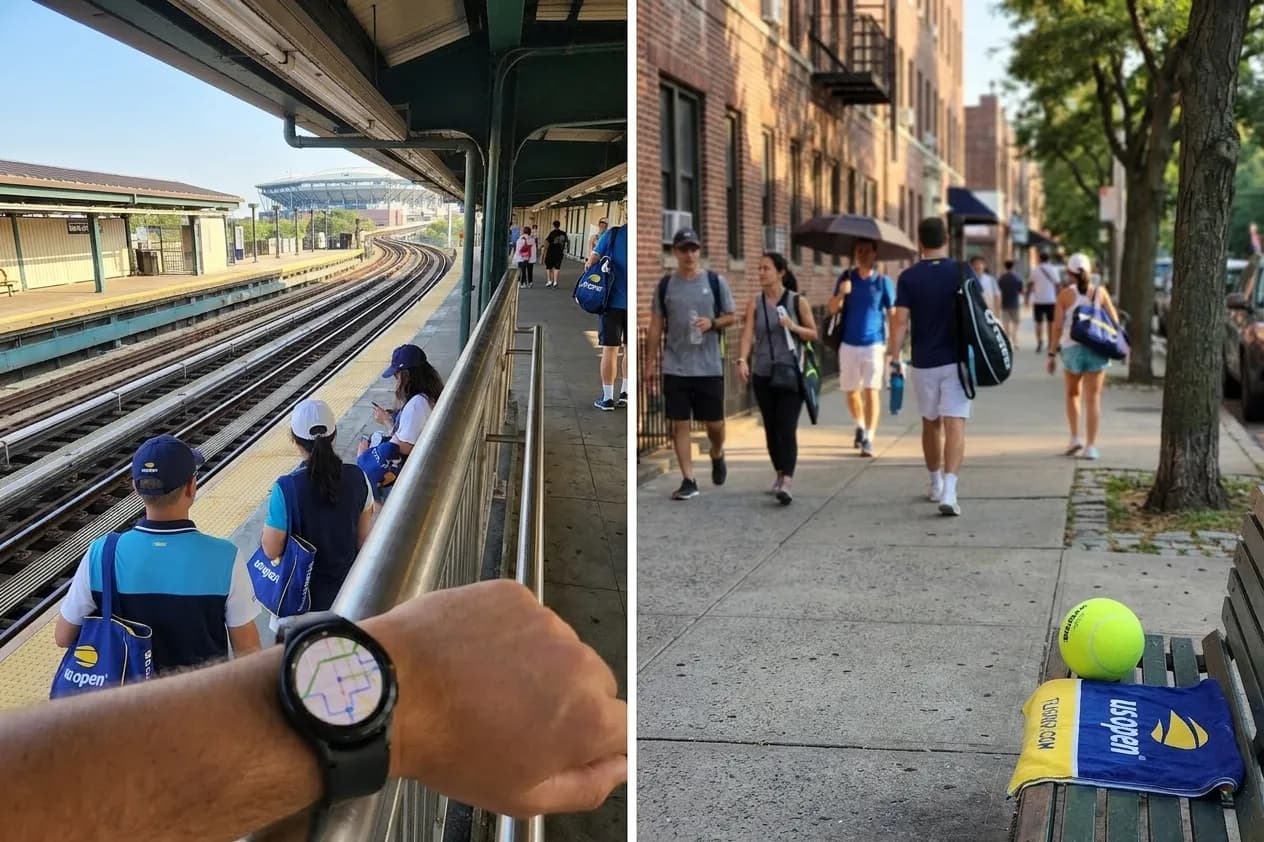
Many visitors find that a hybrid approach—taking the subway partway and walking the final stretch—offers the best balance of convenience and exercise. The MTA runs extra 7 train service during the US Open, and the Mets–Willets Point station is the closest stop to the tennis center, located just outside the park's eastern edge. If you ride the 7 to Mets–Willets Point, you'll have only a short walk across the pedestrian bridge and through the main gates, but you'll miss the park experience entirely. A middle option is to exit one or two stops earlier—at 111th Street or Junction Boulevard—and walk the remaining distance through the park. This approach gives you a meaningful walk without requiring a full neighborhood-to-park trek, and it's easier to time your arrival for a specific session start. Check official MTA service status before you travel to confirm train schedules and any service changes.
Practical Notes for US Open Walking Routes
- Check the official US Open event schedule and session times before planning your walk, so you know when gates open and when your match is likely to start.
- Review the MTA service status on the day of your visit, especially for the 7 train, to confirm there are no planned service changes or delays that might affect your transit backup plan.
- Bring a refillable water bottle, as walking in late August or early September heat can be draining.
- Wear sunscreen and a hat if you're walking during midday hours, since much of the park is open and exposed to direct sun.
- Allow extra time for security screening at the US Open gates, especially during peak arrival windows before marquee matches.
- Consult the official prohibited-items guide before you leave, so you don't carry anything that will slow you down at the entrance.
- If weather conditions change, defer to National Weather Service forecasts and official tournament alerts for safety guidance.
- Verify access, hours, admission and policies for any cultural venues or park facilities you plan to visit along your route.
Tags: #USOpen2026 #Queens #FlushingMeadows #KarpoFinds #Karpo #samsunggalaxywatch #NewYorkLocal #TennisTravel
Sources consulted: usopen.org — Official event schedule · usopen.org — Official visitor A-Z guide · usopen.org — Official transportation directions · usopen.org — Official prohibited-items guide · MTA — Official US Open transit guide · MTA — Official service status
All trademarks are the property of their respective owners.