Sam Altman's public reflections on singularity timelines—the moment when AI capabilities might accelerate beyond predictable human control—often circle back to questions about resilience, attention, and what happens when systems we rely on change faster than we expect. Those same questions make a surprisingly practical checklist when you're planning a long day at the 2026 US Open in Flushing Meadows: What if your phone dies? What if cellular data slows to a crawl in a crowd of forty thousand? What if you need directions, ticket confirmation, or a meeting point and the cloud isn't cooperating? The US Open runs late August into early September, spans day and night sessions, and draws fans from every borough and beyond. This guide treats offline planning, phone battery, photo ideas, and practical tech habits for crowded event days as a local-life skill—one that pairs well with Queens transit, Flushing Meadows landmarks, and the rhythm of a tournament that rewards preparation as much as any match does.
Text Karpo with your US Open session time and Queens starting point, and we’ll turn this offline planning, phone battery, photo ideas, and practical tech habits for crowded event days into a practical local plan.
Why Singularity Questions Work as a Planning Lens
Singularity thinking asks: What breaks first when complexity outpaces control? For a tennis tournament, the answer is usually your phone battery, your data connection, or your memory of where you parked your mental checklist. The US Open's official visitor A-Z guide at usopen.org covers prohibited items, bag policy, and accessibility services, but it assumes your device stays charged and your offline copies stay accessible. Building an offline backup—paper confirmations, a pocket map, a meeting-point photo, a list of gate numbers and session times—turns a single point of failure into a distributed system. Write down your seat section, the name of the nearest food plaza, and the subway line you arrived on. Take a photo of the Unisphere or the Arthur Ashe Stadium exterior as a landmark anchor. These small redundancies cost nothing and buy you confidence when the network slows or the battery icon turns red.
Battery Discipline for a Twelve-Hour Day
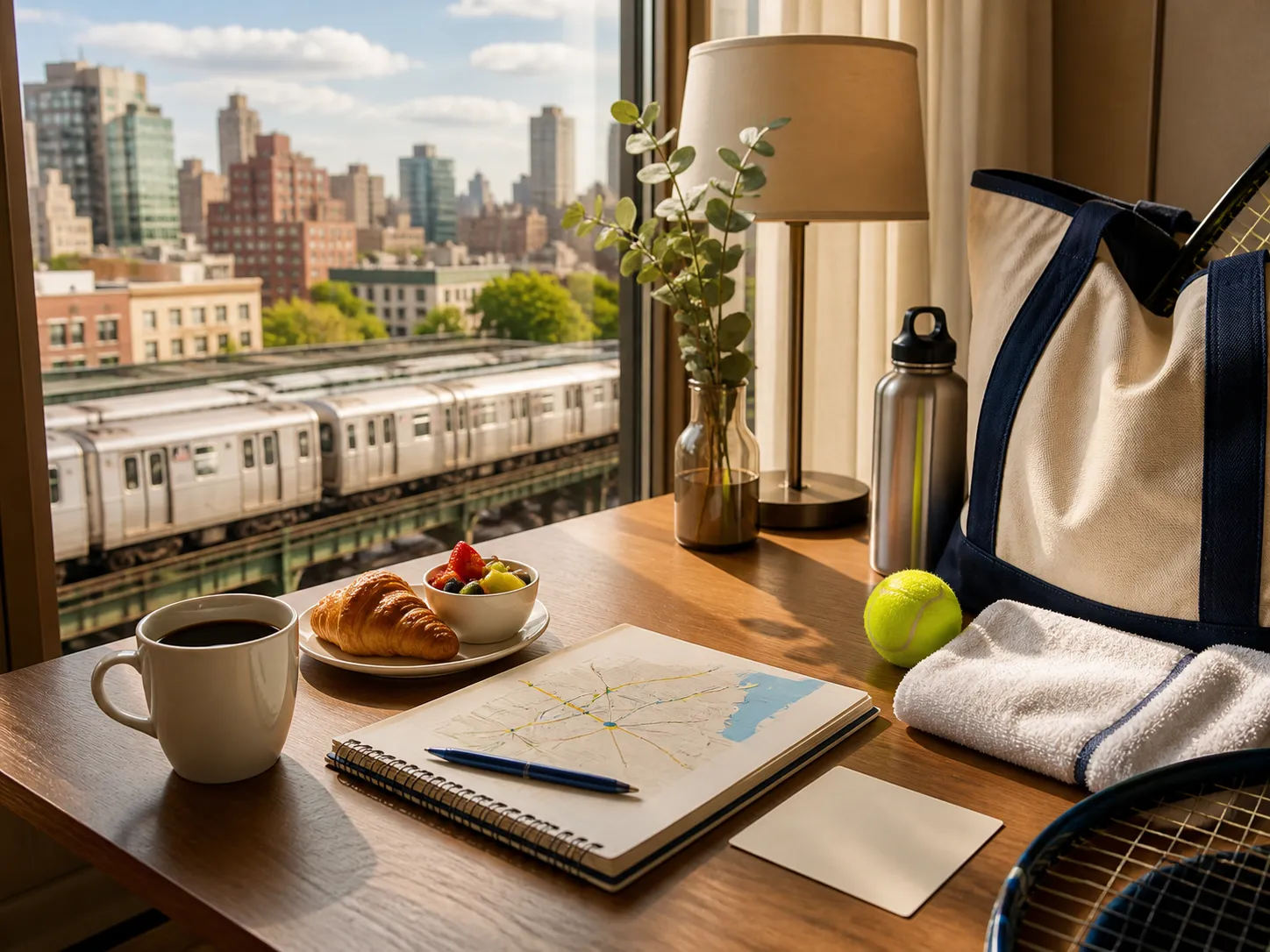
A day session can start at eleven and a night session can run past midnight, especially during the second week. If you plan to stay for both, your phone needs to last fourteen hours under load: tickets, photos, texts, score updates, and the occasional map check. Before you leave your hotel in Long Island City or your apartment in Astoria, charge to one hundred percent and close every background app. Enable low-power mode as soon as you board the 7 train. Bring a fully charged portable battery—ten thousand milliamp-hours will top up most phones twice—and keep the cable in an outside pocket so you can charge while walking. Airplane mode between matches saves power; toggle it off only when you need live data. Download offline maps of Flushing Meadows and the surrounding blocks in Google Maps or Apple Maps the night before. save offline copies of your tickets, your meeting-point texts, and the MTA service-status page from new.mta.info so you have them even when the cell towers are overwhelmed.
Offline Planning: Paper, Photos, and Landmarks
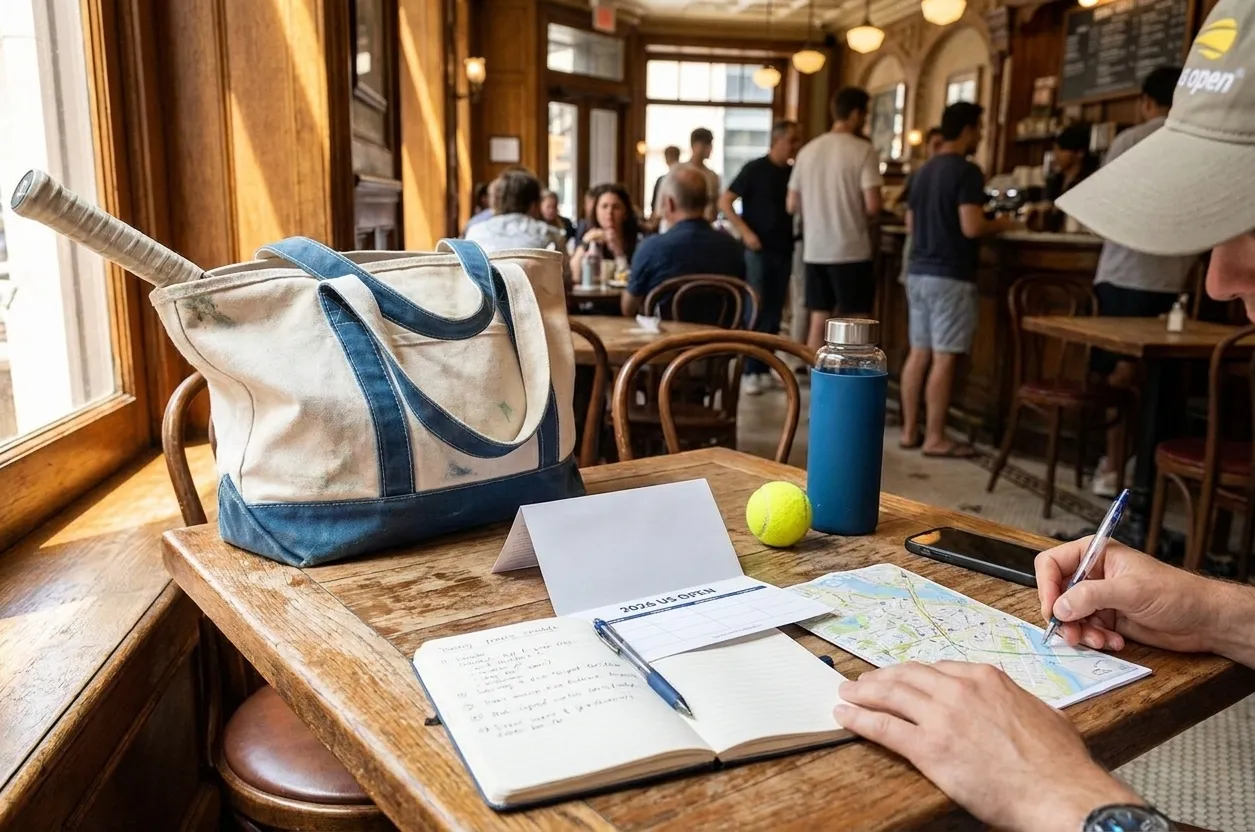
Print or write down your session time, gate number, and seat section on a card that fits in your wallet. Take a photo of the official transportation-directions page at usopen.org so you know which subway exit and pedestrian bridge to use. When you arrive, photograph the Unisphere from the angle you approached—it's the most recognizable landmark in Flushing Meadows and makes a perfect "meet here" reference point. Note the name of the nearest plaza or food court to your seat; the grounds are large, and "near Court 17" is more useful than "somewhere in the south end." If you're traveling with a group, agree on a backup meeting spot—the Billie Jean King National Tennis Center main entrance, the 7-train platform at Mets–Willets Point, or the Queens Museum steps—and write it down for everyone. Paper and photos don't need signal, battery, or cloud sync.
Photo Ideas That Double as Documentation
Every photo you take can serve two purposes: memory and wayfinding. Capture the exterior of Arthur Ashe Stadium with the session time visible on the scoreboard. Photograph your seat view before the first match so you remember the angle and the court number. Snap the food-plaza map posted near the entrance so you can compare options later without wandering. Take a picture of the prohibited-items sign at the gate—it reminds you what you can't bring next time and serves as a timestamp for the day. If you park at Citi Field or a nearby lot, photograph the lot number, row letter, and a landmark like a light pole or fence corner. These images cost no extra battery if you batch them during low-power moments, and they turn your camera roll into a navigational archive.
Practical Tech Habits for Crowded Event Days
Crowds mean slow data, dropped calls, and delayed message delivery. Send your "I'm here" or "running late" texts before you enter the gates, when you still have four bars. Use Wi-Fi calling if your carrier supports it—some areas of the grounds may have venue Wi-Fi, but don't rely on it for anything urgent. Turn off automatic photo uploads and app updates so your phone isn't burning battery trying to sync in the background. If you're meeting someone, share your location once when you arrive and then switch to time-based check-ins: "I'll be at the Unisphere at three." Avoid video streaming, live social posts, and heavy browsing until you're back on the subway or in a less congested area. Treat your phone like a limited resource, because in a crowd of forty thousand, it is.
Queens Context: Transit, Libraries, and Charging Stops
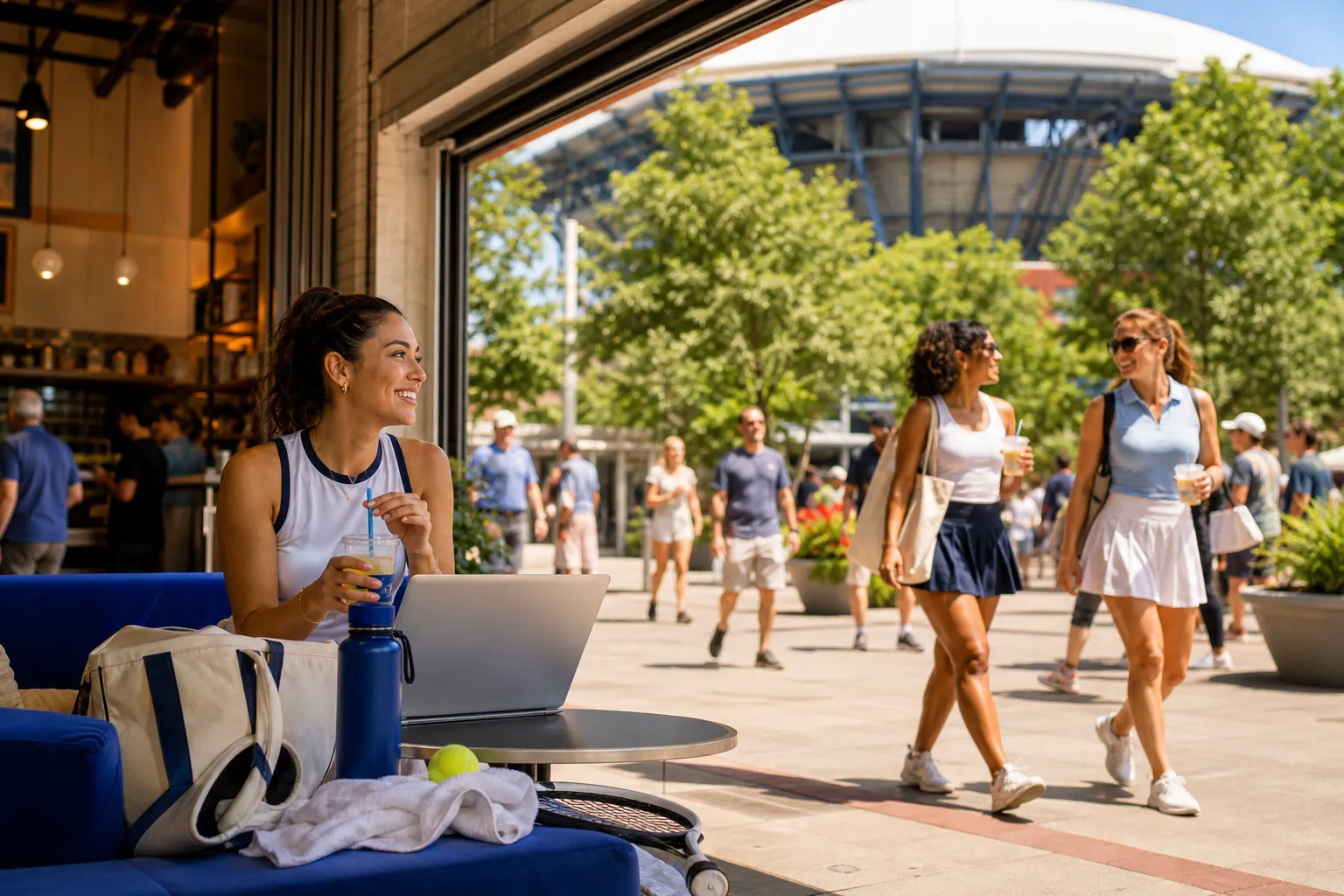
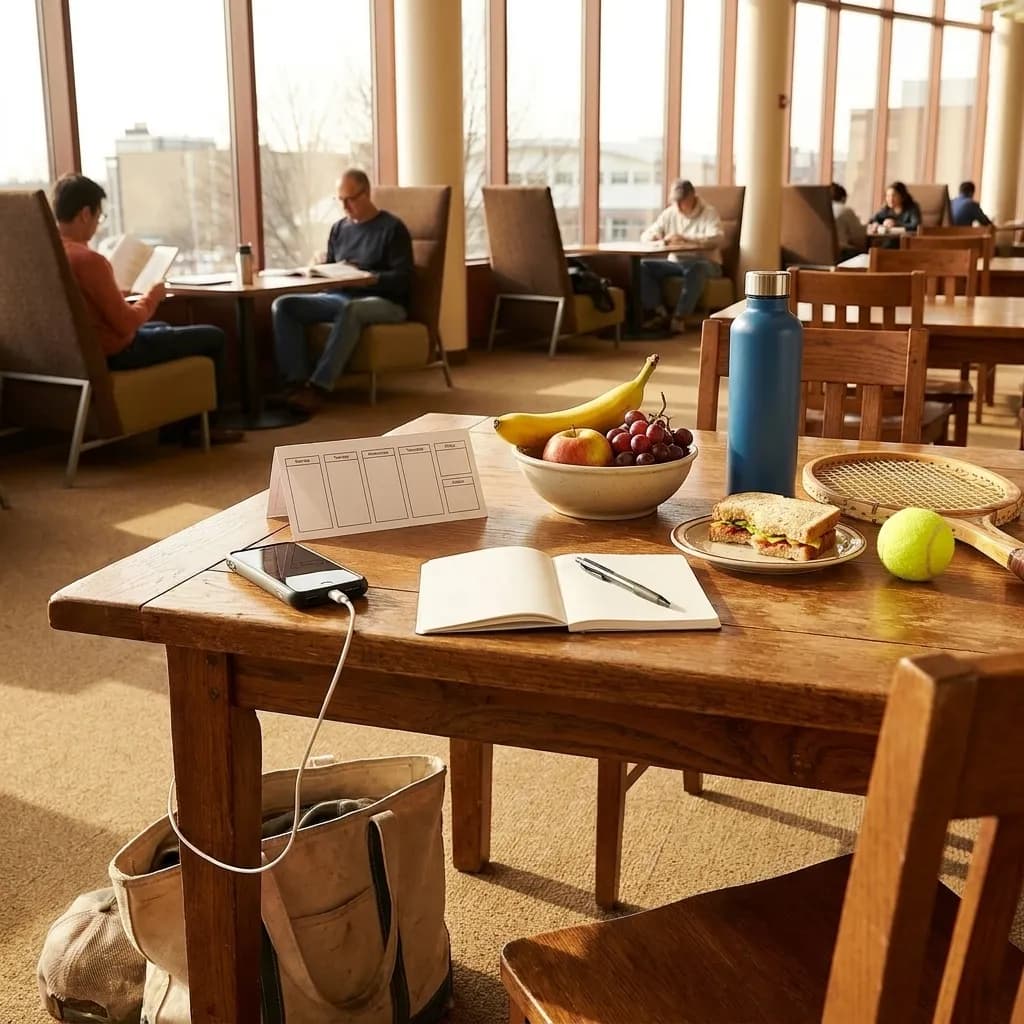
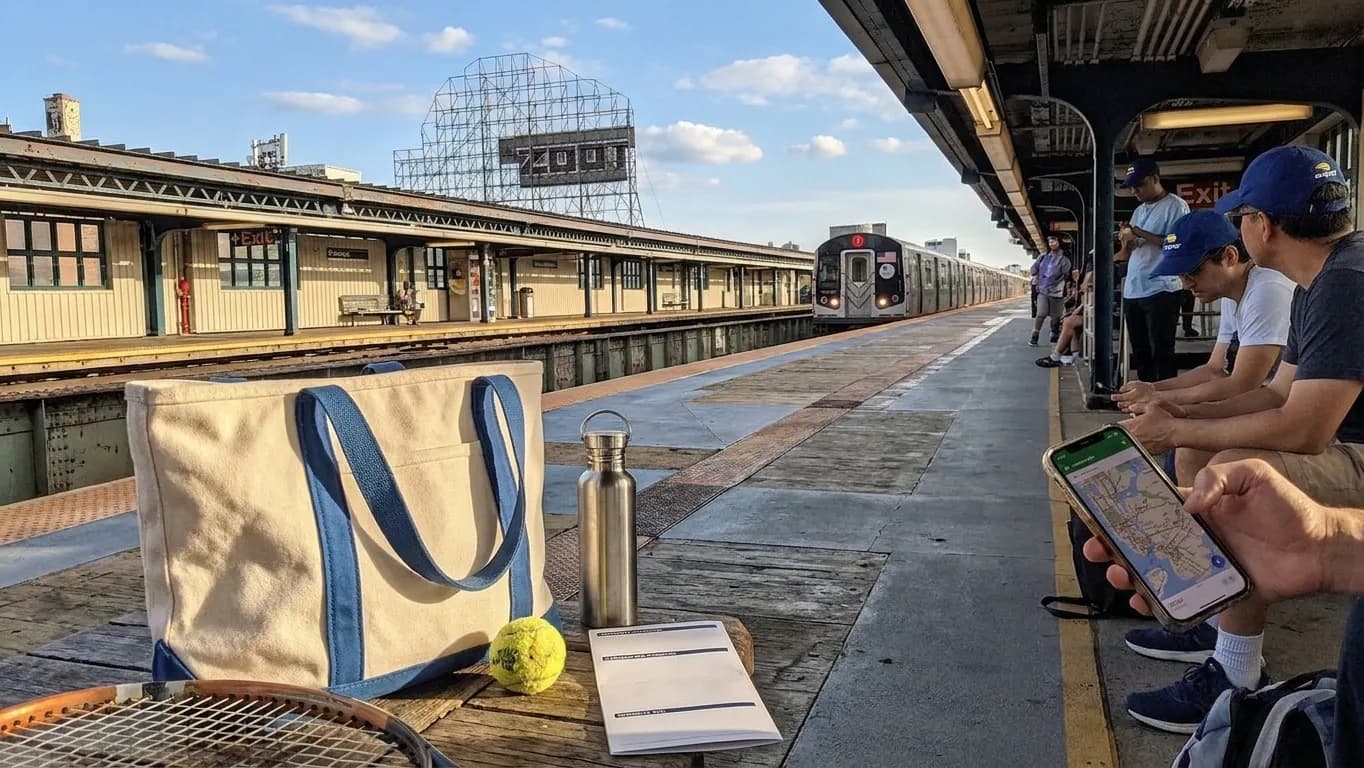
The 7 train from Manhattan or the Long Island Rail Road from Penn Station both stop at Mets–Willets Point, a short walk to the US Open gates. If you arrive early or need a pre-session charging stop, the Flushing branch of Queens Public Library—about a mile north on Main Street—offers tables, outlets, and restrooms in a quiet environment; check queenslibrary.org for current hours. Corona Plaza, a ten-minute walk west, has benches and food vendors if you want to eat before entering the grounds and facing venue prices. After a night session, the 7 train runs frequently back to Jackson Heights, Long Island City, and Manhattan, but check new.mta.info for any weekend or late-night service changes. If you're staying in Astoria or Flushing, plan your return route in daylight and save offline the schedule so you're not hunting for information at eleven-thirty with five percent battery.
What to Check Close to Your Visit
The official US Open event schedule at usopen.org goes live in the spring and updates daily during the tournament; confirm your session start time and any weather-delay policies a day or two before you go. The prohibited-items guide at usopen.org lists bag-size limits, camera rules, and what you can't bring through security—review it so you don't lose time at the gate. MTA service status at new.mta.info shows planned work and real-time delays; check it the morning of your trip and again before you leave the grounds. If you're planning a library stop or a meal in Corona or Flushing, verify hours and closures on the business or library website the same day. Weather forecasts matter for outdoor courts and long waits; the US Open has a retractable roof on Arthur Ashe but not on the smaller courts, so bring a hat or a light rain layer if the forecast is uncertain.
This article reflects public information available as of early 2025. It does not make claims about current trends, outages, rumors, stock moves, product features, athlete participation, schedule conflicts, weather events, recalls, or service disruptions. It offers no medical, legal, financial, emergency, or safety guarantees. Verify event details, transit schedules, library hours, business operations, and weather conditions with official sources close to your visit.
US Open, Billie Jean King National Tennis Center, and related names are trademarks of the United States Tennis Association. MTA, Queens Public Library, and other institutional names are trademarks of their respective owners. This article is editorial content and is not affiliated with or endorsed by any trademark holder.
Ask Karpo
Tags: #USOpen2026 #Queens #FlushingMeadows #KarpoFinds #Karpo #samaltmansingularity #NewYorkLocal #TennisTravel #NYCLocalLife #TennisTravel
Sources consulted: usopen.org — Official event schedule · usopen.org — Official visitor A-Z guide · usopen.org — Official transportation directions · usopen.org — Official prohibited-items guide · Queens Public Library · MTA — Service status
All trademarks are the property of their respective owners.
Ask Karpo first
Want to know what is actually open, how to time the trip, and where to pause around Queens? Ask Karpo for the latest public US Open context, a respectful visitor plan, and a live route around Flushing Meadows before you head out.