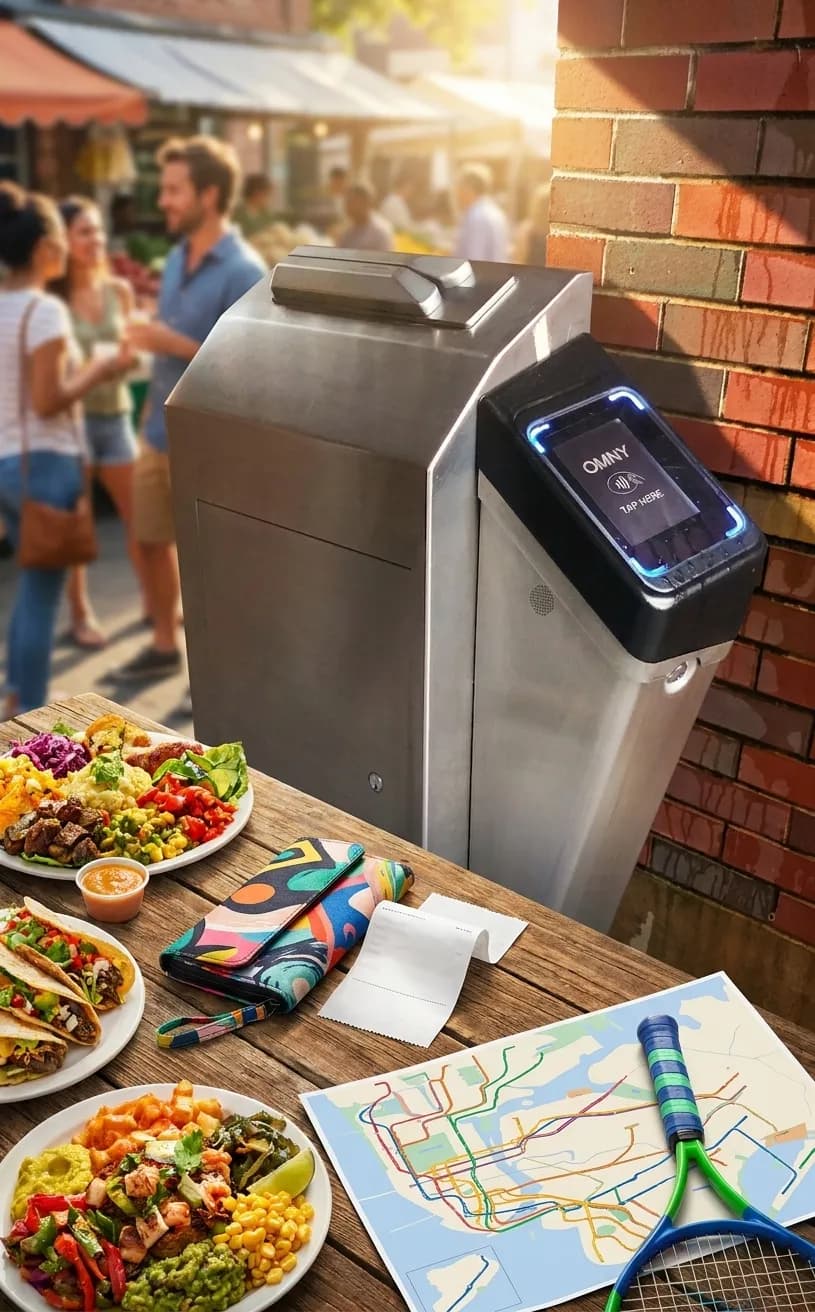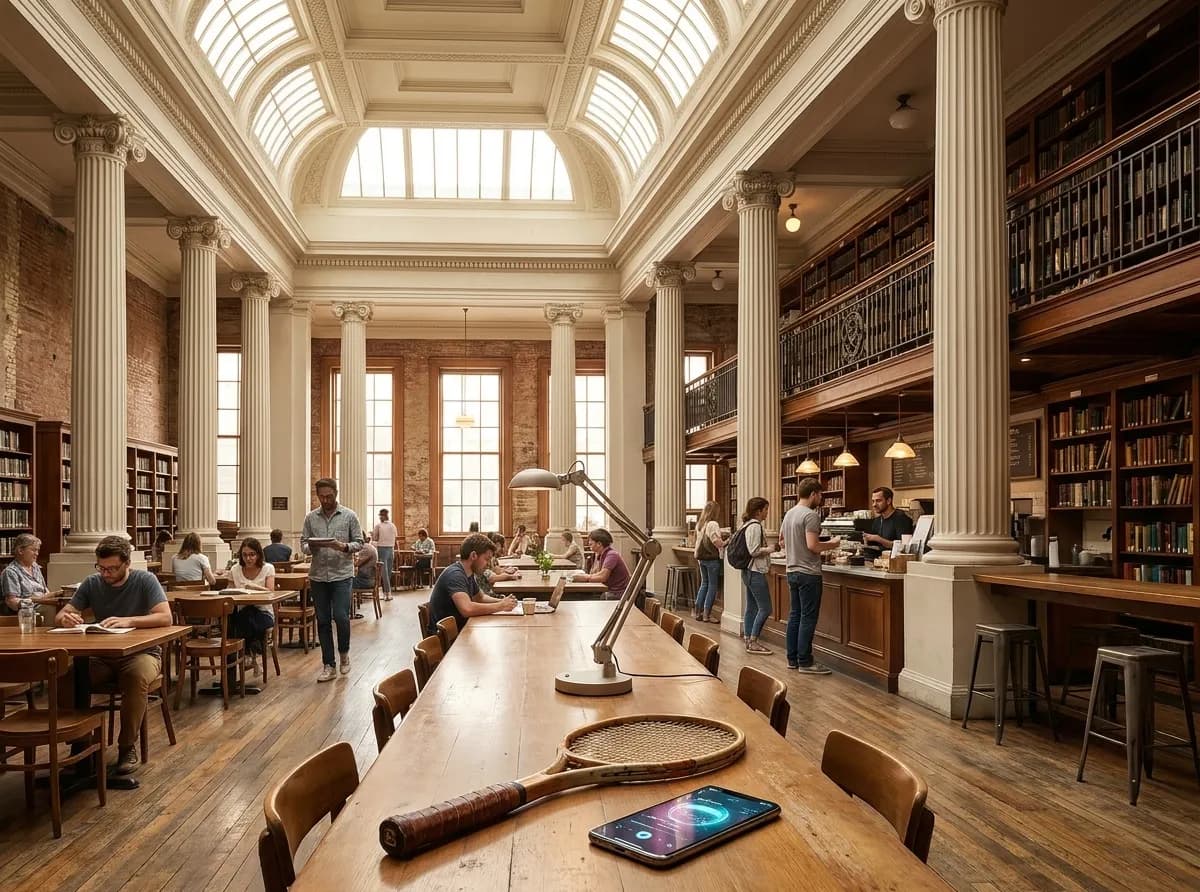
The phrase "sam altman singularity" has been circulating in tech circles as shorthand for the moment when artificial intelligence fundamentally changes daily routines, but for New Yorkers planning a visit to the US Open in Queens, that shift is already underway in quieter, more practical ways. Automated ticketing gates, self-service food kiosks, contactless payment lanes, and real-time transit apps have transformed the experience of attending a major sporting event at the USTA Billie Jean King National Tennis Center in Flushing Meadows. Whether you're a longtime tennis fan or a first-time visitor curious about how technology is reshaping large-scale public events, understanding these automated systems will help you move through the grounds, the surrounding neighborhoods, and the transit network with confidence and less friction.
Text Karpo with your US Open session time and Queens starting point, and we’ll turn this automated city experiences idea into a practical local plan.

Automated Entry and Ticketing at the USTA Billie Jean King National Tennis Center
The US Open has steadily adopted automated entry systems that rely on mobile tickets, QR codes, and self-scan gates. If you're arriving from the 7 train at Mets–Willets Point or via the Long Island Rail Road, you'll encounter these touchpoints immediately. Mobile ticketing means your phone becomes your credential, and the scanning process is designed to move thousands of visitors through security checkpoints quickly. Familiarize yourself with the official US Open visitor A-Z guide and prohibited-items list before you leave home, so you're not surprised by bag-size restrictions or the ban on certain electronics and containers. The fewer manual checks required, the faster the automated lanes move, and the sooner you're inside watching tennis.
Self-Service Food and Beverage Kiosks Inside the Grounds
Once you're through the gates, the food and beverage experience has shifted toward self-service kiosks and mobile ordering. These touchscreen stations let you browse menus, customize orders, and pay with a tap or swipe, reducing wait times during high-traffic sessions. The technology mirrors what you'll find at quick-service restaurants across New York, but the scale and density at a major tournament can feel overwhelming if you're unprepared. Bring a credit or debit card that supports contactless payment, and consider checking for any event-specific app ahead of time. The automation is designed to keep lines moving, but it also means you'll need to be comfortable navigating digital menus and confirming orders on a screen rather than speaking to a cashier.
Real-Time Transit Apps and the 7 Train Corridor
Getting to and from Flushing Meadows relies heavily on the 7 train, and the MTA's real-time service updates have become an essential planning tool. Automated train-arrival displays, mobile alerts, and live service-status feeds let you adjust your route if there are delays or track work. The 7 line connects Manhattan, Long Island City, Sunnyside, Woodside, Jackson Heights, Elmhurst, Corona, and Flushing, so you have multiple options for where to start your day or where to grab a meal after the final match. Check the official MTA service status page before you leave, and again when you're ready to head home, especially during evening sessions when crowds converge on the platform. The automation gives you visibility, but it's still up to you to interpret the information and choose an alternate route if needed.
Contactless Payment Across Queens Neighborhoods
The shift toward automated payment extends beyond the tournament grounds into the surrounding Queens neighborhoods. Many restaurants, bakeries, and corner stores in Flushing, Corona, and Jackson Heights now accept tap-to-pay cards and mobile wallets, streamlining transactions and reducing the need to carry cash. If you're planning to explore before or after your session, this contactless infrastructure makes it easier to hop between a Taiwanese breakfast spot, a Colombian bakery, and a bubble-tea shop without fumbling for bills or waiting for change. The technology is widespread but not universal, so it's still wise to carry a small amount of cash for vendors who haven't adopted automated payment systems. The convenience is real, but so is the variability across different blocks and business types.
Library and Community Resources for Digital Navigation
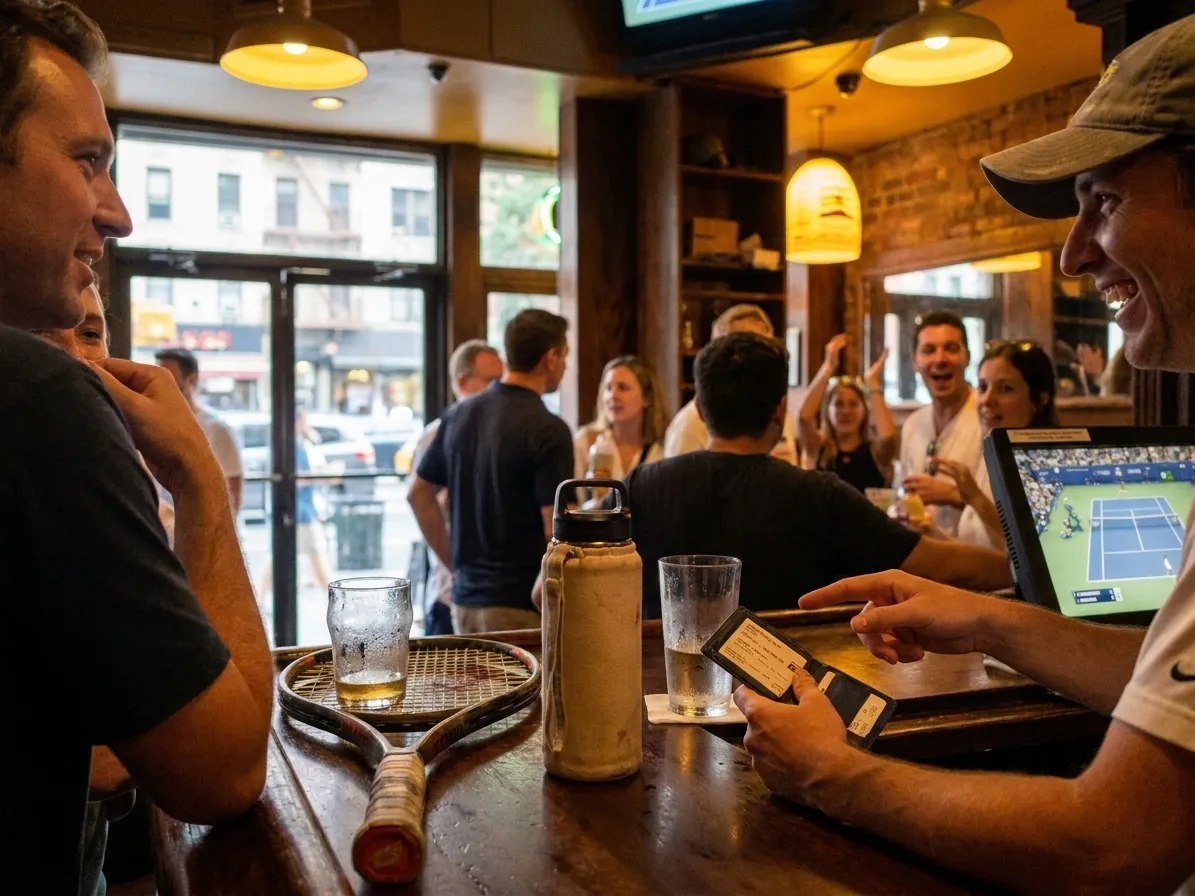
If you're less comfortable with mobile apps, QR codes, or touchscreen kiosks, the Queens Public Library system offers free digital-literacy workshops and one-on-one tech help at branches across the borough. Locations in Flushing, Corona, Jackson Heights, and Long Island City provide quiet spaces to practice using transit apps, mobile wallets, and event ticketing platforms before you're in the middle of a crowded tournament day. These sessions are designed for all skill levels, and staff can walk you through the basics of downloading apps, setting up contactless payment, and troubleshooting common issues. Check the library's website to confirm current program availability and branch access. The library system is a practical bridge between the automated city experience and the human support many New Yorkers still need to navigate it confidently.
Planning for Crowds, Connectivity, and Battery Life
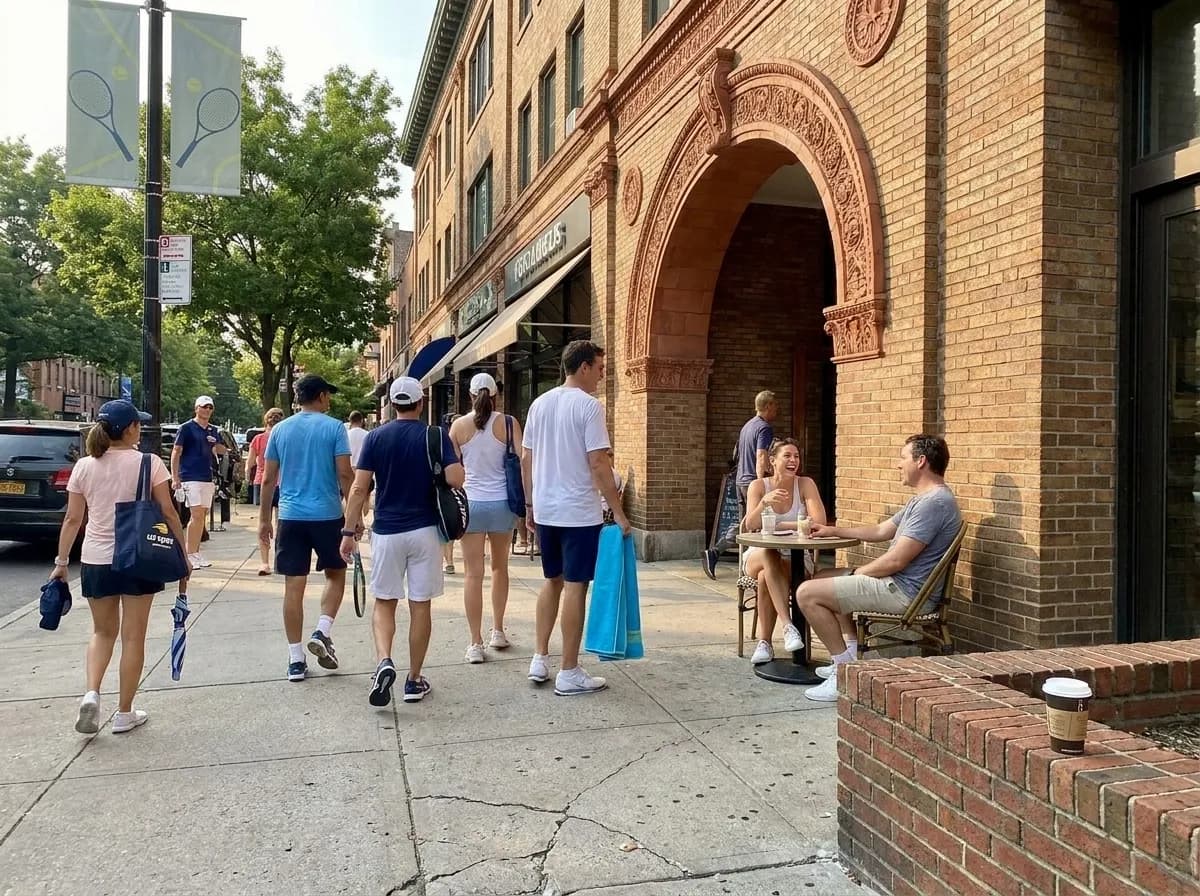
Automated systems depend on your phone staying charged and connected, which can be a challenge during a long day at the US Open. Bring a portable battery pack, and consider downloading offline maps or screenshots of your tickets and transit directions before you arrive. Cell networks can become congested when tens of thousands of people are streaming video, checking scores, and posting photos simultaneously. The official US Open event schedule will help you plan which sessions to attend and when to expect the heaviest crowds, but the automated experience works best when you've prepared for the moments when connectivity falters. A little analog backup—printed confirmation numbers, a paper map, a list of nearby cross streets—can make the difference between smooth navigation and frustration.
Practical Notes for Automated City Experiences at the US Open
- Review the official prohibited-items guide before packing, since automated entry gates flag oversized bags and restricted electronics quickly.
- Set up contactless payment on your phone or card before you leave home, and test it at a local store to confirm it works.
- Check the MTA service status page the morning of your visit and again before you head to the station, especially if you're traveling during off-peak hours.
- Download the US Open app or save mobile tickets to your phone's wallet, and take a screenshot as a backup in case of connectivity issues.
- Bring a portable battery pack and a charging cable, since automated systems rely on your phone staying powered throughout the day.
- Explore Queens Public Library branches for free digital-literacy help if you're unfamiliar with transit apps, mobile wallets, or self-service kiosks. Verify current program availability and branch access before visiting.
- Plan extra time for your first automated transaction—whether it's scanning a ticket, ordering food, or tapping to pay—so you're not rushed.
- Recheck official sources for transportation directions, event schedules, and any last-minute changes to automated entry procedures close to your visit date.
The convergence of automated technology and large-scale public events like the US Open offers a glimpse of how New York City is evolving, one contactless tap and self-service kiosk at a time. For Queens residents and visitors alike, understanding these systems transforms a potentially overwhelming experience into a manageable, even enjoyable, day out. The tools are there, the infrastructure is expanding, and the learning curve is shorter than you might expect—especially when you take the time to prepare, practice, and lean on the community resources that make navigating an automated city feel a little more human.
Tags: #USOpen2026 #Queens #FlushingMeadows #KarpoFinds #Karpo #samaltmansingularity #NewYorkLocal #TennisTravel
Sources consulted: usopen.org — Official event schedule · usopen.org — Official visitor A-Z guide · usopen.org — Official transportation directions · usopen.org — Official prohibited-items guide · Queens Public Library · MTA — Official service status
All trademarks are the property of their respective owners.