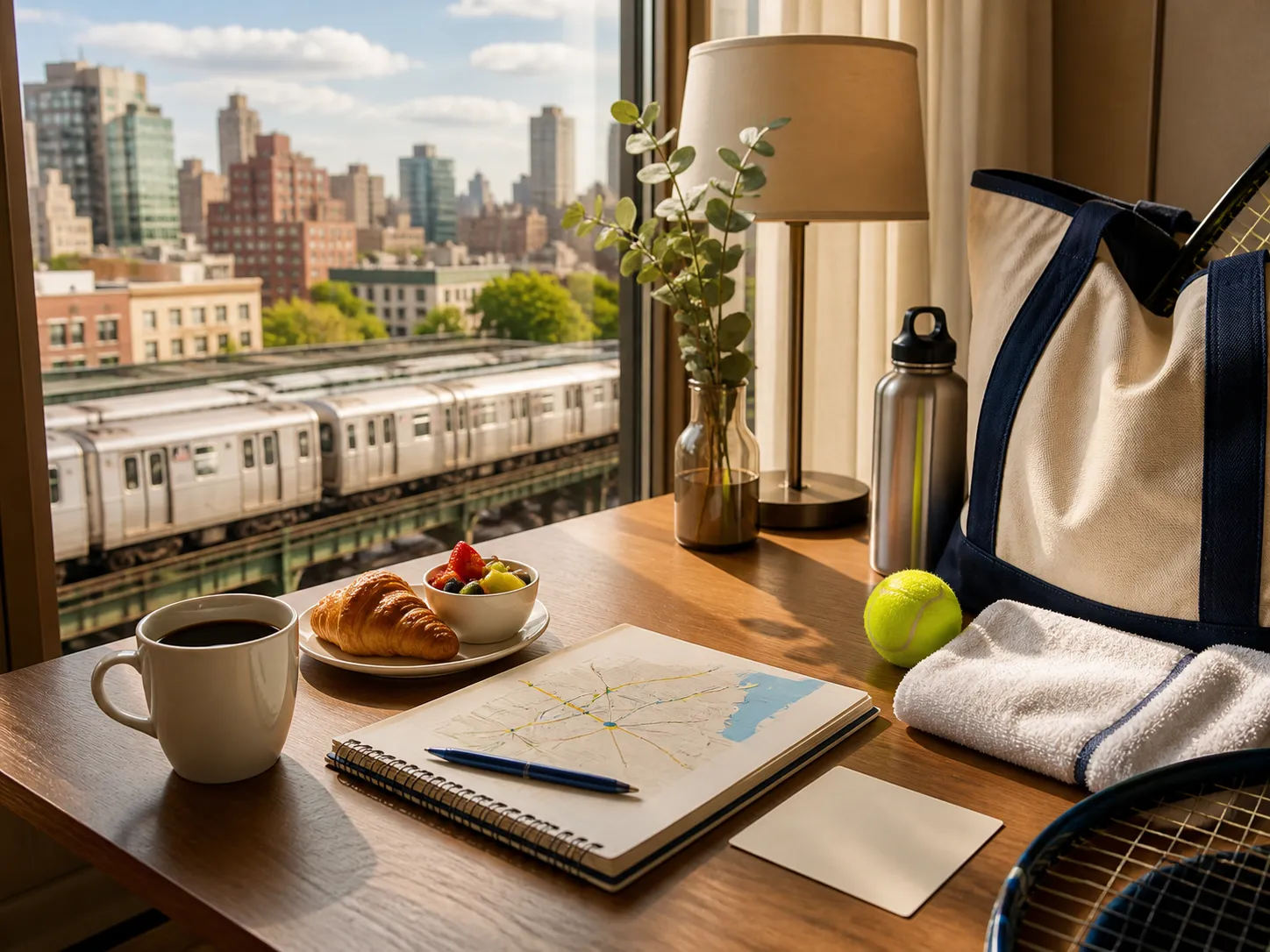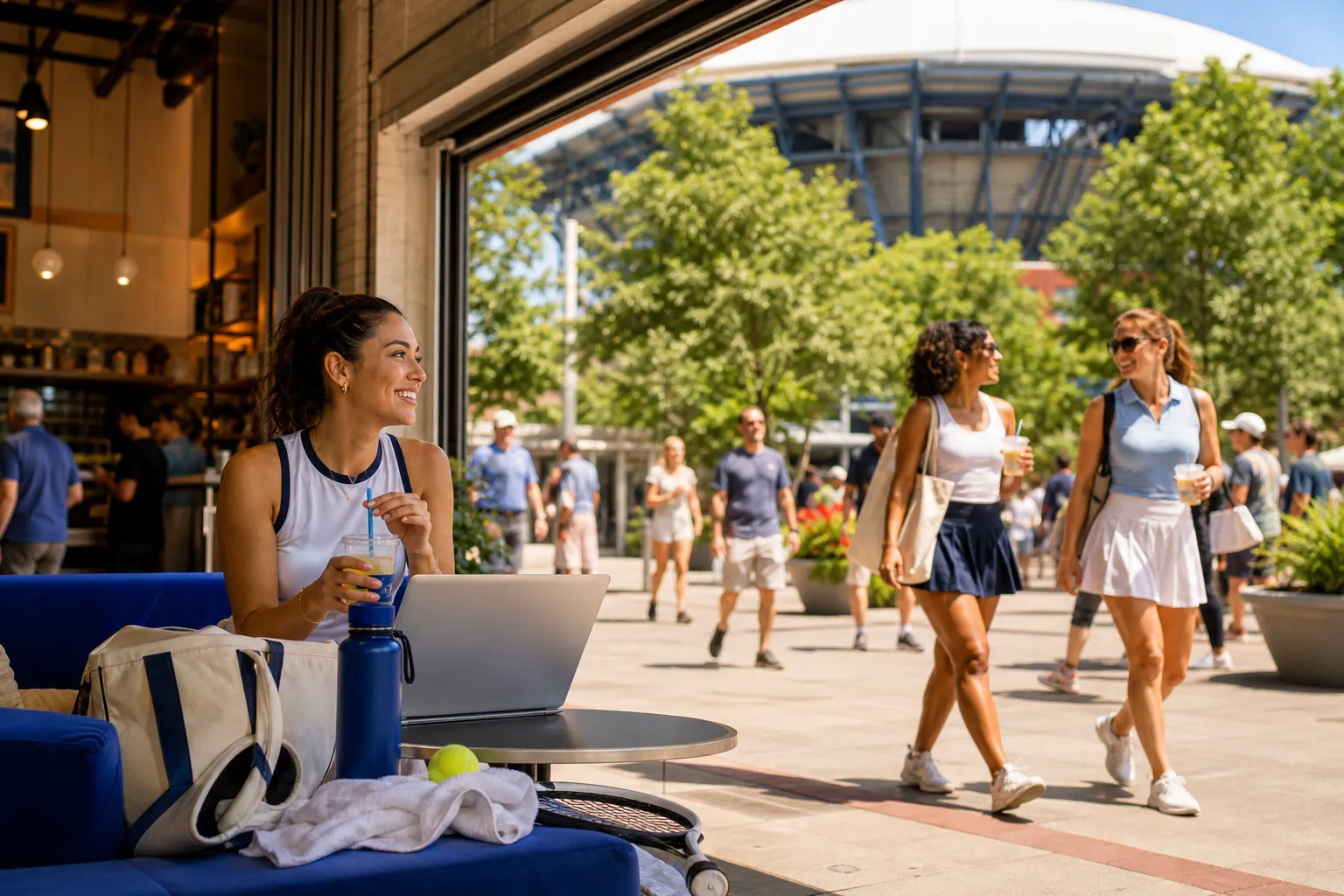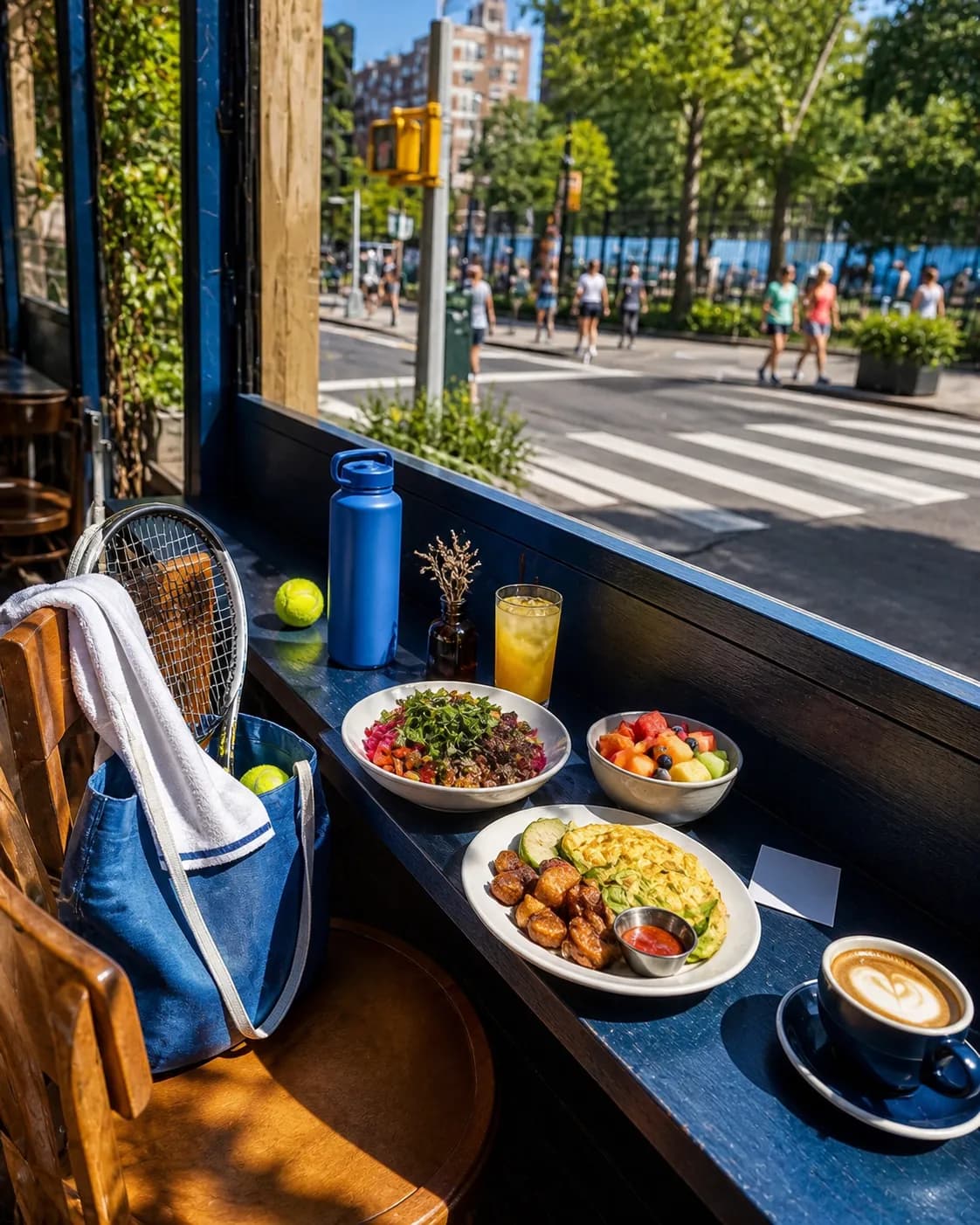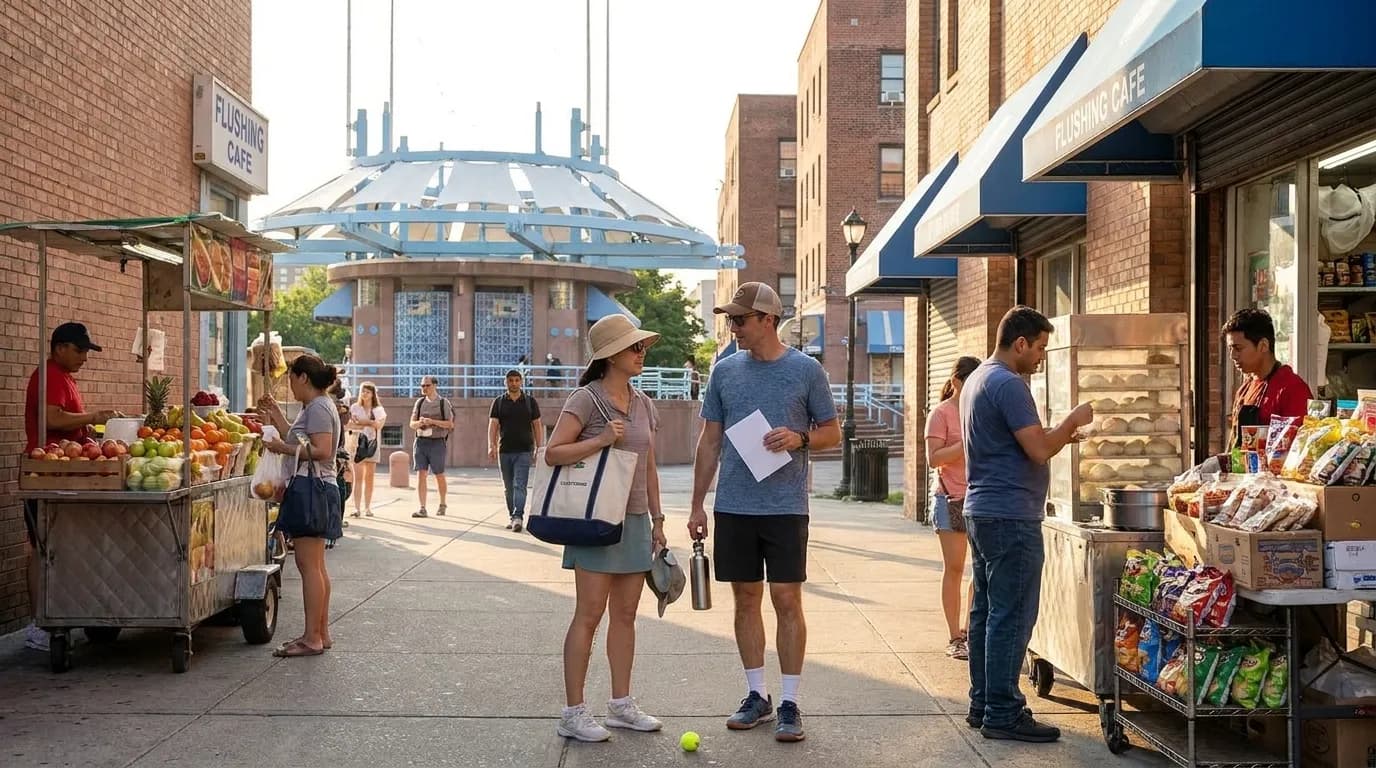
When national food-safety headlines about salmonella eggs circulate, they serve as a useful reminder for anyone planning long days at the US Open: think ahead about what you'll eat, where you'll source it, and how you'll keep your energy steady across hours of tennis, heat, and crowds. The 2026 tournament at the USTA Billie Jean King National Tennis Center in Flushing Meadows will once again draw tens of thousands of visitors daily, many of whom will navigate Queens neighborhoods, pack snacks, scout food vendors, and balance convenience with freshness. This article uses recent food-safety conversations as a practical planning lens—not a claim of current risk—to help you build a smarter eating strategy for match days, whether you're staying in Long Island City, grabbing breakfast in Jackson Heights, or packing a cooler in your hotel room before the 7 train ride.
Text Karpo with your US Open session time and Queens starting point, and we’ll turn this Queens food stops, snack planning, and practical match-day eating choices into a practical local plan.
Why Food Safety Headlines Matter for Tournament Planning
Salmonella eggs recalls—whenever they occur—highlight the importance of sourcing fresh food from reliable vendors, storing perishables correctly, and knowing what you're eating during high-stakes travel days. The US Open runs for two weeks in late August and early September, often in heat and humidity, which means packed snacks, cooler bags, and grab-and-go meals require extra attention. The official prohibited-items guide on usopen.org lists what you can and cannot bring into the grounds, including rules around outside food and beverage containers. Understanding those boundaries before you pack helps you avoid gate delays and wasted purchases. Food-safety awareness isn't about fear; it's about building routines that keep you comfortable, energized, and focused on the tennis rather than hunting for a bathroom or feeling sluggish in the stands.
What the Official US Open Rules Say About Outside Food
The official visitor A-Z guide and prohibited-items page on usopen.org clarify that soft-sided containers, small snacks, and sealed beverages are generally permitted, but hard coolers, glass, and large quantities are not. These rules evolve, so checking the current policy a few days before your session is essential. If you're planning to bring a sandwich, fruit, or granola bars, pack them in a soft lunch bag or reusable tote that fits under your seat. If you're buying food inside, the grounds offer dozens of concession stands, but lines can be long during marquee matches, and prices reflect venue economics. Knowing the rules lets you balance convenience, cost, and freshness without surprises at security.
Queens Breakfast and Snack Stops Before You Enter
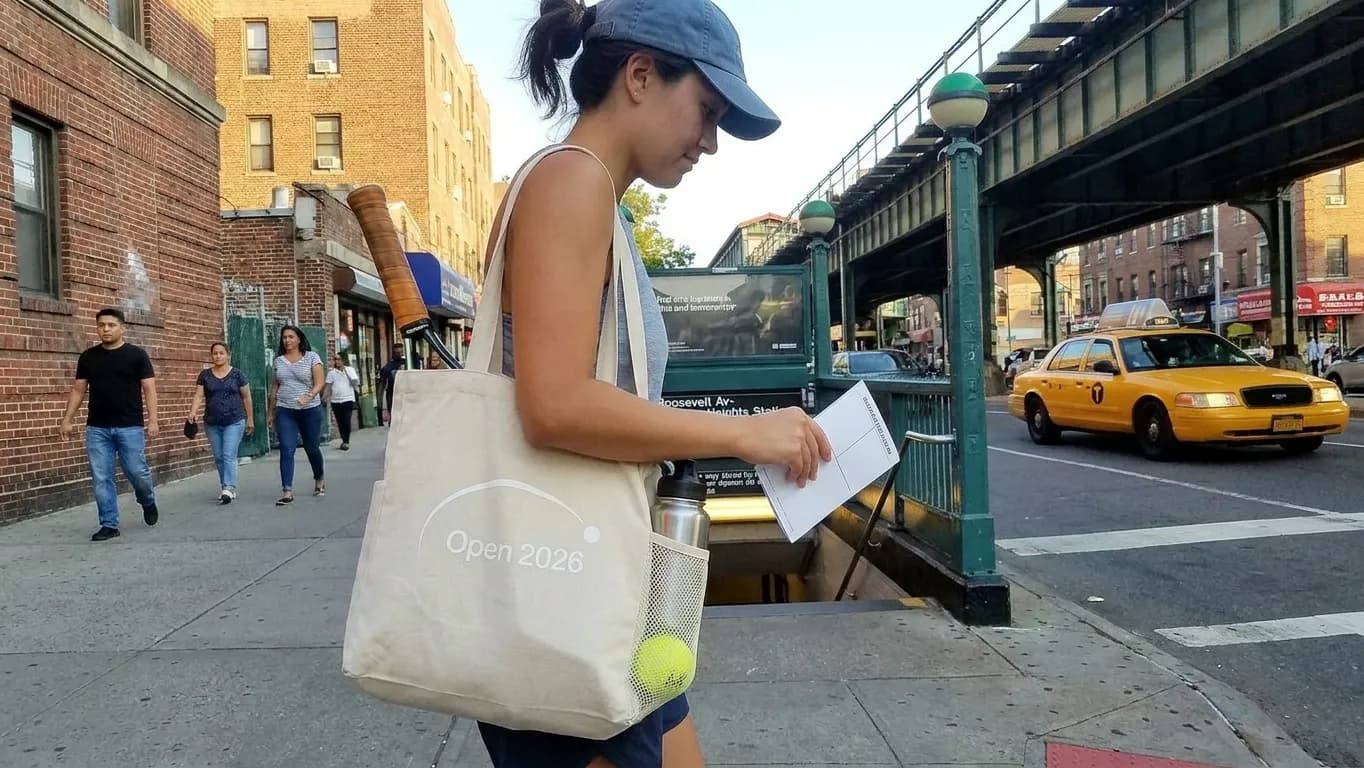
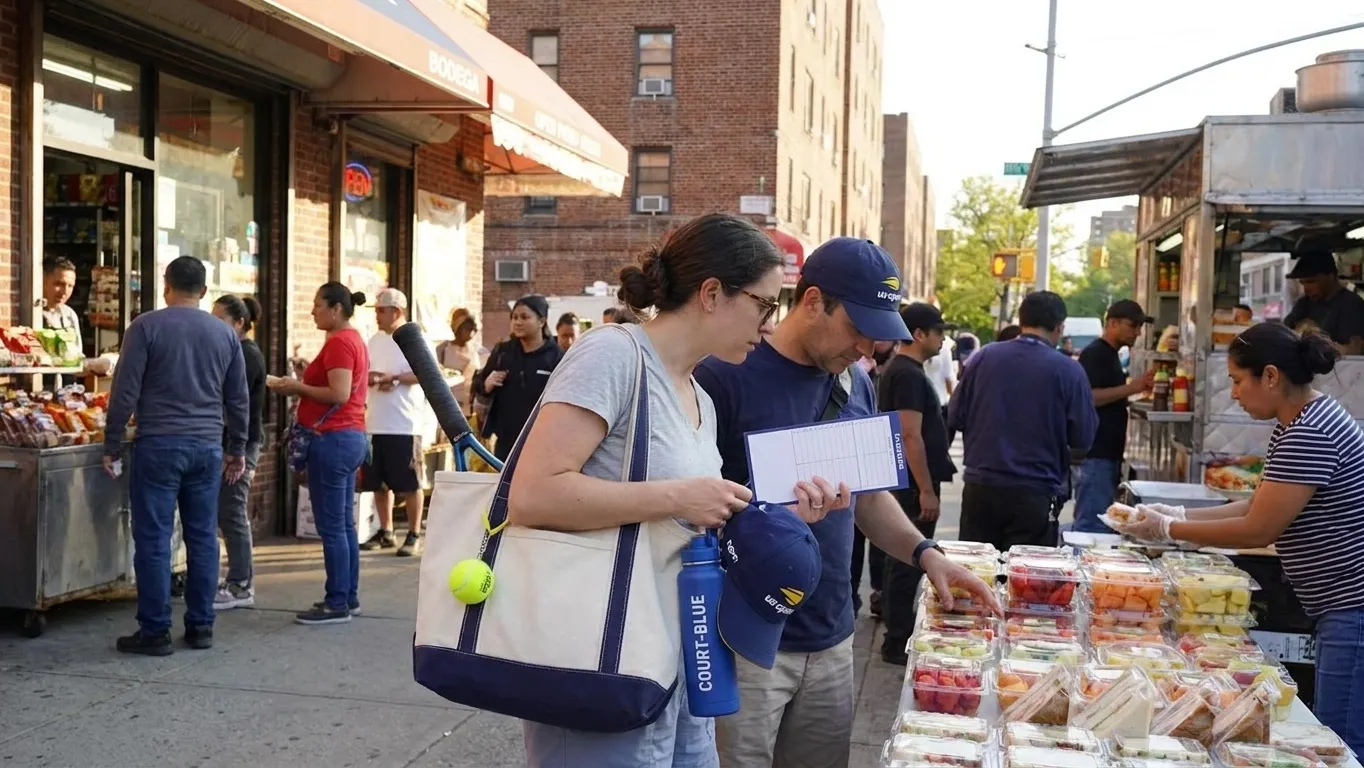
Flushing, Corona, and Jackson Heights are rich with bakeries, delis, fruit vendors, and cafés where you can assemble a fresh, affordable snack kit before heading to the grounds. Roosevelt Avenue, Main Street, and Junction Boulevard host dozens of small businesses serving empanadas, bagels, fresh-cut fruit, yogurt parfaits, and bottled drinks. If you're staying in Long Island City or Astoria, your hotel neighborhood likely offers similar options within a short walk or subway stop. The key is timing: aim to shop early, before the morning rush, and choose items that travel well and don't require refrigeration for a few hours. Bananas, apples, nuts, sealed cheese sticks, and whole-grain crackers are reliable choices. Avoid anything with mayo, raw egg, or cream that will sit unrefrigerated for more than an hour or two.
Packing Smart: Cooler Bags, Ice Packs, and Soft Containers
If you're bringing perishable snacks, a soft-sided cooler bag with a reusable ice pack keeps food safe and fresh without violating venue rules. Many Queens drugstores, supermarkets, and convenience stores sell small cooler totes and gel packs. Pack your bag the night before, store it in your hotel mini-fridge, and grab it on your way out. Layer ice packs between items, and place the most perishable foods—cheese, yogurt, deli meat—closest to the cold source. Once you're inside the grounds, keep the bag in shade when possible, and consume perishables early in your session. This approach mirrors the same food-safety principles that drive recall headlines: temperature control, freshness, and awareness of time.
Hydration, Heat, and the Role of Sealed Beverages
Late-summer heat at Flushing Meadows can be intense, and staying hydrated is as important as eating well. The official rules typically allow sealed, commercially bottled water and sports drinks, but reusable bottles may need to be empty at entry and filled inside. Water fountains and refill stations are available on the grounds, and knowing their locations—marked on the official venue map—saves time and money. If you're packing drinks, freeze a bottle overnight and let it thaw slowly in your bag; it acts as an ice pack and provides cold water by midday. Avoid sugary sodas or energy drinks that can dehydrate you further, and balance caffeine intake with plain water. Dehydration can mimic food-related discomfort, so tracking your fluid intake is part of a complete eating plan.
Navigating Concessions: What to Look For and When to Buy
If you choose to buy food inside, look for vendors with visible food-safety practices: gloves, sneeze guards, proper refrigeration, and clear labeling. Hot foods—grilled items, pizza, pretzels—are generally lower-risk than cold salads or sandwiches that have been sitting out. Timing your concession visits between matches or during less popular sessions reduces wait times and gives you a better view of food handling. The US Open has expanded its food offerings in recent years, including healthier options, but availability and quality vary by location and time of day. Bringing a base layer of snacks means you can supplement rather than rely entirely on concessions, giving you flexibility and control.
Post-Match Dining in Queens: Fresh, Reliable, and Close
After a long session, many visitors head back into Flushing, Corona, or Jackson Heights for dinner. These neighborhoods offer some of the city's most diverse and affordable dining, from Sichuan noodles to Colombian arepas to Greek tavernas. Choosing sit-down restaurants with visible kitchens, active turnover, and strong local reputations reduces food-safety risk and enhances your experience. Main Street in Flushing, Roosevelt Avenue in Jackson Heights, and 30th Avenue in Astoria are all accessible via the 7, E, F, M, N, W, or R trains and offer dozens of options within a few blocks. Eating a substantial, fresh meal after the match helps you recover, rehydrate, and prepare for the next day's session if you're attending multiple days.
Practical Notes for US Open Snack Planning
- Check the current prohibited-items list on usopen.org a few days before your session to confirm outside-food rules.
- Pack snacks in soft-sided bags or totes that fit under your seat and pass security quickly.
- Choose non-perishable or minimally perishable items if you won't have refrigeration: nuts, dried fruit, whole-grain crackers, sealed cheese.
- Use a reusable ice pack and soft cooler bag for yogurt, deli sandwiches, or fresh fruit; consume perishables early.
- Freeze a water bottle overnight to use as an ice pack and cold drink; refill empty bottles at fountains inside.
- Shop for snacks early in the morning at Queens delis, bakeries, or fruit stands near your hotel or subway stop.
- Avoid foods with mayo, raw egg, or cream that will sit unrefrigerated for more than an hour or two.
- Time concession purchases between matches or during off-peak sessions to reduce lines and observe food handling.
- Look for hot, freshly prepared items inside the grounds if you're buying rather than packing.
- Plan a post-match meal in Flushing, Jackson Heights, or Astoria to rehydrate, refuel, and enjoy Queens dining.
Building a Routine That Works Across Multiple Sessions
If you're attending the US Open for several days, establishing a consistent snack-and-meal routine saves time, money, and energy. Identify one or two reliable breakfast spots near your hotel, pack the same core snacks each day, and rotate fresh items to avoid boredom. Keep a small cooler bag, reusable ice pack, and refillable water bottle as part of your daily kit, and restock perishables each morning. This approach mirrors the food-safety principles behind recall headlines: consistency, freshness, and attention to temperature. It also frees up mental space to focus on match schedules, transit timing, and the experience itself rather than scrambling for food at the last minute.
Recent food-safety headlines about salmonella eggs and other recalls remind us that thoughtful planning around food sourcing, storage, and consumption matters—especially during high-energy, high-heat events like the US Open. By understanding official venue rules, scouting reliable Queens food stops, packing smart snacks, and building a flexible eating routine, you can stay energized, comfortable, and focused on the tennis. This isn't about fear or overreaction; it's about applying practical food-safety awareness to a complex travel day in one of the world's most diverse and dynamic urban settings.
US Open® is a registered trademark of the United States Tennis Association. This article is not affiliated with or endorsed by the USTA, the US Open, or the USTA Billie Jean King National Tennis Center.
Ask Karpo First
Tags: #USOpen2026 #Queens #FlushingMeadows #KarpoFinds #Karpo #salmonellaeggs #NewYorkLocal #TennisTravel #NYCLocalLife #TennisTravel
Sources consulted: usopen.org — Official event schedule · usopen.org — Official visitor A-Z guide · usopen.org — Official transportation directions · usopen.org — Official prohibited-items guide · NYC Tourism — Queens · NYC Health — Food Safety
All trademarks are the property of their respective owners.
Ask Karpo first
Want to know what is actually open, how to time the trip, and where to pause around Queens? Ask Karpo for the latest public US Open context, a respectful visitor plan, and a live route around Flushing Meadows before you head out.