Telephoto smartphone lenses have photographers curious about long-range shooting possibilities, and US Open fortnight in Queens offers a natural testing ground. Between the tournament's two-week run at the USTA Billie Jean King National Tennis Center in Flushing Meadows and the borough's mix of waterfront vistas, architectural landmarks, and green spaces, you can build a practical photography route that takes advantage of zoom reach while exploring neighborhoods you might not visit otherwise. This guide maps out shooting locations, transit logistics, and charging strategies so you can plan a day that balances camera experimentation with genuine Queens exploration.
Text Karpo with your US Open session time and Queens starting point, and we’ll turn this queens photography idea into a practical local plan.

Why Telephoto Range Matters in Queens
Periscope zoom lenses—typically offering multi-stage optical magnification—let you compress distance and isolate details without physically closing the gap. In Queens, that capability opens up compositions across the East River toward Manhattan, across Flushing Meadows' open lawns toward the Unisphere, or along elevated 7 train platforms where foreground and background layers stack visually. During US Open weeks, the tournament itself becomes a backdrop: you might frame the Arthur Ashe Stadium's distinctive scalloped roof from Flushing Meadows Corona Park pathways, or capture the temporary structures and crowd movement from public vantage points outside the ticketed grounds. The zoom range also helps in busy streetscapes—Jackson Heights' 74th Street corridor or the Long Island City waterfront—where you want a tighter frame without stepping into traffic or private space.
Flushing Meadows Corona Park: Open Sightlines and Iconic Structures
Flushing Meadows Corona Park surrounds the tennis center and offers multiple public pathways with clear views. The Unisphere—the 140-foot stainless steel globe—is the most recognizable subject, and telephoto compression lets you layer it against the Queens Museum, the New York State Pavilion's observation towers, or distant stadium rooflines. Early morning and late afternoon light rakes across the steel surface, emphasizing the continents' relief. Walk the perimeter paths on the park's north side for angles that include both the Unisphere and the US Open venue's temporary structures. The park's scale means you'll cover distance on foot; wear comfortable shoes and carry water. Public restrooms are typically available near the Unisphere and the Queens Museum, and the park's open layout makes it easy to reposition if your first angle doesn't work.
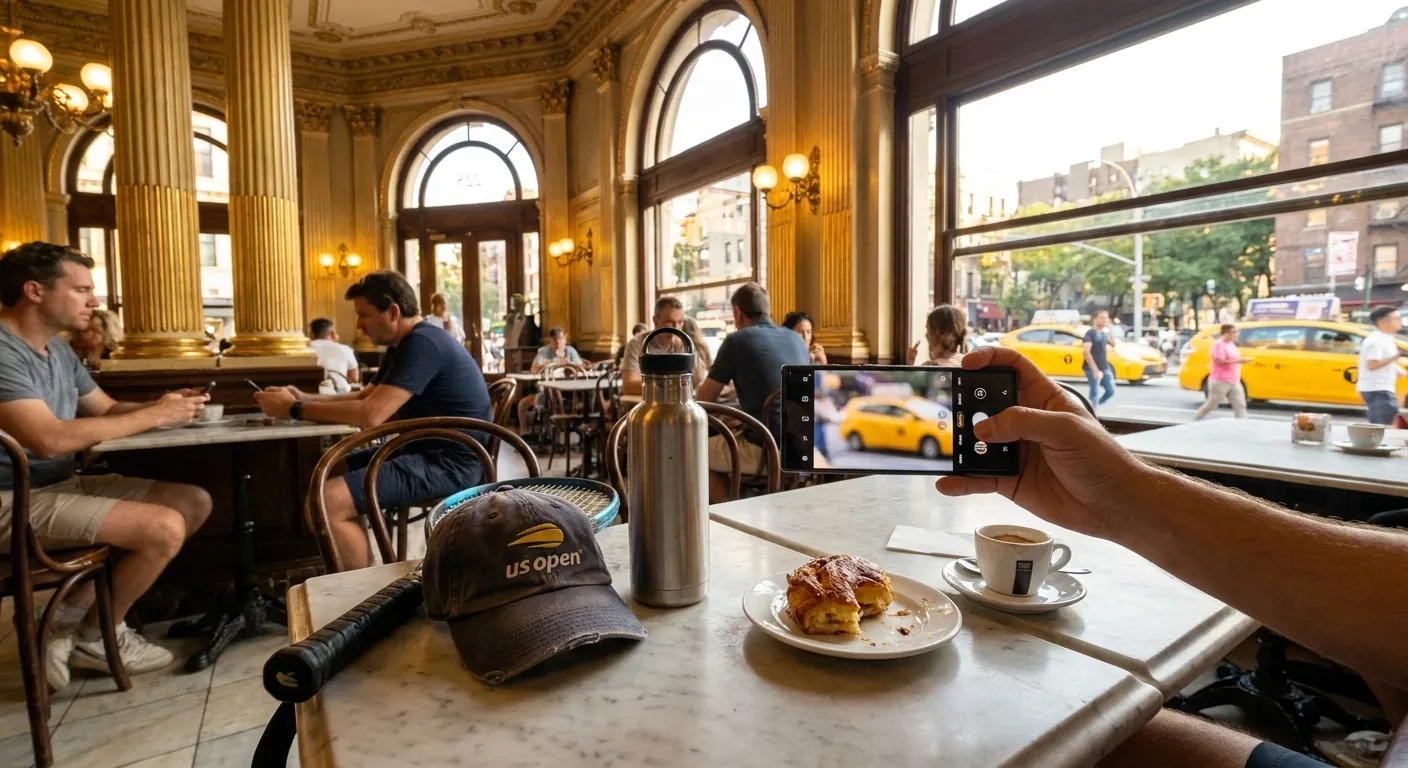
Long Island City Waterfront: Skyline Compression Across the East River
The Long Island City waterfront—Gantry Plaza State Park in particular—delivers classic Manhattan skyline views with the East River as middle ground. Telephoto zoom compresses the Midtown skyscrapers into a dense vertical stack, and the park's piers and restored gantry structures provide foreground interest. During US Open weeks, the waterfront sees a mix of local runners, tourists, and tennis fans taking a break from Flushing; the energy is relaxed but purposeful. Shoot during blue hour for lit windows against twilight sky, or midday for crisp detail if you're testing your phone's zoom sharpness. The park has benches, water fountains, and shade, making it a practical spot to review images and adjust settings. The 7 train to Vernon Boulevard–Jackson Avenue or the East River Ferry to Long Island City both deliver you within a short walk.
Transit Strategy: The 7 Train as Your Shooting Corridor
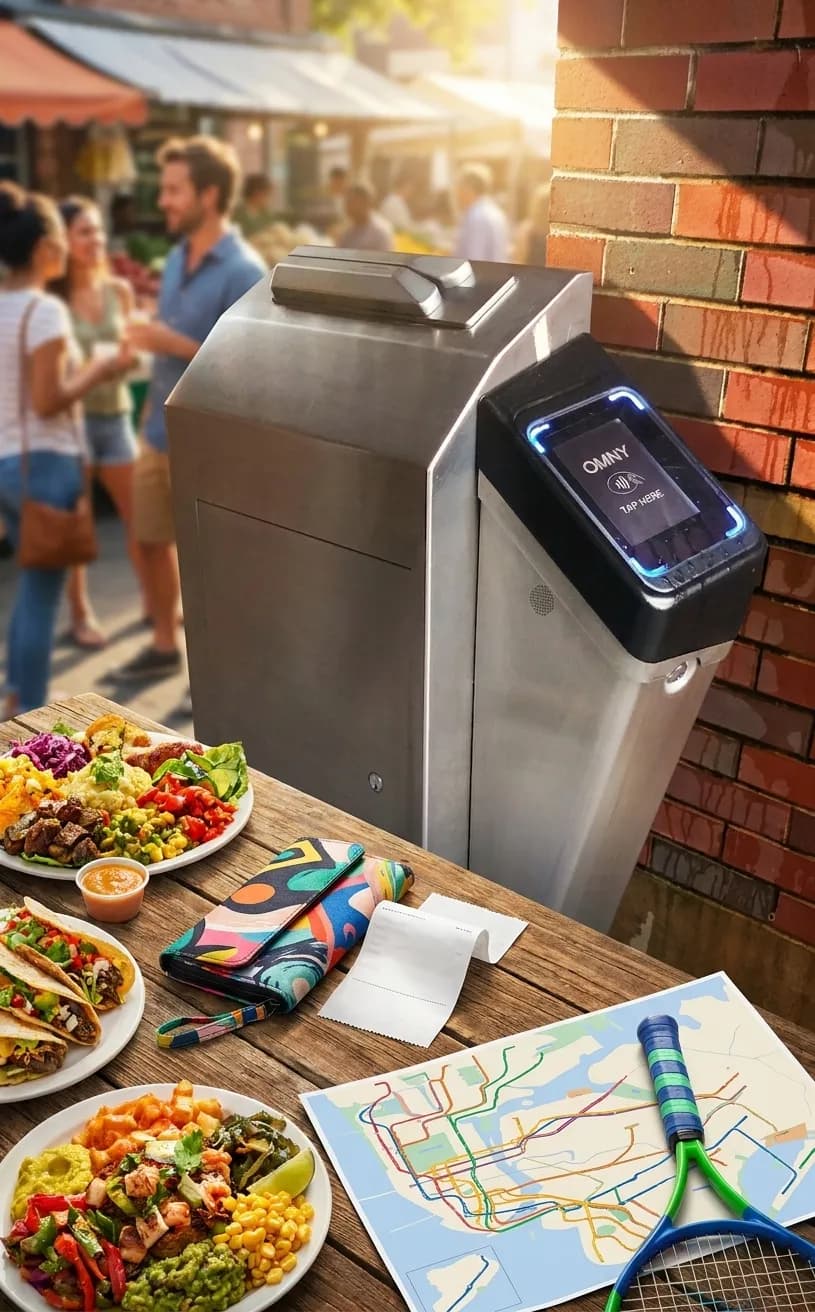
The 7 train connects Long Island City, Sunnyside, Woodside, Jackson Heights, Corona, and Flushing in a single elevated and underground route, and during US Open fortnight it carries a surge of tournament traffic. For photographers, the 7 offers a practical spine: you can hop off at multiple stations, shoot a neighborhood or park, then continue east or west. Elevated platforms—particularly at 61st Street–Woodside, 82nd Street–Jackson Heights, and Junction Boulevard—offer overhead vantage points for street scenes and roofline layers. Check the MTA's official service status before you travel; weekend and late-night schedules can shift, and crowding peaks in late afternoon when evening sessions begin at the tennis center. Multi-stop exploration is practical with tap-and-go fare payment. Keep your phone secure and your camera app ready; the best elevated-platform compositions appear and disappear quickly as trains arrive.
Battery, Storage, and Backup Power
Telephoto shooting—especially with computational zoom processing and image stabilization—drains battery faster than standard wide-angle snaps. A full day of photography in Queens, with transit navigation, map checks, and image review, can exhaust a phone by mid-afternoon. Carry a portable battery pack with enough capacity for at least one full recharge, and bring a short charging cable that won't tangle in your bag. Queens Public Library branches—including the Central Library in Jamaica and the Flushing branch—may offer public seating and power outlets; confirm current hours, visitor policies, and available services on the library's website before you rely on them. Cloud or local backup is also worth planning: a day of zoom photography generates large files, and you don't want to delete keepers to make room for new shots. Clear space on your device before you leave, or consider backup options that work with your phone model.
Practical Notes for a Queens Photography Day
- **Weather and light**: Check the forecast the night before; haze reduces telephoto sharpness, and direct midday sun can blow out highlights. Overcast days offer even light and saturated color.
- **Prohibited items at the tennis center**: If you plan to attend a US Open session, review the official prohibited-items guide on usopen.org. Large camera bags and tripods are restricted; a phone in your pocket is always permitted.
- **Hydration and snacks**: Flushing Meadows and the LIC waterfront have varying food vendor availability. Carry a refillable water bottle and a snack bar, especially if you're shooting through lunch.
- **Respect private property**: Telephoto reach lets you photograph distant subjects, but don't aim into residential windows or private yards. Stick to public streets, parks, and transit platforms.
- **Backup your route**: Save offline maps or screenshot your transit connections. Cell service is generally strong in Queens, but crowded stations and park areas can slow data.
Timing Your Visit Around Tournament Crowds
US Open sessions typically begin mid-morning and run into the evening, with the largest crowds arriving between late morning and early afternoon and again in early evening for night matches. If your photography plan includes Flushing Meadows Corona Park or nearby streets, early morning—before mid-morning—offers quieter pathways and softer light. Late morning and early afternoon bring the most foot traffic, which can add energy to street scenes but also means jostling for space on narrow park paths. The 7 train and local buses see peak crowding during session start times; if you're traveling with camera gear and a backpack, consider off-peak hours or plan extra time for platform waits. The official US Open event schedule on usopen.org lists session start times for each day of the tournament; cross-reference that with your shooting itinerary so you're not surprised by sudden surges.
Beyond the Zoom: What Else to Explore
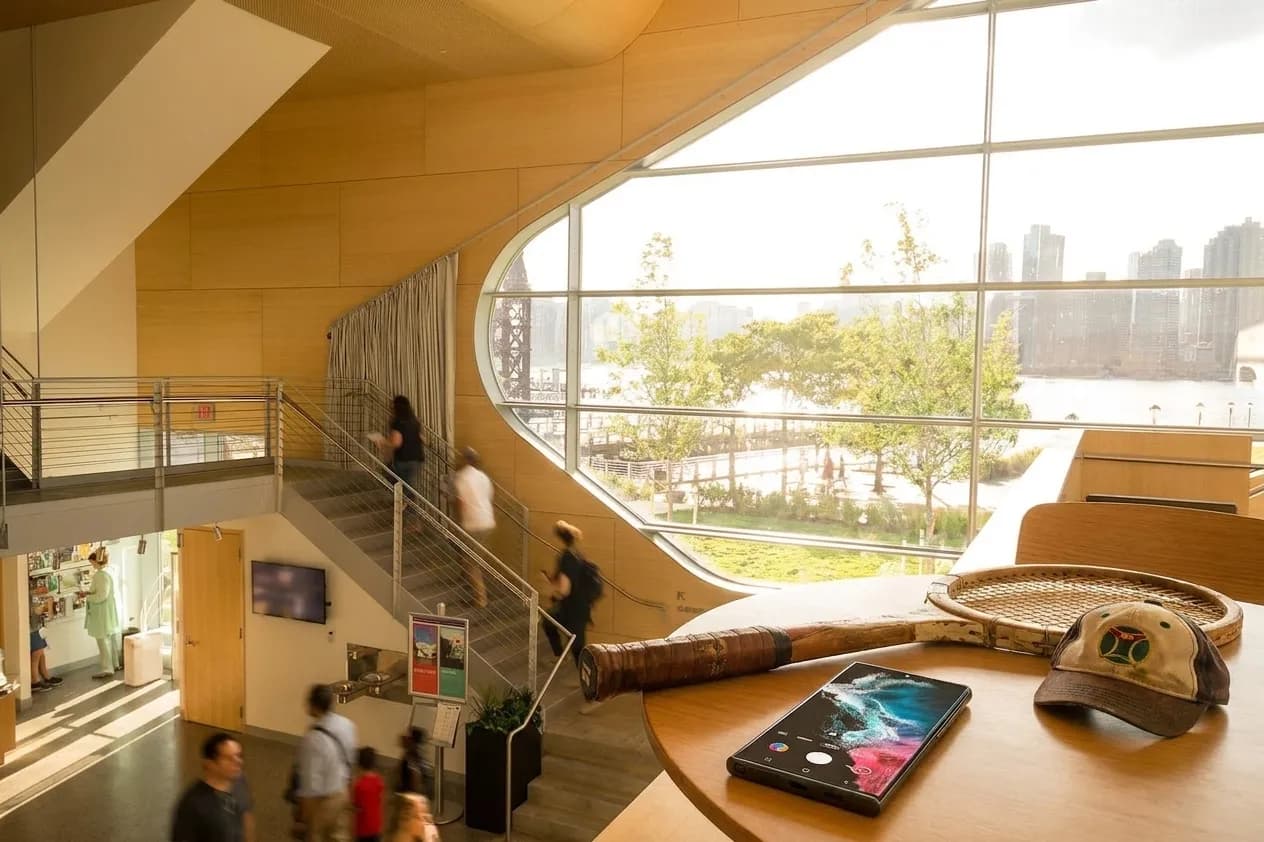
A telephoto-focused photography day doesn't mean ignoring wide-angle opportunities. Jackson Heights' 74th Street is one of the city's most vibrant commercial corridors, with storefronts, street vendors, and pedestrian energy that reward close-range documentary shooting. The Queens Museum, inside Flushing Meadows Corona Park, houses the Panorama of the City of New York—a large-scale model of the five boroughs—and may offer air-conditioned respite if the weather turns; verify current hours, admission policies, and access before your visit. Astoria's waterfront parks and Socrates Sculpture Park provide open space and public art, though they're farther west and require a separate transit leg. Balance your zoom experiments with neighborhood wandering; the best local photography often comes from noticing details you didn't plan for.
Tags: #USOpen2026 #Queens #FlushingMeadows #KarpoFinds #Karpo #s27ultra #NewYorkLocal #TennisTravel
Sources consulted: usopen.org — Official event schedule · usopen.org — Official visitor A-Z guide · usopen.org — Official transportation directions · usopen.org — Official prohibited-items guide · Queens Public Library · MTA — Official service status
All trademarks are the property of their respective owners.