The locked-in headline may say royal family, but the smart NYC move is not to chase rumors, private access, or a supposed sighting. Treat the phrase as a timely conversation hook for a public night out, then build the evening like a New Yorker: verify the room, keep the route short, and have a second option before the first one gets loud, full, or simply not your mood. NYC Tourism frames the city as a five-borough place with constant energy, endless activities, nightlife, eating and drinking, maps and guides, and annual events worth planning ahead for. That is enough to make a useful plan without pretending anyone famous will be there.
Want a bar-night plan that avoids rumor-chasing and dead-end doors? Text Karpo with your borough, start time, noise tolerance, and backup preference before you leave.

Use the topic as the night’s conversation starter
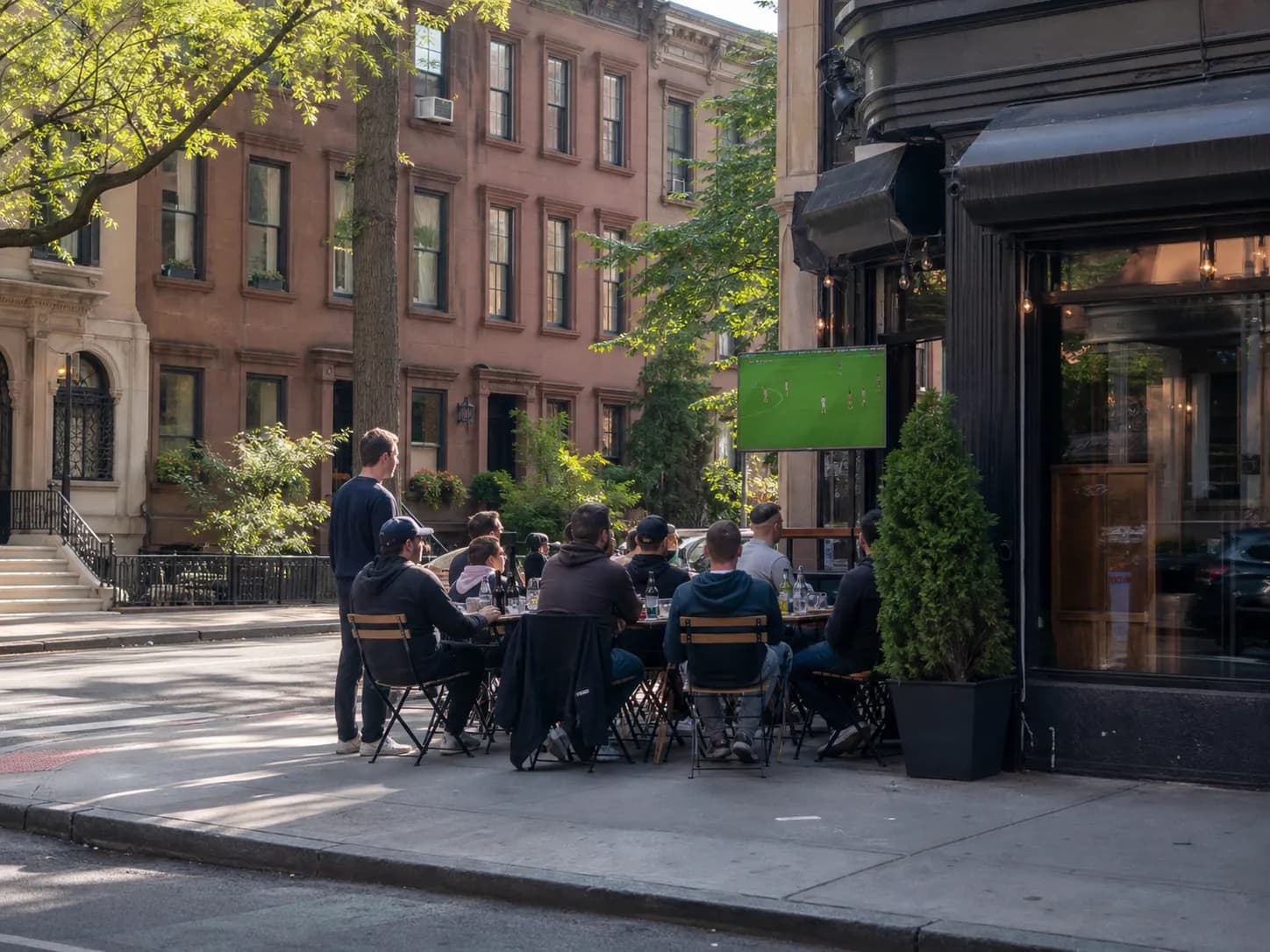
If “royal family” is why the group chat is suddenly awake, use it lightly: a reason to meet, not a reason to believe a local appearance is happening. NYC is built for public culture, food, performance, and nightlife, but this plan makes no claim of affiliation, endorsement, special access, or celebrity presence. The workable version is simple: choose a public bar or lounge, check its official page, confirm whether there is a program, and agree that the night succeeds even if the only royalty involved is the group ordering confidently.
Start by setting the social purpose. Is this a catch-up over cocktails, a louder room after dinner, or a quick stop before another city activity? NYC Tourism’s official city guide separates “Eat & Drink,” “Things to Do,” “Nightlife,” “Events & Festivals,” and “Maps & Guides,” which is a useful reminder that nightlife planning is not just picking a bar. It is choosing the right type of night for the people actually attending.
Choose sound level before cocktails
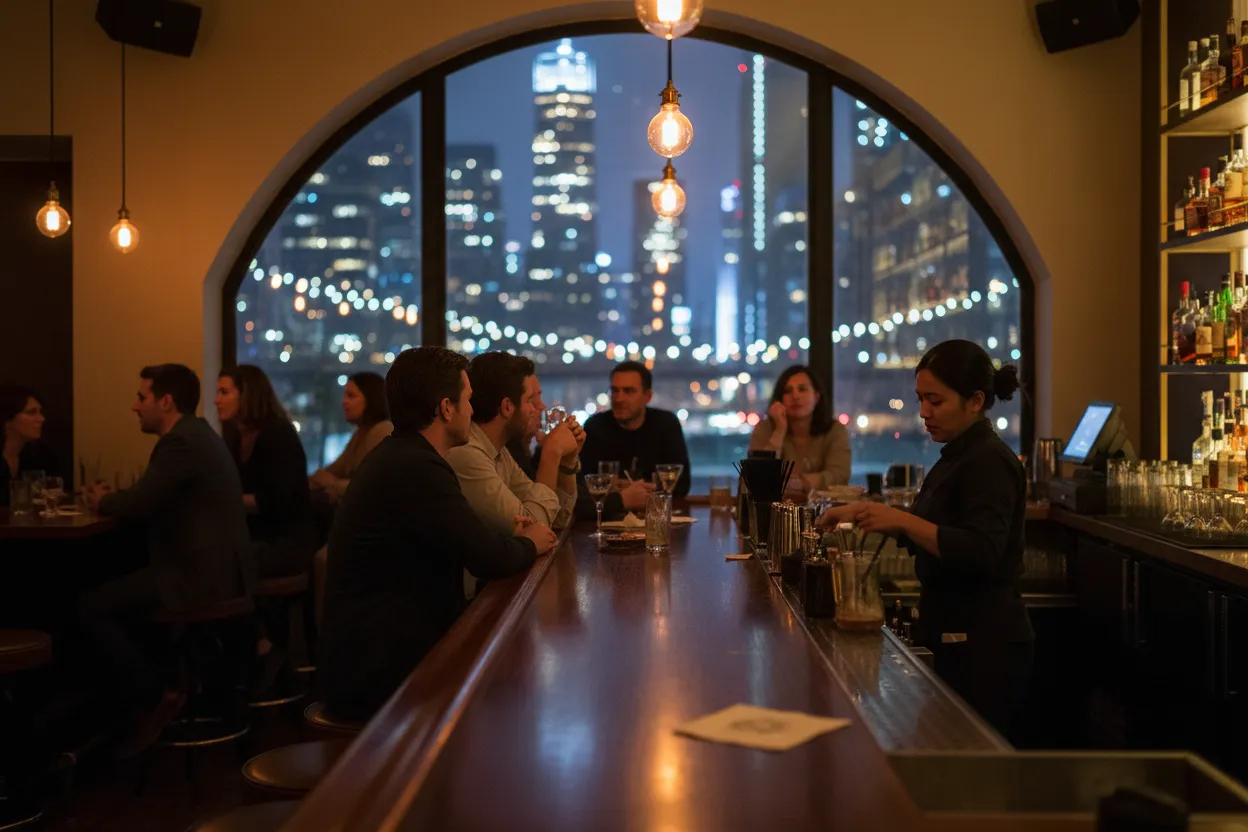
The first decision should be volume, not drink style. A royal family debate, a date, and a birthday pregame all need different sound levels. Before naming a venue, decide whether you want a seated conversation room, a standing-room energy bar, or a music-forward late stop. That choice will do more to protect the night than any last-minute scroll through photos.
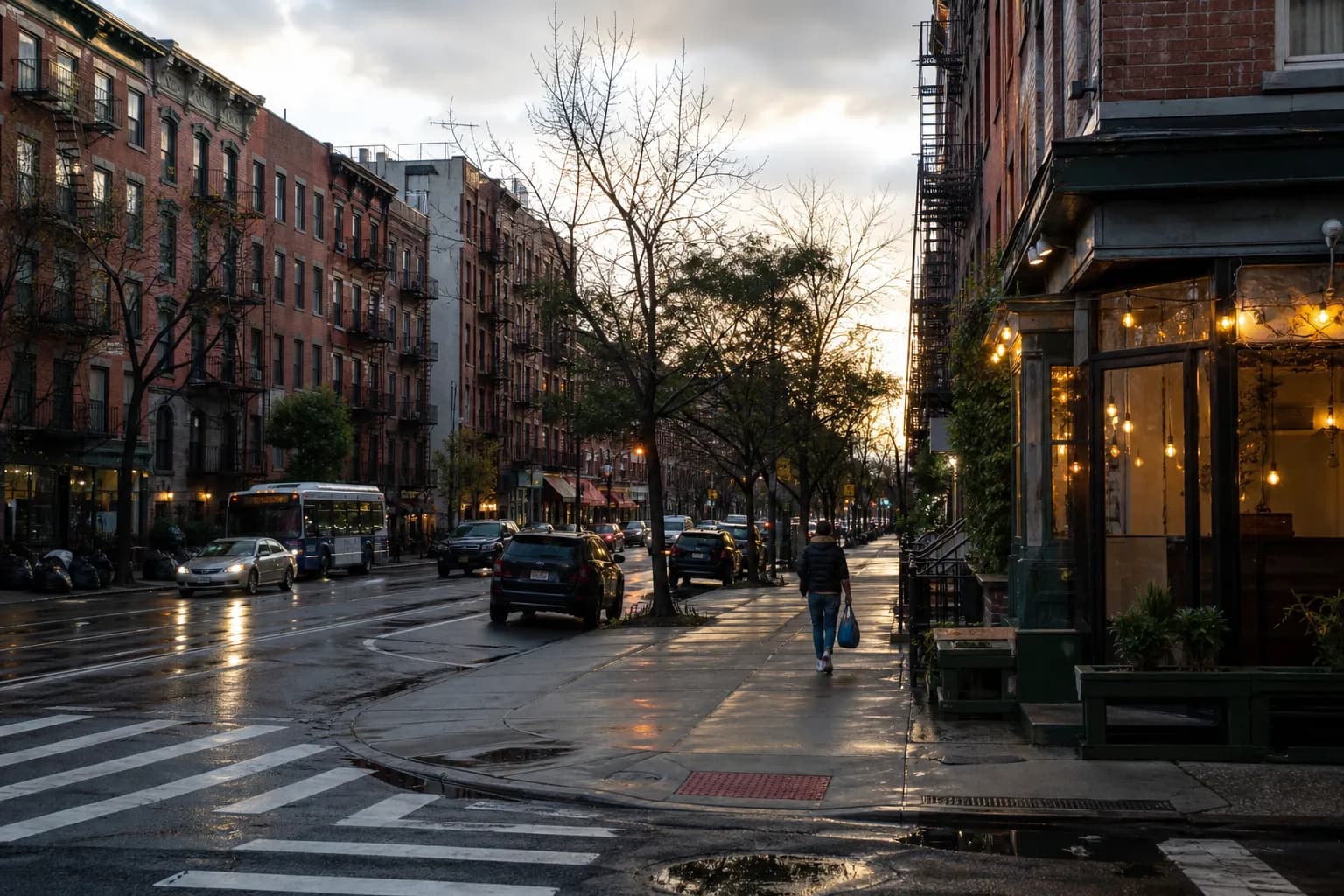
NYC nightlife can change character fast as the evening moves from after-work to late-night. Because the official extracts do not provide venue hours, door policies, reservations, dress codes, or cover charges, treat all of those as live checks. Look at the venue’s own site or official social feed the day of your plan. If the room has an event, performance, private buyout, or limited entry policy, you want to learn that while everyone is still near a subway, rideshare pickup, or an easy walking route.
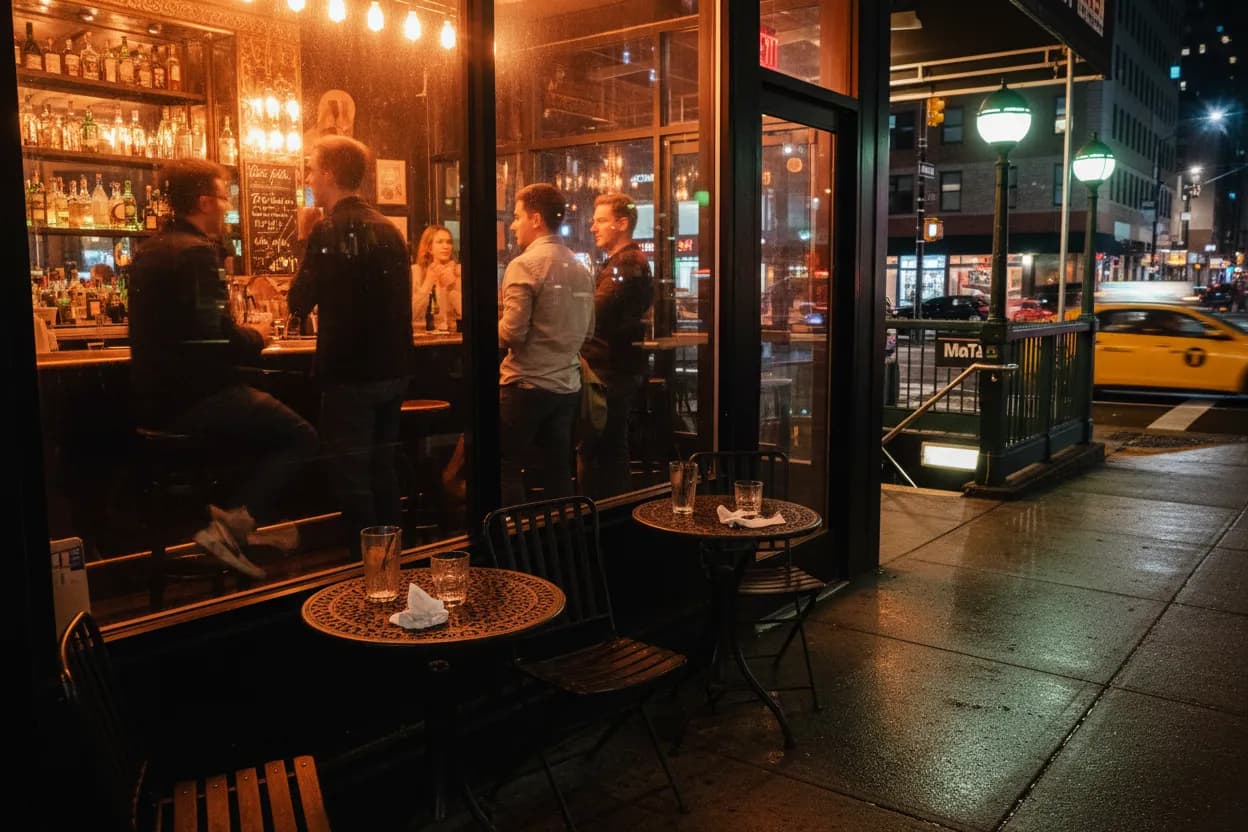
Build a walkable two-stop route
A reliable NYC bar night should have two stops close enough that the switch does not become the main event. Pick a first room for conversation and a second room for energy, or reverse it if your group starts late. The key is not distance bragging; it is keeping the transfer low-friction if the first door is crowded, the sound is wrong, or the vibe does not match the group.
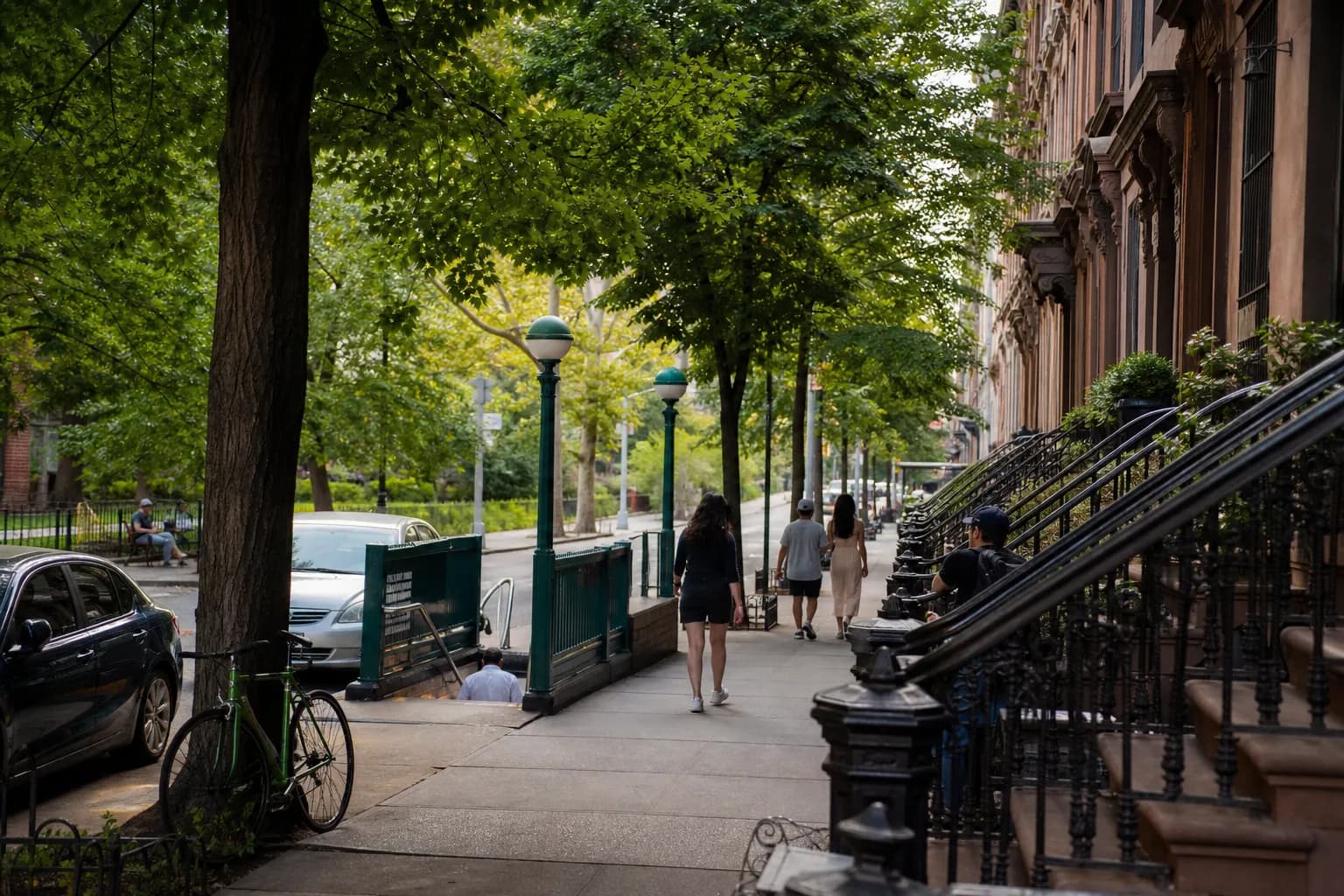
Use the five-borough frame honestly. Manhattan is described by NYC Tourism as an American icon with Broadway, Central Park, and the city’s most recognizable skyline. Brooklyn is noted for world-class nightlife and boundary-pushing cuisine. Queens is described as satisfying nearly every taste, with a wide range of old-world cuisines. Those are broad official descriptions, not venue guarantees, but they help choose the borough logic: skyline-and-theater adjacency, nightlife-and-food energy, or food-first exploration.
Do not build a route that depends on one specific table, one specific guest list, or a rumor. Build it around public access and a nearby backup. If the first stop has a wait, the second stop should already be acceptable, not a punishment. The best plan is the one that lets you leave quickly without renegotiating the entire night on the sidewalk.
Keep food and late transit in the plan
A bar night that ignores food usually gets worse by the second stop. NYC Tourism lists NYC Restaurant Week® Summer 2026 from July 20 through August 16, with two-course lunches and three-course dinners across all five boroughs starting at $30. Since today is Wednesday, August 12, 2026, that official citywide dining window is still active, but participating restaurants, booking times, menus, and availability should be verified on the official page before you anchor the evening around it.
For transit, do not rely on memory. The available MTA extract here shows an access-denied page rather than service details, so this article will not invent subway timing, route status, fare information, or late-night frequency. The practical instruction is to check the official MTA source or app you normally trust before leaving, then again before the second stop. If the return trip looks fragile, switch earlier, not later.
Food and transit are also your crowd-control tools. A dinner reservation or verified dining plan can absorb the early-evening rush, while a known route home prevents the group from lingering outside a full bar trying to solve logistics under pressure. In NYC, the best late night often starts with unglamorous checks.
Know when to switch to the backup room
Set a pivot rule before the first drink. For example: if the line is not moving, if the room is too loud for the purpose of the night, if entry requirements are unclear, or if the group is split on staying, you move to the backup. You do not need drama, and you do not need to prove the first choice was perfect.
Crowd risk rises around timely topics, weekends, nearby performances, neighborhood events, weather shifts, and simple word of mouth. The official city tourism page emphasizes that NYC has constant energy and always something worth attending, which is exactly why plans should stay flexible. A popular night out can be fun; an overcommitted one becomes sidewalk administration.
The backup should be different enough to solve the problem. If the first room is loud, choose a quieter second stop. If the first area is jammed, choose a nearby but less obvious block. If the first venue’s official page shows a program you do not want, pick an unprogrammed room if available and verified. Backup planning is not pessimism; it is how locals keep control of the night.
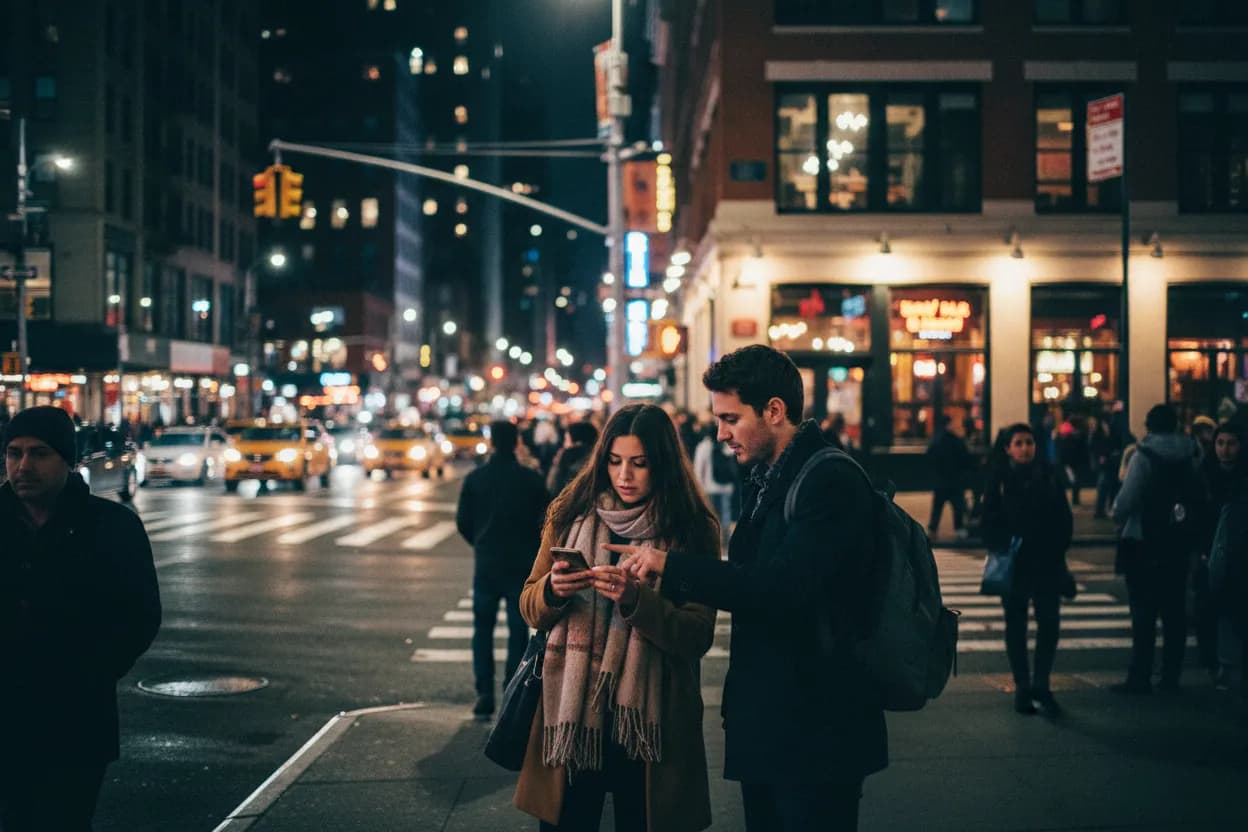
Verify the night’s program before leaving
The last check should happen close to departure. Confirm the venue’s official address, current hours if posted, access rules, reservation or ticket requirements, age policy, and whether any listed program changes the room. Do the same for the backup. If a detail is missing or unclear, do not fill the gap with assumptions from an old listing, a repost, or a friend’s memory.
NYC Tourism’s site points readers toward things to do, eat and drink, nightlife, events and festivals, and maps and guides. Use that official structure as your planning checklist: what is the activity, where is the food, what is the nightlife setting, is there an event, and how will you move between stops? A good plan answers those questions without promising a once-in-a-lifetime encounter.
Most importantly, keep the royal family hook in its lane. It can start the conversation, shape a toast, or give the night a theme. It should not become a claim that a venue, public event, private party, or public figure is connected to your plan unless an official source says so. Verification protects your time, your budget, and your credibility.
Tags: #royalfamily #NYC #NYCNightlife #BarsNightOut #AskKarpo #BeforeYouGo #Manhattan #Brooklyn #Queens #NYCRestaurantWeek #NightOutPlan #LocalLife #CityGuide #BackupPlan
Sources consulted: nyctourism.com · new.mta.info · nycgovparks.org
All trademarks are the property of their respective owners.
Ask Karpo first
Ask Karpo first when the group chat has a buzzy topic but no real plan. Send your borough, preferred sound level, food needs, transit comfort, and latest acceptable end time, and Karpo can help turn the hype into a verified NYC route with a backup.