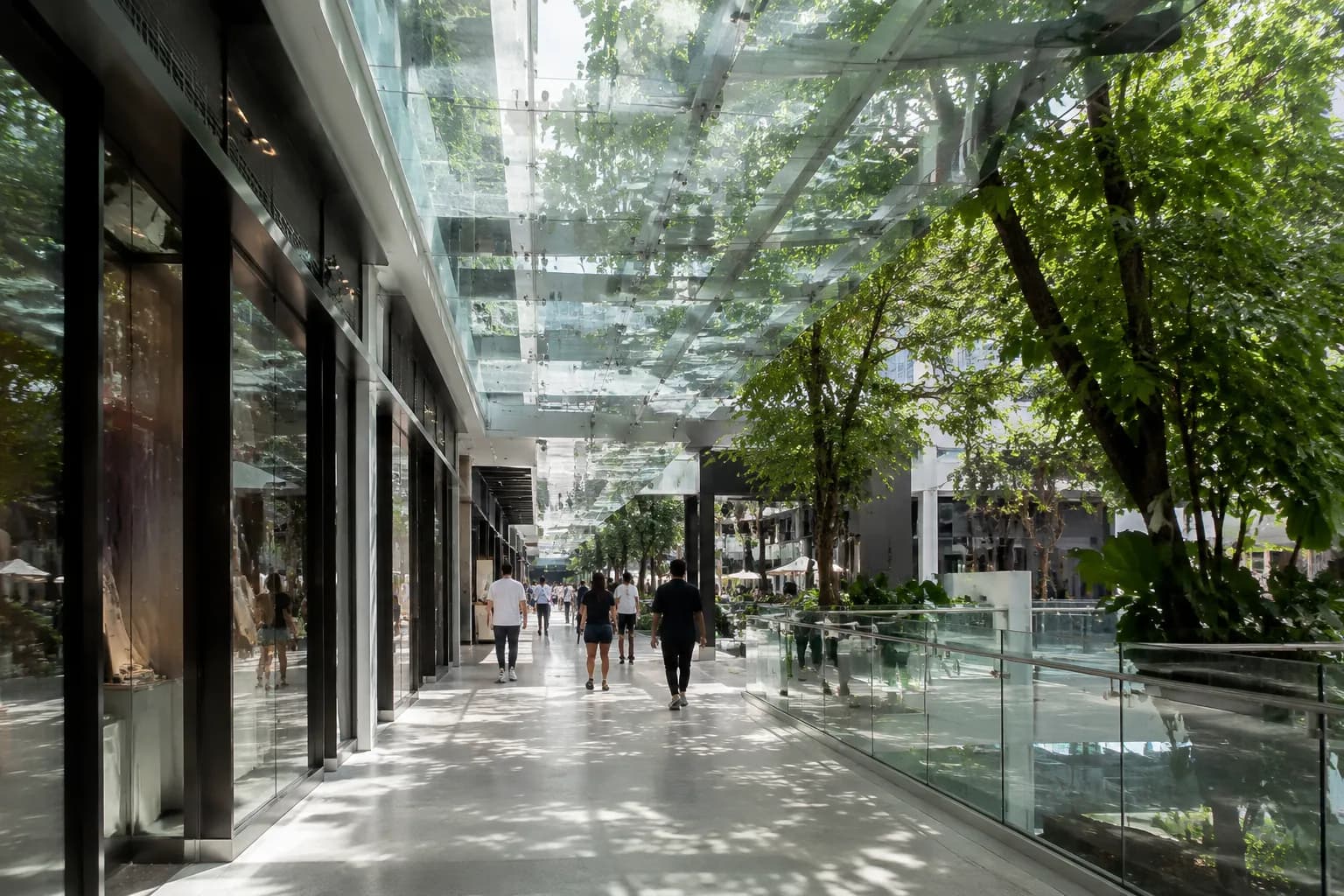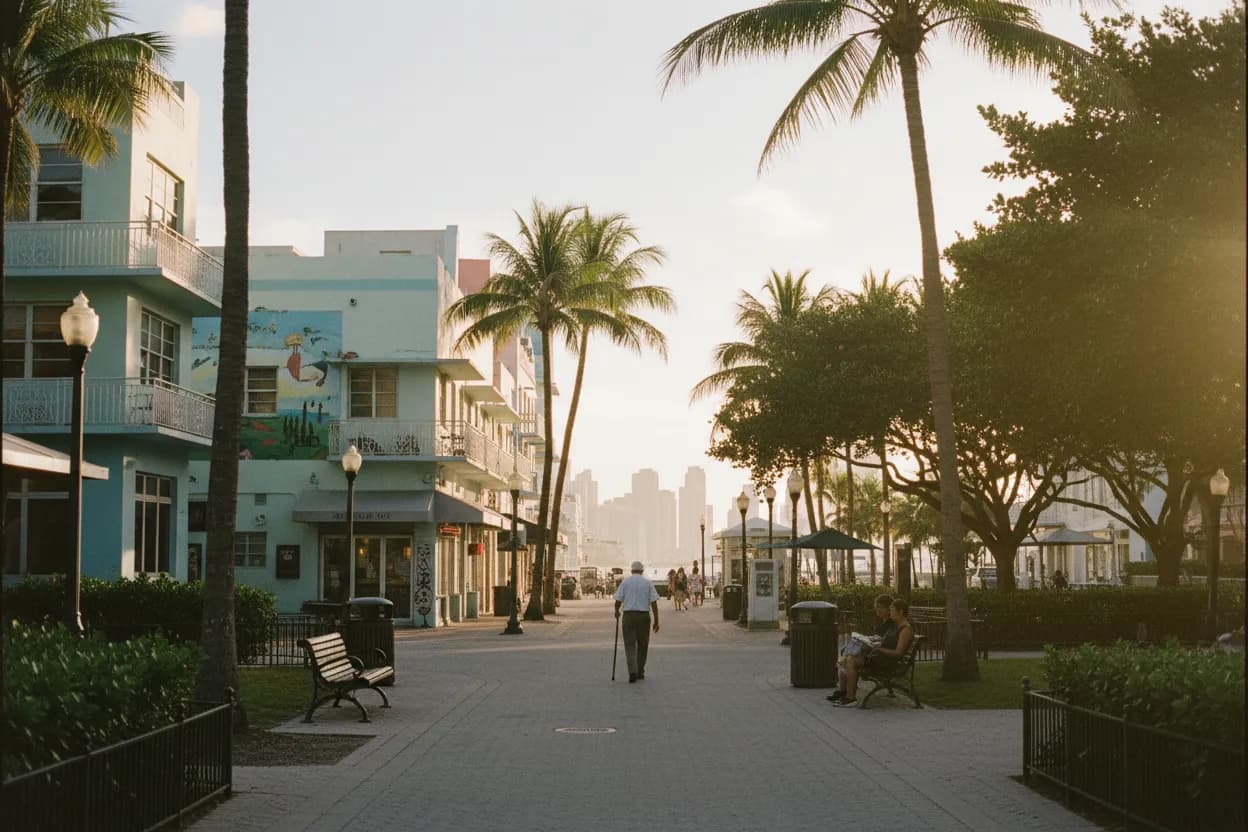
If rod stewart brought you to Miami on a quiet search, use that as a cue to leave the celebrity story behind and build a real city day instead. Greater Miami & Miami Beach describes a place with arts, culture, neighborhoods, beaches, and public-facing tours that reward slower attention. In August, that matters: heat, crowds, and transit changes can reshape what feels easy. A better plan is one anchor stop, one backup, and a transit check before you move. Think less spectacle, more timing. The goal is not to cover Miami; it is to move through one part of the city with enough patience to notice what makes it distinct.
Want a calmer Miami route that still feels current? Text Karpo for a public-only plan with timing, transit, and backup options you can verify before you leave.

Use the headline to open a more curious detour
A rod stewart search does not need to end with a rumor chase. In Miami, it can be the cue to step toward a public, verification-first culture route that feels more grounded than a beach-and-brunch loop. The official visitor site frames Greater Miami & Miami Beach through arts, culture, neighborhoods, beaches, tours, and excursions, which means there is already a public map for a slower day if you are willing to use it.
That approach works best in August, when a glossy plan can unravel fast. The city’s official page is already pushing August Events, Miami Spa Months, and Miami Spice, so a practical route can include a meal break or reset stop only after you verify the live listing. Build the day around one real anchor, not a fantasy itinerary, and let the headline point you toward a better question: where in Miami does this stop actually earn your time?
Choose a place with a real point of view
Pick a stop that actually says something about the city. For a route with some texture, Wynwood Walls leans into art, Little Havana gives you a clear multicultural Miami lens, and Bayfront Park or downtown show the waterfront side of the city. The official site’s arts & culture, tours & excursions, and neighborhoods sections make that distinction plain: Miami is more interesting when you follow a point of view, not just a name on a bucket list.
If you want less crowd pressure, keep the plan tight. One neighborhood is enough if it has a strong identity, because that makes it easier to stay flexible when the first stop is busier than expected. A quieter Miami culture route is not about collecting famous places. It is about choosing one district with enough substance to justify the trip, then leaving yourself room to stop early if the energy is off.
Look for materials archives or hands-on details
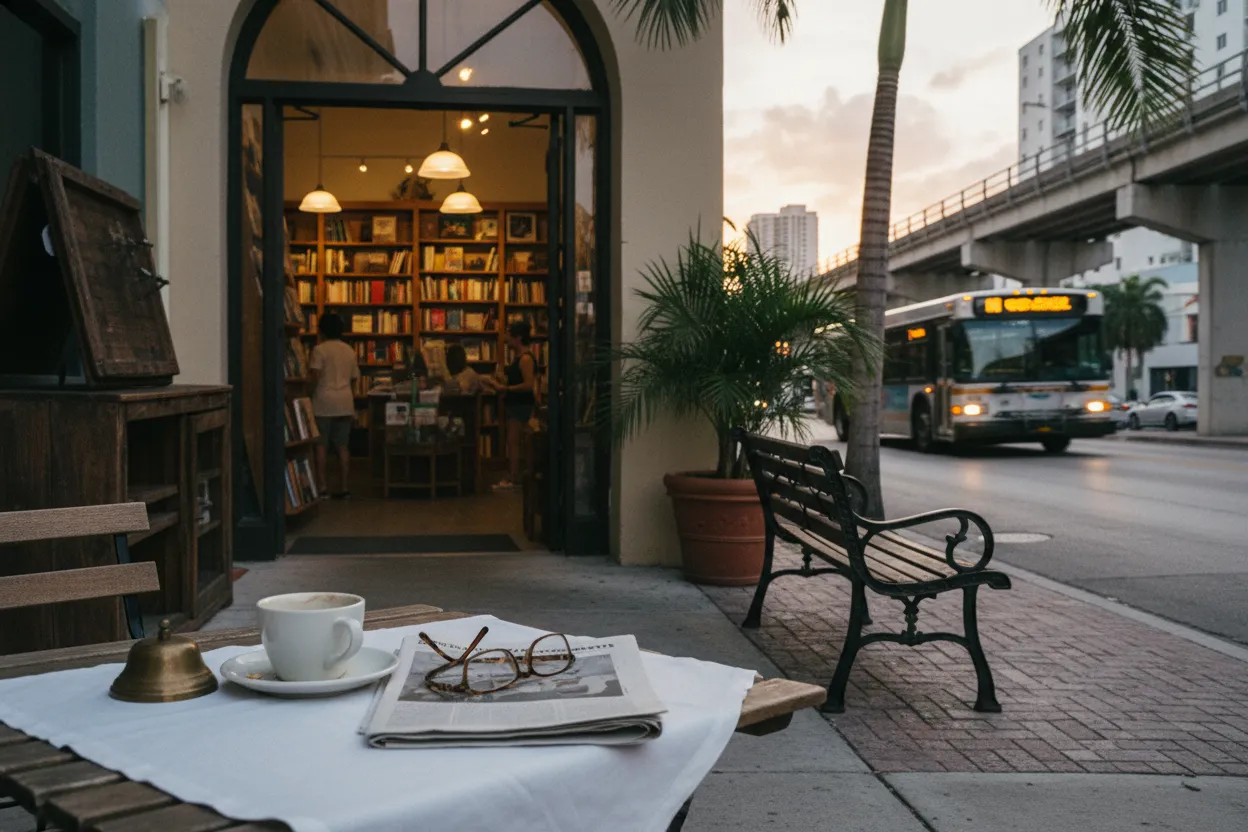
The best odd finds in Miami are the ones you can actually walk through, read, or touch with your eyes. Look for murals, street layouts, architecture, food counters, and public music rather than a vague promise of atmosphere. The official destination site points travelers toward walking tours focused on art, architecture, and local cuisine, plus Biscayne Bay cruises and Everglades excursions, which is a good reminder that Miami rewards observation more than checklist tourism.
You can also use the city’s own preview tools before you leave. Live webcams are available for Bayfront Park, Lincoln Road, Calle Ocho, Wynwood Walls, and several beaches, so you can check weather, movement, and general street energy without guessing. That is useful in a city where one block can feel calm while the next one is packed. For a public-only day, a quick preview often saves more time than a second cup of coffee.
Pair the odd stop with a calmer second option
The smartest odd-find route in Miami is a two-part day: one place with energy, one place with room to breathe. If Wynwood feels too dense, shift toward Bayfront Park. If Little Havana is moving fast, give yourself a waterfront reset downtown. That pairing matters because the city’s public spaces can feel completely different by hour, and crowd risk is part of the real planning, not an afterthought.
Transit helps keep that flexibility. Miami-Dade Transit says you can plan your trip, track buses and trains in real time, and read rider alerts before you leave. Use that to build a backup that is actually reachable if the first stop is more crowded than expected. If you are crossing neighborhoods, do not overpack the day. A calm second option is what keeps a city route from turning into a scramble.
August can also make the day more practical if you use it well. The official visitor site highlights Miami Spa Months and Miami Spice, both running in the late-summer window, so a culture route can turn into a lunch-and-reset plan if you verify participating places on the live pages. That is usually a better move than trying to force every stop into one afternoon.
Respect access photography and privacy rules
Before you go, check access details with a skeptical eye. Greater Miami & Miami Beach points visitors to accessible travel resources, and Miami-Dade Transit lists accessible ADA transit services plus elevator and escalator status. If your route depends on Metromover or Metrorail, that is not a minor detail. It can decide whether the day feels easy or exhausting.
Photography and privacy expectations can vary by place, so do not assume a public-looking corner is open for every kind of shot. Read posted signs, respect private entrances, and stay alert to people who are clearly not there to be part of your frame. A quieter Miami route works best when you move lightly and treat public space as shared space, not a backdrop you own for the afternoon.
If accessibility matters to you or someone with you, verify the exact stop or building before you leave. Transit upgrades and temporary disruptions can change what is simplest on a given day, and the safest option is often the one you confirmed, not the one you hoped would work.
Verify current entry details
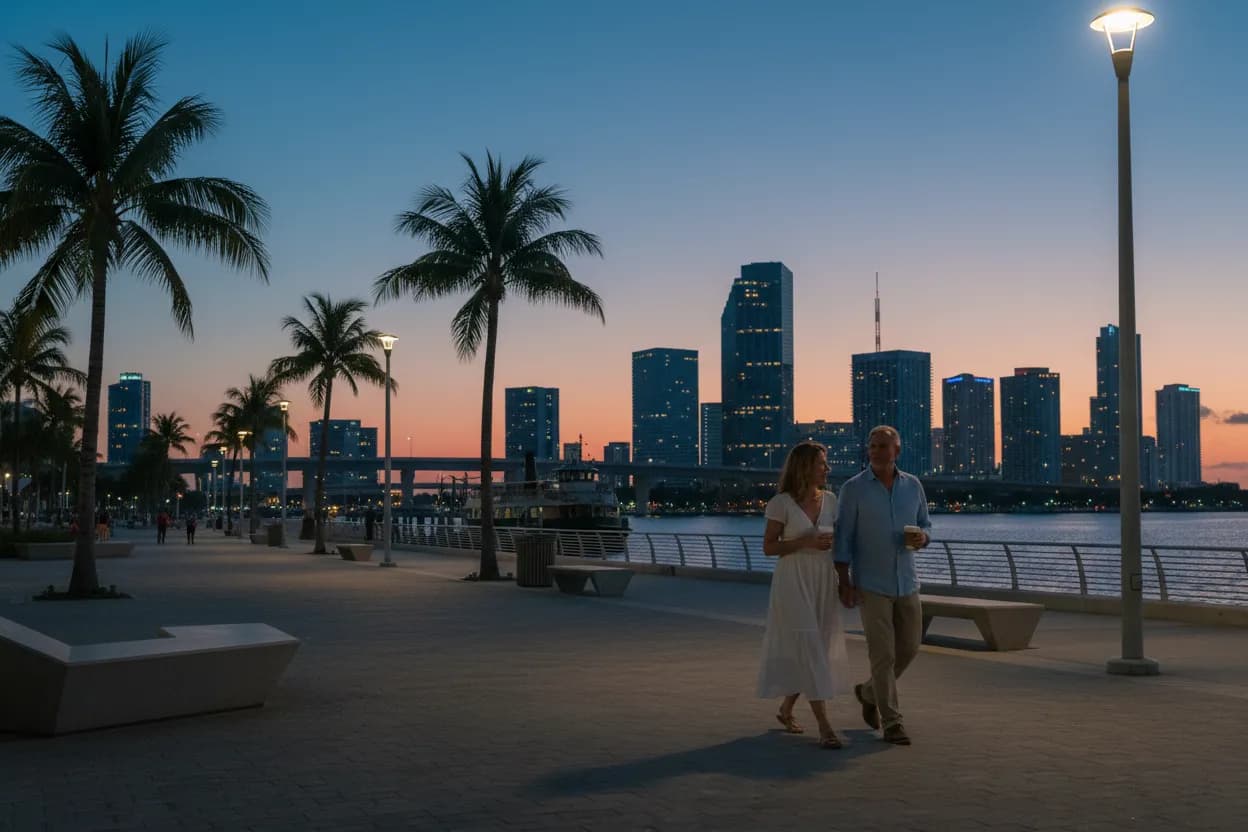
Check the current service picture on the official transit page before you leave. It says Metromover service will begin operating at 2 p.m. on Saturday, Aug. 15, while the system upgrade continues, and it also points riders to service updates, rider alerts, the transit tracker, and the trip planner. If your route uses downtown connections, that is the place to confirm first.
The same page offers the GO Connect app, transit alerts, and open data feeds, which are useful if you want live movement rather than guesswork. Miami-Dade Transit says it operates Metrobus, Metro Express, Metrorail, Metromover, MetroConnect, and STS, but the right fit depends on where you are starting and whether you need an accessible transfer. The public plan is only as good as the last check.
Finish by confirming venue hours, entry rules, and any crowd-sensitive timing on the official page you are actually using that day. For a route built around rod stewart as a search hook, the win is not celebrity proximity. It is arriving at the right place, at the right time, with a backup already in mind.
Tags: #AskKarpo #BeforeYouGo #Miami #MiamiBeach #HiddenGems #WynwoodWalls #LittleHavana #BayfrontPark #Metromover #TransitCheck #CultureRoute #TravelSmart #CityTips #KarpoLocal
Sources consulted: miamiandbeaches.com · miamidade.gov · miamidade.gov
All trademarks are the property of their respective owners.
Ask Karpo first
Ask Karpo first: if you want the cleaner version of this Miami plan, ask for a same-day route built around your starting neighborhood, mobility needs, and comfort with crowds. I can keep it public, practical, and backed by official checks instead of assumptions.