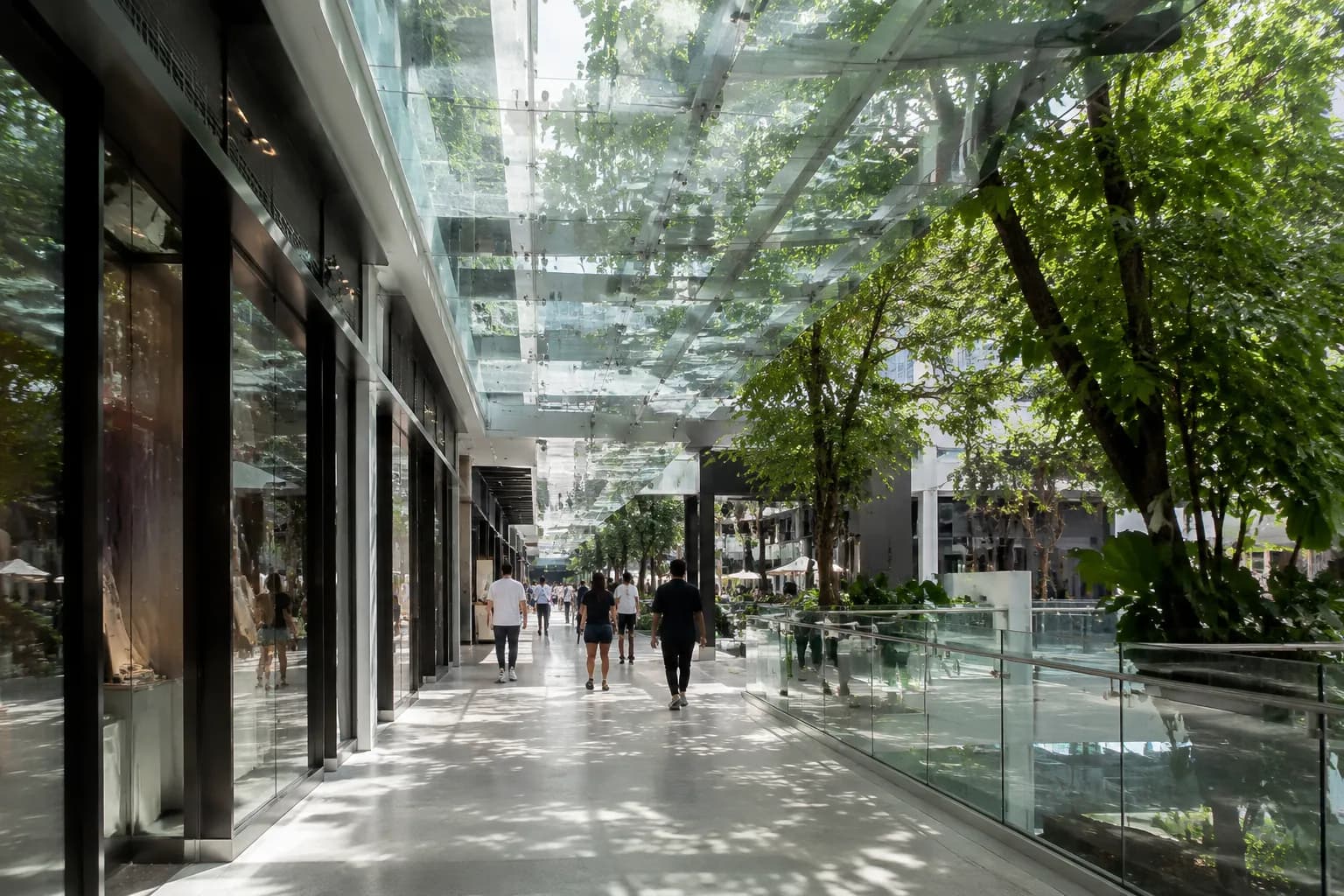
If robert gilman brought you here, treat it as a cue to slow the day down rather than a clue to chase. Miami rewards that kind of skepticism. The city’s official visitor pages, transit tools, and live webcams make it possible to build a public route around neighborhoods with a clear point of view—Wynwood, Little Havana, Downtown, or a beach stop—without leaning on rumors about private access or special appearances. In August, when Miami Spice, Miami Spa Months, and public events can pull crowds in different directions, the smarter move is to verify what is actually open, what looks busy, and how you will get there before you leave.
Want a quieter Miami plan built around your arrival time, transit mode, and crowd tolerance? Text Karpo and I’ll help you turn official sources into a route you can verify before you go.

Use the headline to open a more curious detour
The headline works best as a small nudge, not a promise. A search for robert gilman can land you in Miami, but the route should start with places the city officially presents as part of its own identity: neighborhoods with distinct charm, coastal serenity, lively energy, cultural richness, and the wider arts-and-culture map. That framing is useful because it steers you away from rumor and toward places you can actually verify.
For a first pass, use the official Miami & Beaches site to choose one public anchor and one backup from the same side of town. Downtown Miami, Wynwood, Little Havana, South Beach, and Coconut Grove all sit inside the city’s own story, which makes them easier to check than a vague hidden-gem claim. If you are hoping for a calmer experience, earlier daytime arrivals are usually easier to manage than late-afternoon surges.
Choose a place with a real point of view
Pick a stop that shows what Miami is made of. The official site points visitors toward arts & culture, outdoor activities, attractions, and tours & excursions; that is a better filter than chasing an undefined hidden gem. A public place with a clear point of view gives you architecture, street life, and a readable flow of people, which matters more than a name that sounds exotic on a search page.
Wynwood Walls, Calle Ocho, Lincoln Road, Bayfront Park, and the beaches listed on the official site all give you different textures of the city. If your goal is a calmer experience, choose one with a known identity and then arrive with enough margin to change course if the first block feels too busy. The point is not to collect names; it is to notice how a neighborhood behaves at street level.
Look for materials archives or hands-on details
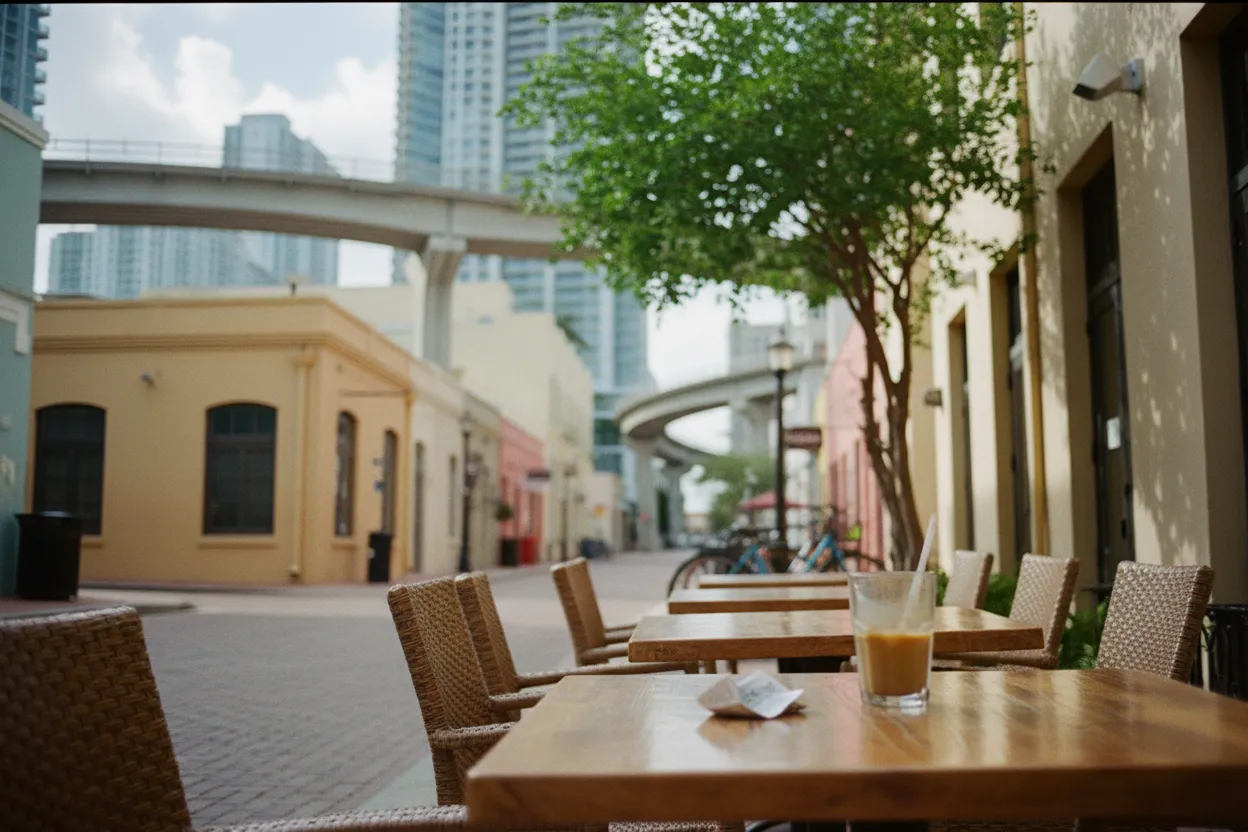
Miami is easiest to understand when you pay attention to what is physically in front of you: murals, pavement, shade, bayfront edges, public art, and the mix of older streets with newer development. The city’s own arts-and-culture and tours pages favor walking tours about art, architecture, and local cuisine, which is another sign that texture matters here more than hype. That is the real payoff of a route built around robert gilman as a search hook: it gets you to the street, not just the headline.
If you want a materials archive in practice, build it from public evidence. Check the live webcams before you leave, then look for the details that can change the feel of a stop in minutes: sun exposure, sidewalk width, and whether the area looks built for lingering or just passing through. That makes the route more usable than any one-off recommendation.
Pair the odd stop with a calmer second option
A good odd-find route needs a quiet second act. If the first stop is dense—say, a busy beach stretch or a crowded arts block—pair it with a place the city already frames as more open-ended, such as Bayfront Park or a neighborhood walk that gives you room to reset. The official site also highlights wellness events like New Moon Beach Yoga & Meditation at South Pointe Beach and New Moon Flow & Breathwork in North Beach Oceanside Park on Aug. 12, 2026, but those are still calendar items, not guarantees of a low-key scene.
Crowd risk rises in August because Miami is actively promoting Miami Spice, Miami Spa Months, and summer programming. That does not mean you should avoid the city; it means you should build a backup into the route. If the first stop feels loud, switch to the second choice without debating it. A good plan is one you can execute even when the day is busier than expected.
Respect access photography and privacy rules
Treat public space as shared space. Miami & Beaches highlights accessible travel, and Miami-Dade Transit maintains accessible ADA services, so if you need elevators, escalators, or step-free connections, check those details before you commit. The county also keeps an elevator and escalator status page, which is exactly the kind of unglamorous tool that saves a route from stalling.
Photography is where skepticism helps. Public art, beaches, and streets are fair game for casual observation, but that does not erase privacy or property boundaries. If a place has a posted rule, follow it; if you are unsure, verify on the official page instead of assuming. The goal is to leave with usable impressions, not to push past the edges of what the city has made public.
Verify current entry details
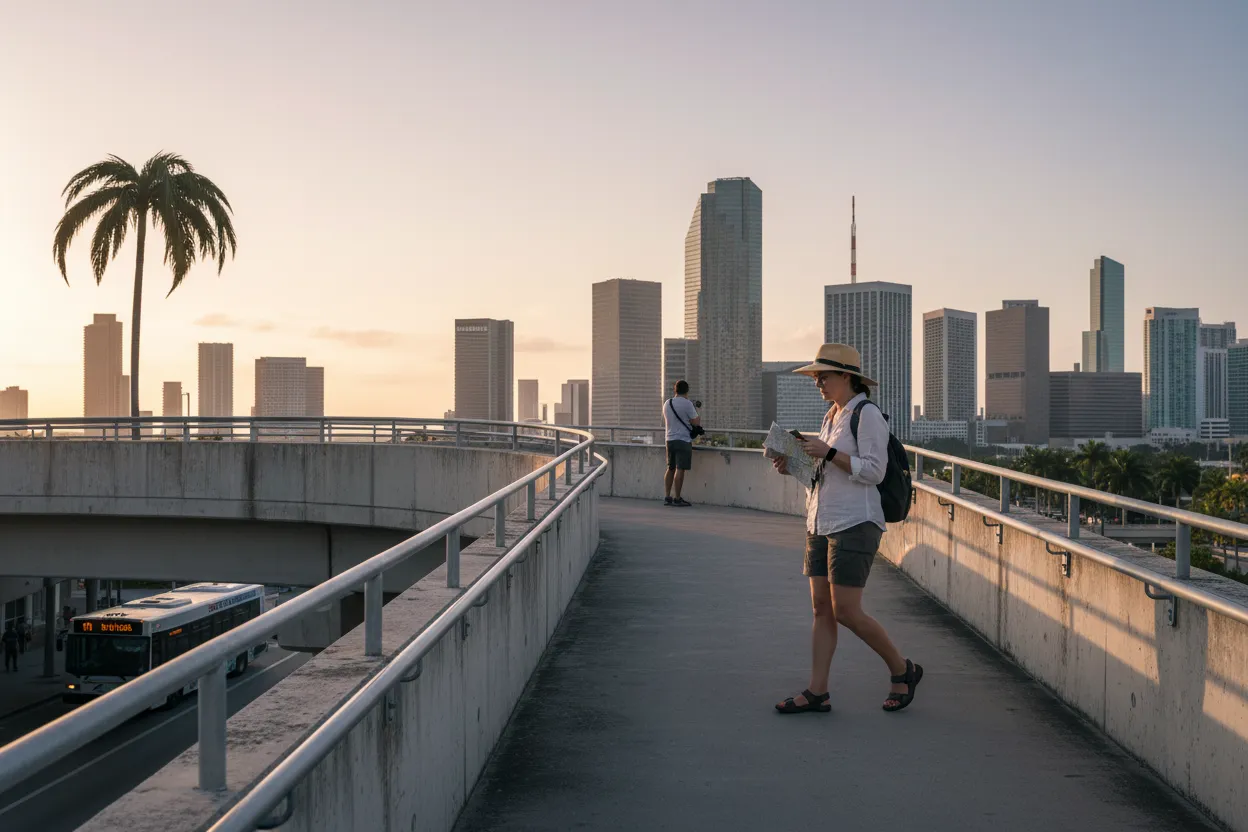
Before you go, check the official pages the same day. Miami-Dade Transit offers rider alerts, trip planning, and live tracking for Metrobus, Metrorail, Metromover, and other services, and the county notes that on Saturday, Aug. 15, Metromover service will begin at 2 p.m. while upgrades continue. That is exactly the kind of change that can alter a short city route.
Use the Miami & Beaches site for neighborhood ideas and the transit site for movement, then confirm what still matches your plan: whether your chosen stop is the right fit, whether the transit mode you want is running cleanly, and whether a calmer backup makes more sense than forcing the original idea. If you are arriving from the airport, the county also notes the Orange Line to and from the Miami International Airport station for $2.25 each way, but verify the current fare on the official page before relying on it.
Tags: #AskKarpo #BeforeYouGo #Miami #GreaterMiami #MiamiBeaches #HiddenGems #OddFinds #LocalLife #TransitTips #Wynwood #LittleHavana #BayfrontPark #AccessibleTravel #CultureRoute
Sources consulted: miamiandbeaches.com · miamidade.gov · miamidade.gov
All trademarks are the property of their respective owners.
Ask Karpo first
Ask Karpo first if you want the route narrowed to one transit mode, one accessibility need, and one backup stop in the same neighborhood. In Miami, the smartest plan is the one you can verify on official pages before you step out the door.