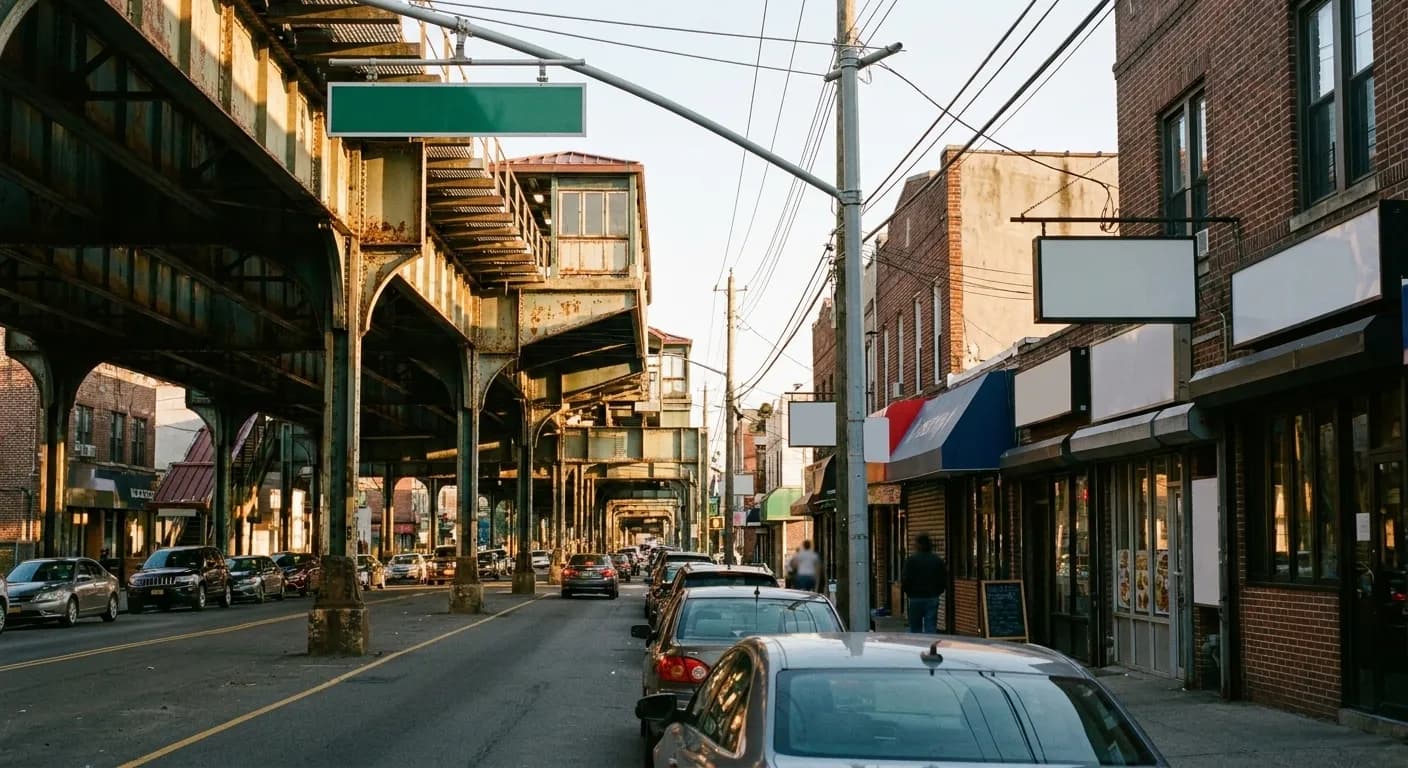
The game tips at nine-fifteen. You are standing on a sidewalk in Manhattan at eight-forty, trying to decide whether to eat now and watch later or find one room that will do both. The problem is not the screen. The problem is that most kitchens in this city stop taking orders by ten, and a West Coast game does not reach the fourth quarter until nearly eleven. You need a place that serves food late and has the sound on, which is a smaller set than it appears.
The Karpo app knows which kitchens near you are still taking orders right now, which rooms have the sound on, and how to route around a full house when the marquee matchup draws a crowd.
Why the Kitchen Window Matters More Than the Screen Count
A bar with twelve flatscreens is useless if the kitchen closes at ten-thirty. You will spend the second half drinking and wishing you had eaten earlier. The format that solves this is not the dedicated sports bar but the late-night dining room that happens to have a television. Korean barbecue spots stay open past midnight on weeknights. Diners in Midtown and the East Village serve until two or three in the morning. Pizza-and-wings rooms in the outer boroughs keep the fryer running until last call.
The trade-off is atmosphere. A room optimized for feeding people at eleven-thirty on a Tuesday is rarely optimized for watching sports. The sound will be off. The screen will be small or mounted at an awkward angle. The crowd will not be there for the game. But you will have food in front of you when the score matters, which is the thing you came for.
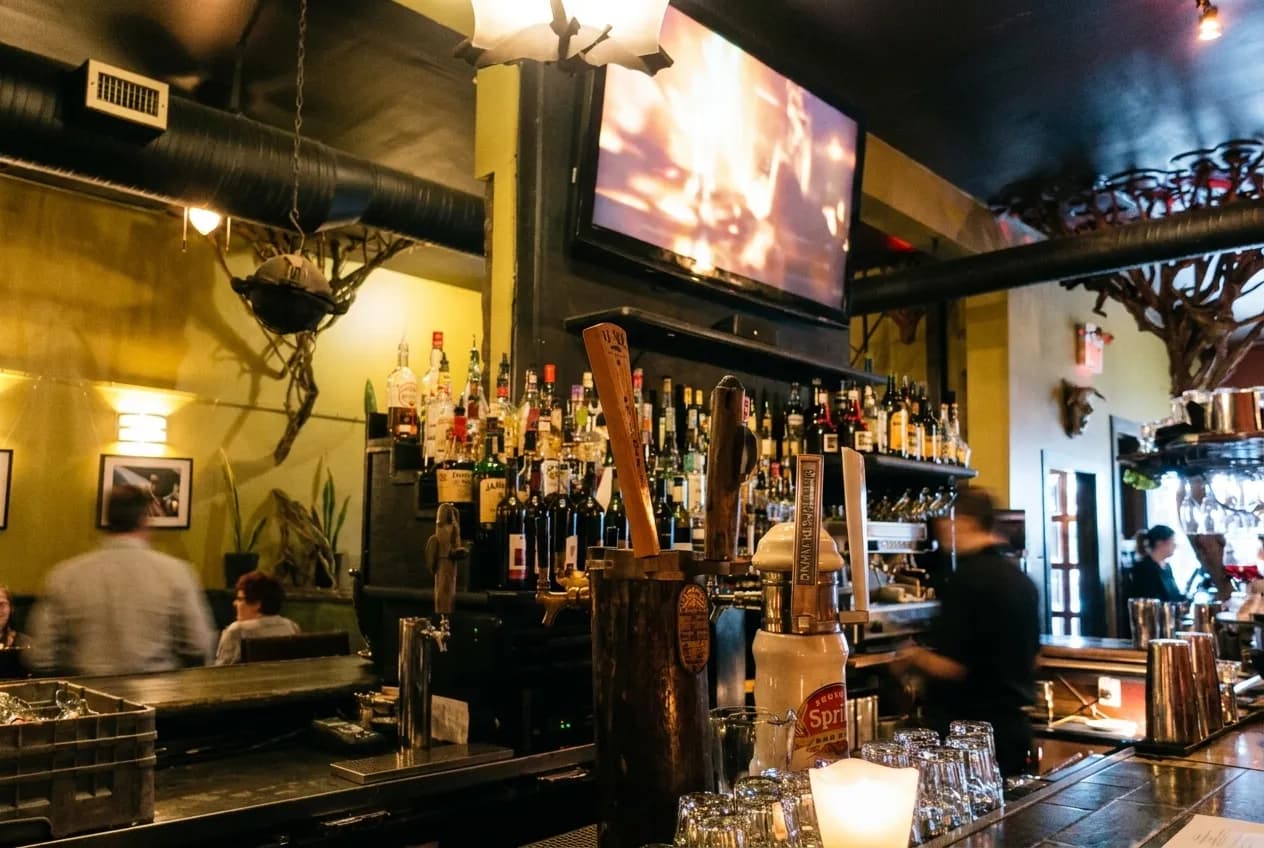
The other format that works is the brew-pub or gastropub model that runs a full menu until midnight or later. These rooms exist in Brooklyn, the Lower East Side, and scattered through the West Village and Chelsea. They are not sports bars in the classic sense, but they have screens, they pour beer, and the kitchen stays open because the business model depends on it. The sound is usually off unless you ask, and whether they will turn it on depends on how full the room is and whether anyone else is watching.
How to Ask About Sound Before You Walk In
Calling ahead is faster than walking three blocks to find out the screen is showing a cooking show with no audio. The question is not whether they have televisions. The question is whether they will have the game on with sound at ten-fifteen on a weeknight. Most places will tell you the truth, which is that it depends on the crowd and the manager on duty.
The rooms that say yes without hesitation are the ones you want. They have already decided to be a sports room tonight, which means other people have called with the same question and the staff has committed. The rooms that say maybe are a gamble. You might arrive to find the game on mute and a dining room that resents your request to turn it up. The rooms that say no are doing you a favor by saving you the trip.
If you are walking without calling, look for clusters. Certain blocks in Midtown East, near Penn Station, and along the Williamsburg waterfront have multiple options within two hundred feet of each other. You can check three places in ten minutes and pick the one that feels right. The risk is that all three are full, which brings you to the fallback pattern.
The Backup Move When the Obvious Room Is Full
A marquee game fills the known sports bars by tip-off. The room you were counting on has a line out the door or a host telling you it is a two-hour wait for a table with a view of the screen. You have two choices. You can wait and miss the first half, or you can walk two blocks in any direction and find a room that is not a sports bar but will work anyway.
The pattern that works is to move away from the obvious cluster. If the sports bars near Madison Square Garden are full, walk east into Murray Hill or south into Koreatown. If the Williamsburg spots are packed, cross into Greenpoint or walk south toward Bedford-Stuyvesant. You are looking for the neighborhood bar or late-night restaurant that has a screen but is not advertising itself as a destination for this game.
These rooms are quieter, the food is often better, and the staff is usually willing to turn the sound on if you are the only table asking. The trade-off is that you are watching alone or with one other person instead of in a crowd. For some games that is a problem. For a regular-season weeknight game that happens to start late, it is often better.
The other fallback is to split the difference. Eat at a place that closes early, then move to a bar that stays open late but does not serve food. You lose the convenience of one location, but you gain the certainty of a good meal and a room that will have the game on when it matters. This works best if the two places are on the same block or connected by a short subway ride.
Which Neighborhoods Keep Kitchens Open Past Ten-Thirty
Koreatown runs late every night. The blocks around West Thirty-Second Street have table barbecue, stews, and fried chicken available until midnight or later, and many rooms have screens. The sound is usually off, but the staff will turn it on if you are eating and not just drinking. The atmosphere is not sports-bar loud, but the food is fast and the kitchens do not rush you.
The East Village has a density of late-night pizza, ramen, and dumpling spots that stay open past midnight. Most of these places have one small television, often mounted near the bar or the register. The screen is there for the staff, but they will change the channel if you ask and the place is not full. You will not get sound unless the room is empty, but you will get food when you need it.
Midtown near Penn Station and the Port Authority has the highest concentration of sports bars that keep full kitchens running late, but these rooms fill fast for any game that matters. The better move is to look one neighborhood over, into Hell's Kitchen or Chelsea, where the late-night restaurant scene overlaps with the bar scene and you can find rooms that do both.
Brooklyn has pockets in Williamsburg, Park Slope, and Sunset Park where the dining culture runs late and the screens are present but not central. You are looking for brew pubs, taco spots, and corner bars that happen to serve full menus until eleven or midnight. These places do not advertise game-watching, but they are often empty enough on a weeknight that you can claim a table near the screen and settle in.
The Bronx near Yankee Stadium and parts of Queens near Citi Field have sports bars that stay open late, but these rooms are optimized for baseball and the off-season energy is different. The kitchens stay open because the business depends on it, but the crowd is smaller and the willingness to turn the sound on for a West Coast basketball game depends entirely on who else is in the room.
The final pattern is the twenty-four-hour diner. These rooms are all over the city, they always have a television, and they will serve you eggs and a burger at any hour. The screen will be small, the sound will probably be off, and you will be eating alone or with shift workers and insomniacs. But the kitchen never closes, which is the one variable you can count on when everything else is uncertain.
Tags: #RestaurantsOpenNearMe #NYCLateNight #WatchParties #LateNightEats #NYCFoodie #SportsBar #WestCoastGames #LateKitchens #NYCNightlife #GameDay #LateNightDining #NYCEats #SportsWatching #KoreatownNYC #BrooklynEats
Please drink responsibly. Must be of legal drinking age.
All trademarks are the property of their respective owners.
Ask Karpo first
The Karpo app tells you which rooms near you have kitchens open right now, whether the game will be on with sound, and how to route around a full house when the marquee matchup draws a crowd. Ask Karpo first, then walk in knowing what you are walking into.