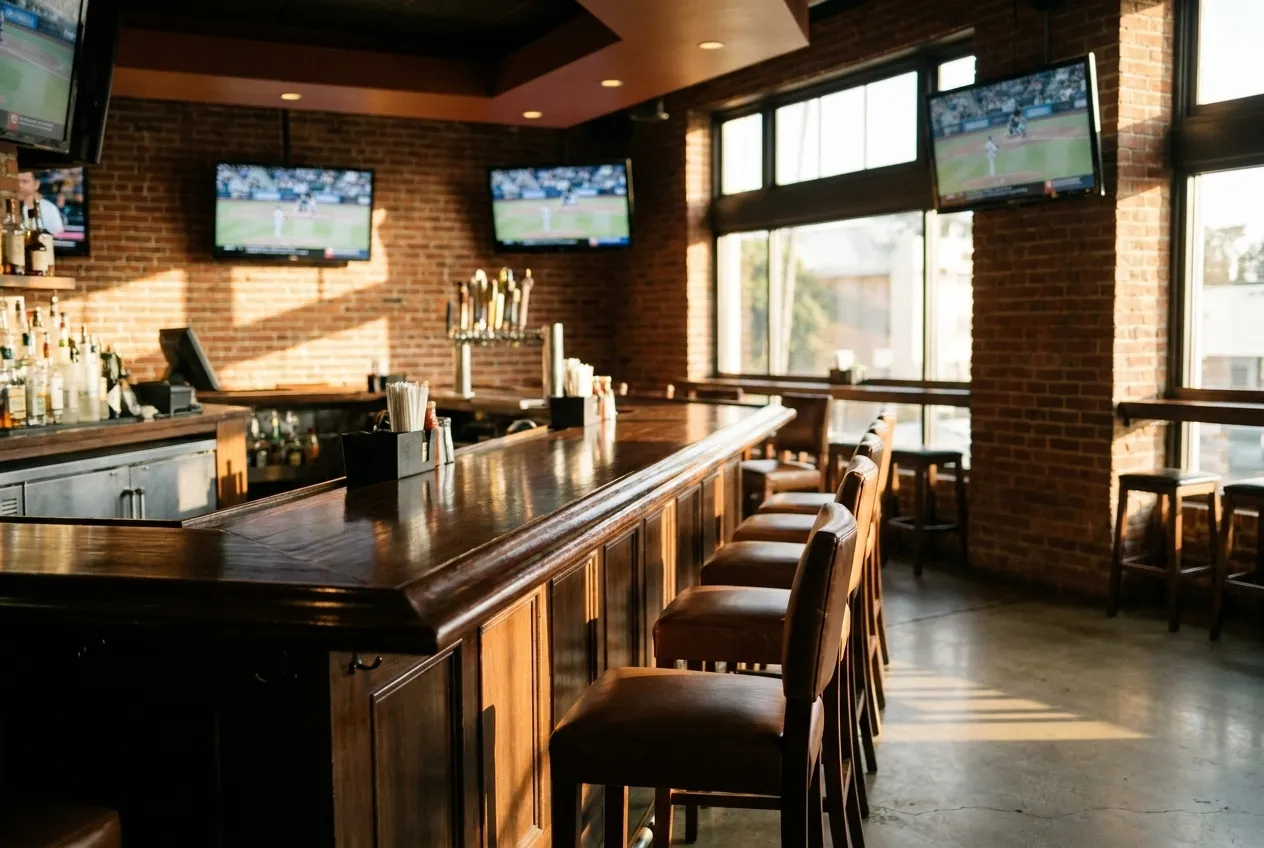
The final whistle blows at nine forty-five and you are standing on the sidewalk with three friends deciding whether to stay in the neighborhood or drive somewhere that might still be cooking. Most LA restaurants stop seating at nine thirty and close the kitchen by ten, which puts you in the narrow window where the bars are open but the food has stopped. The question is not whether a room is lit but whether the kitchen is still running, and in a city this spread out, guessing wrong costs you half an hour.
The Karpo app tracks which kitchens are still firing and which blocks hold the concentration of late service, so you are not walking dark streets hoping for an open door.
Seven to Nine: The Safe Window
If you are eating before the game starts, every neighborhood in Los Angeles works. Kitchens are in full swing, tables turn normally, and you can walk into most places without a wait. The clusters around Staples Center and the Coliseum see the heaviest pre-game volume, but even those blocks clear out by eight when everyone moves inside.
The timing matters more than the location during this window. A seven o'clock reservation gets you fed and out in time for an eight fifteen tip-off. An eight thirty table means you are ordering entrees while the first quarter is ending, which works if you are watching on your phone or do not care about the opening minutes. The kitchen is moving at full speed and you are not the table making special requests while the line is trying to close.
Downtown, the corridor between Grand and Main holds the densest concentration of full-service restaurants with kitchens open until ten. The blocks around Little Tokyo and the Arts District run similar hours and offer more variety in price and format. Both areas see a surge around seven from office workers and early diners, then quiet down by eight thirty when the game crowds have moved on. If you are watching at home and planning to go out after, these neighborhoods empty early enough that you can park easily by nine, but the kitchens will be wrapping up their last orders within thirty minutes of your arrival.
Nine Thirty to Eleven: The Narrow Band
This is where most of LA shuts down and you need to know which blocks keep cooking. The post-game surge hits the sidewalks between nine forty-five and ten fifteen, and most kitchens have already fired their last orders. The rooms that stay open past ten are either bars that never offered real food or late-night specialists that plan their staffing around this window.
Koreatown runs later than almost anywhere else in the city. The blocks between Western and Vermont, particularly along Sixth and Eighth, hold dozens of restaurants that do not close until midnight or later. The format skews toward Korean barbecue and stews, which means you are ordering for the table and the kitchen can handle late arrivals without disrupting the line. The trade-off is that these rooms are loud, often full, and not set up for quick in-and-out service. Weekend nights see waits of thirty to forty-five minutes after ten, while weeknights move faster. The parking lots behind the restaurants on Eighth fill first, so the side streets between Ardmore and Catalina hold overflow spaces that put you a two-minute walk from most of the action.
Thai Town, just north along Hollywood Boulevard, keeps similar hours but with smaller rooms and faster turnover. The concentration is tighter, three or four blocks between Normandie and Kingsley, and the kitchens are used to late orders from bar staff and night workers. You can walk the strip in ten minutes and see which places still have tables, which is faster than calling ahead or checking websites that list hours the restaurant stopped honoring two years ago. The stretch between Normandie and Western holds the highest density, and most rooms seat walk-ins until eleven on weeknights, midnight on weekends.
West Hollywood and the Sunset Strip hold more bars than late kitchens, but the blocks around Santa Monica Boulevard between La Cienega and Fairfax have a handful of places that serve past eleven. The format is mostly American and Italian, heavier and slower than the Korean and Thai options, and the pricing runs higher. The advantage is that these rooms are quieter after ten and you can have a conversation without shouting. Expect to pay twenty to thirty dollars per person more than you would in Koreatown for similar volume of food, and expect the kitchen to stop taking orders by eleven thirty even if the dining room stays open later.
East Hollywood and Silver Lake offer middle ground. The blocks along Sunset between Alvarado and Hyperion hold taco spots, Thai restaurants and a few late-night diners that keep cooking until midnight. The density is lower than Koreatown but the rooms are easier to work, less of a scene, more functional. You are not fighting for a table and the kitchen is not annoyed that you showed up at ten thirty. The taco places along Sunset near Bates and Micheltorena stay open latest, often until one or two in the morning on weekends, and the format is counter service so you are ordering and eating within fifteen minutes of walking in.
What to Order When You Arrive Late
The kitchen that is still open at ten fifteen is not the same kitchen that was running at seven. The line has cleaned most of the stations, prep is done, and the cooks want to finish and leave. Ordering a complicated build or asking for substitutions marks you as the table that does not understand the situation.
Order what the kitchen can fire fast. Tacos, noodles, rice bowls, anything that comes together in one pan or on the flat-top. Skip the appetizer round unless the kitchen explicitly runs a late-night menu with items designed to move quickly. If the menu lists a section called late-night or after-hours, that is what you order. Those dishes are prepped to handle exactly this window and the kitchen will not resent you for it. At Thai places, pad thai and fried rice move fastest because the wok station stays hot until close. At taco counters, anything on a corn tortilla is faster than anything that requires the deep fryer, which most places shut down by eleven to give it time to cool before the closing crew leaves.
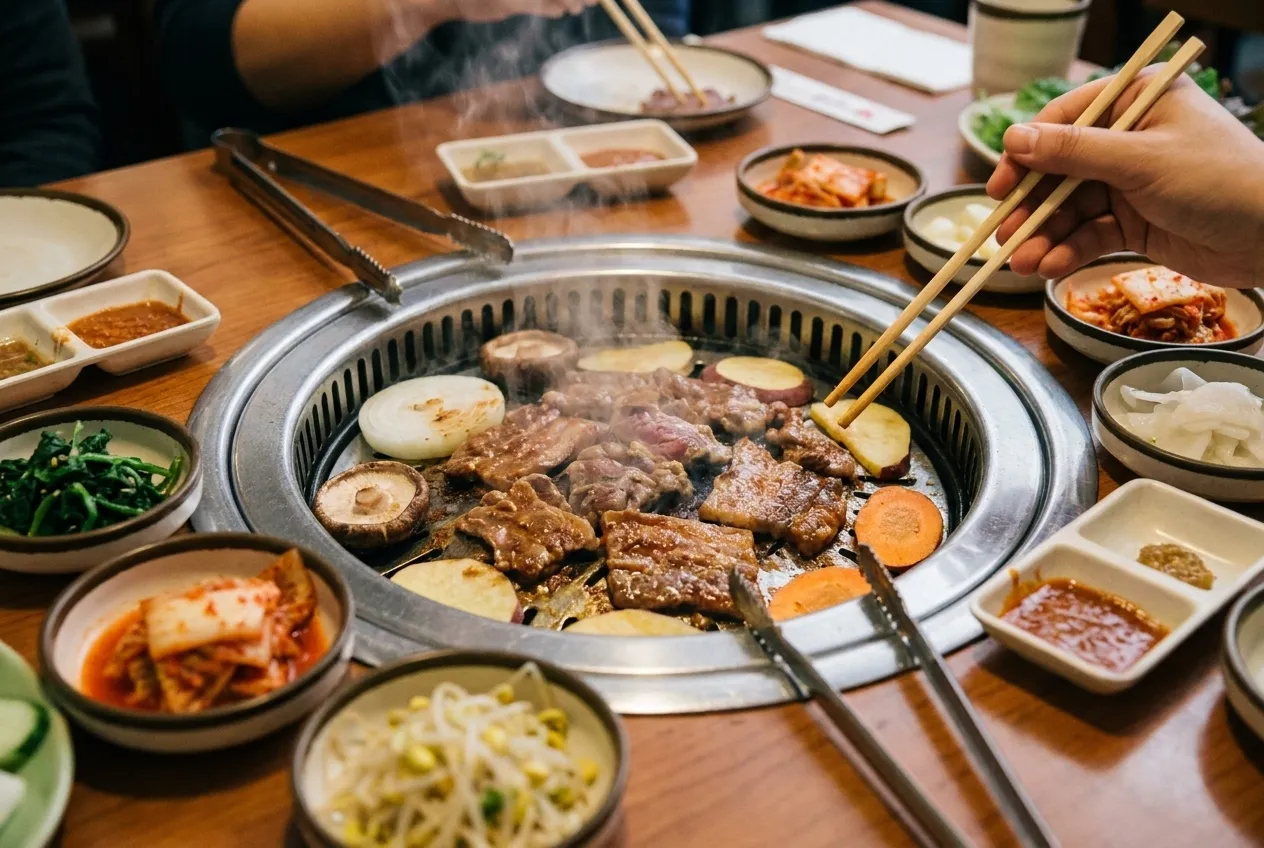
At Korean barbecue, order the meat and the banchan comes automatically. The table cooks the protein, which takes the pressure off the kitchen and lets you control the timing. The same logic applies to hot pot or any format where the final cooking happens in front of you. You are not asking the line to stay open longer because the line is not doing the last step. The banchan is prepped in advance and comes from the cold station, so even if you arrive at eleven fifteen, the kitchen is only responsible for slicing the meat and getting it to your table.
Avoid ordering the whole menu. Pick two or three things, eat them, and leave. The kitchen that serves you at ten forty-five is doing you a favor by staying open, and the way you return that favor is by not treating it like a full dinner service. Order enough food to stop being hungry, tip well, and get out before eleven. The staff will remember you as the group that understood the deal, which matters the next time you show up late. If you are a group of four, two entrees and a shared appetizer is enough. If you are two people, one entree each and skip the starters.
The Difference Between Open and Cooking
A lit room with people inside does not mean the kitchen is running. Bars stay open until two, but most stop serving food by eleven or midnight. The sign says open, the door is unlocked, and the bartender will tell you the kitchen closed an hour ago. This is the failure mode that costs you the most time, because you have already walked in, sat down, and started looking at a menu before you find out there is no food.
The only way to know for certain is to call ahead or walk the block and look for tables eating, not just drinking. If you see plates on tables and runners moving between the kitchen and the floor, the kitchen is open. If everyone is holding a glass and no one is holding a fork, you are in a bar that stopped cooking. In Koreatown, look for the grill smoke rising from the tables, which means the barbecue is still running. In Thai Town, check whether the kitchen window is lit and whether you can see cooks moving behind the pass. On Sunset in East Hollywood, the taco spots with lines out front at eleven are still cooking, and the ones with empty counters closed the kitchen an hour ago even if the lights are on.
The neighborhoods that keep late kitchens are the same neighborhoods where people work late and eat late as a matter of course. Koreatown, Thai Town, parts of East Hollywood and the blocks around the Westside that serve industry workers all run on a later clock than the rest of the city. These are not special late-night spots that open after the restaurants close. They are regular restaurants that never closed early to begin with.
The trade-off is that these rooms are not trying to be destinations. The service is functional, the lighting is bright, and the design is whatever was cheapest when the lease was signed. You are not going for the ambiance. You are going because the kitchen is open and you are hungry, and that is enough.
Tags: #LosAngelesEats #LateNightLA #LARestaurants #KoreatownFood #ThaiTownLA #WatchPartyFood #LateKitchens #RestaurantsOpenNearMe #LAFoodie #PostGameEats #LosAngelesDining #LANightLife #EastHollywood #WestHollywoodEats #DowntownLAFood
Please drink responsibly. Must be of legal drinking age.
All trademarks are the property of their respective owners.
Ask Karpo first
The Karpo app knows which LA kitchens are still firing right now, not which websites claim to be open. Ask Karpo after a late game and you will get a live list of rooms within fifteen minutes that are actually seating and cooking, plus the fastest route from wherever you are standing.