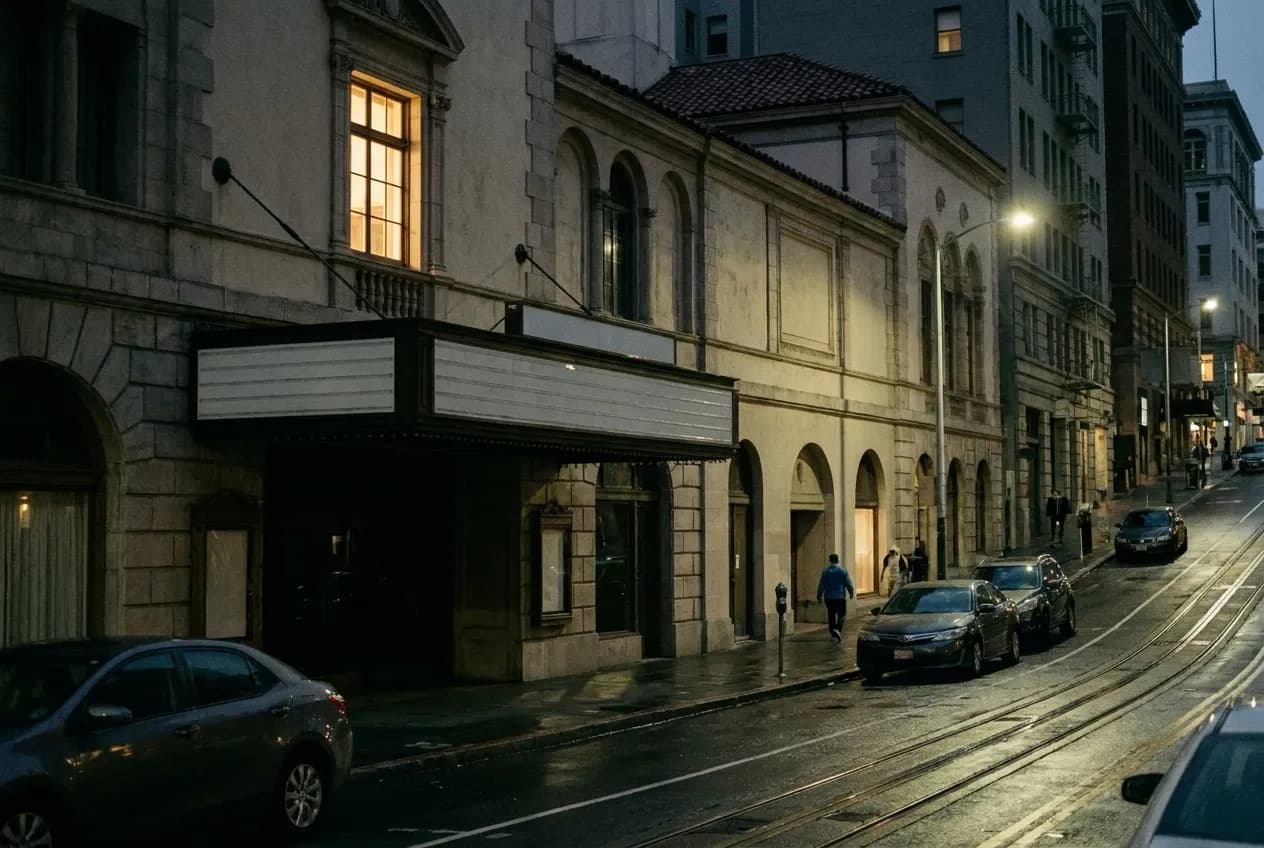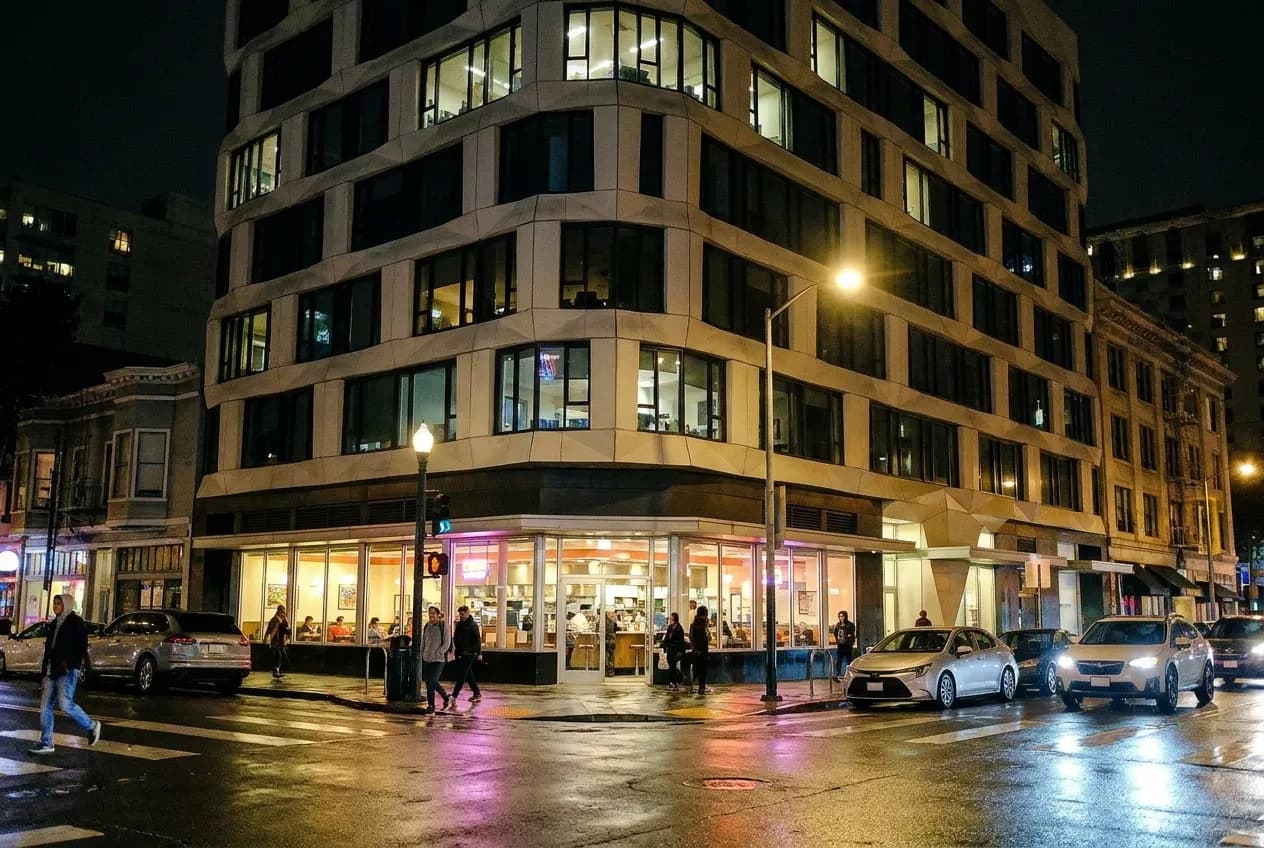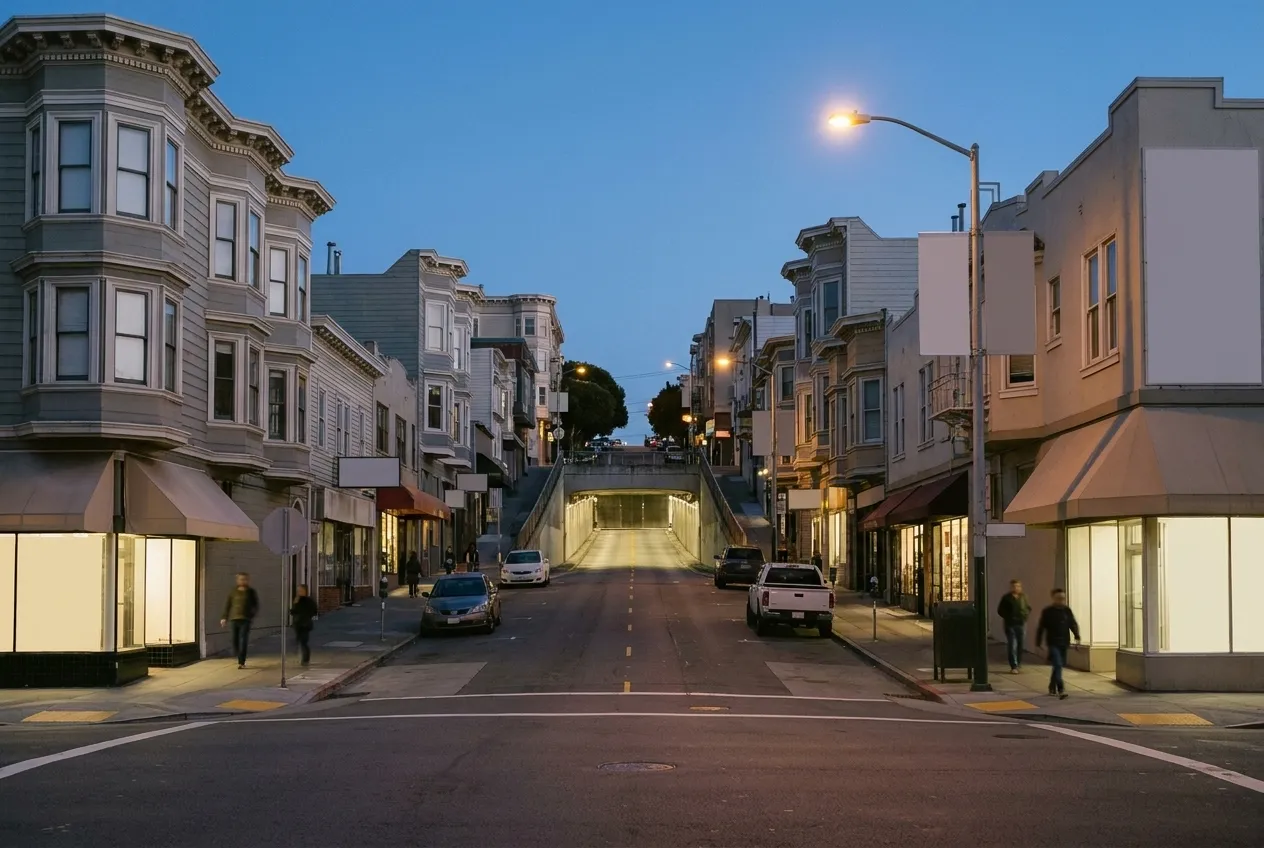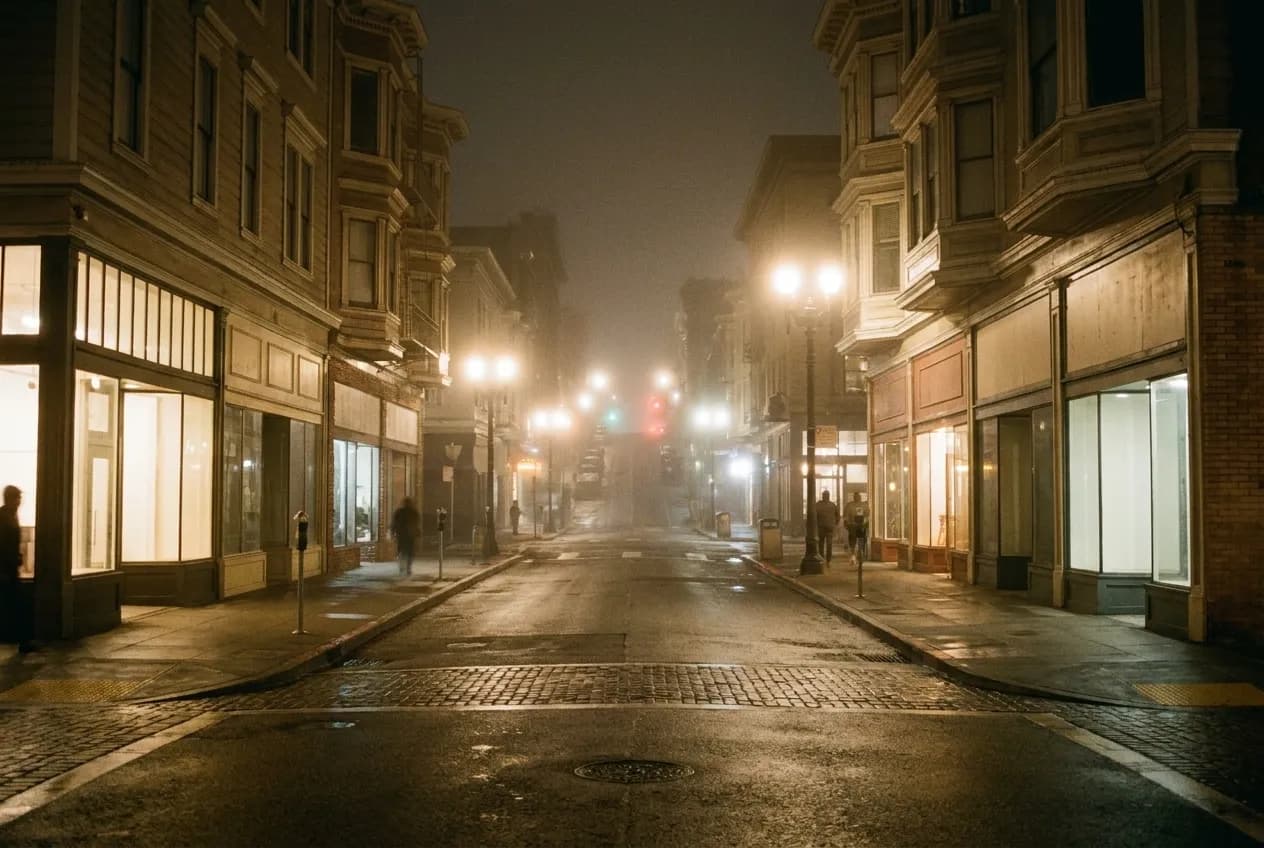
Visitors from New York, Chicago, Los Angeles or almost any European capital have the same experience here within their first two days: it is twenty past nine, they have finished a drink, they decide to eat, and the city has closed. This is not an impression, it is measurable. San Francisco's restaurant kitchens stop earlier than those of any comparable American city, and understanding why makes the exceptions predictable rather than lucky.
The list of places genuinely serving food after ten in this city is short and neighbourhood-specific, and most listings will lie to you about it. Tell Karpo where you are and what time it is now, and get what is actually still cooking.
Four reasons the kitchens close
The first is labour cost. San Francisco has among the highest restaurant labour costs in the country, with a high minimum wage and mandated health contributions, which means the last two hours of a service have to justify themselves in a way they do not elsewhere. A kitchen that serves four tables between ten and midnight is losing money, so it stops.
The second is that this is a commuter city with a small residential core. A large part of the dining population goes home over a bridge or down the peninsula, and the last comfortable transit runs earlier than people expect. The third is neighbourhood zoning and residential pressure - much of the city's restaurant supply sits on ground floors under flats, and late licences are not freely given. The fourth is simply the weather: it is genuinely cold at night here in a way that empties pavements, all year round.
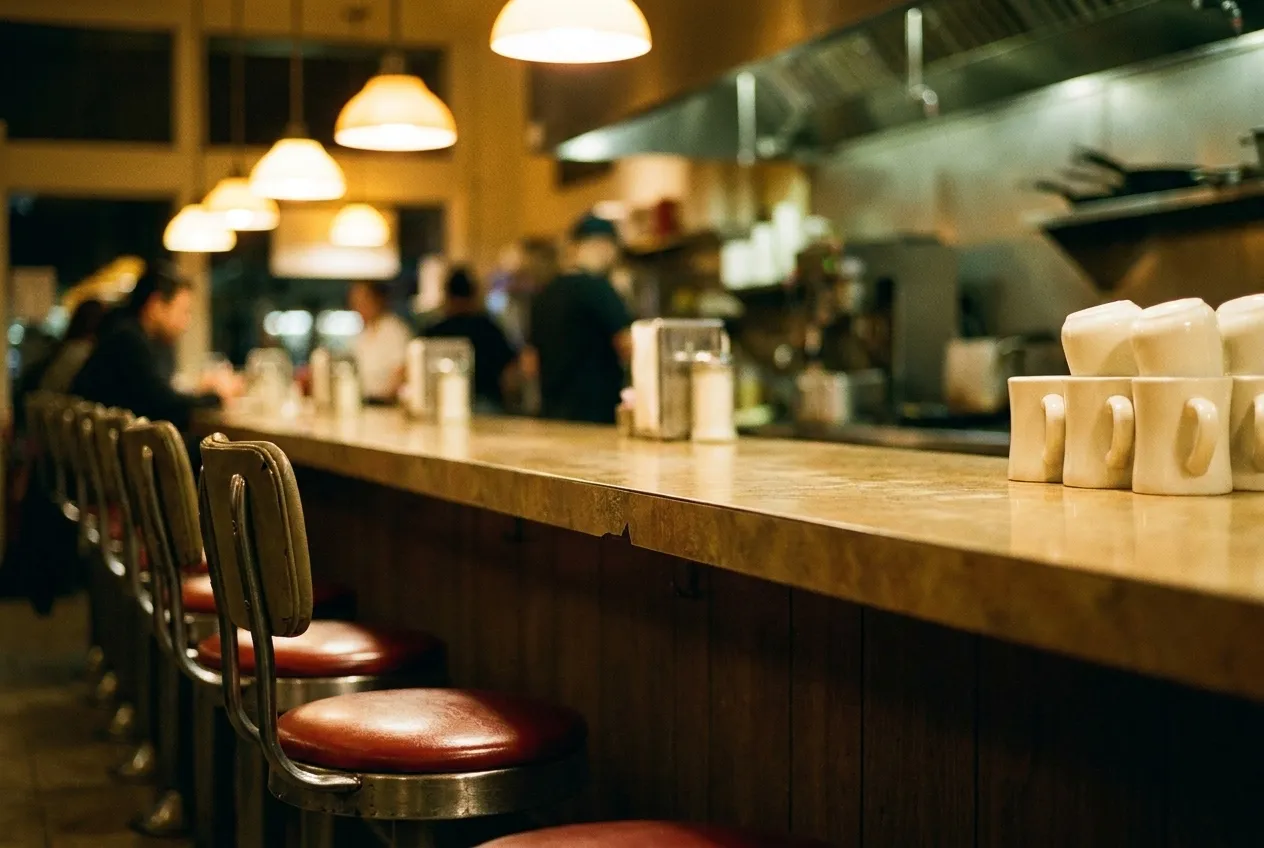
What the clock actually looks like
For planning purposes: most sit-down restaurants take their last order between half past eight and half past nine on weeknights, and between nine and ten at weekends. Neighbourhood rooms in the Richmond, the Sunset and Noe Valley skew earlier - some stop at eight-thirty on a Monday. The Financial District and much of SoMa are effectively lunch economies and shut entirely at night and at weekends.
Hayes Valley is a special case worth exploiting: it is built around curtain times, so it fills before seven-thirty and empties after eight, which makes the nine o'clock slot the easiest good booking in the city. Sunday and Monday are the two nights with the highest rate of full closures citywide - a great many independent restaurants take those as their days off, and a Monday search will return a list where half the entries are wrong.
The four categories that stay open
First and most important: the Mission taquerias. This is the city's genuine late-night food infrastructure. El Farolito on Mission Street runs well past midnight and later at weekends, and the burrito economy along Mission between roughly 16th and 24th is the single most reliable answer to being hungry at one in the morning in San Francisco. It is also, independently, some of the best food in the city, which makes it an unusually painless default.
Second: Chinatown and the Richmond's Chinese counters, some of which run late, particularly the roast meat and noodle rooms. Third: the diner and all-night counter category, which is thin here but exists on the arterials. Fourth: bar kitchens - rooms whose main business is drinking and which serve a short food menu as long as they are pouring. That last category is the most common and the most misleading, because the food is usually an afterthought, but at half past eleven an afterthought is a meal.
Neighbourhood by neighbourhood, after ten
The Mission is the answer and everything else is a qualification. It is warm, it is dense, it has BART along Mission Street, and its taquerias and bars run latest. North Beach's Green Street strip holds up reasonably, with a late slice window and bars that keep going. The Tenderloin and the lower Polk corridor have a working late economy that is unglamorous and genuinely open. SoMa is event-driven - busy and late when something is on at the arena or the ballpark, dead otherwise.
The neighbourhoods that will strand you: the Richmond and the Sunset, which are quiet by ten and cold with it; Noe Valley and the residential centre; the Financial District, which is a ghost town after seven; and the Marina, which is livelier but whose kitchens still stop early. If your night is going to run late, either start in the Mission or accept that you will end up travelling there.
How to read a listing you do not trust
The reliable trick is to look at what the business is for. If it has a bar as its main draw, the posted close is the bar's and the kitchen stopped an hour or two earlier - ask for the kitchen time specifically. If it takes reservations, the last available booking slot is a good proxy: kitchens generally run about an hour past it. If it is a counter with no table service, the posted hours are usually accurate, because there is no second business hiding behind them.
One more San Francisco-specific check: verify Sunday and Monday separately from the rest of the week. The rate of single-day closures here is high and listings update slowly. And on a public holiday weekend, assume earlier closing across the board rather than later - the city's restaurants treat those as staff time off, not as trading opportunities.
Practical notes
Rules of thumb: last order is typically thirty to sixty minutes before a posted close, and a busy room will cut it earlier. Weeknight kitchens stop between half past eight and half past nine; weekends between nine and ten. BART stops running in the small hours and the Owl bus network that replaces it is slow, so factor the journey home into where you choose to eat. Rideshare pricing spikes when the bars turn out around two. The Mission is the default late answer and the taquerias there take cash comfortably. And if you land in the city hungry at ten with no plan, walk to Mission Street and stop reading listings - it is a solved problem.
Tags: #RestaurantsNearMe #SanFrancisco #LateNightSF #MissionDistrict #ElFarolito #Chinatown #Tenderloin #NorthBeach #SFEats #KitchenHours #OpenLate #SFNightlife #BART #NightOut
All trademarks are the property of their respective owners.
Ask Karpo first
San Francisco's early closing is only a problem if it surprises you. Ask Karpo what is genuinely still cooking at the hour you are asking, whether the room you had in mind stops taking food orders before you can get there, and how long it takes to reach the Mission from where you are standing - because that is usually the answer.