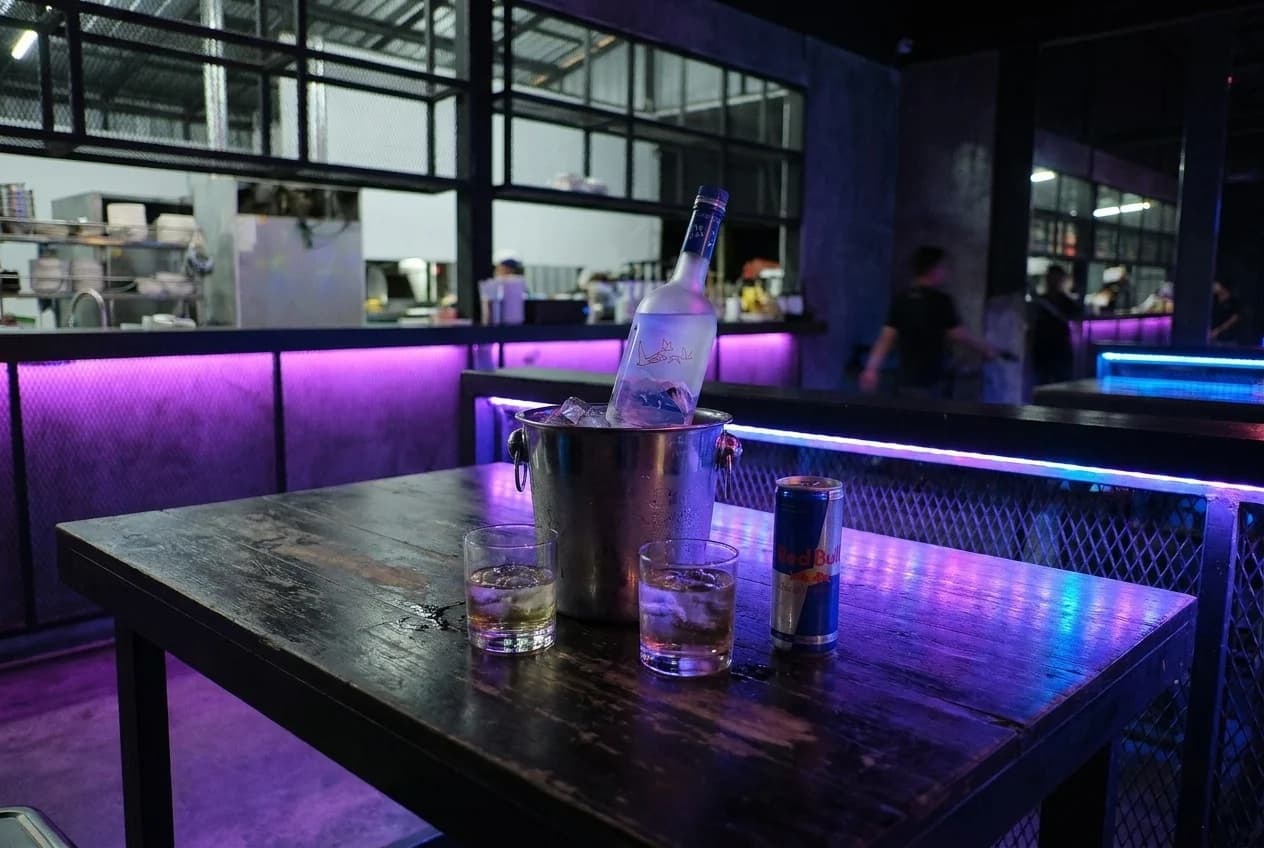
Here is the trap. You look up somewhere in Miami, the listing says it closes at two in the morning, you arrive at half past midnight, and you are told the kitchen shut at eleven. Nobody lied to you. In this city, and particularly in the neighbourhoods built around nightlife, the posted closing time is almost always the bar's, because the bar is the business and the kitchen is a department inside it. The useful number - the last time you can put in a food order - is a different number, it is rarely published anywhere, and it moves depending on the night.
Rather than phoning four places to ask when the kitchen stops, tell Karpo the time you will actually walk in and which neighbourhood you will be in, and get back the rooms that are still cooking then, not just still pouring.
The three kinds of late in this city
Miami's late-night food splits into three categories that behave completely differently, and mixing them up is what strands people. The first is the restaurant with a late bar: a proper dining room whose kitchen closes on a normal schedule while the bar keeps going for another two or three hours. The second is the nightlife kitchen: a room designed from the start to feed people at one in the morning, usually with a short, fried, salty menu. The third is the twenty-four hour counter, which is a genuinely different species and mostly lives away from the entertainment districts.
The mistake is assuming a great restaurant with a two a.m. licence belongs in the second category. It almost never does. The kitchen staff went home; what is left is a bartender who can open a bag of chips. If you want to eat after midnight, you want category two or three, and you should stop evaluating them against category one - a two a.m. chopped cheese and a nine p.m. tasting menu are not competing.
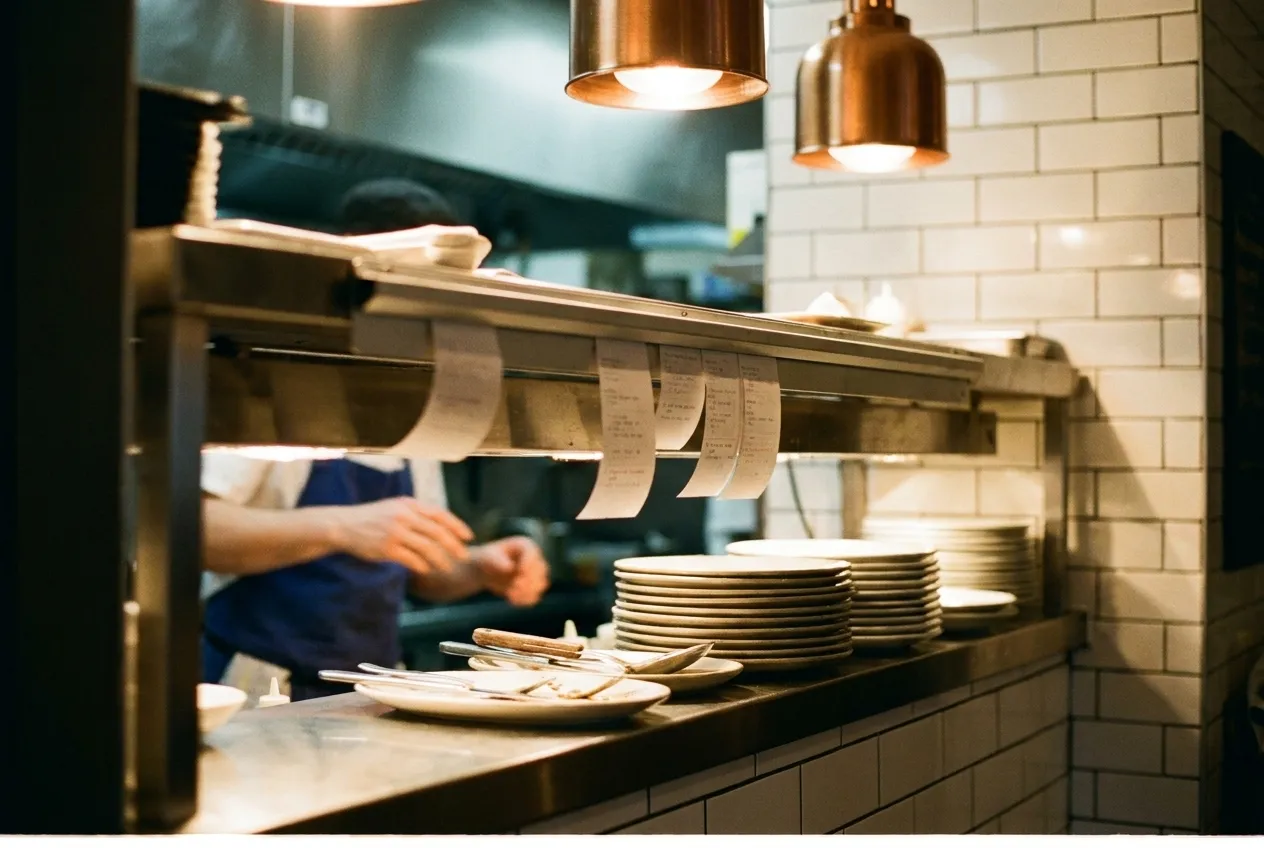
How to read a cutoff without phoning
There are reliable tells. If a place lists different closing times for the weekend and the same opening time all week, the weekend extension is usually the bar's, not the kitchen's. If a menu has a separate 'late night' or 'after hours' section, that section is the real answer and it is normally much shorter than the main menu. If a room takes reservations, the last bookable slot on the reservation system is a very good proxy for the last order - typically the kitchen runs about an hour past it, no more.
The most robust tell is what the place is for. A room whose main trade is dinner will stop cooking when dinner stops, which in Miami means somewhere between ten and eleven on weeknights and eleven to midnight at weekends. A room whose main trade is drinking will cook for as long as people are drinking, because the food is there to keep them there. Neither is better; they are answers to different questions.
Neighbourhood by neighbourhood, the honest picture
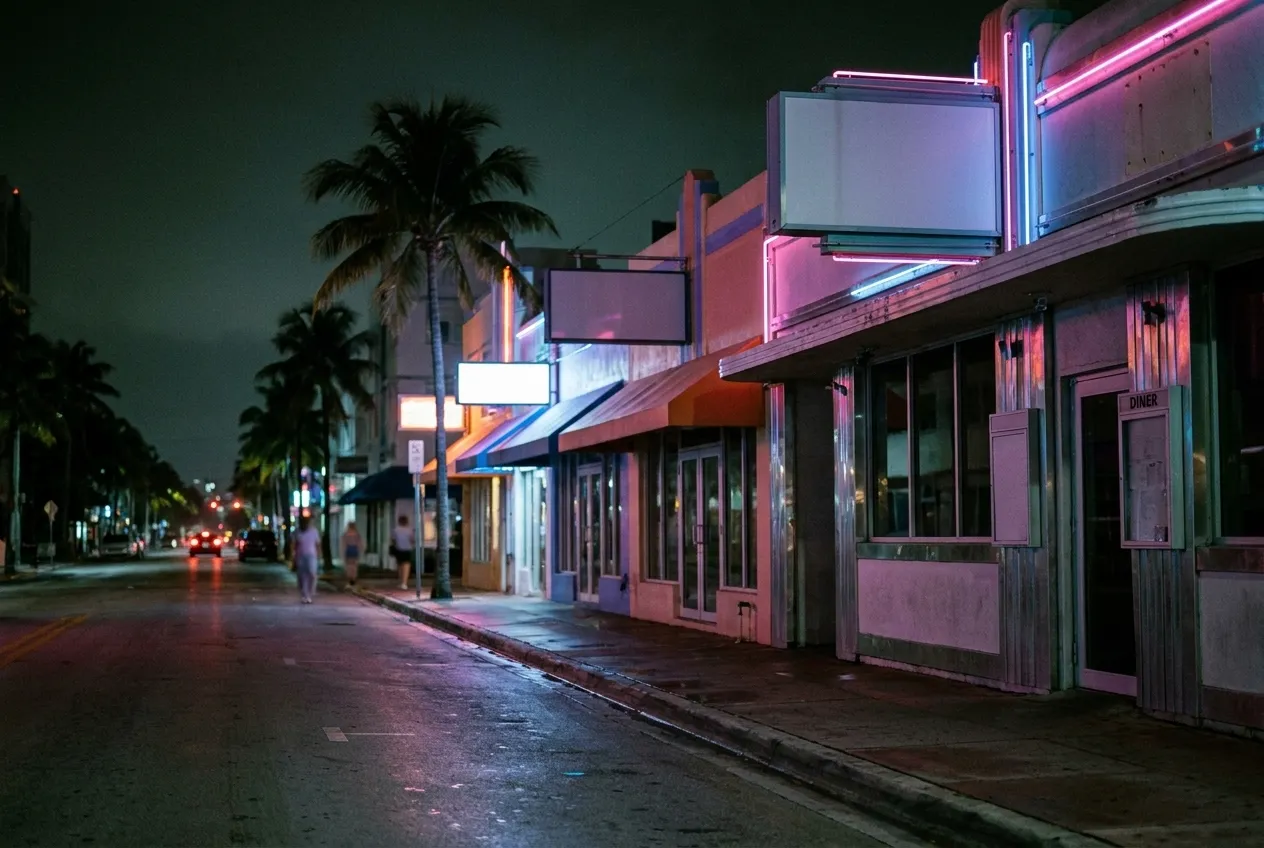
South Beach is the most late-friendly part of the county and the most uneven. West of Washington Avenue there is a working late-night economy serving the people who staff the beach, and it is unglamorous and genuinely open. Ocean Drive will serve you at two in the morning and charge you for the privilege with an automatic service charge you should read before ordering. Brickell is late in a corporate way: the towers empty into a handful of rooms that stretch their kitchens on Thursday, Friday and Saturday and shut early the rest of the week.
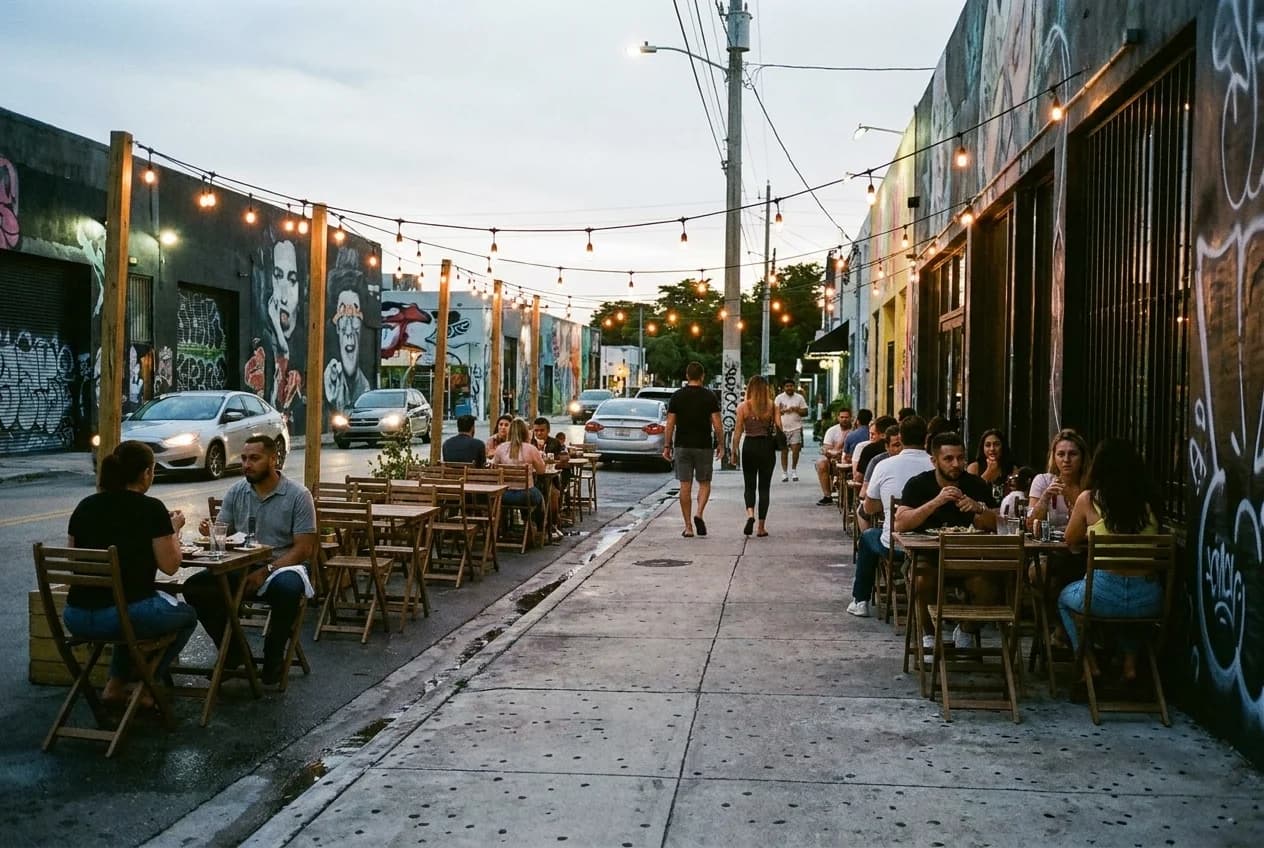
Wynwood is late only in a narrow window. The galleries and shops close, the bars fill from about ten, and the food that survives past midnight is mostly taquerias and windows rather than dining rooms - which is a good outcome, because that is the right food at that hour anyway. Little Havana is the opposite of late: it is a lunch neighbourhood that hosts music at night, and its kitchens go dark early even when its bars do not. Coral Gables is simply not a late-night neighbourhood and does not pretend to be; the Gables treats half past ten as the end of the evening.
The categories that never let you down
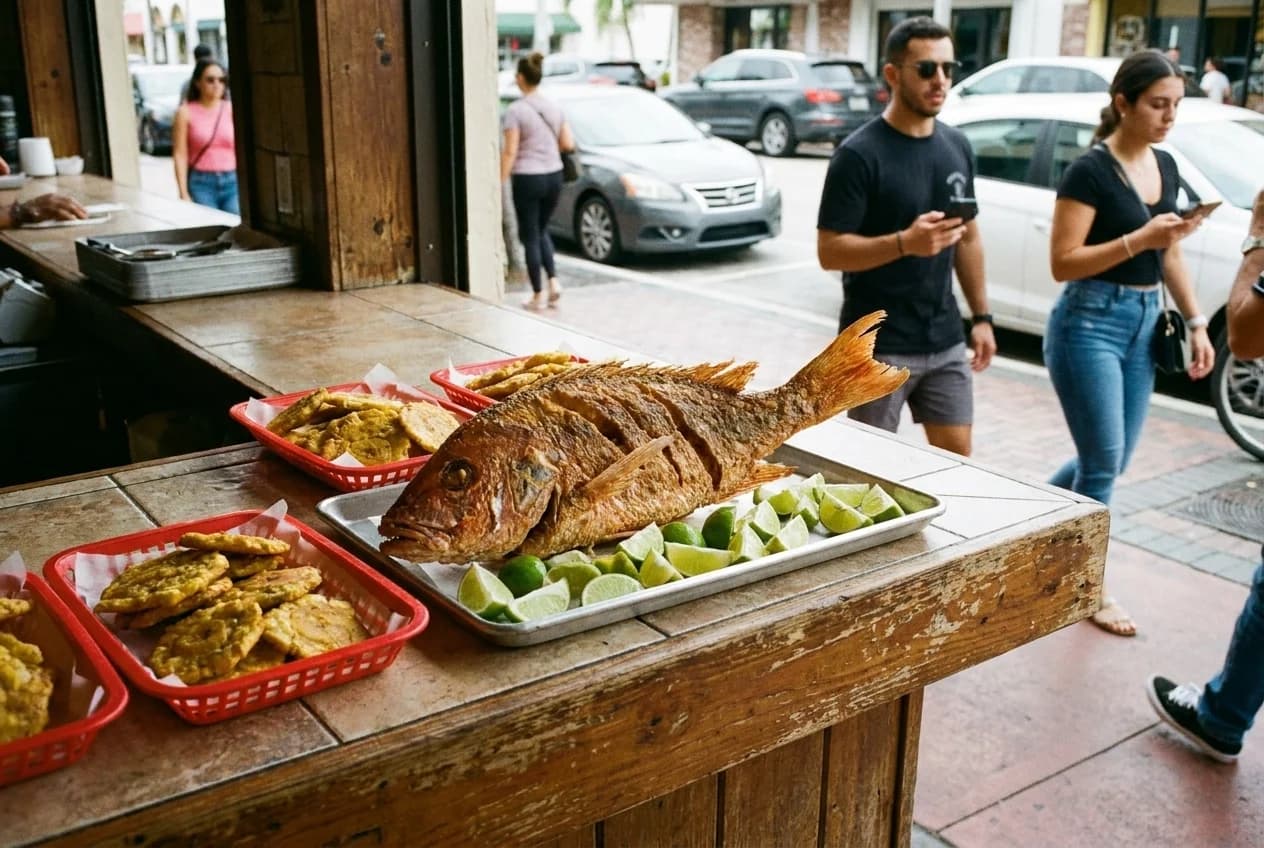
Two kinds of place are effectively immune to the cutoff problem. The first is the twenty-four hour diner or all-night counter, of which greater Miami has a decent scattering, generally on the arterials rather than in the entertainment districts - which means a short drive from wherever the night ended. The second is the late taqueria, which in this city is a well-established genre: a small kitchen, a griddle, a queue on the pavement at one in the morning, and no ambition to be anything else.
Both categories share a useful property: they do not have a bar as their main business, so their posted hours are their real hours. When you see a place that opens at eleven at night, believe it. The trouble only ever comes from rooms whose evening and whose kitchen are two different things.
A working method for the night
Decide the hour first, then the food, then the room - not the other way around. If you will be eating before ten, essentially the whole city is available and you should pick on quality. Between ten and midnight, you are choosing from restaurants with late bars and you should confirm the last order rather than the closing time. After midnight, stop thinking about restaurants and start thinking about categories: taqueria, all-night counter, nightlife kitchen. And after two, it is the twenty-four hour places or nothing, so know where the nearest one is before you need it.
One more piece of local physics. If your late meal is on the mainland and your bed is on the beach, the causeway is part of the plan. The MacArthur is quick at that hour; the Venetian has a drawbridge that opens for boats on a schedule that will not appear on your phone. Budget for it rather than being surprised by it at half past one.
Practical notes
Rules of thumb worth keeping: last food order is typically sixty to ninety minutes before a posted close, and closer to thirty in a room that is busy. Weeknight kitchens in Miami mostly stop between ten and eleven; weekend kitchens between eleven and midnight. Sunday is the quietest night in nearly every neighbourhood and the one where 'open late' most often turns out not to be. Always read the bottom of an Ocean Drive menu before you order - the service charge is printed there. Rideshare surge peaks between one and half past two when the clubs turn out, so eating either side of that window is cheaper as well as calmer.
Tags: #RestaurantsNearMe #Miami #LateNightMiami #SouthBeach #Brickell #Wynwood #MiamiNightlife #OpenLate #MiamiFood #LateNightEats #KitchenHours #MiamiBars #NightOut #MiamiAfterDark
All trademarks are the property of their respective owners.
Ask Karpo first
Nobody wants to spend the last hour of a good night phoning restaurants to ask whether the fryer is still on. Ask Karpo what is genuinely still cooking at the hour you are asking, in the neighbourhood you are already standing in, and whether it is worth crossing the causeway for - it is a much better question than which restaurant is best.