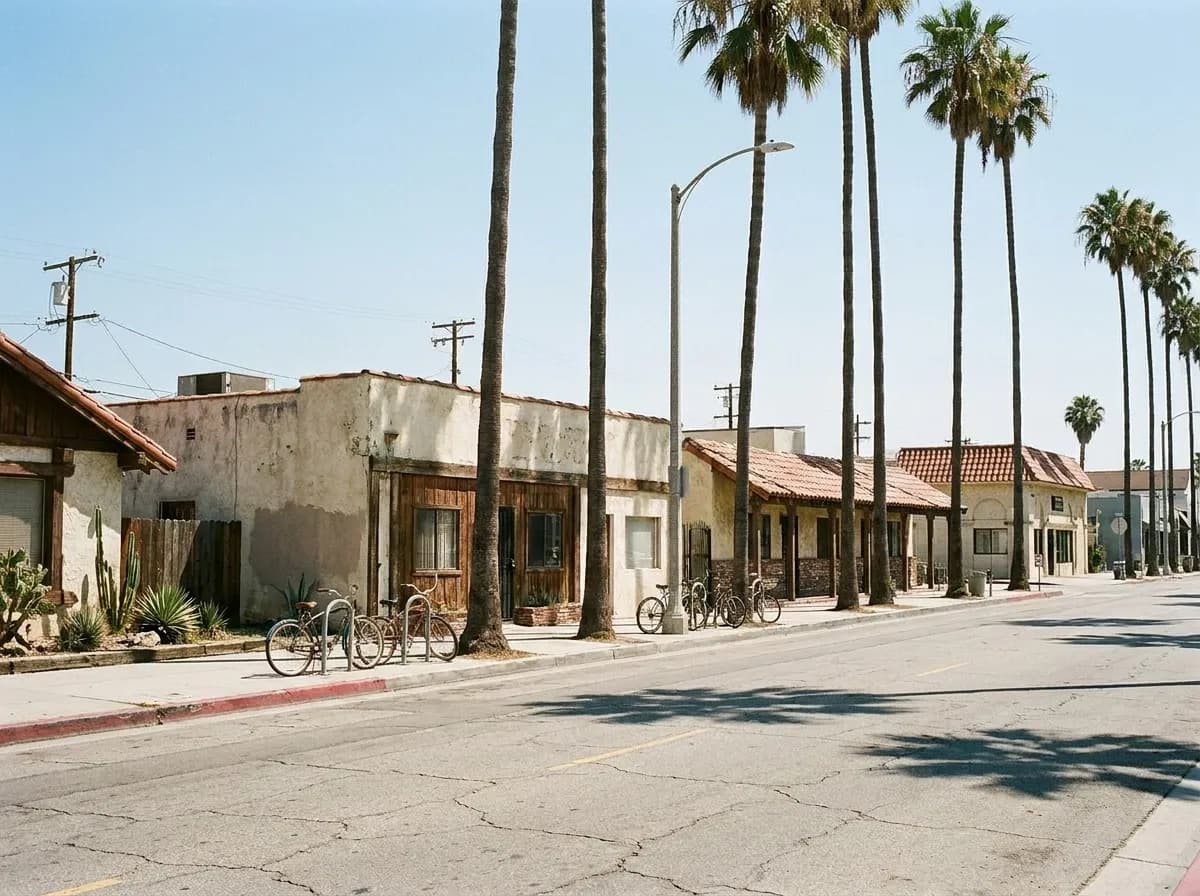
Parking decides where you eat in Los Angeles more often than the menu does. A restaurant can have a Michelin star and a six-week wait, but if the only lot charges twenty-two dollars and the street sweeping signs require a law degree to parse, you will resent the meal before the bread arrives. The city has no consistent parking logic. Some blocks in Silver Lake go free after 8pm. Some lots in Culver City validate only if you spend over forty dollars. West Hollywood valet stands appear at 6pm sharp and vanish by 10:30pm, leaving you to figure out where your car actually went. Every neighborhood operates under different rules, and the restaurant almost never tells you which set applies.
Before you circle another block or commit to a twelve-dollar valet, ask Karpo which restaurants in your neighborhood have the easiest parking right now and what the street situation looks like after dark.
Districts Where Valet Is Effectively Mandatory After 6pm
West Hollywood between La Cienega and Doheny, especially along Melrose and Santa Monica Boulevard, becomes valet territory after dark. Street parking exists in theory but fills by 5:30pm with permit holders, and the meters run until 10pm. Most restaurants on these blocks either run their own valet or share one with the building. The cost runs twelve to eighteen dollars, sometimes twenty on weekend nights. You can refuse and hunt for a spot, but the realistic alternative is parking on a residential side street eight blocks north or south and walking back through unlit stretches where the sidewalk quality deteriorates fast.
Downtown LA's eastern Arts District and the blocks around Grand Central Market operate the same way for different reasons. Metered street parking ends at 8pm, which sounds helpful until you realize every empty curb spot after that hour sits in a permit zone that gets enforced until midnight. The lots charge ten to fifteen dollars flat rate, and the app-based lots often close their gates at 11pm whether your dinner is finished or not. Valet at the bigger restaurants costs about the same as a lot and removes the gate-closing risk, which is why you see lines of cars waiting for attendants even at mid-tier places.
The stretch of Ventura Boulevard through Studio City and Sherman Oaks has valet at nearly every full-service restaurant, but here it is more about convenience than necessity. Street parking exists and turns over steadily, especially after 9pm when the meters go dark. But the boulevard is six lanes wide, and crossing it on foot from a side-street spot means dealing with drivers who treat yellows as suggestions. Valet here is a five-dollar decision about whether you want to walk three blocks in the dark or step directly from your car to the host stand.
Structures That Go Free After a Certain Hour
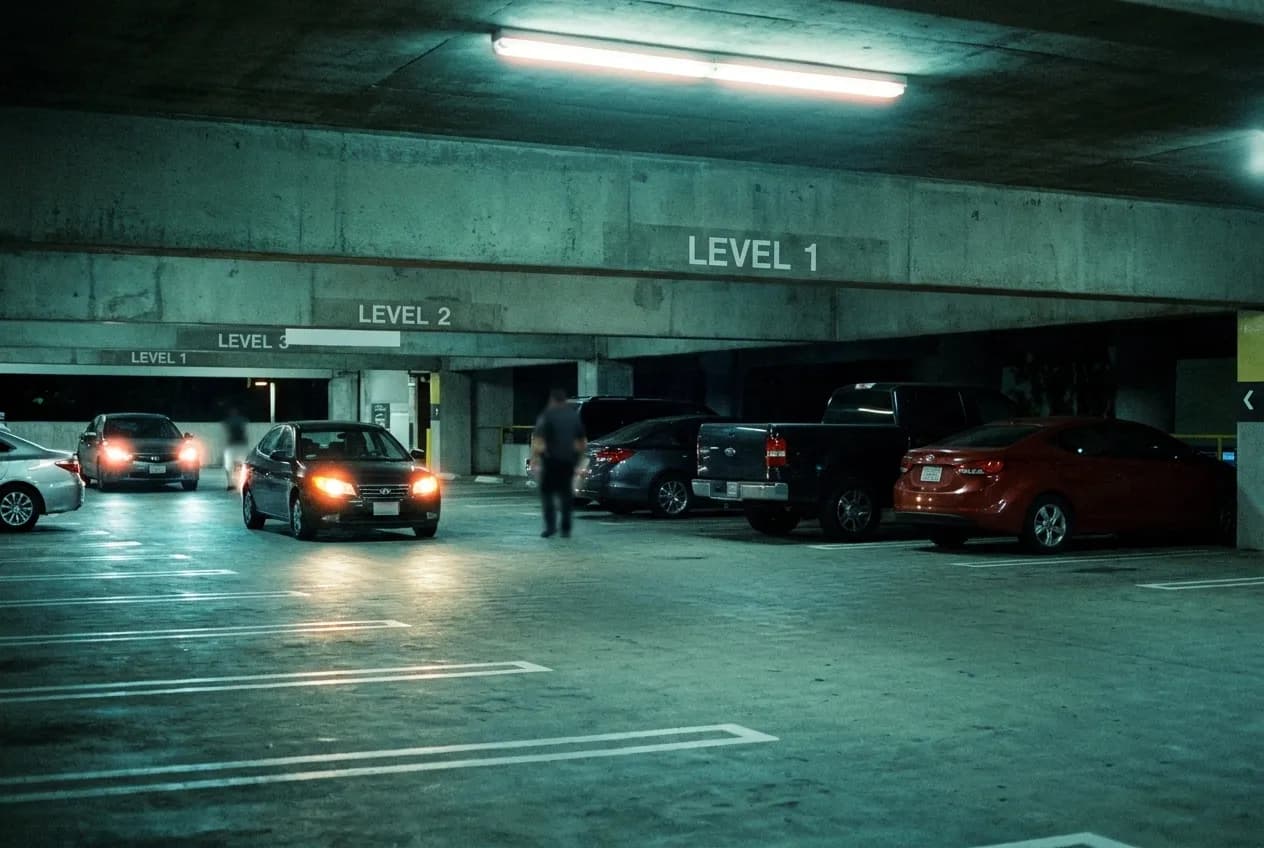
Culver City municipal lots switch to free parking at 8pm on weekdays and 6pm on weekends, which makes the downtown Culver restaurant blocks one of the better deals in the city for a weeknight dinner. The catch is that only three of the six public lots follow this schedule. The one behind the Culver Hotel stays paid until midnight. The one on Venice Boulevard west of Overland charges until 10pm. You have to know which structure you are pulling into, because the signage does not clarify until you are already committed to the entrance ramp.
Santa Monica has a similar system with worse signage. The public structures along Broadway and Colorado go free after 6pm Monday through Thursday, but stay paid until 9pm Friday and Saturday, and all day Sunday until 6pm. The structures east of Lincoln follow a completely different schedule that nobody can explain. If you are eating anywhere in downtown Santa Monica after 8pm on a weekday, the structures are your best option. On a weekend night, you are better off with metered street parking on the residential blocks north of Wilshire, where enforcement ends at 8pm and you can walk south into the restaurant zone in under ten minutes.
Pasadena municipal lots go free after 8pm every night, which is one reason Old Town Pasadena works better for dinner than lunch. The Green Street and Holly Street structures are both within a five-minute walk of most of the restaurants, and neither charges after the evening cutoff. The private lots that serve individual buildings do not follow the same rule, and you will not know you are in a private lot until you take a ticket that turns out to cost twelve dollars whether you stay twenty minutes or three hours.
How to Read Posted Street Signs and Permit-Zone Boundaries Fast
Los Angeles street parking signs stack information in ways designed to fail under dim light and time pressure. The critical line is always the one in smallest type. If a sign says "2 Hour Parking 8am-6pm" and nothing else, you can park there free after 6pm unless a second sign ten feet down the block adds "Permit Zone K Exempt." Permit zones run on invisible boundaries that do not align with intersections. One side of the street might be free after 8pm while the other side stays restricted until midnight, and the only way to know is to walk the full block checking every post.
The color of the curb means less than you think. Red is always no parking. Blue is disabled placards only. Green is short-term, usually fifteen or thirty minutes, and it stays enforced whenever meters are running. But yellow and white curbs revert to regular parking outside of business hours in some neighborhoods and stay restricted in others. The sign, not the paint, is the legal instruction. If the curb is painted and there is no sign, assume it is restricted and keep moving.
Permit zones are the real trap. A permit zone sign with no hours listed means the restriction runs twenty-four hours a day. If it says "Permit Required 6pm-8am," that is overnight restriction aimed at preventing cars from camping, and you can park there during the day. If it says "Permit Required Monday-Friday," weekends are open. The zones exist to keep restaurant and bar traffic out of residential blocks, which means the streets immediately adjacent to commercial strips are usually zoned, while the blocks two or three streets over often are not. Walk the extra distance and you skip the ticket risk entirely.
The Practical Rule That Decides Whether to Circle, Pay, or Park Six Blocks Out
If you do not see a street spot within two passes of the block, you will not find one by trying a third time. The decision point is whether the restaurant is worth a paid option or whether you should park in the next neighborhood over and walk. For dinner reservations you cannot miss, pay for the lot or take the valet. For casual walk-ins or places with bar seating, park six blocks into the residential grid and cover the distance on foot. The walk rarely takes more than twelve minutes, and you avoid both the cost and the anxiety of wondering whether you read the signs correctly.
The six-block rule works because Los Angeles residential streets are almost never fully parked after 7pm unless there is a street fair or a major event. The risk is personal safety and sidewalk quality, not parking availability. Neighborhoods where the six-block walk feels reasonable include Los Feliz, Echo Park, Silver Lake, Atwater Village, Highland Park, and the flats of Culver City and Palms. Neighborhoods where it does not include Hollywood south of Sunset, Koreatown west of Vermont, and most of downtown outside the Arts District. Trust your instinct when you step out of the car. If the block does not feel right, get back in and pay for the structure.
Time of arrival changes the math. Showing up at 6pm means you compete with the dinner rush and the end of the work day. Arriving at 8:30pm or later puts you past the first seating, and turnover creates gaps in both street and lot inventory. Restaurants with valet often see their attendants leave by 10pm, which means late arrivals have to self-park anyway. If you are eating after 9pm on a weeknight, the parking situation improves across the board, and the six-block fallback becomes less necessary.
The trade-off worth accepting is this: parking will cost you either money or time, and sometimes both. You can spend fifteen minutes hunting for a free spot that may not exist, or you can pay twelve dollars and walk in immediately. The restaurants do not control the parking, and they benefit when you blame the city instead of the meal. Knowing which neighborhoods reward patience and which ones punish it is the actual skill. The valet is not a scam. The meter is not a trap. They are both just the price of eating out in a city that was built for cars and then filled with twice as many as the streets can hold.
Tags: #RestaurantsNearMe #LosAngelesEats #LAParkingTips #LADining #NeighborhoodGuides #WestHollywoodFood #CulverCityRestaurants #SantaMonicaDining #DowntownLAEats #SilverLakeFood #PasadenaRestaurants #LAFoodie #DiningInLA #ParkingInLA #LARestaurantGuide
Please drink responsibly. Must be of legal drinking age.
All trademarks are the property of their respective owners.
Ask Karpo first
Ask Karpo which restaurants near you have the easiest parking right now, whether the nearby structure is free after 8pm tonight, and if the permit zone on that side street actually gets enforced this late. The Karpo app knows what is open at this hour and how to route you to the door without circling.