Search restaurants near me in New York and the ranking you get is a popularity ranking. It tells you nothing about the only variable that decides whether you actually eat: when the seats are released and who they are released to. A restaurant that looks impossible is often just a restaurant whose drop time you do not know, and a restaurant that looks easy is often one that holds nothing back for walk-ins. What follows is twenty tables sorted by booking mechanics rather than by cooking, because that is the part the search results never carry.
Karpo can watch the release windows for the tables you actually want and tell you the morning a seat opens, instead of you refreshing an app at midnight.
Tier one: thirty-day drops you have to be awake for
A cluster of the most-wanted rooms in the city release their books exactly thirty days out, at a fixed hour in the morning, and are gone within seconds. Carbone, Torrisi and the rest of the Major Food Group tables in SoHo and NoHo behave this way; so does 4 Charles Prime Rib, which is still the single hardest small dining room in Manhattan. The realistic play for all of these is not the drop itself — you will lose that race — it is the cancellation window between 24 and 48 hours out, when deposits stop being refundable and the flakes release their tables in a batch. Two habits beat raw speed: check at exactly the 48-hour mark and again on the morning itself, and search for a party of two rather than the number you actually are, because two-tops surface first and most of these rooms will stretch a two into a three at the door without complaint.
Tier two: the ones that keep a bar
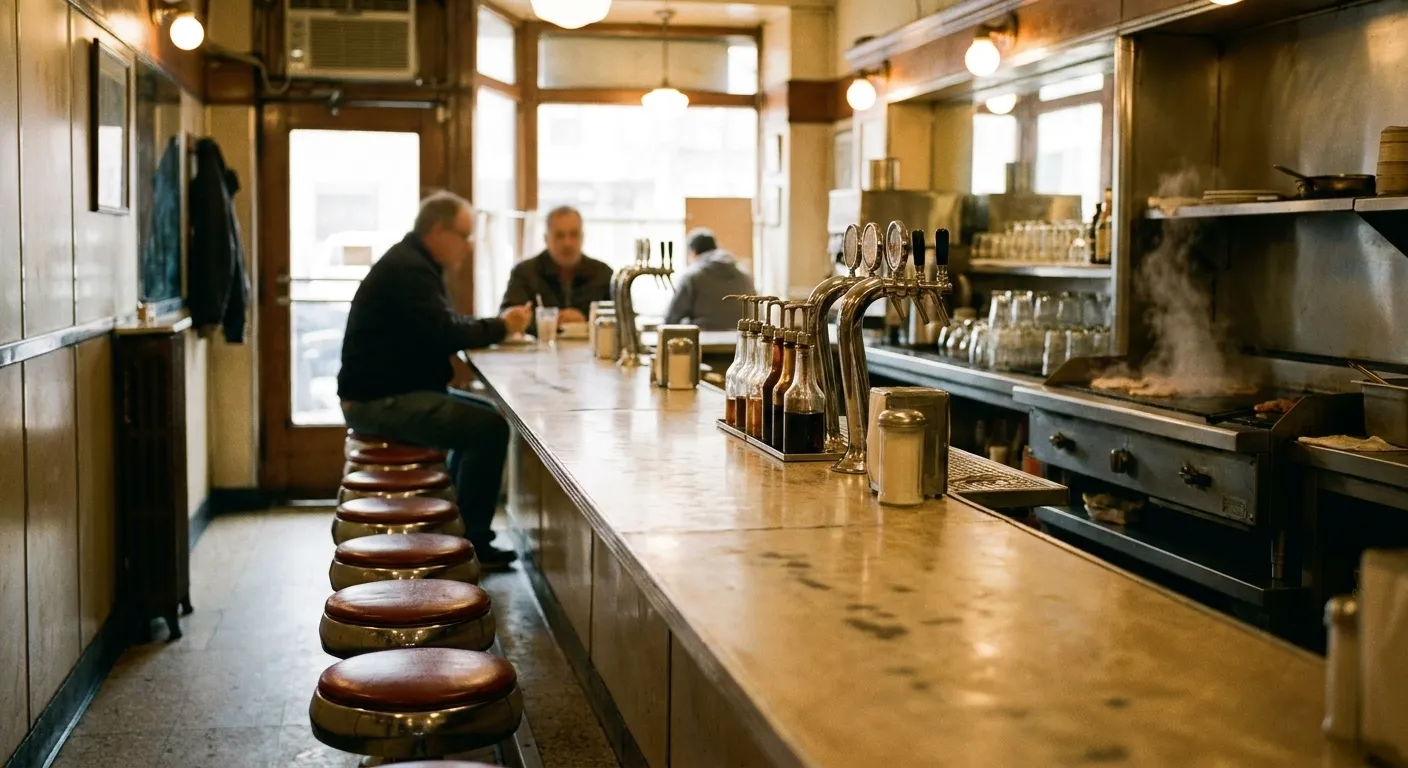
The most useful category, and the one people give up on too early. Lilia in Williamsburg, Via Carota in the West Village, Rezdôra near Madison Square and Le Coucou in SoHo all run bar or counter seats that are not part of the online allocation. The rule is unglamorous: arrive at opening, put your name down, and be willing to eat at 5.30pm or 9.45pm rather than 7.30pm. Two people get in this way far more often than four; a party of two at the bar is the single highest-percentage move in New York dining. Ask specifically whether the bar is first-come rather than whether there is a table — those are different questions and a host will answer the second one if you let them.
Tier three: tables that reward a weekday
Gramercy Tavern, Estela, Cote, Semma and Atomix are all bookable if you stop asking for Friday and Saturday. The demand curve in this city is startlingly lopsided — a Tuesday at the same restaurant is frequently a different restaurant in terms of availability, noise and how much attention the kitchen has to spare. Semma in the West Village and Cote in the Flatiron in particular open up midweek in a way that surprises people who have been refreshing Saturday for a month. The same logic applies to the hour: a 5.45pm or a 9.15pm slot exists at rooms showing nothing between seven and eight, and the early seating is usually the quieter, better-served one.
Tier four: the outer-borough tables the algorithm buries
The search radius is the enemy here. Places like Zaab Zaab in Elmhurst, Casa Enrique in Long Island City, Chuko in Prospect Heights and Sunday in Brooklyn in Williamsburg are consistently easier to book than anything comparable in Manhattan, and the trip is frequently shorter than the wait would have been. If you are willing to treat a subway ride as part of dinner rather than an obstacle to it, the whole booking problem softens. It also tends to cost less for the same quality, because rents in Elmhurst and Long Island City are not Manhattan rents and the menus reflect it.
Tier five: the walk-in-only holdouts
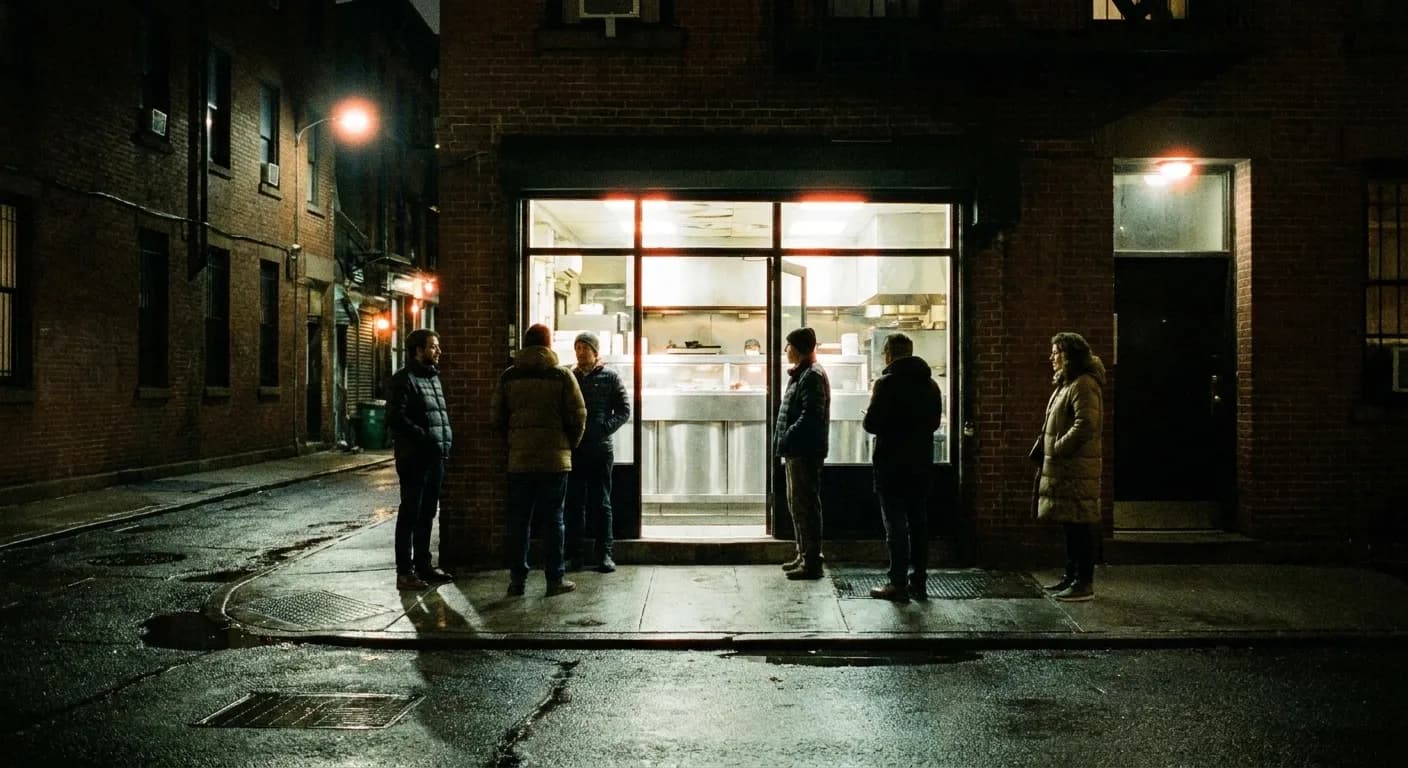
A handful of good rooms take no reservations at all, which sounds worse and is often better, because the queue is at least honest. Noodle Pudding on Henry Street in Brooklyn Heights, Raku in the East Village, Mariscos El Submarino in Greenpoint and Da Andrea in Greenwich Village all work this way. The mechanics are consistent: get there within fifteen minutes of opening or after 9pm, and expect the middle of the evening to be a genuine wait rather than a nominal one. None of them take names by phone and most will not hold your place if you wander off, so treat the block as the waiting room.
What to do with a same-day search
If you are looking today, invert the order above. Start with tier five, then tier two's bar seats, then tier four. Ignore tier one entirely unless it is between 24 and 48 hours out, in which case check it obsessively, because that is when the deposits bite. And check the restaurant's own site rather than only the booking app — a meaningful number of New York rooms hold back seats for direct requests, walk-ins and their own waitlist, and those seats never appear in the aggregated search you started from.
Practical notes
Reservation platforms in New York release at 9am or 10am local time depending on the restaurant, thirty or twenty-eight days out; the restaurant's own site states which. Set the alarm for the drop only for tier one. For everything else, the 24-to-48-hour cancellation window is a better use of your attention. Parties of two get seated dramatically faster than parties of four everywhere on this list. Bar seats are almost never bookable and almost always available if you arrive early. Booking policies change often, so confirm the current release rule on the restaurant's own page before you plan an evening around it.
Tags: #RestaurantsNearMe #NYCRestaurants #NYCReservations #Resy #WalkIns #BarSeats #Williamsburg #WestVillage #Elmhurst #LongIslandCity #NYCDining #DateNightNYC #BrooklynEats #ManhattanDining
All trademarks are the property of their respective owners.
Ask Karpo first
Want to know which of these has a seat tonight without opening five apps? Ask Karpo for live availability around the neighbourhood you are actually in, the bar-seat options that never show up online, and a backup table within a ten-minute walk.