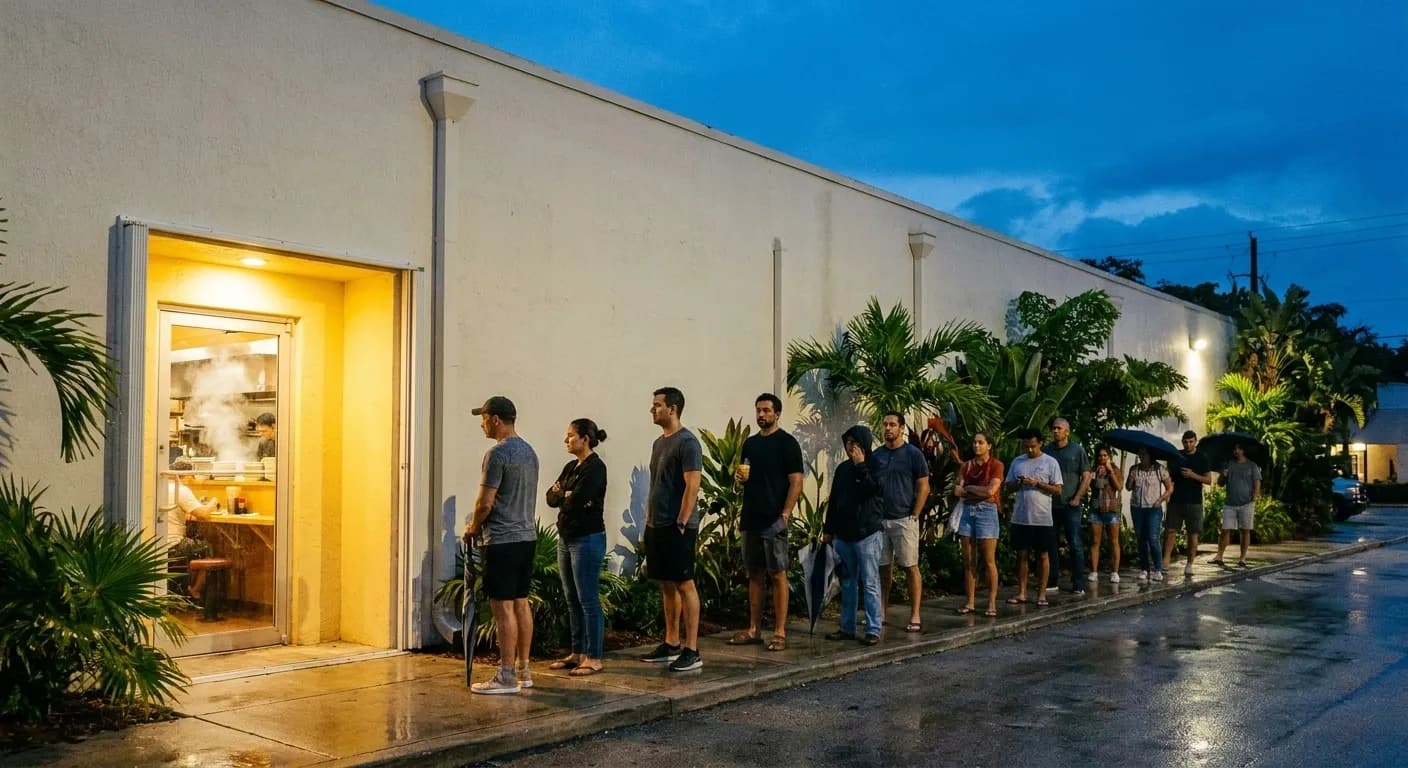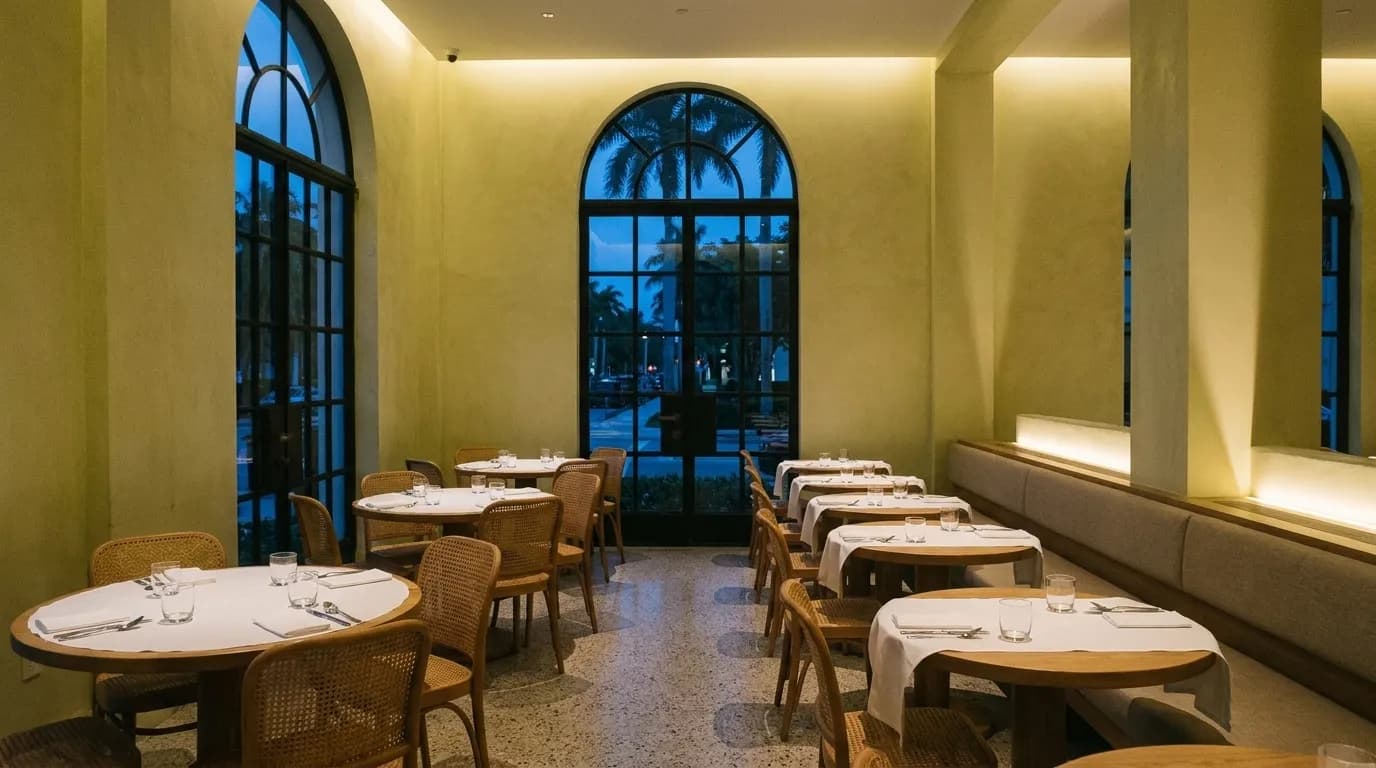
Every neighbourhood with a tourist strip develops a second, quieter restaurant economy behind it, and Little Havana's is unusually large because the strip itself is so concentrated. The rooms in question are not hidden and nobody is guarding them. They are simply invisible to the machinery that produces restaurant lists — no website, no booking system, no English-language signage, no interest in being written about — and that invisibility is a decision rather than an oversight.
These places do not advertise and several keep unpredictable hours. Tell Karpo in iMessage where you are and it will tell you what is open around you right now.
Why They Stay Off the Lists
Four things keep a good restaurant here anonymous. It has enough regulars that it does not need new customers, which removes any incentive to market. It has an owner who is also the cook, which removes the time. Its food does not photograph — a plate of roast pork, rice and beans under fluorescent light is delicious and completely unposteable. And it operates in Spanish, which means the reviews it does have are written in Spanish and rank poorly against English-language searches. None of these are quality signals in either direction. But together they are why the four best rooms within a mile of you might have a combined online presence of one phone number.
The Cafeteria as a Restaurant Format
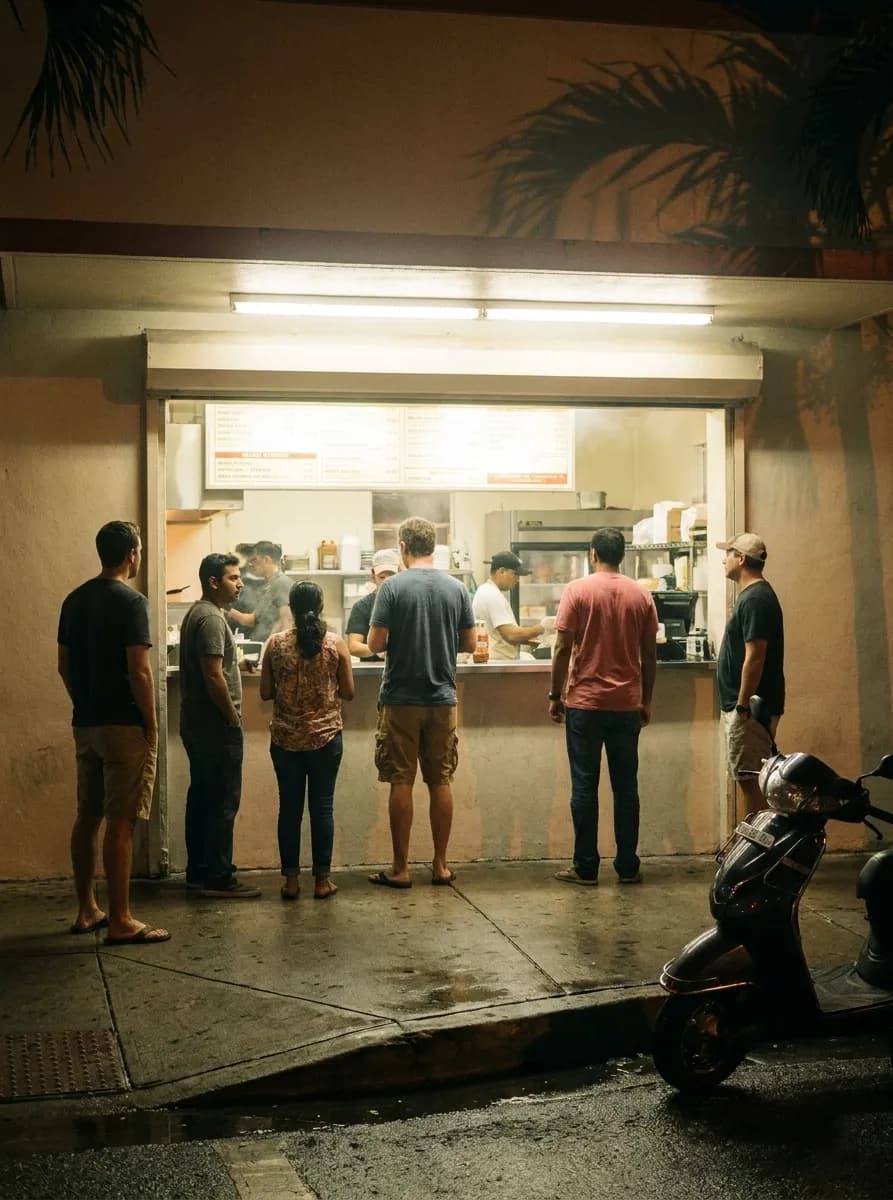
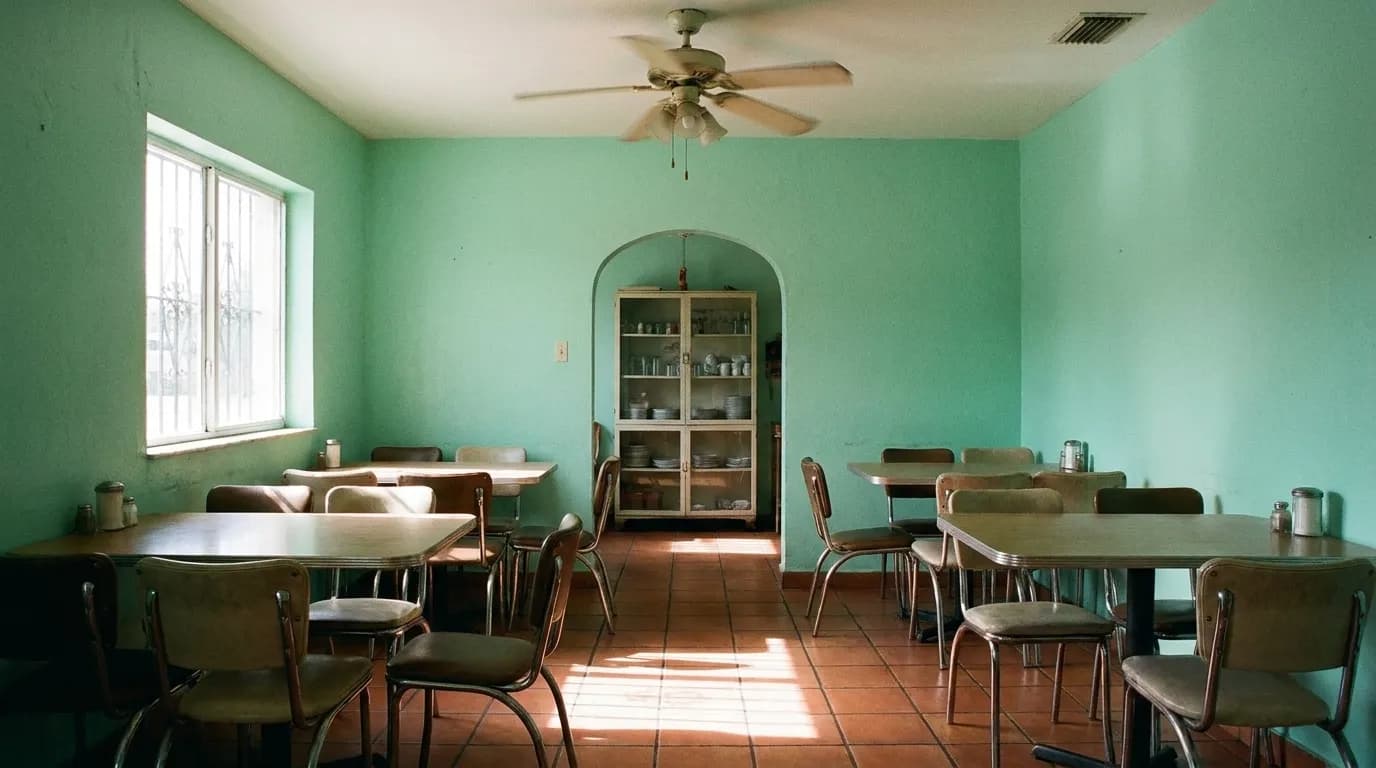
The dominant format in this neighbourhood is the cafeteria — a counter, a handful of tables, a walk-up window on the street side, and a menu that is largely fixed with a daily special. Calling it a cafeteria undersells it. These kitchens do slow-braised dishes properly because they cook one large batch in the morning and serve it through the day, which is exactly the right method for ropa vieja, fricasé and boliche. Ordering well here means asking for the special rather than reading the menu, because the special is what was cooked today and the menu is what can be cooked on request. A full lunch — protein, rice, beans, plantain and a coffee — generally lands between twelve and eighteen dollars.
Where to Look
Geography again does most of the work. The blocks of Calle Ocho west of roughly 22nd Avenue are where the density of these rooms is highest and the visitor traffic is effectively zero. The residential cross streets running north and south hold small restaurants attached to markets and bakeries. The Coral Way corridor along the neighbourhood's southern edge has a separate cluster serving the surrounding residential streets. And the western boundary bleeding into West Miami and Flagami has its own, including a strong Nicaraguan and Honduran presence. If you have only ever eaten between 12th and 17th Avenues, you have seen a small and unrepresentative fraction of the neighbourhood's restaurants.
How to Walk In Without Getting It Wrong
The etiquette is straightforward and worth knowing. Seat yourself unless somebody indicates otherwise. Order at the counter in the smaller rooms and at the table in the larger ones; watching what the person ahead of you does answers this immediately. A little Spanish helps and clumsy Spanish is fine — the effort registers and nobody is grading it. Cash is still preferred in several places and a few are cash-only. Do not expect a wine list; the drinks are coffee, batidos, malta and beer. And tip properly: these are low-margin businesses with prices that have barely moved, and the difference between a fifteen and a twenty percent tip on a fourteen-dollar lunch is under a dollar to you and meaningful to them.
The Dishes That Tell You If It Is Good
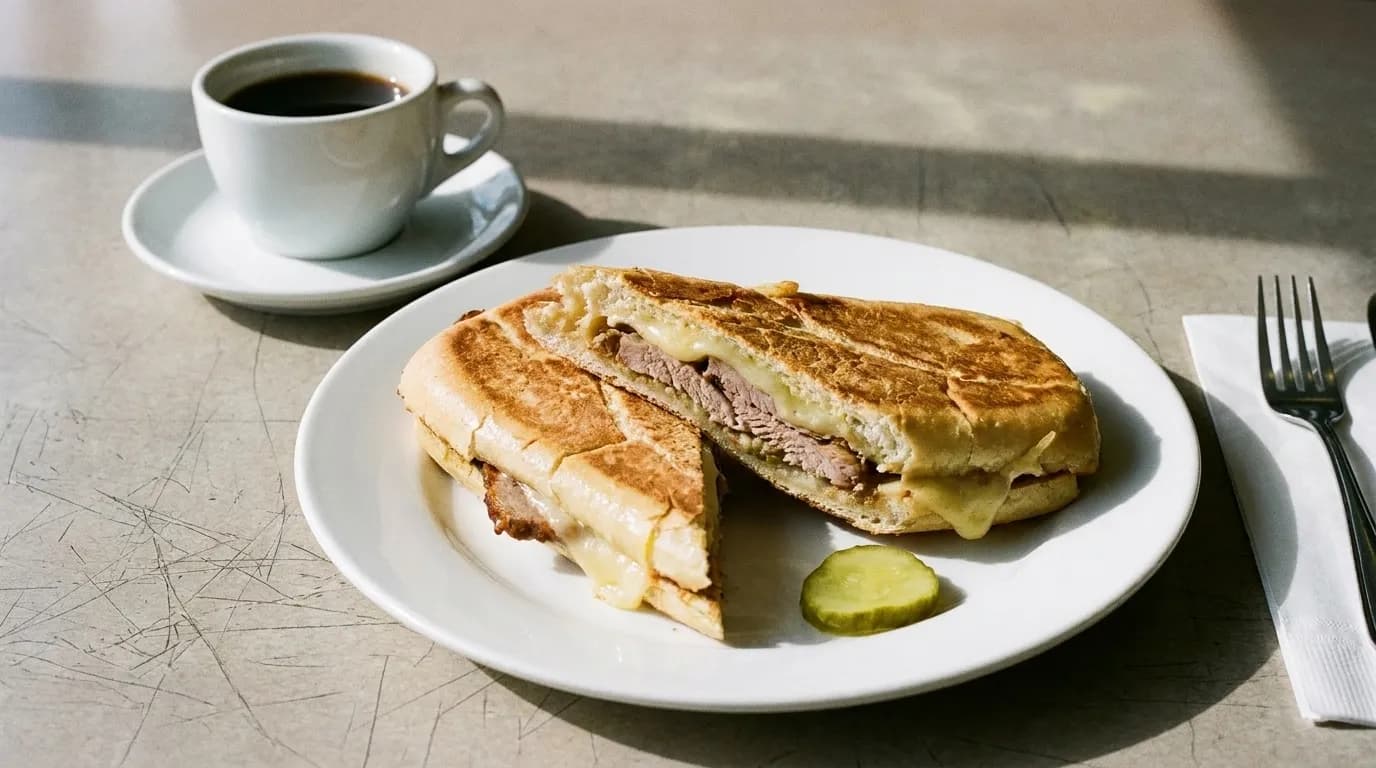
Three orders will tell you almost everything about a kitchen here. The Cuban sandwich is the obvious one and the most revealing: the bread should shatter slightly, the cheese should be fully melted rather than warmed, and the pork should taste roasted rather than boiled. Black beans are the second test — properly made they are thick, dark and faintly sweet from long cooking, and a thin watery version tells you the kitchen is cutting corners where it thinks nobody looks. And the coffee: a cortadito should be strong, intensely sweet and pulled fresh, not poured from a flask. A room that gets all three right will get everything else right too, and you will have found it for under twenty dollars.
When to Turn Up
Timing matters more here than at a conventional restaurant, because these kitchens cook in batches rather than to order. Between noon and about two is the peak and also the best window: the trays are full, the special is fresh, and the room is busy with people on a break from work nearby. By four the good dishes are running out and several places close entirely until an evening service that may or may not happen depending on the day. Weekends invert this — Saturday lunch is enormous, Sunday is family day and the larger rooms fill with three generations at a table, while several of the smallest counters simply do not open. Evening service across the neighbourhood is thinner than visitors expect and finishes earlier. If there is one rule, it is that this is a lunch neighbourhood that happens to serve dinner, rather than the other way round.
Going Back
The whole value of a neighbourhood restaurant is unlocked by repetition, and in Little Havana that happens faster than almost anywhere. By the second visit somebody will recognise you; by the fourth you will be told what is good today before you ask, and occasionally offered something that never appears on a menu. That is the actual reason to seek these places out rather than the more expensive rooms on the main strip. The food is better and cheaper, but the real difference is that you can become a regular at one of them within a month, which is not true of anywhere with a queue.
Tags: #LittleHavana #Miami #RestaurantsNearMe #CalleOcho #CubanFood #MiamiEats #Cafeteria #NicaraguanFood #WestMiami #CoralWay #MiamiRestaurants #SouthFlorida #LocalEats
Sources consulted: miamiandbeaches.com · nps.gov · miami.eater.com · floridahealth.gov
Please drink responsibly. Must be of legal drinking age.
All trademarks are the property of their respective owners.
Ask Karpo first
These kitchens keep their own hours and many close between services. Ask Karpo in iMessage where you are in Little Havana and what you want, and it will find one open.