Ask someone who has lived in Los Angeles for a decade how they choose a restaurant and the answer will start with a road, not a cuisine. This is not laziness. In a city where the difference between a fifteen-minute drive and a fifty-minute drive is a decision about your entire evening, geography is the first filter and everything else is downstream of it. Understanding that reordering is the fastest way to eat better here.
The right answer in Los Angeles depends on the hour, the direction and the traffic between you and it. Ask Karpo what is genuinely worth the drive from where you are right now.
Drive time first
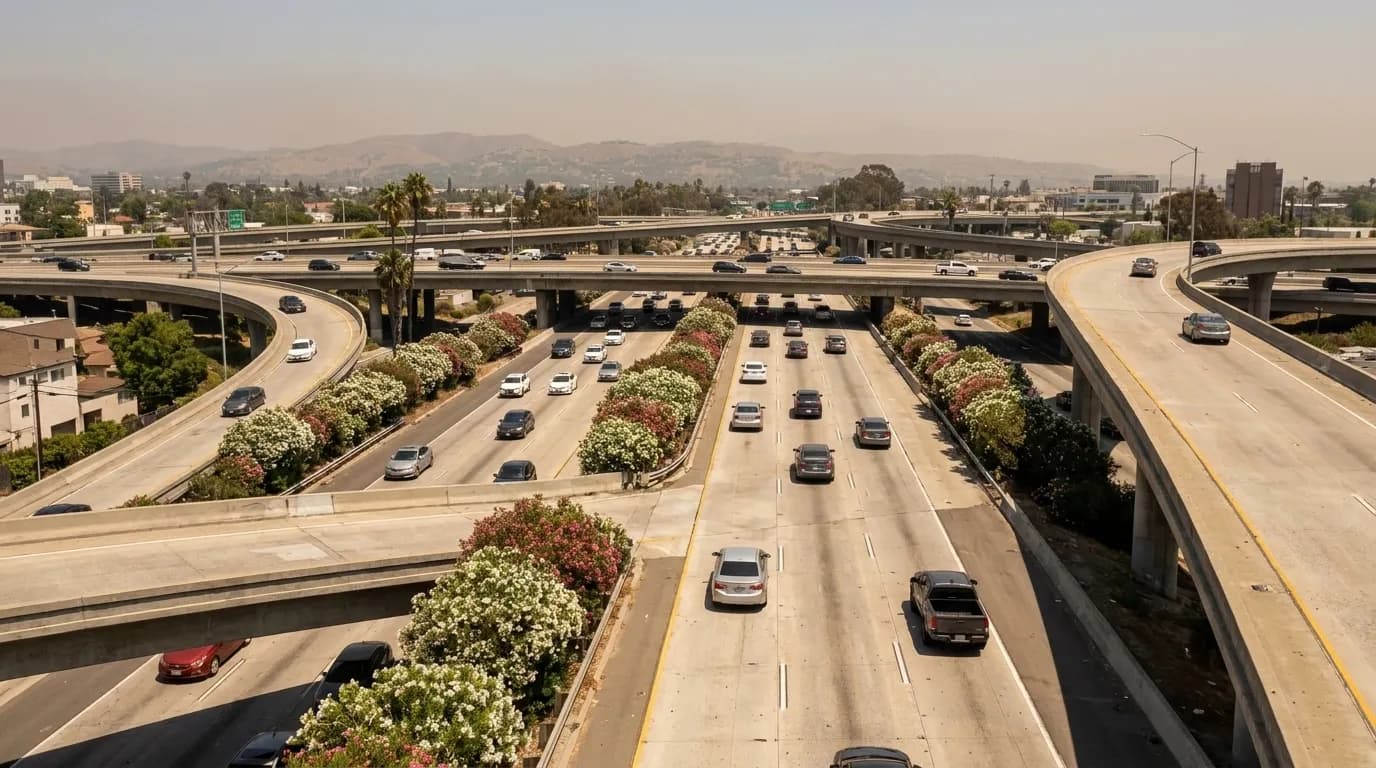
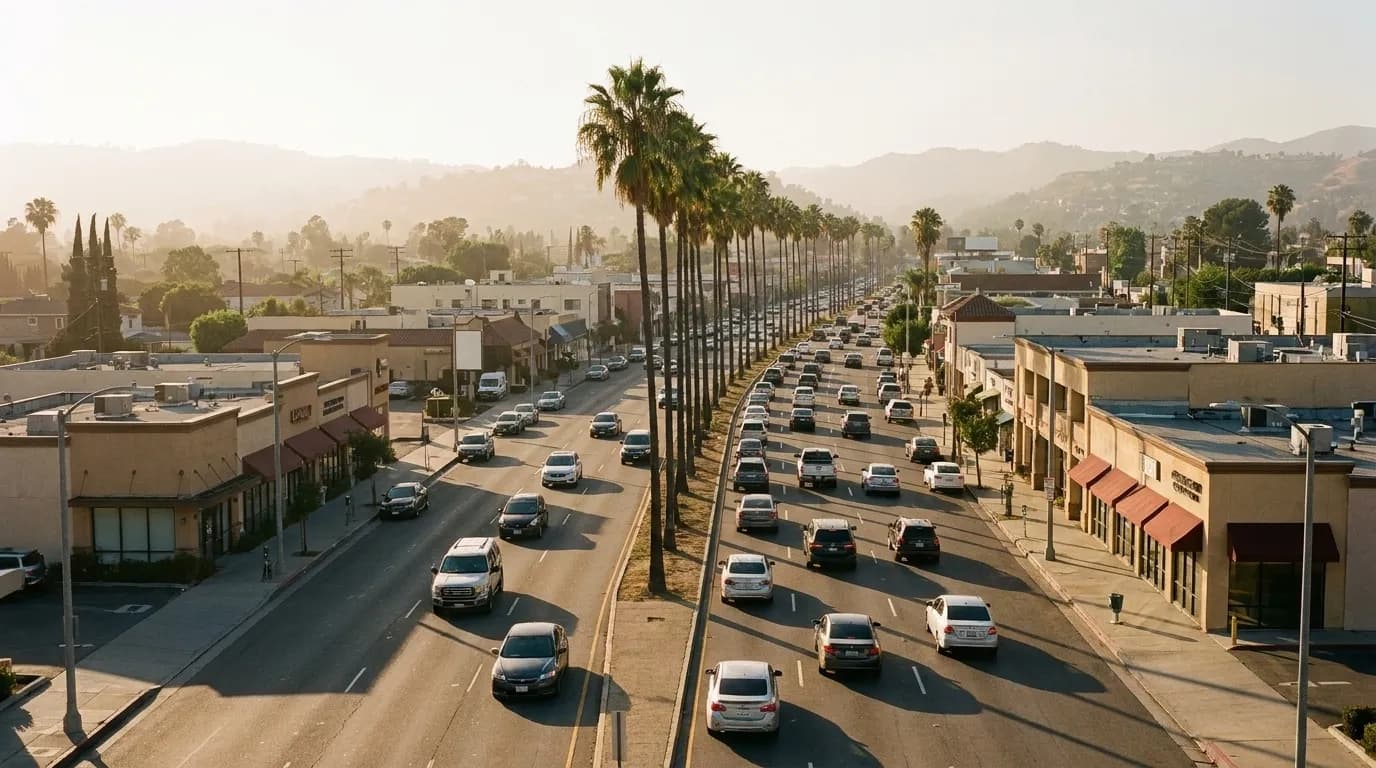
The practical rule most people converge on is a twenty-minute radius on a weeknight and a thirty-minute one at the weekend, measured at the hour you would actually leave rather than in free-flow conditions. Between roughly seven and ten in the morning and three and seven in the evening, add half again to any estimate. Outside those windows Los Angeles is genuinely quick, and after ten at night it is the size it looks on a map.
This produces a habit that surprises visitors: people here plan the direction of an evening before the food. Going east means the San Gabriel Valley and the east side; going west means Sawtelle, Culver City and the beach cities; staying central means Koreatown, Thai Town and downtown. Committing to a direction and then choosing within it is how residents avoid spending the evening on a freeway.
Cuisine second, and specifically
The second filter is not what kind of food but which region of which cuisine, because Los Angeles is deep enough to support that distinction. Chinese here means choosing between Shaanxi, Hunan, Sichuan, Dongbei, Cantonese and Taiwanese, mostly in the San Gabriel Valley. Mexican means choosing between Oaxacan in Koreatown and Mid-City, Sinaloan seafood in the South Bay, Sonoran on the east side, and the taco stand nearest you. Thai, Korean, Armenian, Salvadoran, Filipino and Persian all have the same internal range.
This is the single biggest gap between how visitors and residents search. A visitor searches for the best Chinese food in LA. A resident searches for hand-pulled noodles in Rowland Heights, because they know the general question has no answer and the specific one has a very good one.
The signals that beat ratings
Ratings in Los Angeles are noisy in a specific way: the highest-rated restaurants in any given search tend to be the most accessible ones rather than the best ones, because the sample is dominated by people who drove the shortest distance. Locals substitute a handful of physical signals that are harder to game.
Longevity in the same unit, particularly in a strip mall, means a business surviving on repeat custom in a market with volatile rent. A menu printed only in another language means the room is not courting outsiders. A single stated specialism — noodles, birria, rotisserie chicken, sandwiches — beats a menu covering four cuisines every time. A queue of people who look like they live nearby, at an hour when visitors are elsewhere. And a kitchen with one dish it is known for, which everyone at the surrounding tables is eating.
The strip mall, which is the point
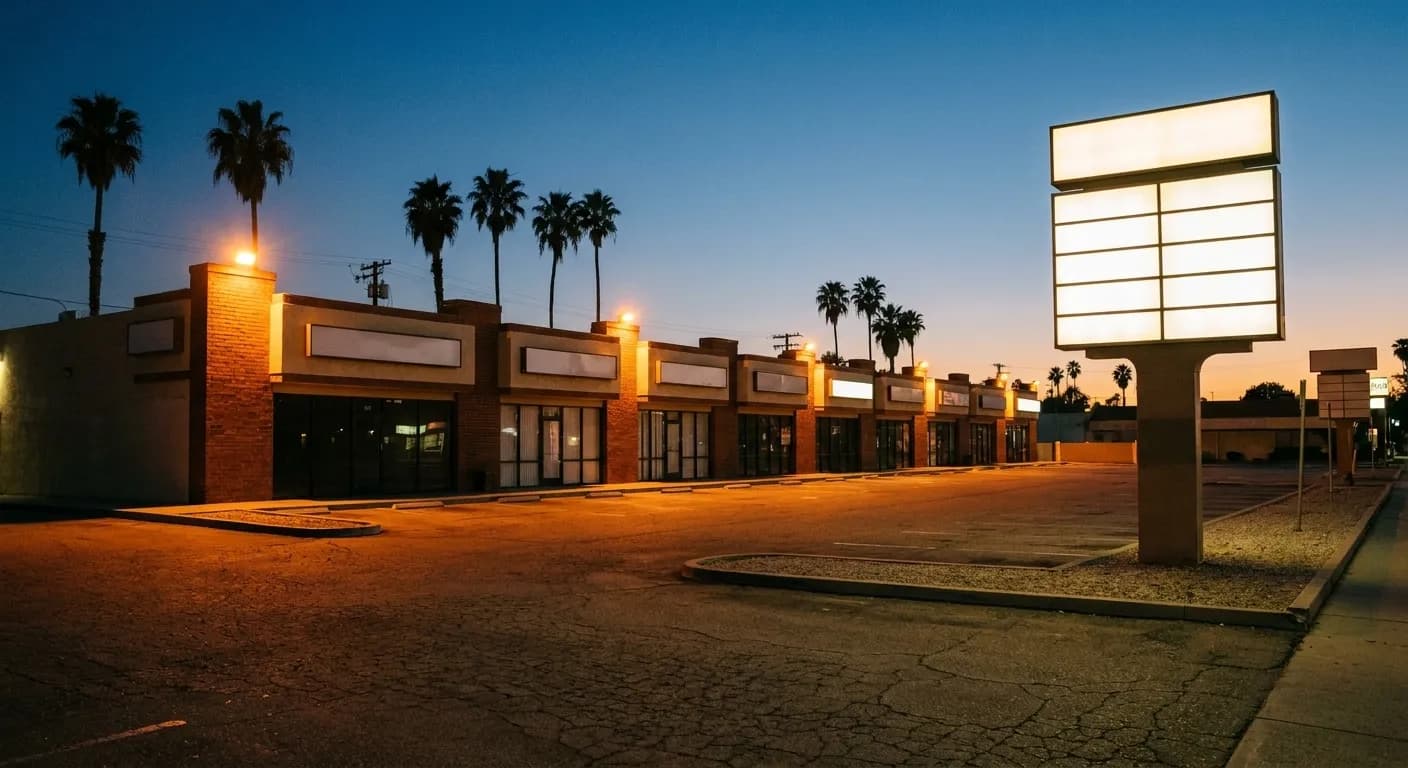
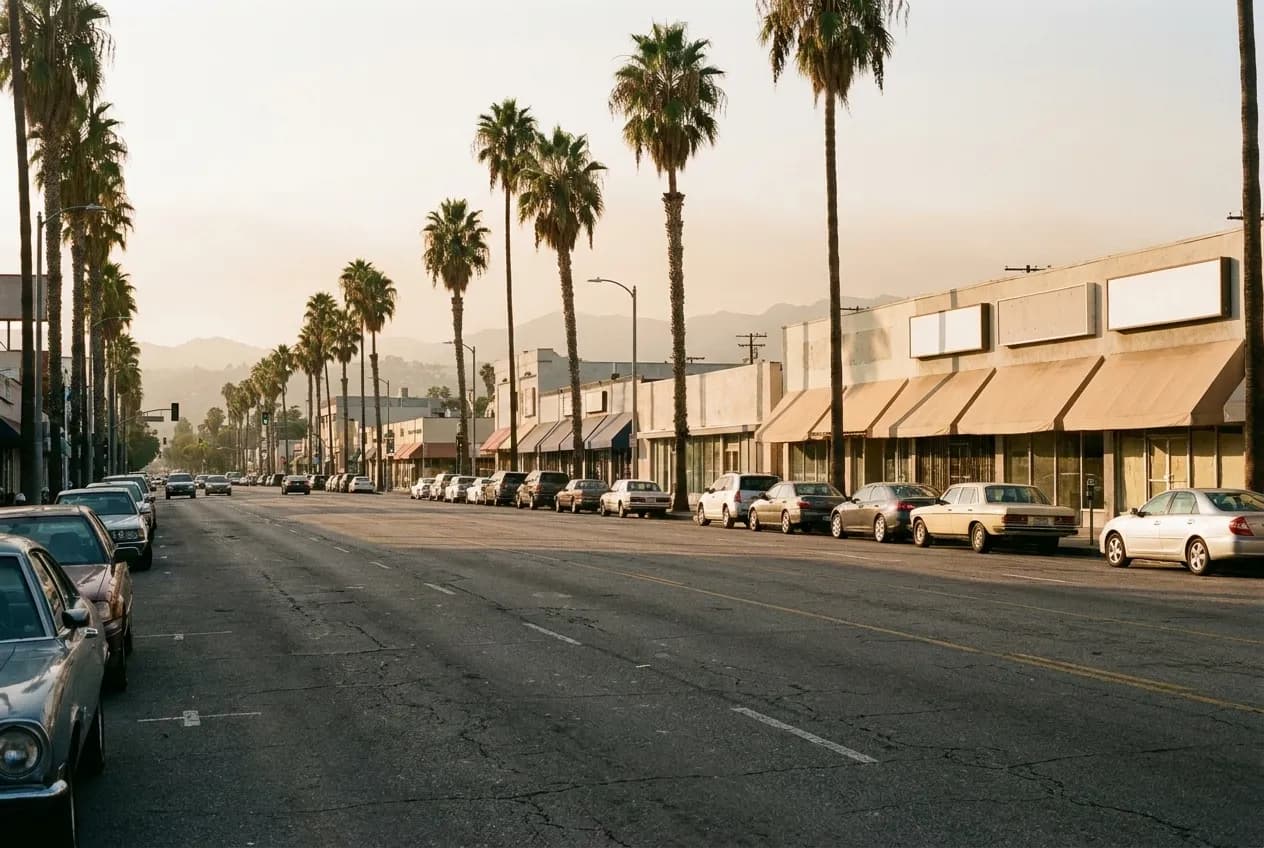
Los Angeles distributed its commercial space along boulevards rather than concentrating it, which meant a family kitchen could open anywhere there was parking. The consequence is that the quality of a restaurant here is genuinely uncorrelated with the quality of the building. Some of the most specialised cooking in the country is in single-storey units between a laundromat and a nail salon, and a visitor scanning for somewhere that looks like a restaurant will walk past nearly all of it.
Reading the pylon sign rather than the building is the skill. Koreatown adds a further wrinkle: because it built vertically in the 1980s, a large proportion of its restaurants are on second floors or in basements, reached through a lobby directory. Looking only at street level shows you perhaps a third of what is there.
Timing the week
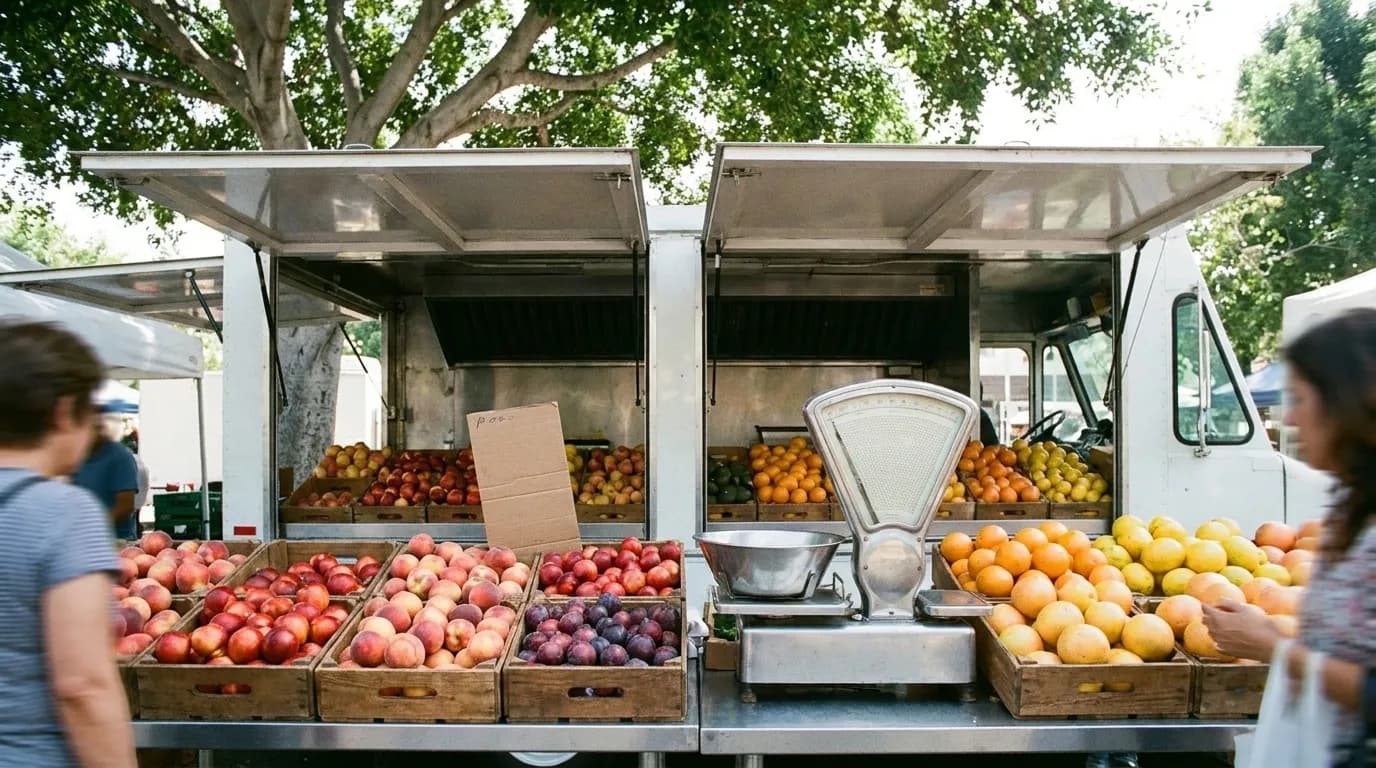
Locals also filter by day. Many of the best small kitchens close one weekday, and a lot of the San Gabriel Valley closes between roughly three and five in the afternoon. Breakfast is an unusually strong meal in Los Angeles and the good places are queued by nine, so a seven-thirty arrival is a different experience entirely. Farmers markets — the Hollywood market on Sunday and the Santa Monica market on Wednesday among the largest — are a genuine part of the food culture rather than a visitor attraction.
And the general rule that governs everything: eat early or eat late. Between six and eight, every desirable restaurant in the city is at capacity and every road between you and it is full. Shift an hour either way and both problems disappear at once.
The one thing visitors get right
For all of the above, there is one habit worth borrowing from people who do not live here: actually going somewhere. Residents optimise so heavily for drive time that many end up eating within the same three-mile radius for years, and Los Angeles punishes that more than most cities, because the interesting food is genuinely spread out. The compromise that works is to keep a short local list for weeknights and treat one weekend meal a month as a trip — a Sunday lunch in the San Gabriel Valley, a Saturday morning in the South Bay — when the roads are clear and the distance costs nothing.
Practical notes
Check the closing day before you drive; it is the most common wasted journey in the city. Strip-mall parking is free and plentiful, Koreatown parking is validated by the building rather than the restaurant so keep the ticket, and expensive neighbourhoods are valet-only. Carry a little cash for trucks and stands. Bring a layer regardless of the forecast — an evening in Santa Monica can be substantially cooler than the same evening in the Valley. And if you are choosing between two options, pick the closer one on a weeknight and the better one on a Sunday, which is when the roads are clear.
Tags: #LosAngeles #LAFood #HowToChoose #StripMall #SanGabrielValley #Koreatown #ThaiTown #Sawtelle #FarmersMarket #FoodNearMe #LAEats #NeighborhoodGuide #EatLikeALocal #LARestaurants
All trademarks are the property of their respective owners.
Ask Karpo first
Want to know what is genuinely worth the drive from where you are, how long it will take at this hour, and whether the place you had in mind is closed today? Ask Karpo before you get in the car.