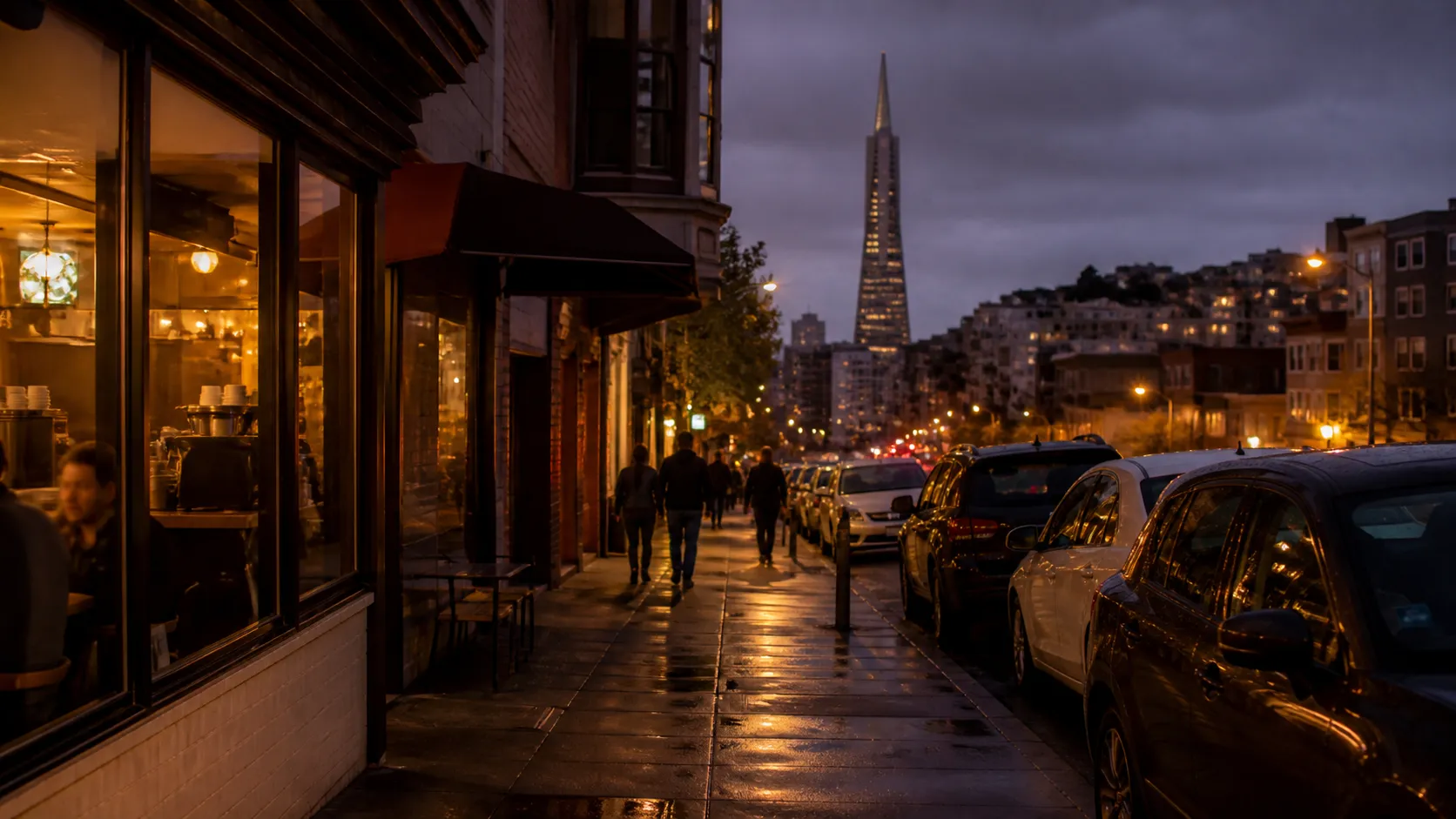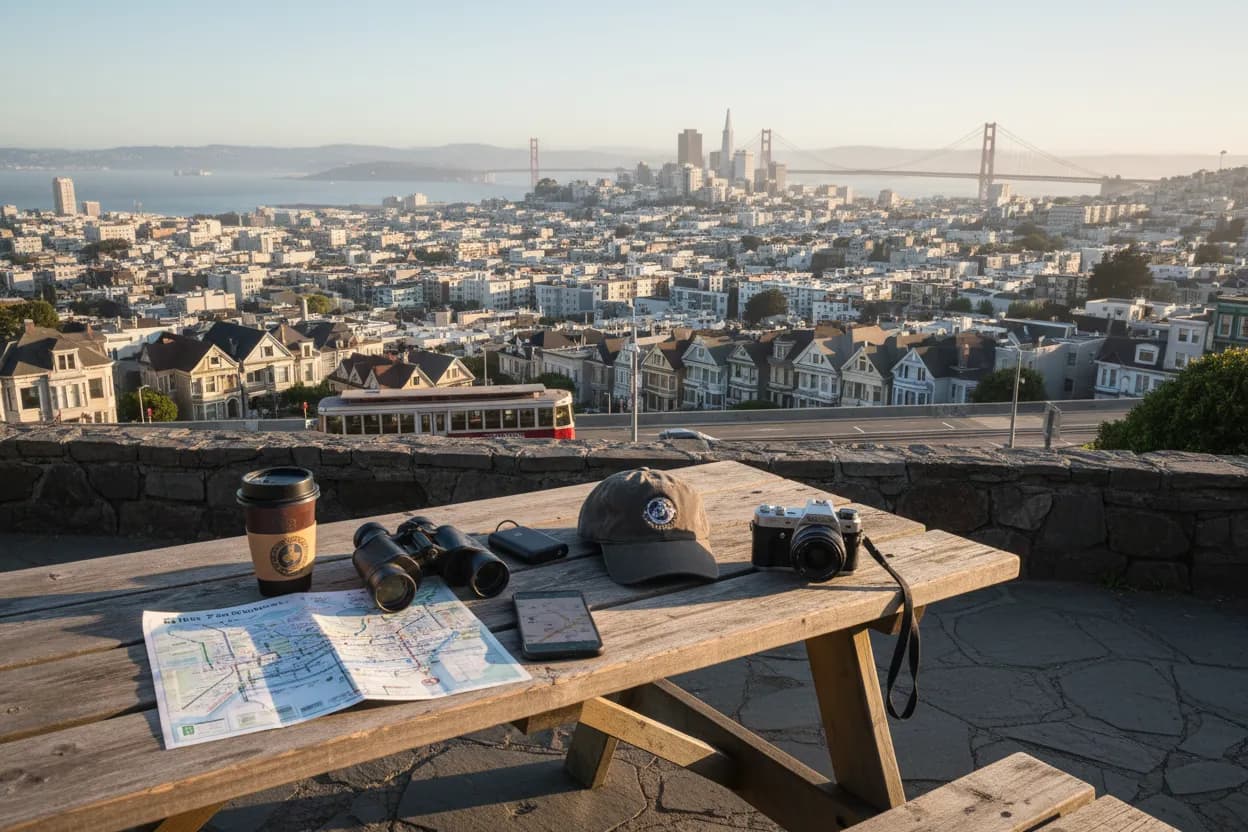
If reggie bannister is the phrase that pushed your group chat toward doing something sporty in San Francisco, treat it as a prompt, not a promise. A good local plan should not depend on a rumored appearance, a private connection, or a social post that cannot be verified. Build the day around public options: playing, watching, walking between neighborhoods, or meeting before and after a game-like activity. San Francisco rewards the group that checks access before moving, because hills, transit delays, crowd pockets, and facility rules can turn a casual plan into a scramble. The smarter move is to choose the type of sports social day first, confirm the official pages that govern it, then make transit and backup decisions before anyone leaves home.
Want a lower-friction sports social plan before your group commits? Text Karpo with your neighborhood, group size, mobility needs, and time window, then compare the public options before you go.

Turn the sports interest into a social plan
Start by separating the search interest from the outing. The phrase reggie bannister may be timely, but this plan should stand even if there is no local event, no appearance, and no special access attached to it. Your actual decision is simpler: do you want to participate, spectate, or use sports as the reason to gather before food, transit, and neighborhood time?
For a San Francisco plan, write down three commitments before inviting more people: the activity type, the meeting area, and the exit plan. If the group is mixed on athletic ability, make the core event short and public-facing. If the group is competitive, define the format early so no one arrives expecting a casual hangout and finds a serious workout instead.
Keep the social center separate from any unverified hook. You can say, “We are using the sports buzz as an excuse to get out,” without implying that a named person is appearing or endorsing anything. That protects the plan from rumor and keeps the focus on what your group can actually control.
Choose participation or spectating first
Participation needs the most verification. If you are aiming for a court, field, gym, rink, or recreation facility, check the official San Francisco Recreation and Park Department site directly because changing details should be verified on the official page. Do not assume open play, equipment availability, lighting, restrooms, or reservations based on old posts or screenshots.
Spectating is easier socially but still needs a reality check. Confirm whether the gathering is public, whether entry procedures have changed, and whether the surrounding area can handle your group’s arrival and departure. Avoid building the plan around broadcast rights, celebrity drop-ins, or private areas unless they are posted by the official operator.
If nobody can agree, use a hybrid: a low-pressure activity first, then a public place nearby where nonplayers can join. This reduces the risk that beginners feel trapped and gives late arrivals a clean second meeting point.
Match the venue to the group energy
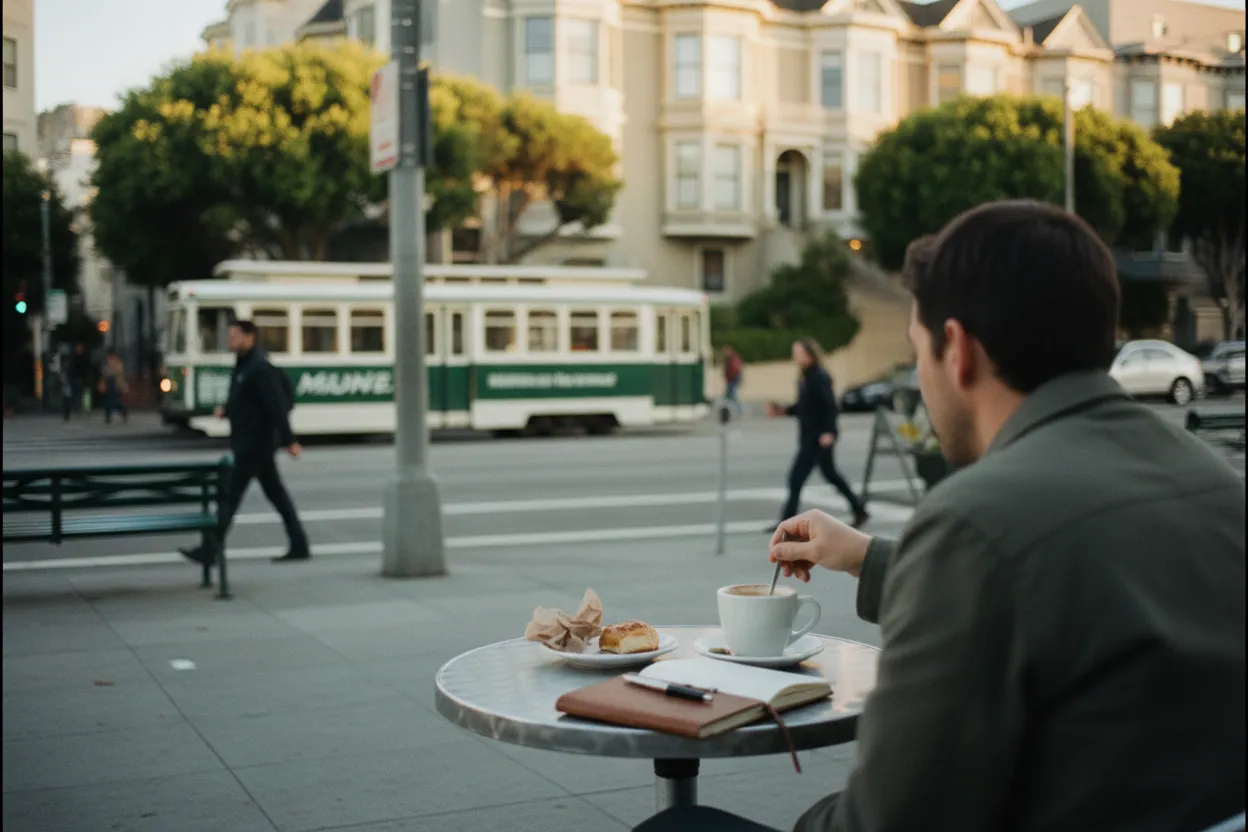
San Francisco outings often fail because the venue energy and group energy do not match. A group that wants conversation should avoid making the loudest, most crowded sports setting the only anchor. A group that wants movement should not pick a plan where half the time is spent waiting for space, gear, or a seat.
Use a three-tier filter. First, decide whether the venue is primarily active, social, or watch-oriented. Second, decide how much uncertainty your group can tolerate. Third, decide whether the neighborhood works for people coming by Muni, bike, walking, taxi, or driving and parking. SFMTA’s site presents trip planning options across Muni, bike, walk, drive, drive and park, and taxi, so use those modes as planning categories rather than assuming everyone travels the same way.
Crowd risk is not only about the venue. It includes the walk from transit, the time needed to regroup, and whether people can leave independently. Choose a meeting corner or transit stop only after checking current route and stop information on SFMTA, especially if your plan crosses busy corridors or depends on a transfer.
Plan equipment seating and transit early
Equipment should be assigned, not assumed. Name who is bringing what, whether anything must be reserved or checked on an official page, and what the group will do if the equipment piece fails. For seating, do not promise bleachers, shade, benches, or indoor waiting unless the official venue page confirms the access you need.
Transit planning deserves the same discipline. SFMTA provides a Trip Planner and route and stop information for Muni, plus travel and transit updates. Check those tools the day before and again shortly before leaving. The site also posts alerts, and the extract available for this article showed recent alerts in the previous 48 hours, which is a reminder that conditions can change.
If your group includes visitors, give directions by decision point, not just by destination. For example: “Check SFMTA before leaving, use the route shown there, and message the group if the alert page changes your arrival time.” That is more useful than a single static instruction that may become wrong.
Keep beginners from feeling stranded
A sports social plan should make room for people who do not know the rules, do not own gear, or do not want to compete. Assign a beginner-friendly role before the day starts: scorekeeper, photographer for the group chat, snack coordinator, walk leader, or first-round observer. Participation should be available, not mandatory.
Accessibility also belongs in the first round of planning, not as a late apology. SFMTA lists accessibility among its getting-around resources, so check transit access needs before choosing the meeting point. If someone needs a lower-walking route, a different stop, or a less crowded arrival window, build that into the plan rather than treating it as an exception.
Use time blocks that reduce pressure. A clean structure is arrival window, warm-up or viewing window, main activity, then optional second stop. People can join the part that fits them. This keeps the outing social even if the athletic portion is uneven.
Verify schedules before leaving
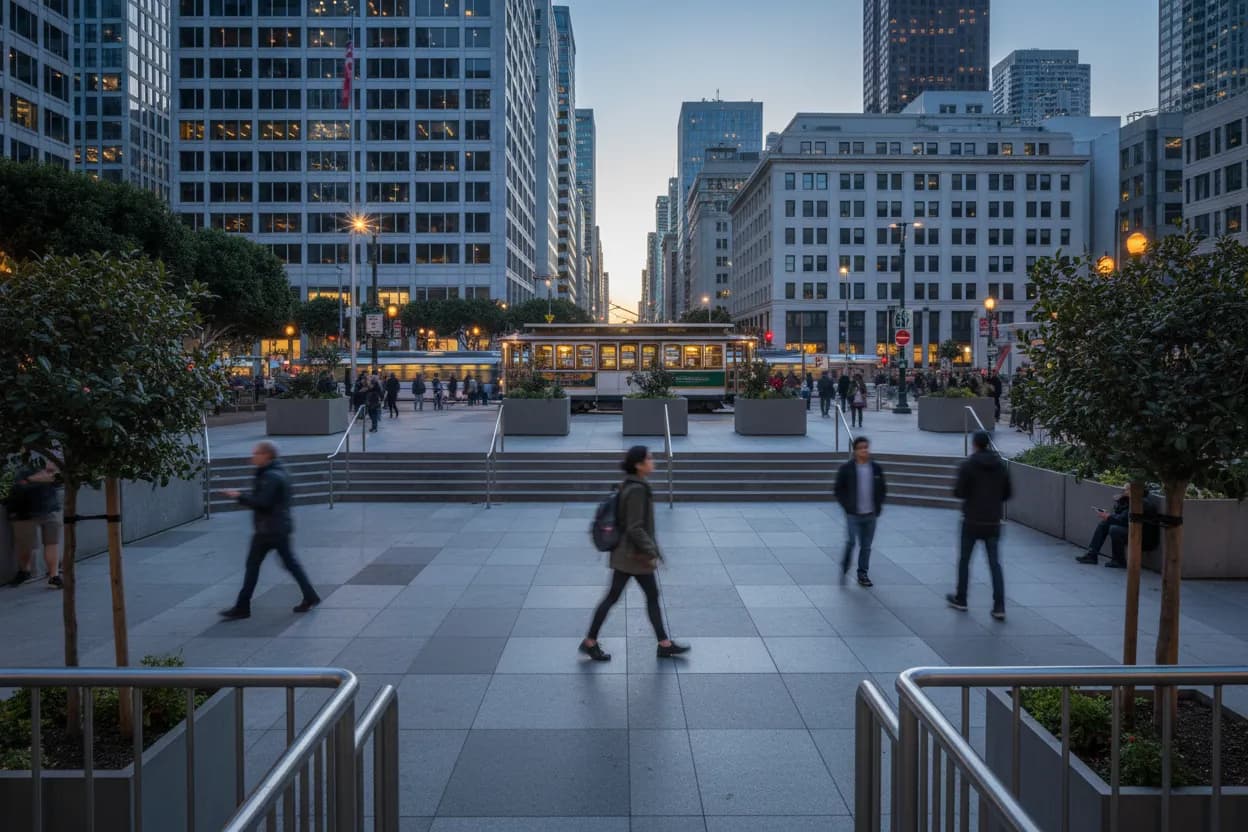
The final check should happen close to departure. Open SFMTA for route, stop, alert, and travel update information. If the plan depends on a park, field, court, or recreation facility, verify the official San Francisco Recreation and Park Department page before leaving because official source details can change and should not be replaced by cached summaries.
Have one backup that is meaningfully different from the original plan. If the first choice is active play, the backup can be a walk-and-watch plan near a transit-friendly area. If the first choice is spectating, the backup can be a short public activity followed by a social stop. The point is not to predict everything; it is to prevent the group from freezing when the first option fails.
Do not skip the communication step. Send one message with the confirmed meeting time, the official pages people should check, the transit mode they are likely using, and the fallback choice. In San Francisco, that one message can save more time than any perfectly crafted itinerary.
Tags: #reggiebannister #SanFrancisco #SportsSocial #AskKarpo #BeforeYouGo #SFMTA #Muni #SFTransit #PublicPlans #CityLife #SportsOuting #TransitCheck #GroupPlans #LocalVerification
Sources consulted: sftravel.com · sfmta.com · sfrecpark.org
All trademarks are the property of their respective owners.
Ask Karpo first
Ask Karpo first when the group chat has energy but not a verified plan. Share the San Francisco neighborhood, time window, transit preferences, accessibility needs, and whether you want to play or watch. Karpo can help turn the idea into a public, checkable plan before anyone starts moving.