The term "reflecting pool" often conjures images of grand monuments, but Miami offers its own array of public spaces where water features, thoughtful design, and shade create opportunities for quiet contemplation. Beyond the beaches and vibrant nightlife, the city harbors serene locations that invite a different kind of engagement. This guide explores a route through Miami's overlooked public areas, focusing on places that provide a respite from the urban rush. Here, the interplay of light, water, and architecture encourages a moment of pause, making them ideal for respectful photography or simply enjoying a tranquil environment.
Ready to explore Miami's quieter side? Discover these spots designed for peaceful contemplation and visual delight.

The Allure of Water and Light
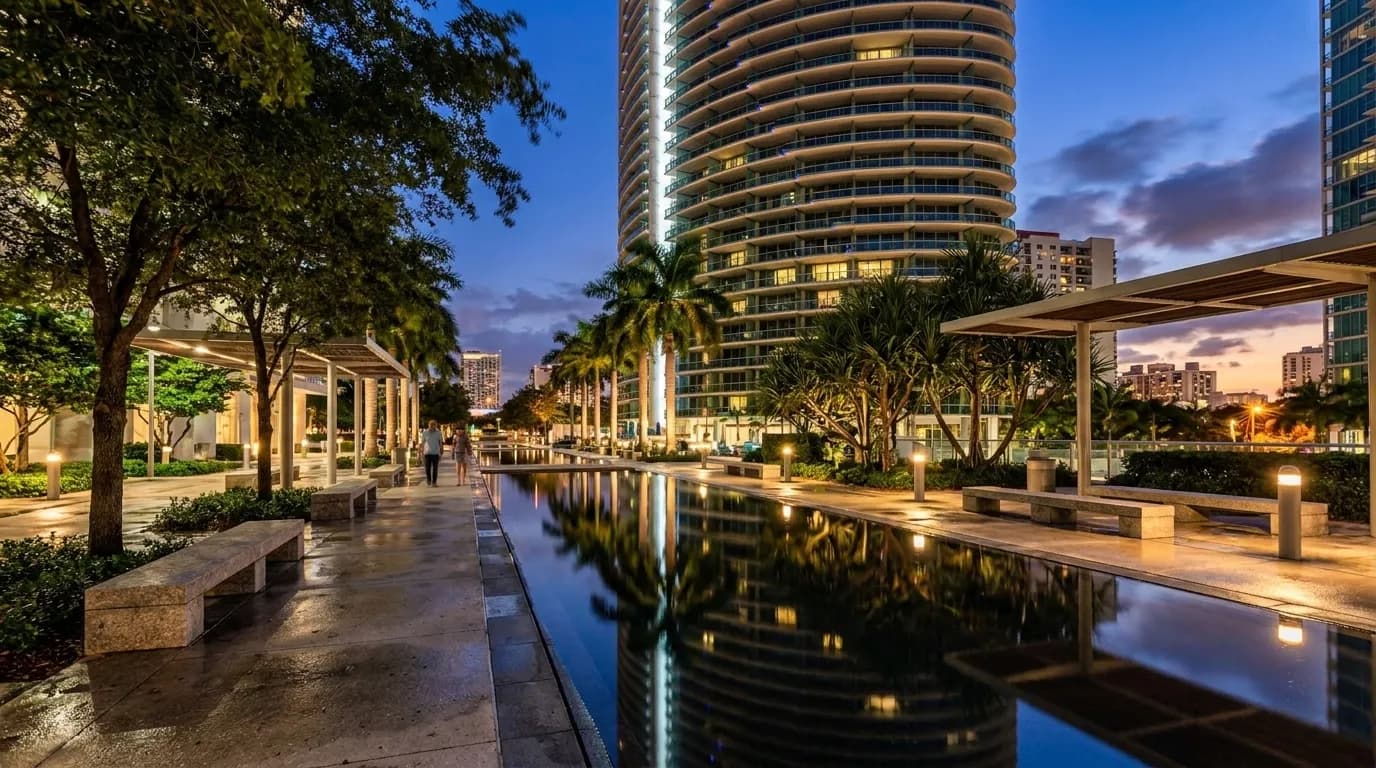
Water in urban environments offers more than just aesthetic appeal; it can drastically alter the microclimate and soundscape of a space. The presence of water features, whether still or flowing, introduces a natural element that can soothe and refresh. This effect is amplified in Miami's warm climate, where the cooling sensation and visual tranquility of water become especially valuable.
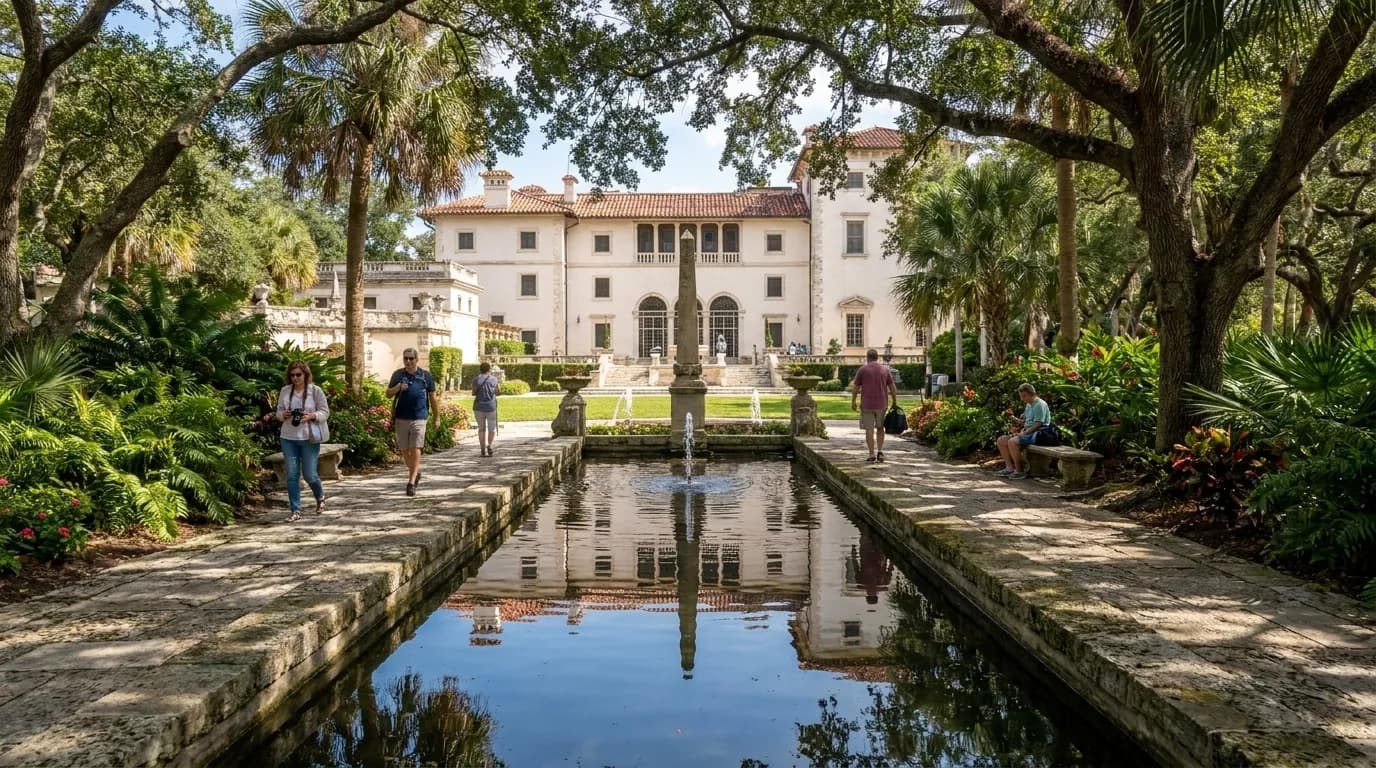
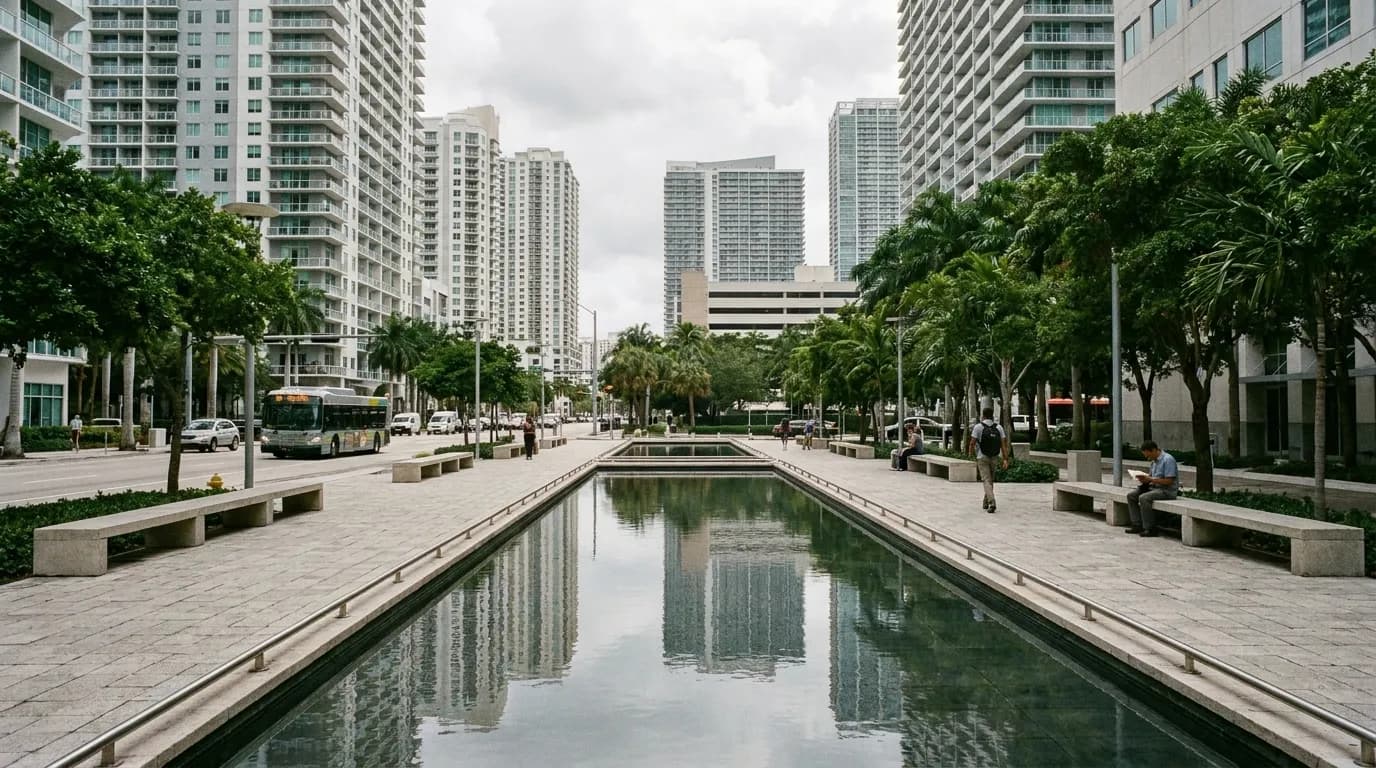
Beyond temperature regulation, water's reflective properties are central to creating a sense of calm and visual interest. Surfaces that mirror the sky, surrounding architecture, or even distant clouds transform an ordinary space into a dynamic canvas. These reflections offer unique photographic opportunities, capturing fleeting moments of light and shadow.
The strategic placement of water features within public parks and plazas demonstrates an understanding of urban design that prioritizes human well-being. These areas are not just decorative; they are functional elements that enhance the pedestrian experience, providing focal points for relaxation and encouraging a slower pace of interaction with the environment.
Shade and Architectural Harmony
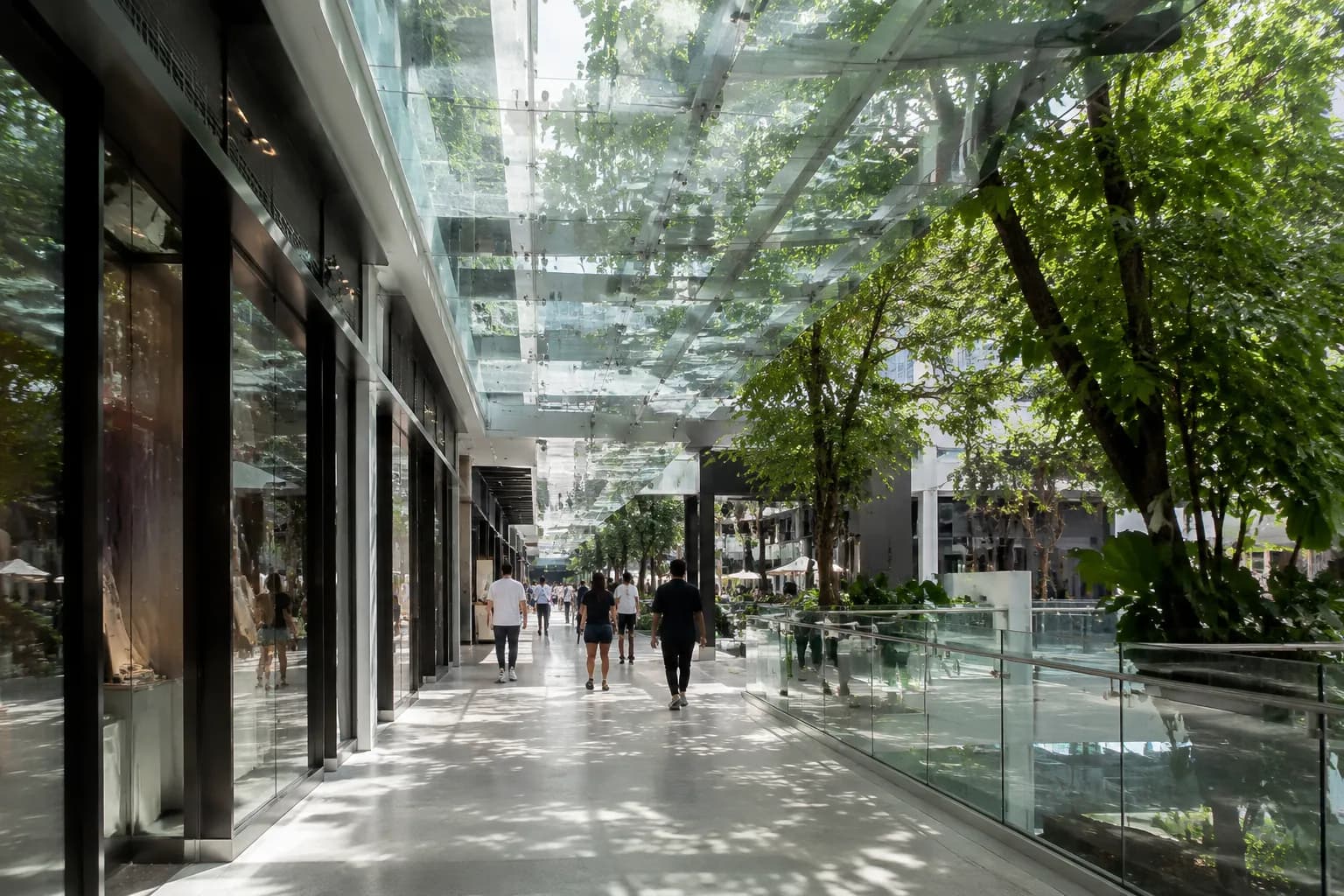
Miami's sun can be intense, making shaded areas essential for comfortable outdoor experiences. Public spaces designed with ample tree cover or architectural canopies provide crucial relief, transforming hot, exposed areas into inviting havens. The quality of shade, whether dappled or dense, significantly impacts how people interact with and perceive a space.
Architectural elements often work in concert with natural features to define these quiet zones. Overhangs, colonnades, and strategically placed structures not only provide shade but also frame views and create a sense of enclosure. This deliberate design fosters intimacy and separation from the surrounding urban sprawl, even in highly trafficked areas.
The integration of architecture and landscape design in these public spaces is key to their success. When structures complement the natural environment, they enhance the overall aesthetic and functional qualities. This harmony creates environments that feel both purposeful and serene, inviting visitors to linger and appreciate the details.
Navigating for Tranquility
Finding quiet public spaces in a bustling city like Miami requires a bit of intentionality. While some locations are well-known, others are tucked away, offering unexpected moments of peace. Planning your visit during off-peak hours, such as early mornings or late afternoons, can significantly enhance the sense of solitude and calm.
Public transit offers a practical way to access many of these areas without the stress of parking. Miami-Dade Transit provides extensive bus and Metrorail services that connect various parts of the city. Consulting their official schedules and route maps beforehand can help streamline your journey and reduce travel time.
When exploring, maintain awareness of your surroundings and respect any posted guidelines. These spaces are shared resources, and preserving their tranquil atmosphere benefits everyone. Opt for quiet observation and photography, ensuring your presence does not disrupt the experience of others or the natural environment.
Respectful Photography and Observation
These public spaces offer rich opportunities for photography, particularly given the interplay of light, water, and architecture. Capturing reflections, textures, and the overall ambiance can yield striking images. However, it is important to approach photography with respect for the location and other visitors.
Focus on the details that create the unique character of each space. The way light hits a surface, the ripple of water in a reflecting pool, or the patterns created by shade and shadow can be compelling subjects. Avoid intrusive equipment or actions that might disturb the peaceful environment.
Beyond photography, simply taking time to observe can be a rewarding experience. Notice the sounds, the subtle shifts in light, and the presence of any wildlife. Engaging with the space through quiet observation deepens appreciation and allows for a more profound connection with the environment.
Accessibility and Inclusivity
Many of Miami's public spaces are designed with accessibility in mind, ensuring that a wide range of visitors can enjoy them. Look for features like paved pathways, ramps, and accessible restrooms. Information on specific accessibility features for Miami-Dade Parks can often be found on their official website.
Inclusivity extends to creating environments where everyone feels welcome and safe. These quiet spaces aim to provide a universal retreat, free from undue noise or disruption. The design often incorporates elements that cater to different sensory experiences, from tactile surfaces to varied seating options.
If you encounter any accessibility challenges or have specific needs, it is advisable to check the official Miami-Dade Parks or Greater Miami tourism websites for detailed information or contact them directly. Planning ahead ensures a more comfortable and enjoyable visit for all.
The Value of Detours
In a city known for its vibrant energy, the value of seeking out quiet detours cannot be overstated. These moments of respite offer a chance to reset, to see the city from a different perspective, and to appreciate the thoughtful design of its public infrastructure. A reflecting pool or a shaded plaza can become a temporary sanctuary.
Embracing these less-traveled paths enriches the overall experience of Miami. It moves beyond the typical tourist itinerary, revealing layers of the city that are often overlooked. These spaces are not just points on a map; they are opportunities for personal reflection and quiet discovery.
Ultimately, these tranquil public areas serve as a reminder that beauty and peace can be found in unexpected places. They encourage a more mindful way of exploring, inviting visitors to slow down, observe, and connect with the subtle rhythms of urban life. Consider adding these serene spots to your Miami itinerary for a refreshing change of pace.
Practical notes
When planning your visits, consider the time of day; early mornings or late afternoons often offer fewer crowds and better light for photography. Check the Miami-Dade Transit website for up-to-date bus and Metrorail schedules to navigate efficiently. Always carry water and sun protection, even in shaded areas. While these are public spaces, be mindful of noise levels and other visitors. Verify specific park hours or any temporary closures on the Miami-Dade Parks website before heading out. Accessibility information for individual locations can also be found on official Miami-Dade Parks resources. Remember, the goal is quiet enjoyment and respectful interaction with these serene environments.
Tags: #Miami #PublicSpaces #QuietPlaces #HiddenGemsMiami #UrbanOasis #MiamiArchitecture #WaterFeatures #ReflectionPhotography #MiamiParks #ExploreMiami #MindfulTravel #CityDetours #TranquilMiami
Sources consulted: Miami-Dade Transit · Greater Miami · Miami-Dade Parks
All trademarks are the property of their respective owners.
Ask Karpo first
Have you discovered a favorite quiet spot in Miami that offers a moment of reflection? Share your experiences and tips for finding tranquility in the Magic City.