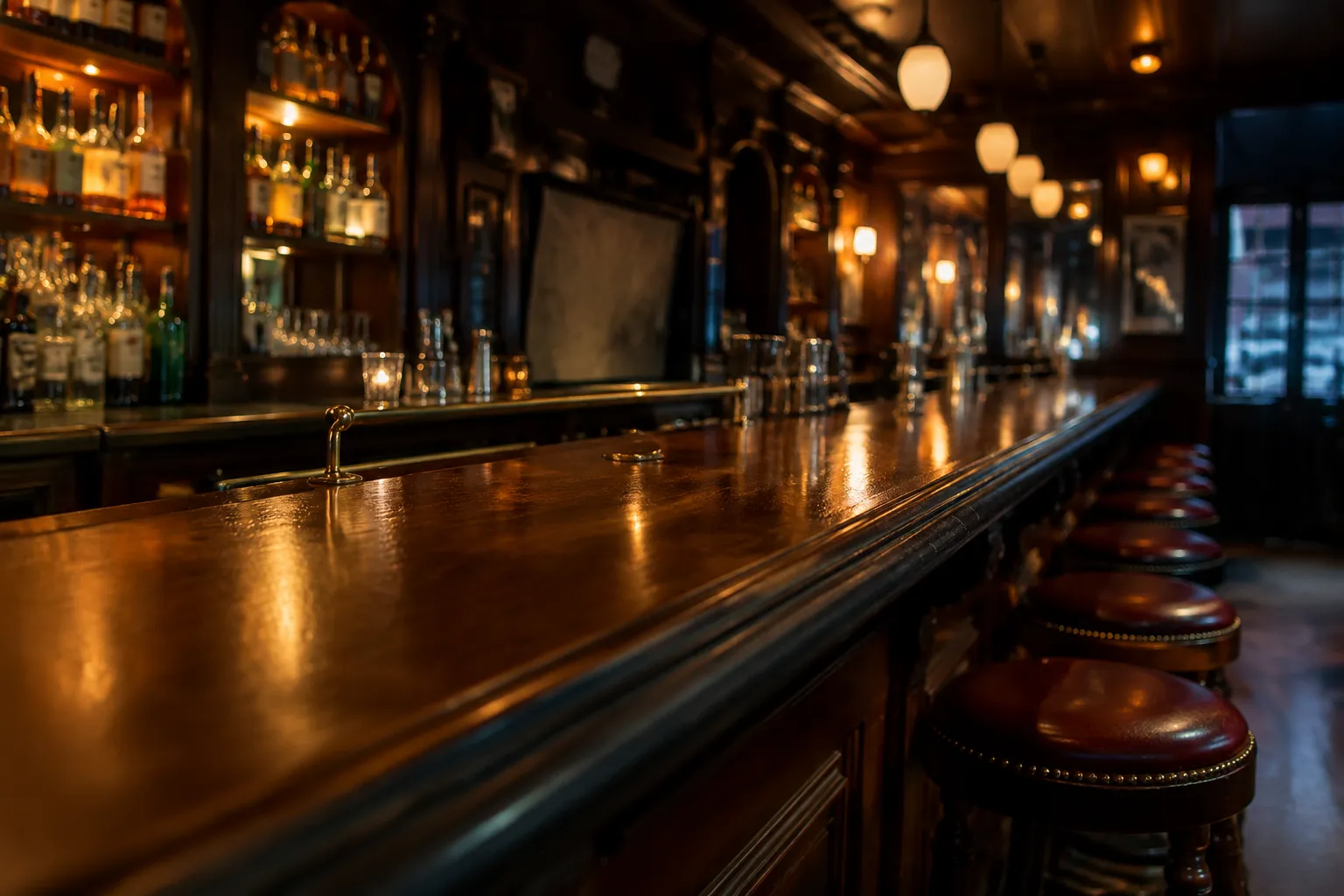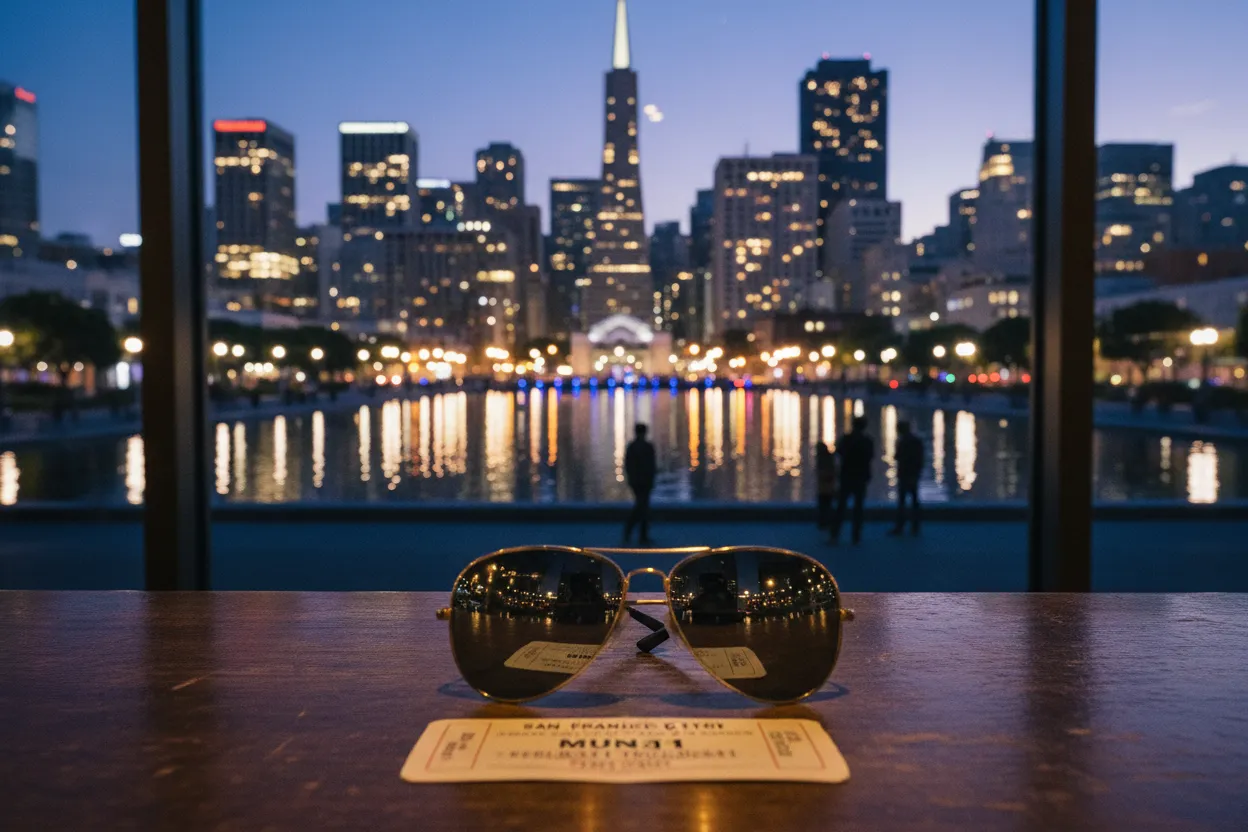
“reflecting pool” is a useful hook for a San Francisco night out because it gives the table something to talk about without needing to chase a rumor, a pop-up, or a supposed insider event. Treat it as the opening question, not the itinerary: what makes a city night feel reflective, loud, elegant, messy, or worth staying out for? The practical plan is simpler. Choose two public stops, keep them close enough to walk between, check official transit information before leaving, and decide in advance what crowd level will make you move on. This is a bars_nights_out route for local life, not a promise that any venue is hosting anything connected to the phrase.
Want a San Francisco night plan that avoids hype traps? Text Karpo before you leave, and ask for a two-stop route with transit checks, crowd backup, and a realistic exit plan.

Use the topic as the night’s conversation starter
Start the evening with the phrase reflecting pool as a conversation prompt, not a destination claim. In a bar setting, it can steer the group toward better questions: Do you want a calm first drink or a social room? Are you dressing for a quiet booth, a standing crowd, or a last-minute change? That framing keeps the night grounded and avoids the common mistake of building plans around a phrase that may have no verified local connection.
The first stop should be the room where talking is still possible. Pick a public bar or lounge whose own current page, phone line, or social channel confirms it is open, accepting the kind of visit you are planning, and not closed for a private function. Do not rely on screenshots or old roundups. If a venue’s status is unclear, it is not the right anchor for a two-stop night.
Set the expectation before anyone orders: this route has a built-in second move. The first stop is for arrival, orientation, and deciding whether the group wants more energy. The second stop is for the louder, later, or more social part of the night. That sequence works better than starting at maximum volume and trying to recover the conversation afterward.
Choose sound level before cocktails
Before choosing drinks, choose sound level. San Francisco nights can turn quickly from easy to crowded, and the room that looks perfect for two people may not work for a group that wants to sit, talk, and make a clean second move. Make the first decision binary: seated conversation first, or active room first. If the group is split, choose seated conversation first; it is easier to raise the energy later than to get it back.
Use a simple time box. Give stop one about 60 to 75 minutes, including arrival, ordering, and one decision point. If the room is comfortable, you can stay; if it is too loud, too packed, or moving slower than expected, leave before the night becomes a sunk cost. This timing is guidance, not a venue promise, and it should bend around actual access, lines, mobility needs, and transit conditions.
Do not treat a crowded door as proof that the night is better inside. A line can mean a good room, a slow room, or a room that no longer fits your plan. The verification-first choice is to ask whether the second stop will still be reachable, whether the group is willing to stand, and whether the atmosphere matches the original purpose of the night.
Build a walkable two-stop route
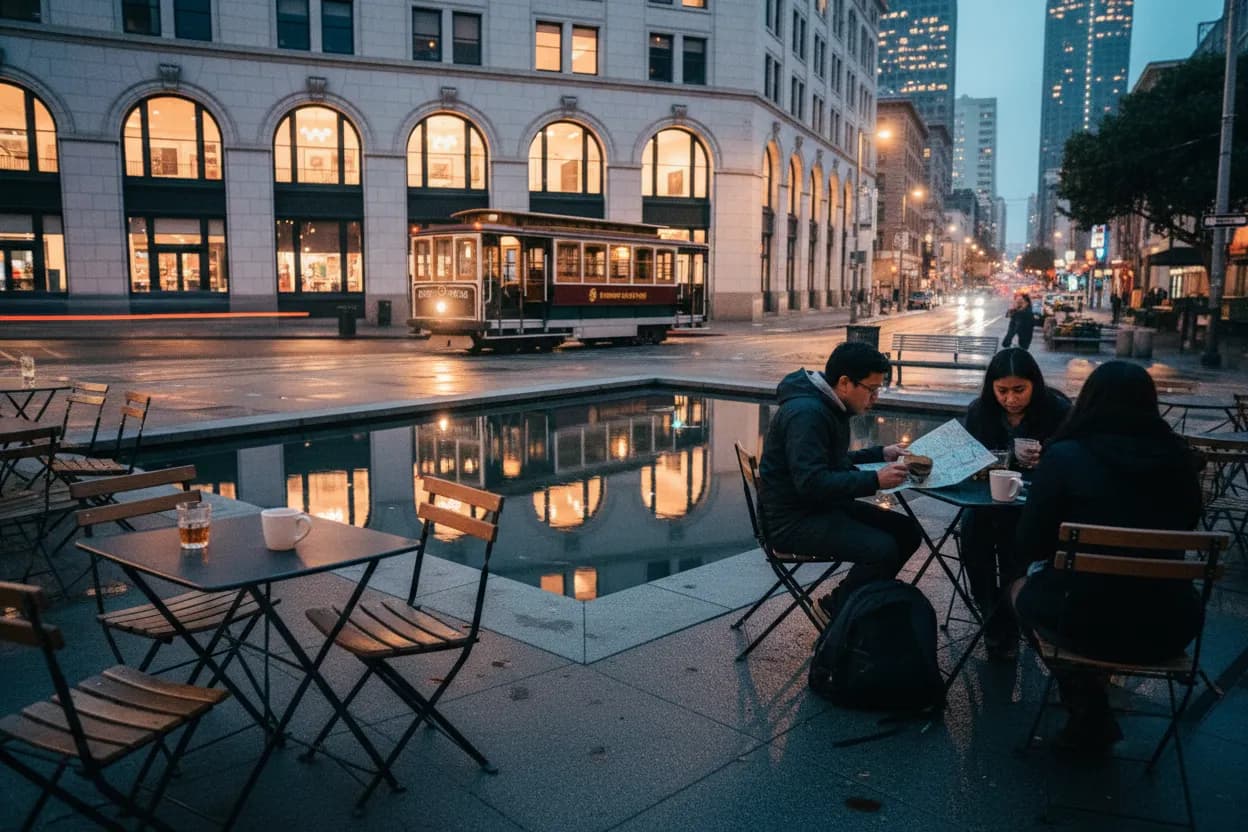
The strongest version of this plan is a two-stop route where the transfer is short enough to walk if the weather, safety, and mobility conditions work for your group. Choose two venues in the same general area rather than building a night around a long cross-city jump. A walkable transfer reduces the number of things that can fail: rideshare delays, missed connections, group drift, and indecision on the sidewalk.
Use the San Francisco Municipal Transportation Agency site before leaving, not just after something goes wrong. SFMTA provides a Trip Planner with options for Muni, walking, biking, driving, and parking. Its site also points riders to Muni routes and stops, travel maps and guides, visitor transportation information, alerts, and travel and transit updates. Because conditions can change, check the official page close to departure and again before the second move.
Make the route executable by naming three points in your group chat: first stop, second stop, and exit transit point. The exit point matters because the end of the night is when vague plans become expensive or stressful. If anyone has accessibility needs, use the SFMTA accessibility resources and venue-provided access information before committing to a route.
Keep food and late transit in the plan
A two-stop bar night needs a food decision even if dinner is not the headline. Decide whether the group is eating before stop one, between stops, or after stop two. Do not assume a bar kitchen, nearby restaurant, or late counter will be available unless its current official information confirms it. If food is essential to the plan, verify it the same way you verify the bars.
Transit should be checked as part of the night, not as an afterthought. SFMTA’s public site is the official place to start for Muni trip planning, route and stop information, alerts, maps, and travel updates. The agency also lists 311 for help within San Francisco and a 415.701.2311 number for callers outside the city, with TTY information posted as well. Use those official resources when the plan depends on current movement across the city.
Build a latest-leave moment into the route. It does not have to be dramatic; it can be as simple as “we check transit before ordering the next round.” That one habit protects the group from turning a good night into a confused search for a way home. If the official transit picture looks worse than expected, shorten the second stop or switch to the backup room nearer your exit.
Know when to switch to the backup room
The backup choice should not be an afterthought miles away. Pick it before you leave, and keep it in the same practical zone as the first two stops or near the exit transit point. The backup is not the “lesser” night; it is the room that saves the plan when the preferred stop has a line, a private event, a cover you did not expect, an access issue, or a sound level that does not fit the group.
Use objective switch triggers. Move to the backup if the line is not moving, if the room is too loud for the group’s goal, if seating matters and none is realistically opening, if someone feels unsafe, or if transit checks suggest the second stop will make the exit harder. This keeps the decision from becoming personal. The night is not failing; the route is adapting.
If the phrase reflecting pool started the night as a mood, let the backup honor that mood instead of chasing hype. A quieter corner, a clearer exit, and a room where everyone can hear each other may fit the evening better than the busiest door on the block.
Verify the night’s program before leaving
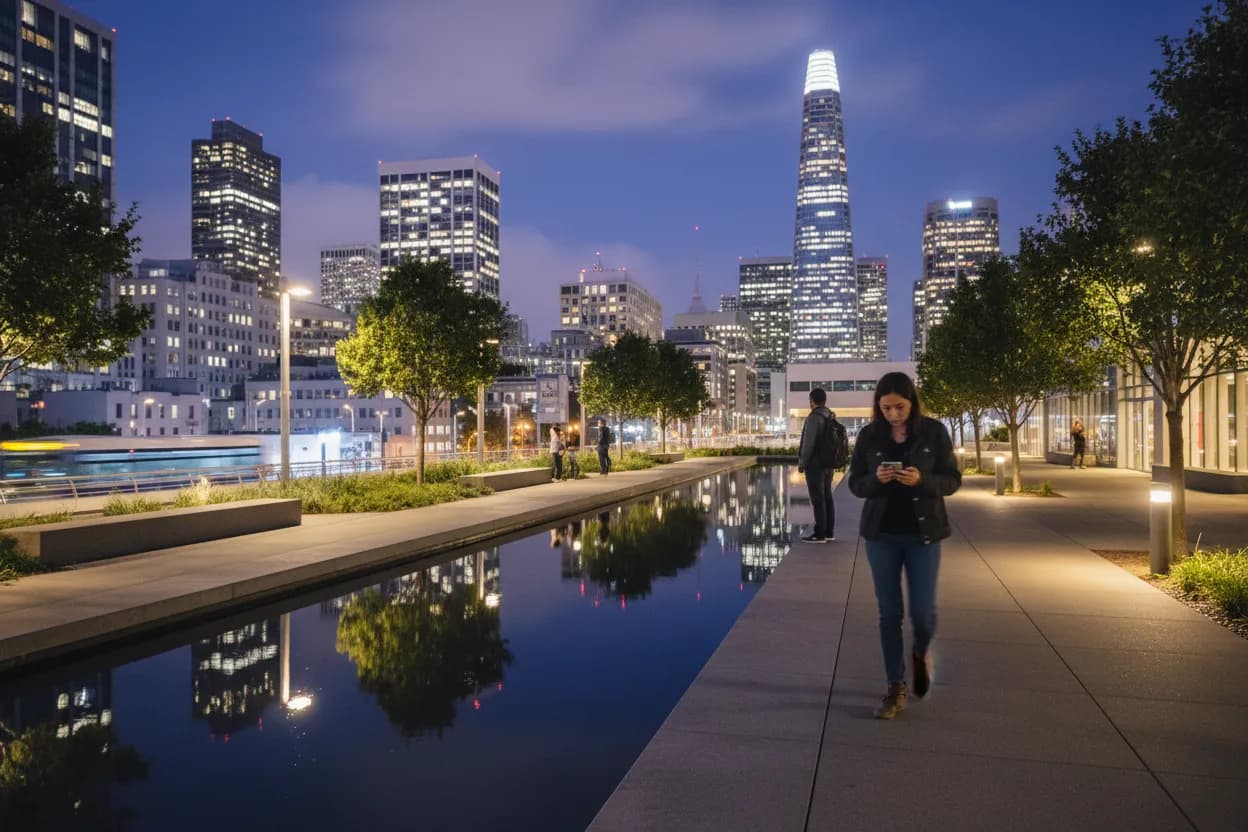
Before anyone heads out, verify four things from official or venue-controlled sources: the venue is open to the public tonight, the timing works for your arrival, the access rules fit your group, and the route between stops still makes sense. If a park, plaza, public-space detail, or city facility affects your plan, verify changing details through the responsible official city source before relying on it.
SFMTA’s site shows that San Francisco travel conditions can be active, with alerts, calendar items, service changes, and travel updates presented for riders and visitors. That is exactly why a nightlife plan should be checked close to real time. A route that looked clean yesterday can be different tonight because of service changes, meetings, special events, street conditions, or other updates.
Keep the final check short: venue page, transit page, group needs, backup choice. If all four still work, go. If one fails, revise before leaving rather than negotiating outside a crowded door. The most local move is not knowing every bar; it is knowing when to verify, when to walk, and when to call the night good.
Tags: #SanFrancisco #SFNightlife #BarsNightsOut #TwoStopRoute #Muni #SFMTA #TransitCheck #NightOutPlan #LocalLife #CrowdRisk #BackupPlan #AskKarpo #BeforeYouGo #ReflectingPool
Sources consulted: sftravel.com · sfmta.com · sfrecpark.org
All trademarks are the property of their respective owners.
Ask Karpo first
Ask Karpo first when a San Francisco night depends on timing, transit, and crowd judgment. Share your starting point, preferred sound level, mobility needs, and latest safe exit time, and Karpo can help shape a two-stop plan before you commit.