San Francisco rewards diners who verify first and improvise second. If the phrase rebecca cooke brought you here today, treat it as a timely search hook, not evidence of a local appearance, endorsement, private reservation, or guaranteed event. The useful move is simpler: build a public restaurant plan that survives changing hours, transit delays, health-score questions, and long waits. On Wednesday, August 12, 2026, the official city starting points are practical ones: the San Francisco Department of Public Health for restaurant safety information, SFMTA for trip planning, routes, stops, accessibility, and travel updates, and 311 when a public health nuisance or local service issue needs reporting. This guide keeps the night executable rather than glamorous.
Want a San Francisco dinner plan checked before you leave? Text Karpo with your starting point, group size, mobility needs, and backup preference, and ask for a verification-first route.

Use the trend as a dinner conversation hook
The phrase rebecca cooke can work as a light opener at the table, but it should not drive your logistics. Do not assume that a trending name means a San Francisco restaurant visit, a public event, a private room, or any special access. Make the trend the first thirty seconds of conversation, then move to what can actually be checked: where the group can get to, whether the restaurant appears in official health resources, and what route gets everyone home without scrambling.
A useful city plan starts with limits. Pick a target arrival window, decide how long your group is willing to wait, and set a backup before hunger turns into bad decision-making. If anyone in the group needs step-free routing, closer stops, shorter walks, or a quieter room, handle that before discussing cuisine. SFMTA’s public site points visitors to Muni routes and stops, transit maps, walking, biking, driving, parking, taxi information, and accessibility resources, so the city already provides the framework for a grounded night out.
Choose the room before choosing the menu
In San Francisco, the room can matter as much as the plate. A small counter, a loud dining room, a shared market table, and a sit-down restaurant all solve different problems. For a first meeting, choose the format that gives the group control: easy exits, enough seating flexibility, and a backup nearby. Do not rely on old photos, reposted menus, or third-party summaries when official pages can change. If a detail matters, verify it directly before leaving.
For restaurant safety, use the city health lane rather than rumor. The San Francisco Department of Public Health says it protects and promotes the health of all San Franciscans, and its environmental programs include food safety education, inspection, permitting, and other measures. It also points the public to “Open a Restaurant or Check Health Scores.” That is the official place to start when a health-score question affects your choice. If the listing, status, or any public-facing detail is unclear, treat uncertainty as a reason to choose a different option.
Match the market or hall to the group
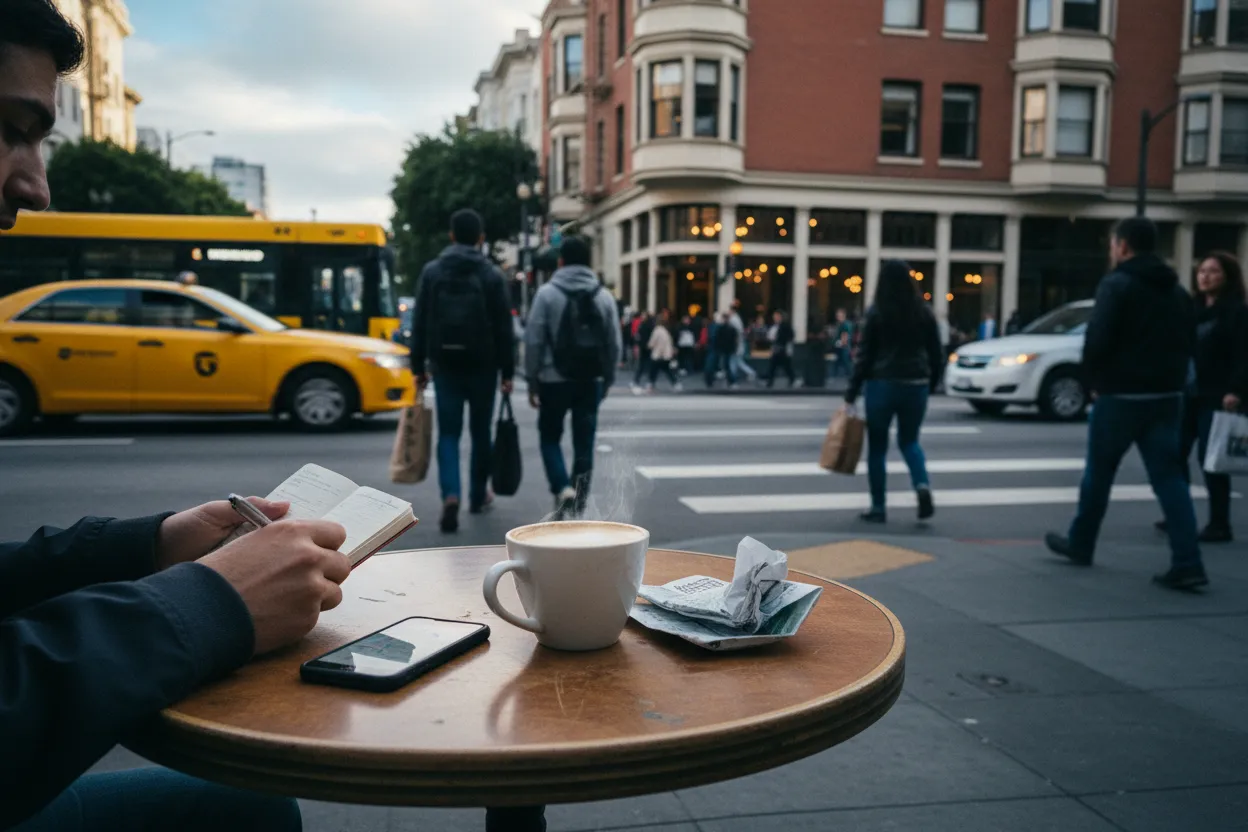
A market-style stop or dining hall can be the right choice when the group disagrees on food, arrival times are staggered, or nobody wants to commit to a long seated meal. The tradeoff is crowd exposure: shared seating can disappear quickly, lines can move unevenly, and a group that arrives separately may not land together. If the group includes children, older adults, visitors carrying luggage, or anyone who needs a calmer setting, assign one person to check current vendor hours and another to check transit before everyone moves.
Use a simple split plan. The first stop is the preferred place; the second stop must be close enough that the group will actually use it. Avoid backups that require crossing the city after a failed wait. SFMTA provides a trip planner with choices for Muni, bike, walk, and drive, and it publishes travel and transit updates. Before committing to a market or hall, compare the route to your backup using the same mode, not wishful thinking. A five-minute walk for one person may not be five minutes for the whole group.
Keep the first stop easy to reach
The best first stop is not always the most talked-about restaurant. It is the one your group can reach cleanly, with a route that still works if service changes or street conditions slow you down. SFMTA’s site highlights Muni routes and stops, historic streetcar and cable car routes, transit maps, and ways to get around by Muni, bike, foot, car, taxi, and parking. Use those official tools before you leave, then check again close to departure if timing is tight.
On the current SFMTA homepage, public notices include upcoming Muni service changes starting August 29, back-to-school travel tips, and travel updates such as Hayes Valley Shared Spaces on Fridays and Saturdays in August 2026 and the SF Pizza, Bagel, Beer Festival on Saturday, August 15, 2026. Those items are not restaurant guarantees; they are reminders that streets, crowds, and routes can shift around public activity. If your dinner depends on a particular corridor, verify SFMTA updates the same day.
Save a nearby option for long waits
Long waits are not a moral test. Set the threshold before arrival: for example, one check-in attempt, one reasonable wait, then the backup. The backup should match the same general mood but require less friction. If the first choice is a popular dining room, the backup might be a simpler counter-service option nearby. If the first choice is a market hall, the backup might be a restaurant with clearer seating. The key is not the cuisine; it is preserving the night.
Crowd risk is highest when a group keeps negotiating on the sidewalk. Decide who has authority to call the switch, where the group will meet if separated, and whether anyone needs a restroom, quieter waiting area, or accessible route before moving. SFMTA lists accessibility among its public getting-around resources, and 311 is listed for city help, with outside-San-Francisco and TTY contact numbers on the SFMTA page. Use official channels for city service questions instead of hoping a busy host can solve transportation or street issues.
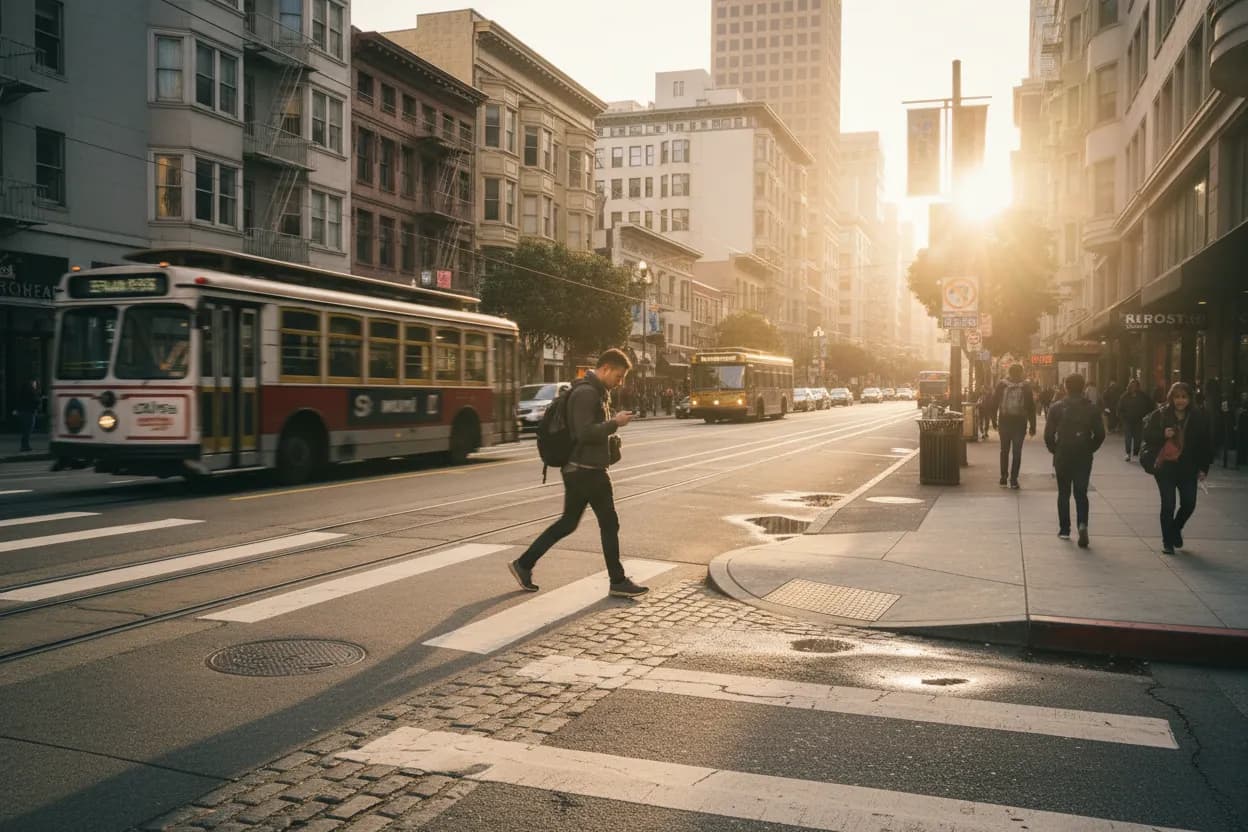
Verify vendor hours before leaving
Hours are the easiest part of a dinner plan to get wrong. A reposted schedule, an old map result, or a social clip can outlive the actual service day. Before leaving, check the restaurant or vendor’s official page if available, then use city resources for the public facts around it: health-score lookup through SFDPH when relevant, SFMTA trip planning for the route, and SFMTA travel updates for disruptions or nearby public activity. If any required piece cannot be verified, downgrade the plan from “go” to “maybe.”
Build the final check as a three-minute routine. First, confirm the place you want is open or at least publicly presenting current service information. Second, confirm the route by your chosen mode: Muni, walk, bike, drive, or taxi. Third, confirm the backup and the point at which you will switch. The rebecca cooke search may be timely, but your dinner should be based on what is public, current, and useful. San Francisco is easier when the plan is honest about uncertainty.
Tags: #SanFrancisco #SanFranciscoRestaurants #Restaurants #AskKarpo #BeforeYouGo #Muni #SFMTA #SFDPH #DinnerPlan #FoodSafety #TransitTips #CityGuide #LocalLife #BayArea
Sources consulted: sftravel.com · sfdph.org · sfmta.com
All trademarks are the property of their respective owners.
Ask Karpo first
Ask Karpo first when the plan depends on timing, transit, access, or a restaurant detail that may have changed. Send your preferred stop, backup neighborhood, group constraints, and arrival window, and ask for a skeptical San Francisco check before you commit.