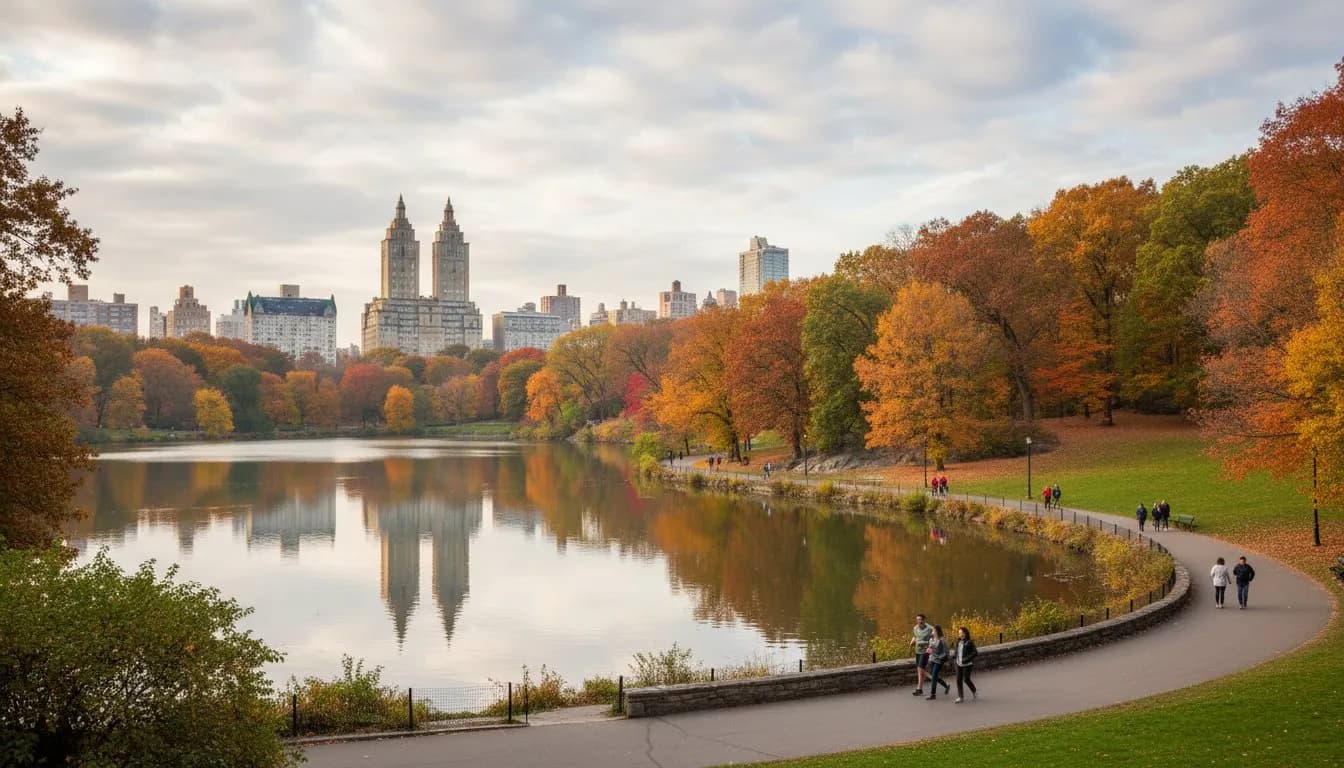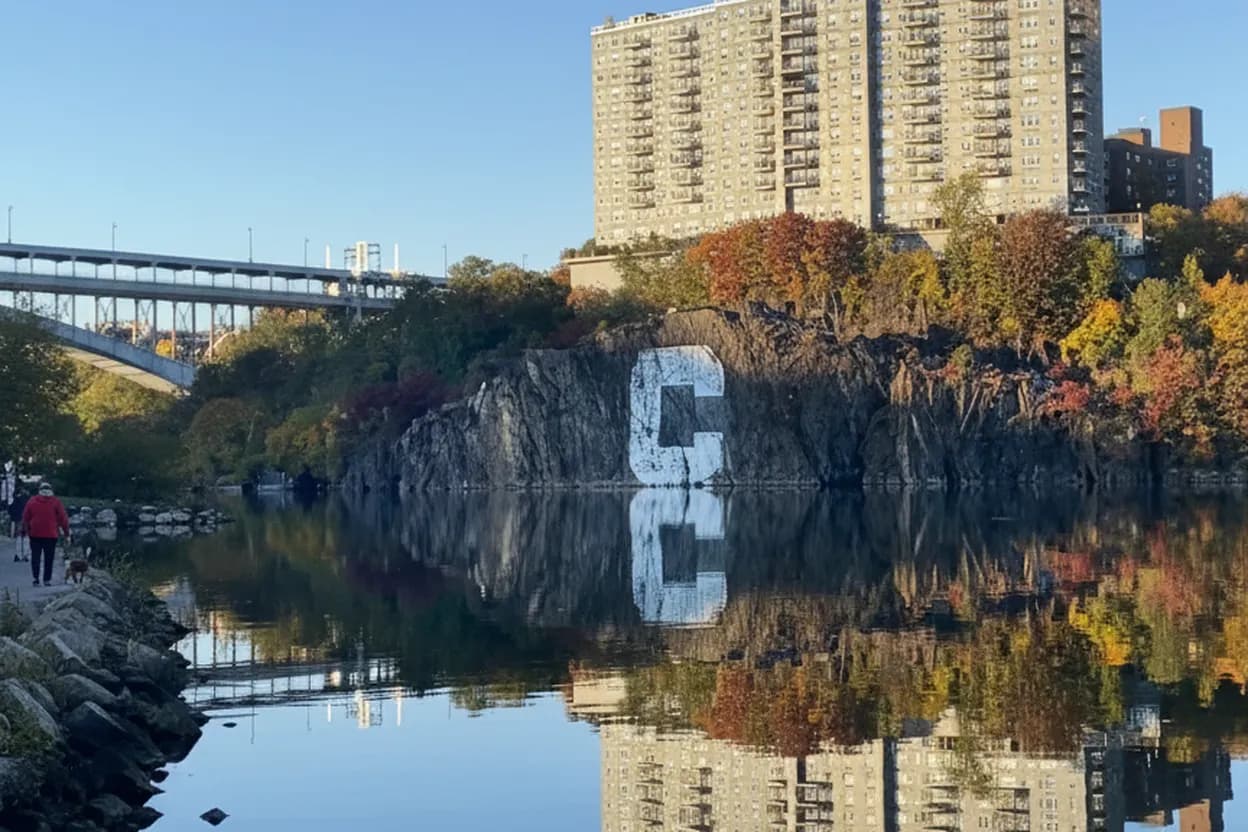
The search for ransom canyon does not have to send a relaxed New York family out of town. If the appeal is open sky, rugged edges, quiet trails, and a feeling of distance from traffic, several free NYC parks can cover that mood in daylight without tickets or complicated planning. The right choice depends less on which park is most famous and more on your group’s tolerance for hills, uneven paths, bathrooms that may be far apart, and weather that can turn shade into mud. Use this as a practical decision guide: pick one primary park, choose a nearby backup, and verify notices before you leave.
Want a calmer outdoor plan before you commit to the train? Text Karpo your borough, time window, and walking tolerance for a free green-space match.

Inwood Hill Park for Glacial Ridges and a Real Escape Feel
Start with Inwood Hill Park if your version of canyon energy means ridges, valleys, mature forest, and a river edge in one trip. NYC Parks identifies the park by Dyckman Street, the Hudson River, and Harlem River, and describes caves, valleys, and ridges shaped by glacial history. For families, the win is variety: hiking trails, playgrounds, athletic areas, and public restrooms are listed facilities, so the day can shift if younger walkers lose patience.
The tradeoff is terrain. Inwood can feel wonderfully removed, but that means uneven ground, slopes, and sections where stroller travel is a poor fit. Make this a medium-effort daytime outing, not a casual sandal walk. If rain hit recently, choose wider paved approaches and save wooded climbs for another day. Before leaving, check the NYC Parks page for current notices, especially around water access, facilities, and any temporary closures.
Van Cortlandt Park for a Longer Bronx Trail Day
Van Cortlandt Park is the best pick when the family actually wants to walk, not just sit near trees. NYC Parks lists hiking trails of various lengths and notes a two-mile route through three ecologically distinct forests, plus freshwater wetlands and a lake area suited to birding. That mix gives the day a broad, open-country rhythm while staying inside the city and reachable by public transit for many Bronx and Manhattan visitors.
Plan conservatively because the park is large, and a wrong entrance can turn a relaxed outing into extra mileage. Choose your trail from the official map before you go, then set a turnaround time rather than trying to cover everything. The Putnam Trail is noted by Parks as a paved pathway, which makes it the better backup for mixed ages or uncertain footing. Verify current trail conditions and weather if thunderstorms are in the forecast.

Bronx River Forest for Water, Shade, and a Narrower Wild Corridor
Choose Bronx River Forest when you want the feeling of following a green corridor instead of climbing for views. NYC Parks’ natural areas listing identifies Bronx River Forest with trails, water access, and habitats that include forest, freshwater wetland, and grassland. It works well for a relaxed family walk because the river gives everyone a visual anchor, and the route can feel exploratory without requiring a full-day commitment.
The failure mode here is expecting a polished scenic overlook. This is better for slow looking, shade, birds, and the sound of water than for dramatic photos. After heavy rain, low sections near water can be muddy, buggy, or less pleasant for small children. Bring water, use marked paths, and do not treat informal river edges as access points. Check NYC Parks notices and current weather before leaving, then keep a paved-street exit in mind.
Fort Tryon Park for Hudson Views Without a Deep-Woods Commitment
Fort Tryon Park is the practical compromise for families who want cliffside atmosphere and Hudson River views but do not want a demanding backwoods hike. NYC Parks lists Fort Tryon among natural areas with trails, forest, and grassland, and its Upper Manhattan location makes it easy to pair with nearby Inwood if one park feels too crowded or too steep. The experience is more landscaped and overlook-driven than remote.
That polish is also the tradeoff. Fort Tryon can feel busy, especially near gardens, overlooks, and museum-adjacent paths, so it is not the place for solitude. It is a good choice for multi-generation groups because you can shorten the loop, pause often, and avoid committing to rougher wooded sections. Verify current park notices and restroom availability before leaving, and use Inwood Hill as the backup if everyone wants a wilder second stop.
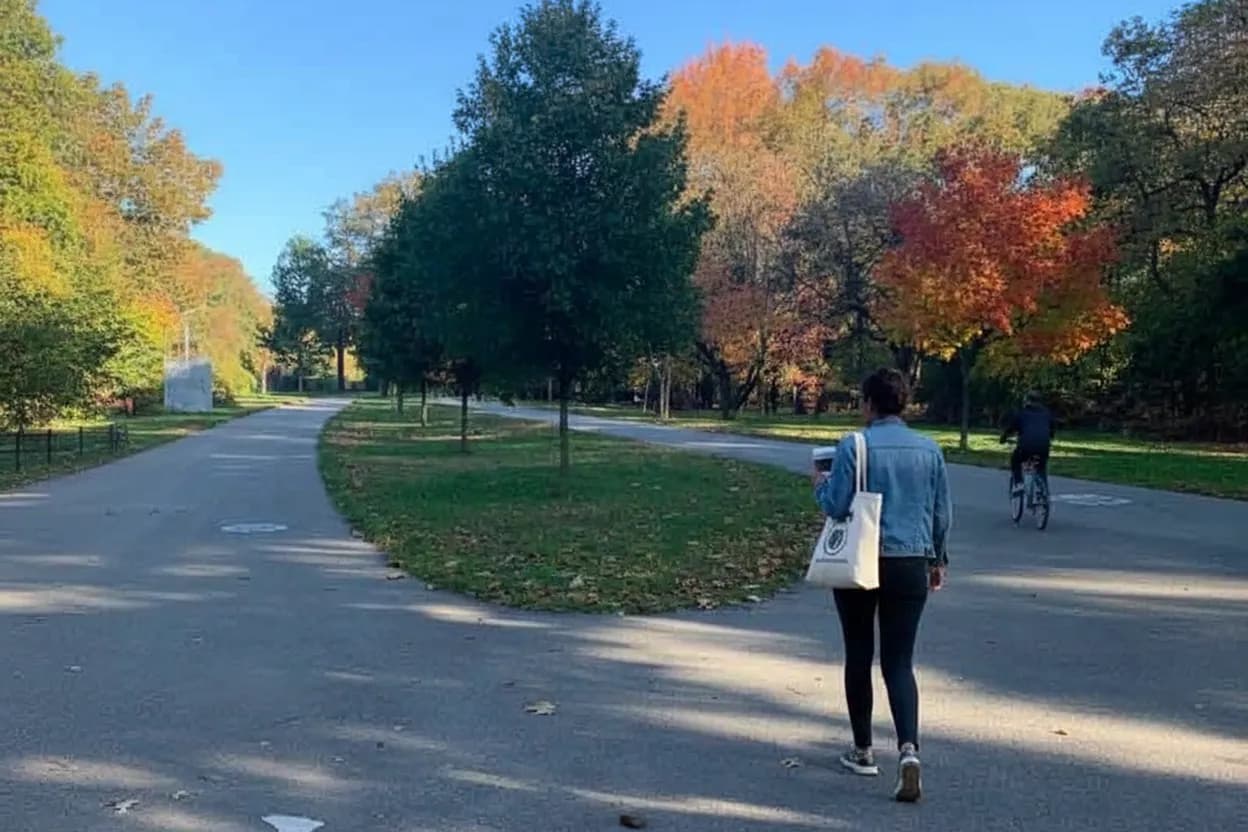
Highbridge Park for Harlem River Bluffs and a Shorter Adventure
Highbridge Park fits the canyon brief through height, bridge views, and wooded edges along the Harlem River. NYC Parks lists hiking trails with varied difficulty and describes forested areas, the Old Croton Aqueduct Trail, and views connected to the High Bridge, New York City’s oldest standing bridge. For families, this is a strong shorter adventure because the scenery changes quickly without requiring the scale of Van Cortlandt.
Be realistic about the hills and stairs around this park. Some routes are better for confident walkers than for strollers, and a hot afternoon can make exposed climbs feel harder than the map suggests. If anyone needs a gentler visit, keep the walk close to major entrances and avoid improvising down steep desire paths. Check NYC Parks notices first; listed construction or facility closures can change where it makes sense to start.
Forest Park in Queens for a Wooded Backup When Manhattan Feels Too Far
Forest Park is the Queens answer for a family that wants woods, shade, and a free outdoor reset without crossing into Upper Manhattan or the Bronx. NYC Parks lists Forest Park natural areas with trails, forest, freshwater wetland, and grassland, giving it enough habitat variety for a slow nature walk. It is especially useful as a backup when the goal is relaxed movement rather than a skyline or river-view payoff.
The decision point is navigation. Forest Park has road edges, trail segments, and recreation zones, so pick an entrance and loop before leaving instead of assuming the woods will organize the day for you. After rain, choose firmer paths and avoid treating wetland-adjacent ground as a shortcut. Families with mixed mobility should build in a short first loop, then extend only if everyone is comfortable and the weather holds.
Marine Park Salt Marsh for Open Sky Instead of Rock Drama
Marine Park’s Salt Marsh Nature Trail is the right choice when the group wants space, birds, grasses, and water rather than cliffs. NYC Parks lists the Salt Marsh Nature Trail at Marine Park as 0.8 miles, entering behind the Salt Marsh Nature Center near East 33rd Street and Avenue U. The official listing also marks the trail accessible, making it one of the better options when uneven ridge walks are a bad match.
Do not sell this stop as canyon-like in a literal sense. Its strength is horizon, marsh texture, and a slower pace that works for kids, grandparents, or anyone who wants a low-pressure walk. The main failure modes are sun, wind, and expecting deep shade. Check the forecast, Parks notices, and nature center status before leaving; if storms, heat advisories, or poor air quality are active, postpone rather than forcing the plan.
Tags: #AskKarpo #BeforeYouGo #NYCParks #FreeNYC #NYCWithKids #NYCNature #UrbanHiking #InwoodHillPark #VanCortlandtPark #BronxRiverForest #FortTryonPark #HighbridgePark #ForestParkQueens #MarinePark
Sources consulted: Source 1: php1-84.nycgovparks.org · Source 2: php1-84.nycgovparks.org · Source 3: php1-84.nycgovparks.org · Source 4: php1-84.nycgovparks.org · Source 5: www2.nycgovparks.org · Source 6: php1-84.nycgovparks.org
All trademarks are the property of their respective owners.
Ask Karpo first
Tell Karpo your date, group size, budget, and starting neighborhood. We’ll check current access, timing, transit, and the cleanest plan for NYC before you head out.