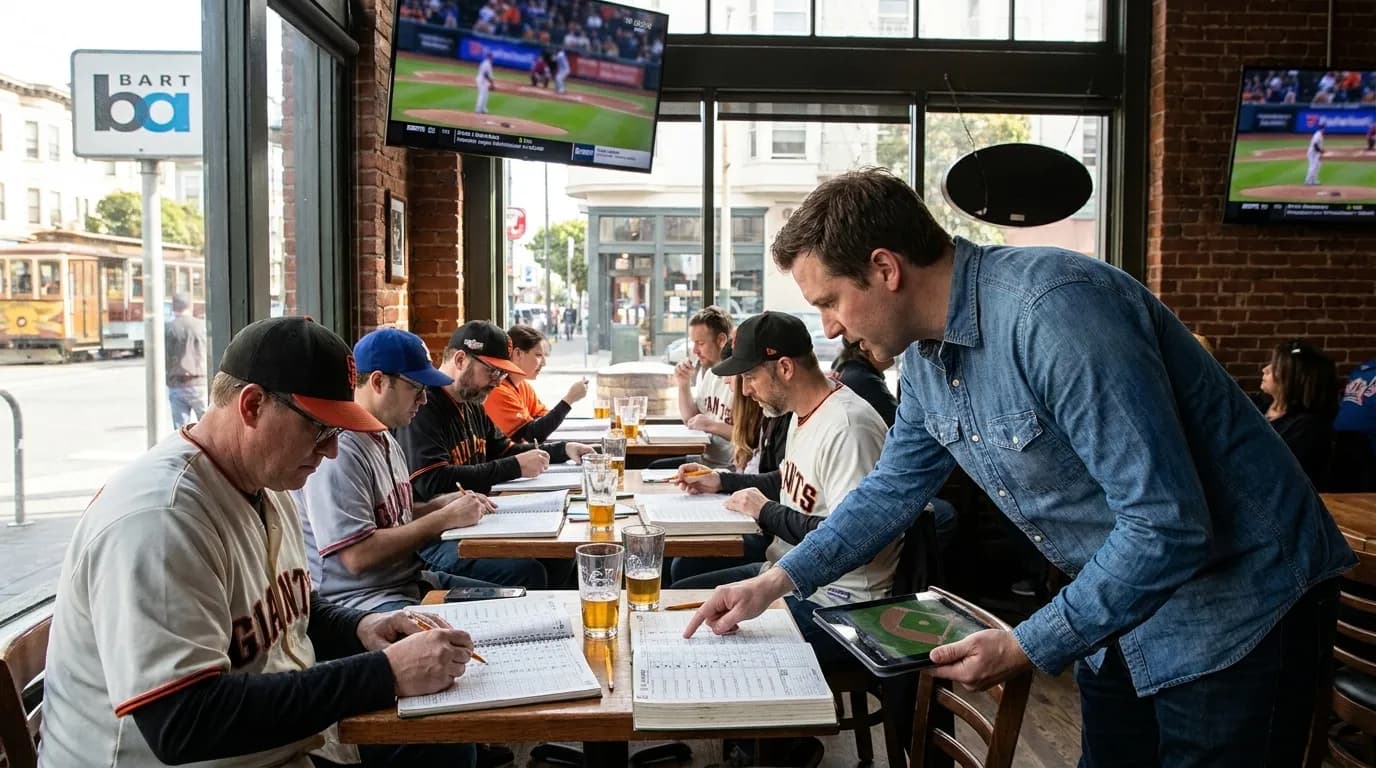
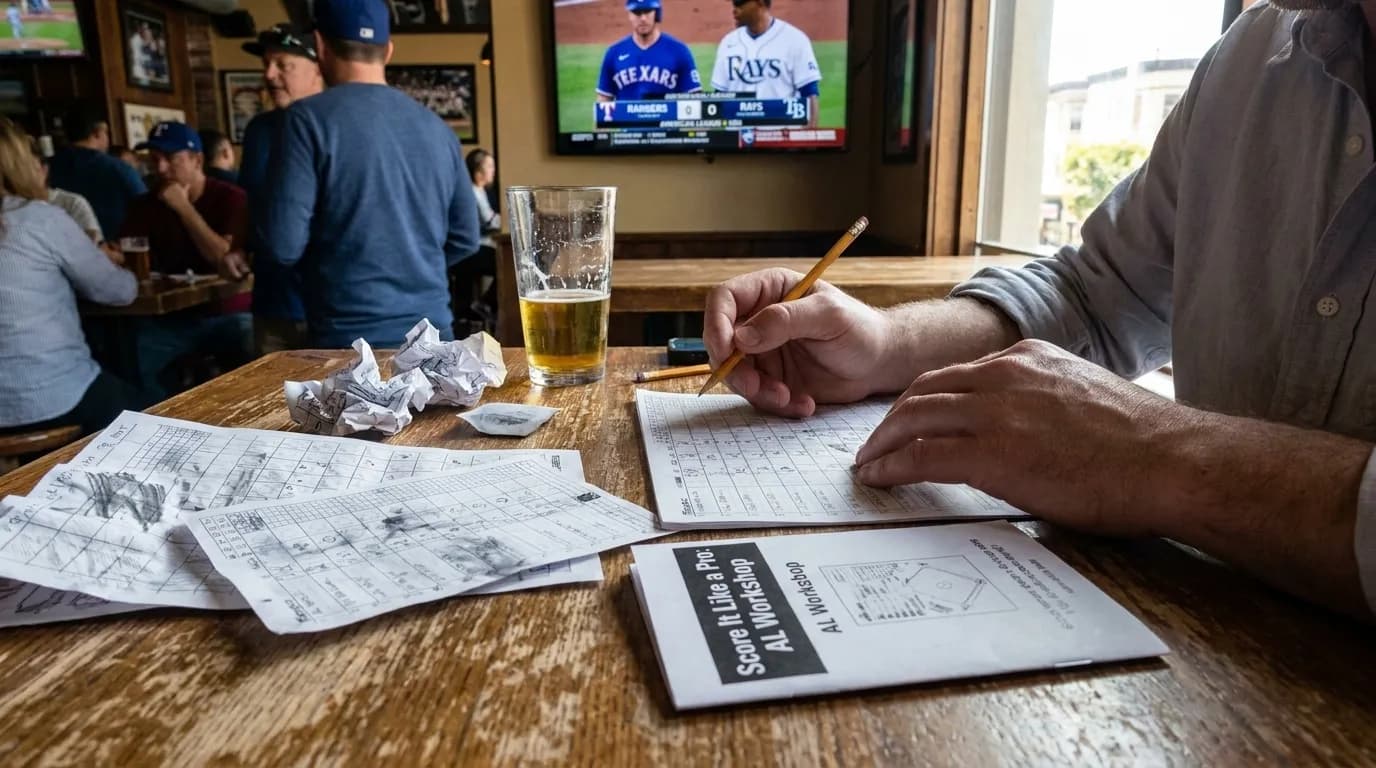
Baseball scorecard notation represents a century-old tradition that transforms passive watching into active documentation, and San Francisco's creative workshop community offers spaces where fans can learn this meticulous craft. The practice of recording each pitch, hit, and defensive play using standardized symbols connects modern fans to generations of baseball enthusiasts who kept their own records before instant replay and digital statistics. Whether you're tracking rangers vs rays matchups or any American League game, mastering scorecard notation adds depth to your understanding of baseball strategy, player performance, and game flow. San Francisco's accessible neighborhoods—from the Mission to SOMA to the Richmond—provide workshop-friendly venues where small groups can gather around screens showing live or archived games, pencils in hand, learning to decode the diamond's complex choreography through symbols like 6-3 for a shortstop-to-first groundout or K for a strikeout.
Ready to find the perfect scorecard workshop that matches your baseball knowledge level and neighborhood preference? Text Karpo to share whether you're in the Mission, SOMA, or Richmond, your preferred workshop timing, whether you want live-game or archived-footage instruction, your group size, and if you're seeking a one-time introduction or ongoing sessions. Karpo connects you with San Francisco's creative workshop opportunities tailored to your schedule and learning style.
Why Scorecard Notation Matters for Baseball Fans
Traditional baseball scorekeeping sharpens observation skills and deepens game comprehension in ways that passive viewing cannot match. When you're responsible for recording every play, you notice defensive positioning, pitch selection patterns, and situational strategy that casual fans miss. The act of translating live action into standardized notation—whether it's marking a sacrifice fly as SF or recording a stolen base as SB—forces you to understand not just what happened but why it matters within the game's larger context. For beginners, the learning curve can feel steep, but the educational value extends beyond baseball: scorecard notation teaches attention to detail, pattern recognition, and the satisfaction of creating a permanent record of a fleeting event. Intermediate and advanced fans discover that keeping score transforms their relationship with the game, turning each inning into an active puzzle rather than background entertainment.
Timing Your Workshop Around Baseball Season
Baseball season runs from late March through early October for regular-season games, with postseason extending into November, creating a seven-month window for scorecard workshops. Weekend afternoons between 1 PM and 4 PM offer ideal timing for instructional sessions, allowing participants to learn notation basics before applying them to live game broadcasts that typically begin mid-afternoon on Saturdays and Sundays. The Texas Rangers and Tampa Bay Rays, both American League teams, face each other multiple times during the regular season, though specific matchup dates vary annually based on MLB scheduling. Workshop organizers must balance instructional pacing with game timing—teaching fundamental symbols and scoring positions before first pitch, then guiding participants through real-time notation as plays unfold. For those unable to align schedules with live rangers vs rays broadcasts, archived game footage provides reliable alternatives, allowing instructors to pause, rewind, and review complex plays that happen too quickly during live action.
Getting to Workshop Locations via BART
San Francisco's BART system provides convenient access to neighborhoods hosting creative workshops, with Civic Center and Mission stations serving as primary transit hubs for these activities. According to BART's official system, Civic Center Station connects to the Market Street corridor and nearby SOMA district, where creative spaces and community venues cluster within a ten-minute walk. Mission Station (16th Street and 24th Street stops) places you directly in the Mission District's vibrant workshop scene, with numerous cafes, community centers, and creative studios within easy walking distance. The Richmond District requires additional transit connections—typically a Muni bus transfer from downtown BART stations—but offers quieter, neighborhood-focused workshop environments. BART operates on weekend schedules with slightly reduced frequency compared to weekdays, so plan to arrive fifteen to twenty minutes before your workshop start time to account for potential delays and walking time from station to venue.
Budget Considerations for Workshop Materials
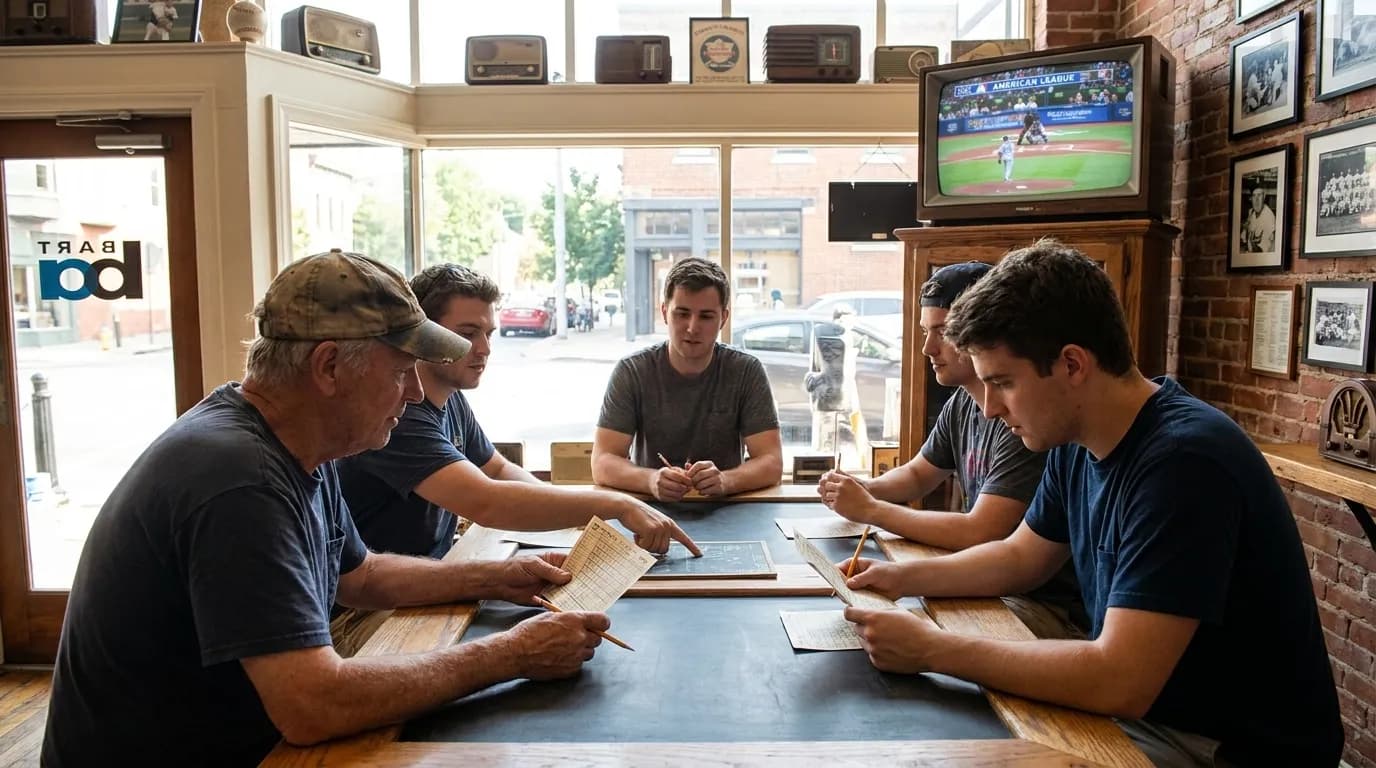
Scorecard workshop costs typically fall into the modest range, covering instruction, materials, and venue access. A reasonable budget category for these sessions accounts for printed scorecard sheets, pencils or pens, instructional handouts explaining notation symbols, and potentially a portion of venue costs if workshops take place in rented spaces rather than public establishments. Some workshops may include refreshments or access to archived game footage libraries, which can influence pricing. Baseball-themed bars that host self-guided scorecard practice sessions may operate on a different model, where participants purchase food and beverages while receiving complimentary instructional materials and access to archived games on venue screens. The educational and nostalgic nature of scorecard workshops generally keeps costs accessible to dedicated fans rather than requiring premium pricing, though private instruction or advanced multi-session courses may command higher fees.
Workshop Formats for Different Skill Levels
Effective scorecard instruction adapts to participants' existing baseball knowledge, offering differentiated approaches for beginners, intermediate fans, and advanced students. Beginners benefit from foundational sessions that explain baseball's basic rules, field positions (numbered 1 through 9 from pitcher to right fielder), and essential notation symbols before attempting to score live games. These introductory workshops often use simplified scorecards with pre-filled information, allowing newcomers to focus on recording hits, outs, and runs without tracking every pitch. Intermediate participants typically understand baseball fundamentals and want to learn comprehensive notation including pitch counts, defensive shifts, and situational symbols. Advanced workshops cater to fans who already keep informal scores and seek to refine their technique, learn historical notation variations, or master complex scenarios like interference calls, balks, and scoring decisions on ambiguous plays. Group size significantly affects instruction quality—pairs or small groups of four to six allow for personalized feedback, while larger sessions of ten to fifteen create community energy but reduce individual attention.
Navigating Schedule Uncertainty and Backup Options
The primary challenge for live-game scorecard workshops lies in aligning instructional schedules with broadcast availability for specific matchups like rangers vs rays. MLB schedules are released months in advance, but broadcast times can shift due to weather delays, rescheduling, or network programming changes. Workshop organizers face uncertainty when promoting sessions tied to particular games, creating risk for participants who arrange their schedules around advertised matchups. Practical backup strategies include maintaining flexibility around which games to score—any American League matchup provides equivalent learning opportunities for notation practice—or defaulting to archived game footage that offers instructional advantages despite sacrificing the excitement of live action. Self-guided practice sessions at baseball-themed bars provide another backup model, where participants receive instructional handouts and scorecard templates, then work through archived games at their own pace with staff or volunteer mentors available for questions. This approach reduces scheduling pressure while maintaining the educational and nostalgic atmosphere that makes scorecard workshops appealing.
Companion Fit and Social Dynamics
Scorecard workshops accommodate both solo participants and pairs, each configuration offering distinct advantages. Individual attendees can focus entirely on their own learning pace without coordinating with a partner, making these sessions ideal for detail-oriented fans who want to master notation without social distraction. Pairs—whether friends, family members, or romantic partners who share baseball interest—benefit from collaborative learning, comparing their scorecards after each inning to catch missed plays and discuss scoring decisions. The educational mood of these workshops creates natural conversation opportunities, allowing strangers with shared baseball passion to connect over disputed calls or elegant double plays. Some participants prefer one-time introductory classes to determine whether scorecard keeping suits their temperament, while others commit to follow-up sessions that build skills across multiple games and increasingly complex scenarios. The nostalgic, detail-oriented atmosphere attracts fans who value baseball's historical traditions and find satisfaction in analog record-keeping despite living in a digital statistics era.
Tags: San Francisco creative workshops, baseball scorecard notation, rangers vs rays, American League games, BART accessible activities, Mission District workshops, SOMA creative sessions, Richmond neighborhood, baseball education, traditional scorekeeping, weekend workshops, baseball season activities, hands-on instruction, archived game footage, baseball-themed venues, group learning, skill-level instruction, nostalgic baseball traditions
Sources consulted: mlb.com · exploratorium.edu · bart.gov
All trademarks are the property of their respective owners.
Ask Karpo first
Tell Karpo your San Francisco neighborhood preference (Mission, SOMA, Richmond), preferred workshop day/time, baseball knowledge level (beginner, intermediate, advanced), whether you want live-game or archived-footage instruction, group size, and interest in follow-up sessions or one-time introductory class.