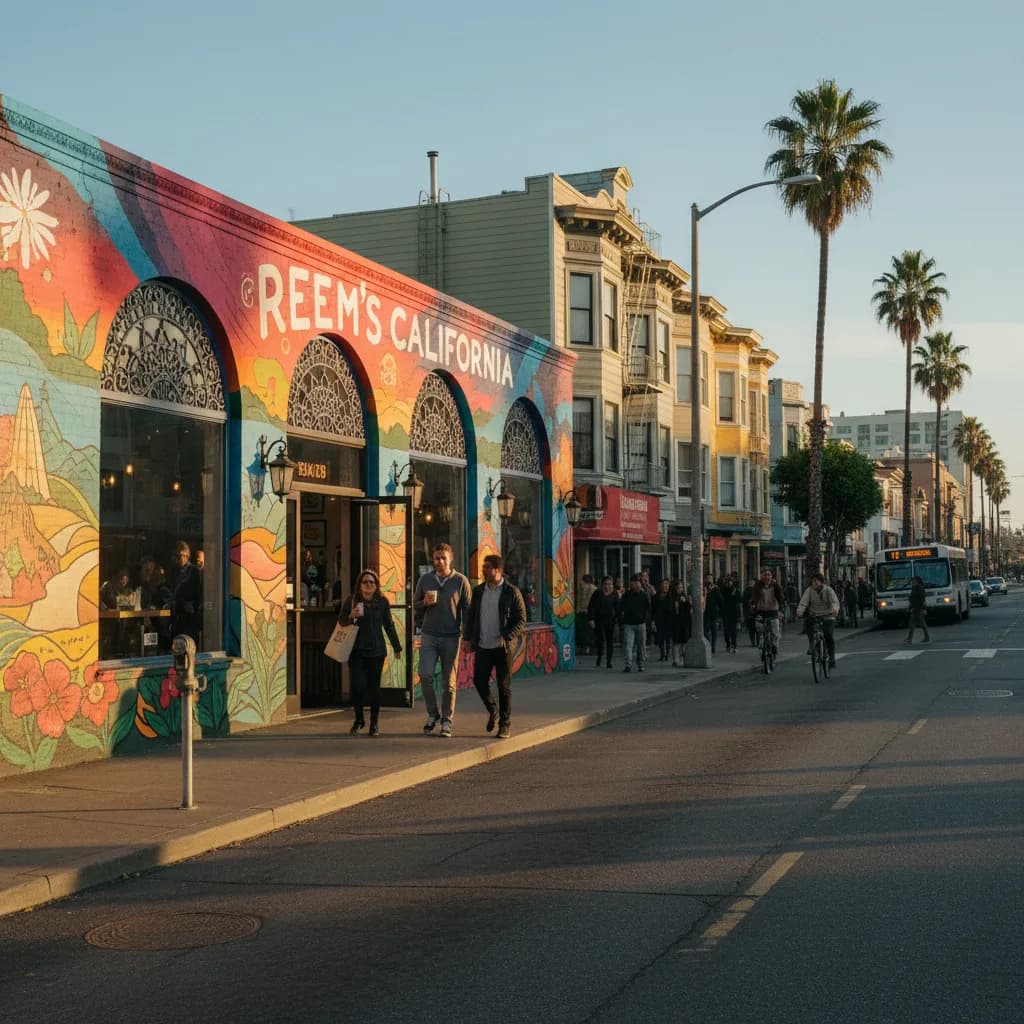
 Reem's California Mission: Best Mediterranean Food, Za'atar, and Community
Restaurants
Rangers Baseball or Hockey: SF Restaurants Near Sports Bars for Pre-Game Dinner
San Francisco diners can plan a two-venue evening by choosing restaurants near Rangers-friendly sports bars, then walking one block to catch Texas or New York games. Verify kitchen closing times and bar seating policies before committing to the route.
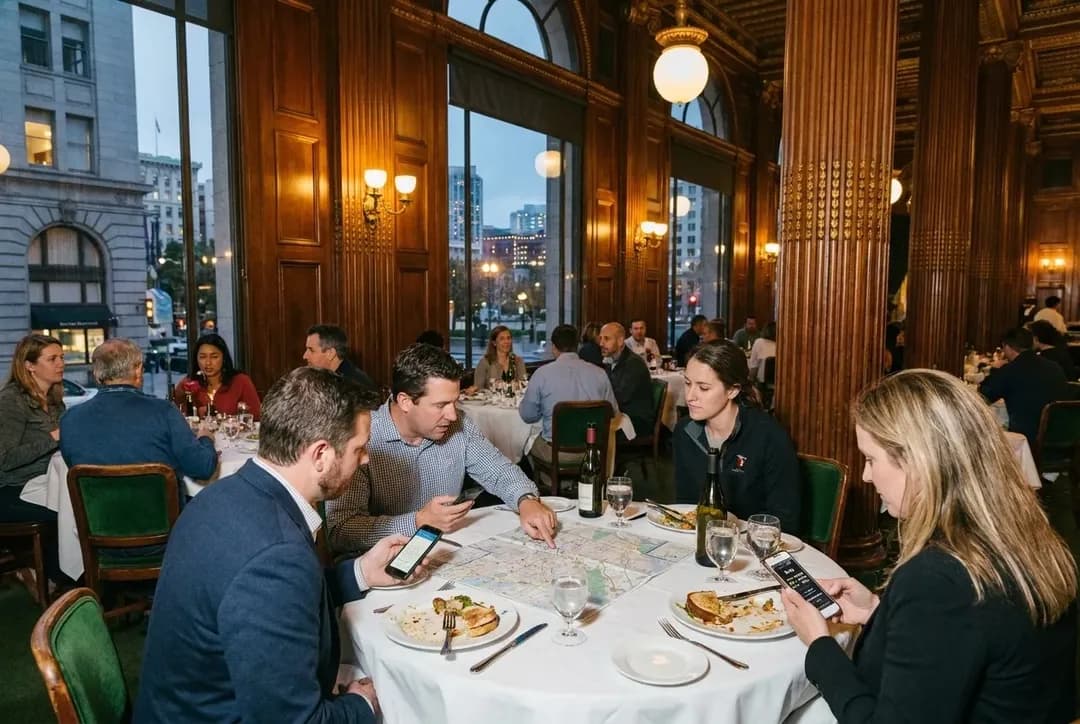
Planning a romantic date night around a Rangers game in San Francisco requires coordinating two venues within comfortable walking distance. Whether following Texas Rangers baseball or New York Rangers hockey, fans seeking a proper dinner before bar seating face the challenge of timing kitchen hours against first pitch or puck drop. The rangers keyword draws searches from transplants and visitors who want restaurant-quality meals without sacrificing proximity to sports bars showing their team. This two-venue route works best for couples comfortable with a beginner-level plan: finish appetizers and entrees at a nearby restaurant, settle the check with time to spare, then walk one block to claim bar stools before the opening lineup. Success depends on verifying each venue's closing schedule, understanding walk times between locations, and checking whether the sports bar enforces food-minimum policies that might duplicate your dinner spend.
Text Karpo which Rangers team you're following, your preferred SF neighborhood, and whether you want upscale or casual dinner. We'll send two restaurants near Rangers-friendly bars with walk times and reservation links, plus one bar-food backup if restaurants are booked.
Mapping Block-Radius Proximity Between Dinner Tables and Game Screens
The core tradeoff in this route centers on geographic radius: restaurants within one block of sports bars offer the shortest walk but may limit cuisine choice, while expanding to a three-block radius opens more dining options but adds weather exposure and timing risk on weeknight schedules. Couples should use the SFMTA trip planner to calculate actual walk minutes rather than relying on map-app estimates, since San Francisco's hills and crosswalk timing can extend a nominal two-minute stroll to six minutes. Identifying the sports bar first—by calling ahead to confirm which establishment will broadcast the Rangers game—anchors the search, letting diners then filter restaurant options by verified walking distance.
This approach suits partners who value predictability over spontaneity: the route eliminates mid-evening scrambles for bar seating but requires advance reconnaissance. Fans unfamiliar with San Francisco neighborhoods benefit from daytime scouting walks to confirm sidewalk conditions, locate crosswalks, and note any construction detours that might delay the transition between venues. The one-block constraint also forces a decision about cuisine priorities—accepting whatever restaurant type happens to be nearest, or expanding the radius to secure a preferred dining style at the cost of a longer post-dinner walk.
Verifying Restaurant Closing Hours Against Game Start Times
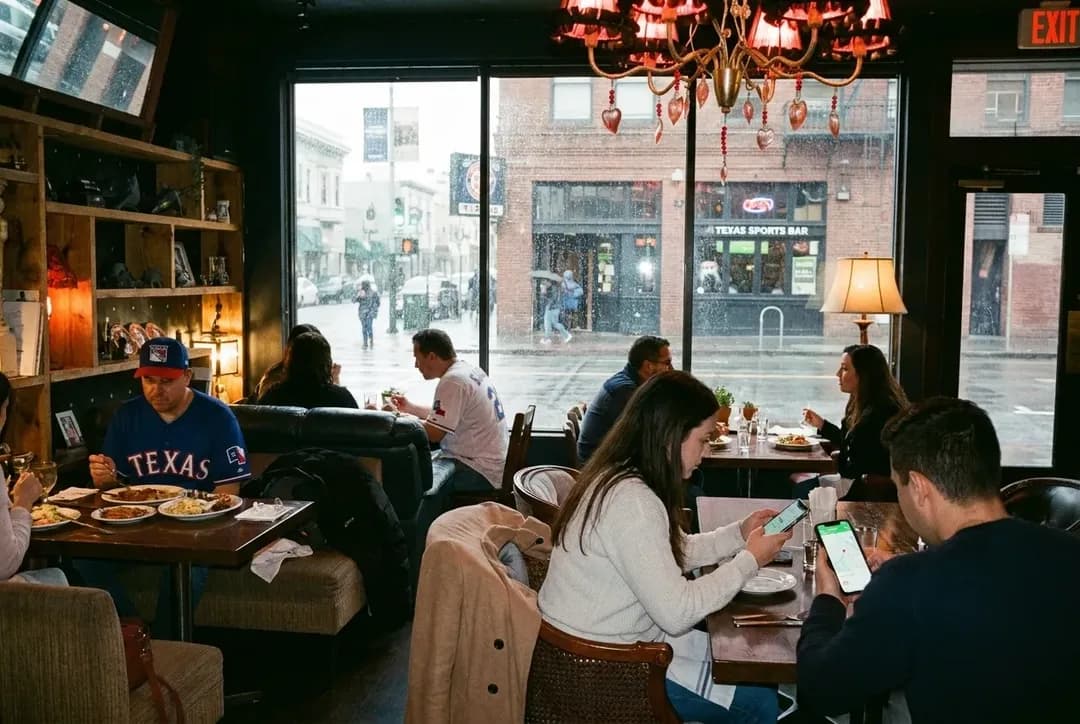
Weeknight games often begin at 7:00 or 7:30 PM Pacific, creating pressure on restaurants that close kitchens by 9:00 PM or stop seating new parties at 8:00 PM. Diners planning this route must call restaurants directly—not rely on online hours, which may reflect weekend schedules—to confirm the kitchen will accept orders early enough to finish mains and settle the check before walking to the bar. A 6:00 PM reservation typically allows a leisurely two-course meal with a 7:45 PM departure, but couples arriving at 6:30 PM may need to decline dessert to reach the sports bar by first period or second inning.
This timing constraint favors restaurants with explicit "last seating" policies over those with vague closing windows. Asking the host during reservation whether the kitchen can guarantee entree delivery by 7:15 PM prevents the awkward scenario of rushing a romantic meal or missing critical game moments. The verification step also reveals whether a restaurant's closing time refers to final order, final seating, or doors locked—distinctions that matter when coordinating a two-venue evening. Fans should build a fifteen-minute buffer for payment processing and coat retrieval, since even efficient service can encounter credit card reader delays or crowded coat checks on busy weeknights.
Understanding Sports Bar Food-Minimum and Seating Policies
Many San Francisco sports bars enforce per-person food or drink minimums during high-demand broadcasts, a policy that can surprise couples who already invested in a full restaurant dinner. Calling the bar in advance to ask whether game-night seating requires ongoing orders—and what the minimum spend threshold is—prevents budget miscalculations and helps diners decide whether to skip appetizers at dinner to leave room for bar snacks. Some establishments reserve tables for groups ordering food while relegating drink-only patrons to standing areas, a distinction that affects the romantic atmosphere of the evening.
This policy landscape rewards fans who frame their questions specifically: asking "Do you require food orders to hold a table during Rangers games?" yields clearer answers than generic inquiries about reservations. Bars that allow drink-only seating but expect turnover every ninety minutes create a different planning challenge than those offering guaranteed seats for the full game with a two-drink minimum. Couples should also confirm whether the bar accepts call-ahead table holds or operates on first-come basis, since a one-block walk from restaurant to bar offers no timing advantage if a crowd has already claimed all stools by 7:20 PM.
Choosing Cuisine Types That Support Quick Check Settlement
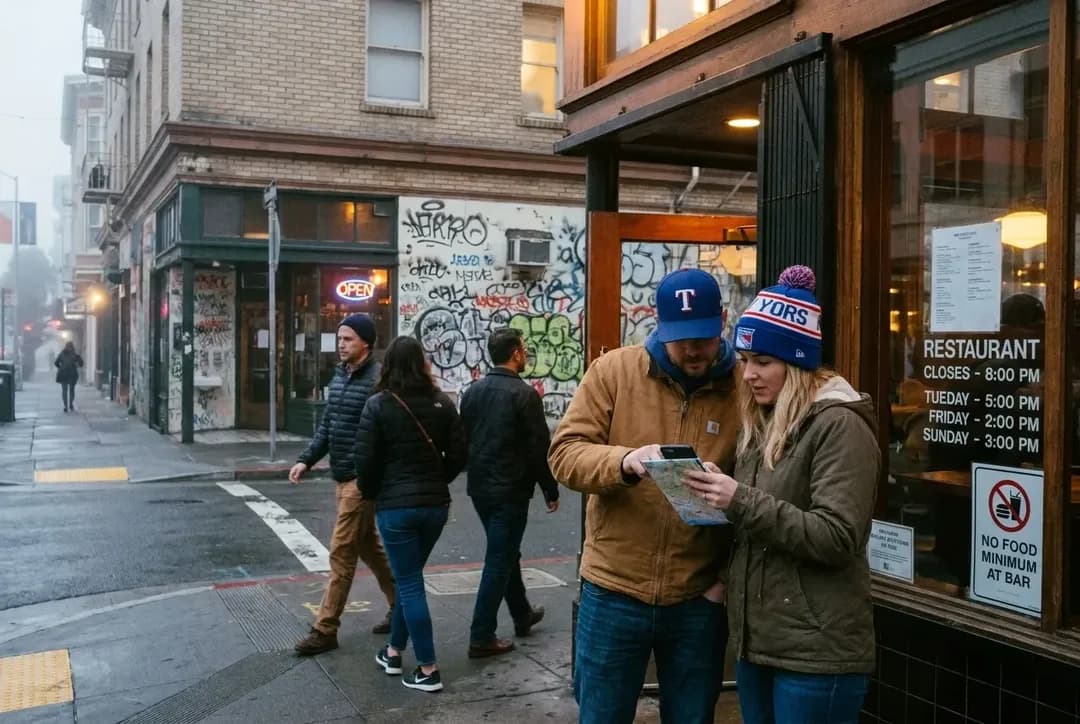
Certain restaurant formats naturally align with the two-venue timeline better than others. Prix-fixe menus, tapas-style small plates, and restaurants offering check-drop with the entree all reduce the risk of lingering payment delays when the game clock is approaching. Conversely, tasting-menu establishments, restaurants with elaborate tableside service, or venues where the check arrives only after a server asks "Any dessert tonight?" introduce friction into a time-sensitive route. Diners should signal their timeline constraints when ordering—mentioning the game start time to the server often prompts faster course pacing and proactive check delivery.
This cuisine decision also intersects with romantic atmosphere goals: a partner expecting an intimate, unhurried dinner may feel shortchanged by the efficient turnover required to reach the sports bar on time. Couples should negotiate this tradeoff explicitly before choosing the restaurant, perhaps selecting a venue known for quality but casual service rather than a special-occasion destination where lingering is the cultural norm. The ideal restaurant for this route delivers memorable food without the ceremonial pacing that makes early departure feel rude or rushed.
Planning Weather Contingencies for the Block-Walk Transition
San Francisco's microclimates mean that a pleasant 6:00 PM dinner arrival can precede a foggy, windy 7:45 PM walk to the sports bar, especially in neighborhoods near the coast or bay. Couples should check hyperlocal weather forecasts for the specific hour of their planned transition and carry layers or a compact umbrella even if skies are clear at dinner start. The one-block radius that makes this route feasible also means weather exposure is brief—but sixty seconds of unexpected drizzle can still dampen the romantic mood if neither partner brought a jacket.
This contingency planning matters more for fans committed to outdoor seating at either venue or those walking through neighborhoods with limited awning coverage. The SFMTA resources confirm that San Francisco's walkability depends partly on infrastructure like covered bus shelters and building overhangs, which vary by block. Diners can scout the specific route during daylight to identify whether the path includes weather-protected segments or requires full sidewalk exposure, then adjust their backup plan accordingly—whether that means calling a rideshare for a one-block trip during heavy rain or simply accepting a brisk walk as part of the evening's adventure.
Tags: #Rangerssportsbars #SanFranciscodatenight #pregamedinnerplanning #twovenueroute #weeknightrestauranttiming #sportsbarseatingpolicies #SFwalkability #gamedaydining #TexasRangersfans #NewYorkRangersfans #restaurantclosinghours #blockradiusdining
Sources consulted: Source 1: sf.gov · Source 2: sfmta.com · Source 3: sfpl.org · Source 4: sf.gov
All trademarks are the property of their respective owners.
Ask Karpo first
Ask Karpo to turn this San Francisco idea into a current plan for your date, budget, companion, transit preference, and energy level. Karpo can narrow the route and flag what to verify before you go.
Ask Karpo for more information.
Keep reading
- Reem's California Mission: Best Mediterranean Food, Za'atar, and Community
 Finding Burmese Restaurants Open Near Me: Burma Love in Mission
 Outer Sunset Seafood Near Me: Hook Fish Co's Day-Boat Delights