 Mediterranean Food Near Me in Fort Greene: Miss Ada's Garden and Hummus
Neighborhood Guides
Ranch 99 Alternatives: Asian Supermarket Guide for NYC
A borough-by-borough decision tree for your next big Asian grocery run
If you’ve moved to New York from the West Coast or just binged a lot of food vlogs, you’ve probably heard of Ranch 99 (often called 99 Ranch), the huge Asian supermarket chain that anchors many weekend grocery runs—but there is no Ranch 99 location in NYC as of 2026. Instead, the city offers its own ecosystem of large Asian grocery stores and multi-vendor markets spread across the boroughs, each with different strengths: some excel at Chinese and broader East Asian staples, others in Korean or South Asian ingredients, and many combine pantry aisles with food courts and bakeries. This guide works like a decision tree based on your situation—where you live, how you get around, and what you plan to cook—so you can quickly match yourself to the right NYC alternative to Ranch 99, then double-check official sites for current hours, locations, and any service changes before you head out.
Planning a big restock, hunting for specific regional ingredients, or just curious what “NYC’s answer to Ranch 99” looks like in real life? Save this guide, then tap through to each supermarket’s official page before you go—Karpo can help you compare transit routes, peak hours, and nearby backup options so you don’t lose time (or miss out on the good produce) when you’re already hungry.
Start here: You want a Ranch 99–style experience
Decision point one: are you mainly chasing the big-box Asian supermarket feel—wide aisles, large parking lots (or at least big carts), and one-stop shopping for East Asian staples? If yes, your closest NYC equivalents sit in Queens and Brooklyn, especially around Flushing and Sunset Park. Since Ranch 99 itself doesn’t operate in New York, think of this as finding the same scale and variety, not the exact brand.
If you live in Queens or can easily ride the 7 train, start by focusing on Flushing’s large supermarkets and enclosed markets; if you’re in Brooklyn or lower Manhattan, look at Sunset Park’s 8th Avenue corridor and newer big-format stores. From the Bronx, upper Manhattan, or Staten Island, expect at least one transfer and plan this as a once-a-week stock-up trip rather than a quick grocery run—Karpo can help you time trains and buses so you aren’t carrying heavy bags during rush hour.
Before locking in a destination, ask yourself three quick questions: do you need Chinese-led variety (dried seafood, hotpot bases, and regional sauces), Korean focus (banchan, gochujang, specialty meats), or pan-Asian basics (rice, noodles, condiments across cuisines)? Once you answer those, the rest of this guide points you toward the right neighborhoods and specific large-format stores to explore first, plus practical backup options nearby if your preferred shop is crowded or temporarily closed.
If you’re near the 7 train: Flushing’s mega-markets
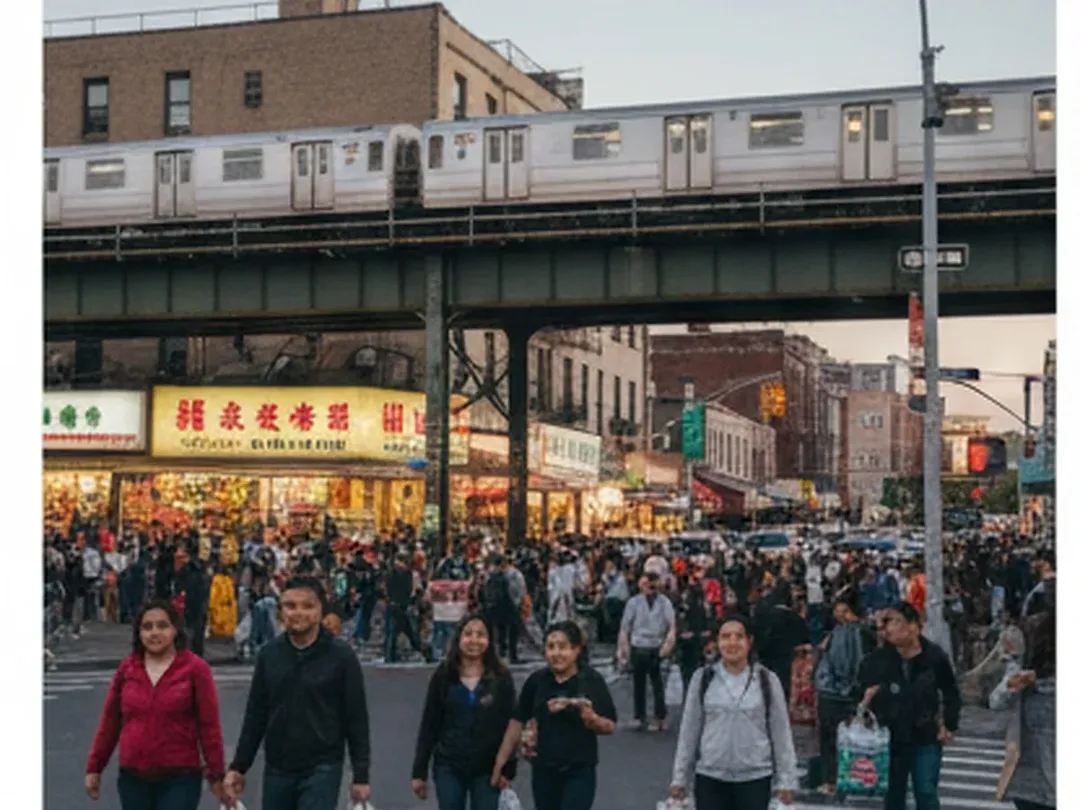
If you can reach the 7 train, Flushing is your best first stop for a Ranch 99–style day of shopping. The neighborhood is packed with large Asian supermarkets and multi-level food halls that combine grocery aisles, bakeries, and prepared food stalls. You’ll find multiple big-format stores within walking distance of the Flushing–Main St station, making it easy to comparison-shop prices or pivot if one place is too busy.
Here’s the decision tree: if you want Chinese and broader East Asian staples plus fresh produce, head for the larger supermarkets along Main Street and nearby avenues; if you’re craving snacks, desserts, and more “hangout” energy, lean into Flushing’s indoor malls and food courts. Many complexes here include underground or upper-level food markets with vendors specializing in everything from dried herbs to live seafood. Because these spaces change tenants and layouts over time, always confirm details like opening hours, active vendors, and any construction or renovation notices via the property’s official website or social channels before you go.
Timing-wise, Flushing gets packed on weekends and evenings. To mirror the calmer parts of a suburban Ranch 99 trip, aim for late morning on weekdays or early afternoon on Sundays, and avoid major holidays when crowding can be intense. The 7 train offers frequent service, but delays happen; check the MTA’s real-time Service Status and Planned Work tools right before you leave so you can adjust for any suspensions or reroutes. If your chosen supermarket is unexpectedly closed, Flushing’s dense grid means there will usually be another full-size Asian grocery within a few blocks—walk back toward Main Street and look for large produce displays and bilingual signage as your backup.
If you’re in Brooklyn or lower Manhattan: Sunset Park and beyond
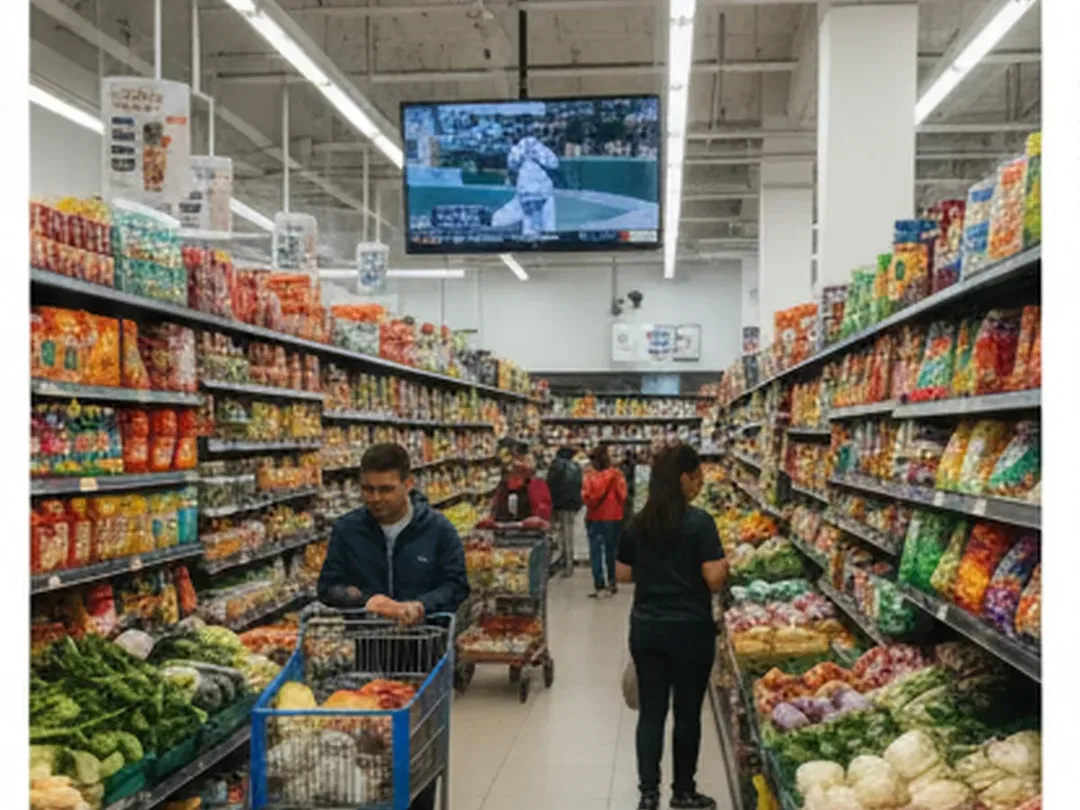
If your daily life is centered around Brooklyn or lower Manhattan, start your Ranch 99–style search in Sunset Park, especially along 8th Avenue. This corridor is known as Brooklyn’s Chinatown and features numerous Chinese businesses, including sizeable supermarkets, seafood markets, and specialty grocers that collectively provide the same “everything in one trip” feeling. You can reach 8th Avenue via the N and R subway lines; check MTA tools for any weekend service changes before planning a heavy shopping day.
Use this decision split: if you’re cooking mainly Chinese or broader East Asian dishes, Sunset Park’s large supermarkets and fish markets will give you most of what a West Coast 99 Ranch offers—rice and noodle varieties, sauces, frozen dumplings, and fresh whole fish. If you also want Latin American ingredients alongside your Asian staples, Sunset Park’s wider neighborhood mix makes it easy to grab items like plantains or specific chilies from nearby bodegas and grocers in the same outing.
For other parts of Brooklyn, look at established Chinatown-style clusters and newer Asian-focused developments, especially around Bensonhurst and parts of Sheepshead Bay where you’ll find additional mid- to large-size Asian markets. Operations, hours, and tenant mix can shift as neighborhoods change, so always verify current store details on the supermarket’s own website or official map listings, and consider calling ahead if you’re traveling far or need a particular specialty item like live shellfish or a whole roast duck. If your first-choice store is closed for renovation, walk a few blocks along the main commercial avenue—these corridors typically have multiple Asian grocers within the same stretch, so you can quickly pivot.
If you’re in Manhattan: Chinatown and midtown options
Living or staying primarily in Manhattan and not up for a long trip to Queens or deep Brooklyn? Your decision tree starts with Chinatown in lower Manhattan. The neighborhood’s dense grid of produce markets, fishmongers, and supermarkets offers substantial coverage for Chinese and some Southeast Asian ingredients in a walkable area. You won’t find a single giant Ranch 99–style building, but multiple mid-size stores and street-level markets collectively provide that broad selection when you plan a loop around the key streets.
If you prefer indoor shopping and predictable aisles, aim for the larger supermarkets on or near Canal Street and Hester Street, then fill in fresh produce and herbs from street stands and smaller grocers as needed. For specific Japanese, Korean, or general East Asian pantry brands, add a stop at midtown and uptown specialty chains—some national Asian-focused grocers and Japanese-centric supermarkets operate in Manhattan, often near transit hubs or office districts. These tend to prioritize packaged goods, snacks, and ready-to-eat meals over live seafood or big produce sections, so they pair well with a Chinatown run rather than fully replacing it.
Transit-wise, most Manhattan-based options are easily reached by multiple subway lines, including the N/Q/R/W, 4/5/6, J/Z, and numerous buses. If you’re planning a heavy grocery haul, consider traveling during off-peak hours (midday on weekdays or later evenings) to avoid cramped trains. Always confirm store opening times and any holiday schedule changes via official websites to prevent showing up at a locked gate, and keep one or two backup shops mapped within a 10–15 minute walk in case a smaller supermarket fills up or temporarily limits entry when crowded.
If you’re in Queens but not near Flushing
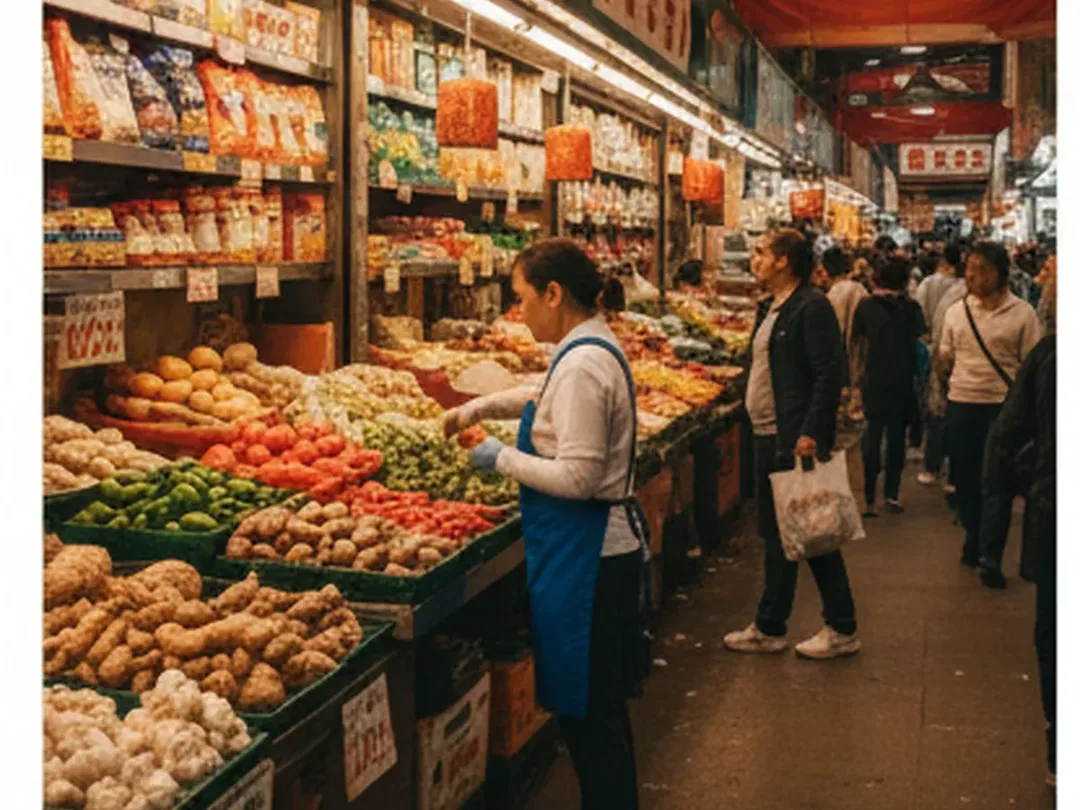
Not every Queens resident lives near the 7 train, but the borough still offers strong Asian supermarket options. Your first split: are you closer to central Queens corridors like Elmhurst and Jackson Heights, or to southeast Queens neighborhoods with growing Asian and South Asian communities? Elmhurst, for instance, is known for a diverse mix of Asian restaurants and grocers where multiple countries’ cuisines overlap in a compact area.
If you’re near Elmhurst or Jackson Heights, look for multi-block stretches of Asian businesses near major subway intersections (such as around the 74 St–Broadway hub) where you’ll find several mid-size Asian grocery stores collected within walking distance. These won’t always be as large as a West Coast Ranch 99, but they can collectively cover most pantry and produce needs, especially for South Asian, Southeast Asian, and Chinese ingredients. For southeast Queens, including areas like Jamaica and beyond, expect more distributed smaller grocers rather than one big-box destination; you may decide to schedule occasional Flushing or Brooklyn stock-up trips for bulk items, then rely on neighborhood stores for weekly top-ups.
Since Queens is extensive and transit patterns vary, use the MTA Trip Planner to map your door-to-door route, including necessary transfers, ahead of time. Aim for daytime trips if you’re exploring a new area for the first time, and build in extra time in case buses are delayed. Before leaving home, confirm supermarket locations via official store pages or verified map listings and skim recent customer photos or posts for evidence of current operation; if information looks stale, pick a backup location within the same neighborhood so you don’t waste a long ride on a shuttered storefront.
If you’re in the Bronx or Staten Island
If you live in the Bronx or Staten Island, the decision tree is more about how often you’re willing to travel rather than which neighborhood to hit. Both boroughs have Asian grocers and smaller supermarkets, but if you want the largest selection comparable to a Ranch 99, you’ll likely be making occasional trips to Queens, Brooklyn, or lower Manhattan and using closer local stores for top-ups in between.
From the Bronx, your main routes into larger Asian supermarket districts will run through Manhattan’s transit hubs; you might, for example, ride the 4/5 trains downtown and transfer to the 7 for Flushing or switch to multiple lines for Chinatown. In Staten Island, expect to use the Staten Island Ferry to reach lower Manhattan, then transfer by subway. Because these are longer trips, treat them as planned stock-up days: make a list of pantry and freezer items, choose one primary destination (Flushing, Sunset Park, or Chinatown), and identify at least one backup supermarket or market cluster within a short walk of your main stop.
In your home borough, look for smaller Asian markets and mixed-aisle international stores—these may not appear in national chain lists but can carry critical staples like rice, noodles, soy sauce, and frozen dumplings. Check local business directories and map listings, and always verify hours and active inventory by visiting store websites or calling directly, especially if you’re traveling by bus. If transit disruptions or weather make a cross-borough run impractical, lean on these neighborhood options for immediate needs and postpone big stock-ups until trains and ferries are running smoothly, as confirmed on official MTA and NYC transportation sites.
Timing, verification, and avoiding wasted trips
Whichever borough you choose, your final decision-tree step is when to go and how to confirm details. Large Asian supermarkets and markets can change opening hours, tenants, and even entrances over time, especially in multi-level malls. Always start by checking the store’s official website or social media for current hours, holiday closures, and any renovation notices, then cross-check with a reputable map listing to ensure the address and photos match. If information conflicts or looks outdated, consider calling the store directly before committing to a long ride.
For transit, rely on the MTA’s official tools—Service Status, Planned Work, and Trip Planner—to see live updates on subway and bus routes, weekend construction, and any partial line suspensions that might affect your chosen supermarket run. This matters more for destinations like Flushing and Sunset Park, where a single delayed or rerouted line can add substantial time to your trip. Build in extra cushion if you’re traveling with kids or carrying heavy bags, and consider off-peak windows (late morning or mid-afternoon) to reduce crowding both in transit and in-store.
Finally, treat NYC’s Asian supermarket landscape as a network of options rather than a single Ranch 99 substitute. Save at least two backup choices in the same or neighboring borough: one large-format destination for full stock-ups and one smaller neighborhood market for urgent ingredients. Karpo can help you maintain a living list of favorites, organized by subway line and cuisine focus, so the next time an unexpected closure or transit issue pops up, you can quickly switch plans and still come home with what you need to cook.
Ask Karpo first
Not sure which Asian supermarket fits your budget, commute, or cooking plans? Tell Karpo what you want to make this week, which subway lines you actually use, and whether you prefer big-box vibe or small neighborhood markets. Karpo will map out a custom grocery game plan—stores, opening hours, transit options, and a backup shop nearby—so you never show up to find the doors unexpectedly closed or your must-have ingredient missing. Karpo is your proactive NYC lifestyle sidekick, here to keep your pantry stocked and your weekends running smoothly.
sources':[{
href':'https://www.99ranch.com/store-locator' ,
Tags: #neighborhoodguides #nyc #groceries #foodshopping #asianmarkets #queens #brooklyn #manhattan #bronx #statenisland #NYC #KarpoFinds #AskKarpo
Sources consulted: 99 Ranch Market official store locator · MTA New York City Transit · NYC Tourism + Conventions · NYC Planning – Neighborhood Profiles · NYC Tourism – Flushing neighborhood guide · NYC Tourism – Sunset Park neighborhood guide · NYC Tourism – Chinatown neighborhood guide · NYC Tourism – Elmhurst neighborhood guide
All trademarks are the property of their respective owners.
Ask Karpo first
Not sure which Asian supermarket fits your budget, commute, or cooking plans? Tell Karpo what you want to make this week, which subway lines you actually use, and whether you prefer big-box vibe or small neighborhood markets. Karpo will map out a custom grocery game plan—stores, opening hours, transit options, and a backup shop nearby—so you never show up to find the doors unexpectedly closed or your must-have ingredient missing.
Ask Karpo for more information.
Keep reading
- Mediterranean Food Near Me in Fort Greene: Miss Ada's Garden and Hummus
 Places To Eat Near Me in Chelsea: The Market Fills a Nabisco Factory
 Seafood Near Me in the East Village: The Mermaid Inn's Dollar Oysters