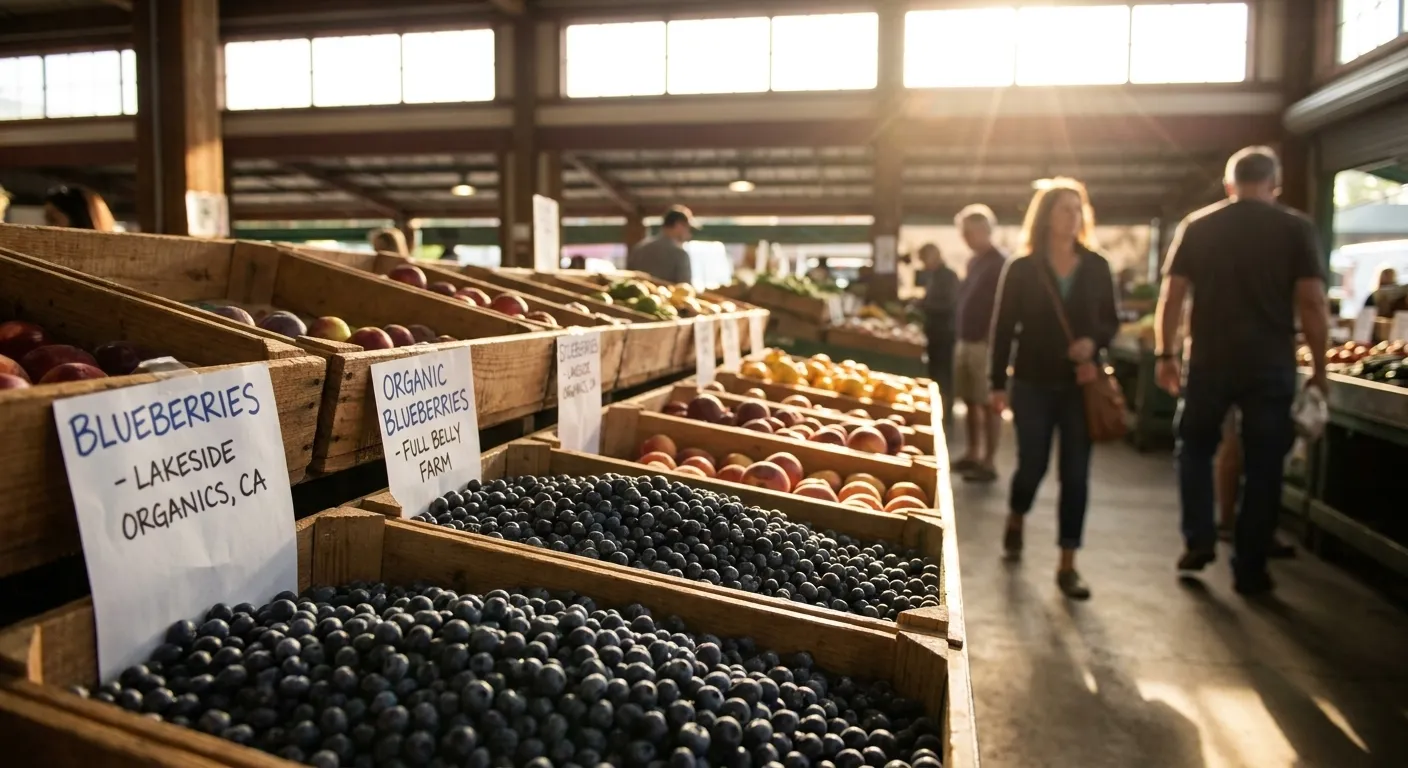
When a blueberry recall hits the news, most grocery stores scramble to match batch codes against distributor invoices. Rainbow Grocery Cooperative in San Francisco's Mission District already knows which farm packed every pint on the shelf. The worker-owned co-op prints the grower's name and origin on every produce bin, a transparency practice that started decades before traceability became a regulatory buzzword. That means recalled fruit disappears from the sales floor in hours, not days, and shoppers can verify sourcing with a glance at the handwritten sign above the berries.
Karpo maps every verified-organic grocer in San Francisco and shows you which ones post farm names on their bins, so you know exactly where your food comes from.
Why farm names matter when recalls hit
Rainbow Grocery marks every produce bin with the farm name and origin. That level of transparency turns into speed when the FDA issues a recall. While chain stores spend days cross-referencing distributor codes, Rainbow's department workers already know which grower supplied last week's blueberries. They pull the affected batch within hours, sometimes before the official alert even reaches customers.
The co-op has carried 100% organic produce year-round since moving to its current Folsom Street location in 1996. That commitment means a tighter network of suppliers—mostly independent California farms—and shorter supply chains. When a recall targets a specific packing facility or growing region, Rainbow's buyers can trace it back to the field. Shoppers see the same farm names week after week, so regulars notice immediately when a familiar label disappears from the bins.
This isn't just about blueberries. The same traceability applies to leafy greens, stone fruit, root vegetables, and everything else in the produce section. Rainbow's system predates the Food Safety Modernization Act requirements by decades, built into the co-op's founding principles rather than mandated by regulation. The result is a grocery store where you can photograph the farm sign, look up the grower online, and decide for yourself whether you trust the source.
How a worker-owned model changes accountability
Every employee at Rainbow Grocery is an owner. After nine months on the job, workers pay a $10 fee to become voting members of the cooperative. There's no CEO, no corporate headquarters, no franchise agreement. Wages are equal regardless of job title. The produce department hires its own staff, sets its own priorities, and answers directly to the 200-plus worker-owners who run the entire operation through democratic vote.
That structure creates a different relationship with food safety. When a recall happens, the workers pulling product off the shelves are the same people who approved the purchase order, negotiated with the farmer, and stocked the bins. They're not following instructions from a regional manager three states away. They're protecting their own reputation and their own community, because the Mission District shoppers walking through the door are their neighbors.
The co-op has operated in San Francisco since 1975, starting as part of a network of collectively run stores across the city. Most of those ventures collapsed within a few years. Rainbow survived by consolidating into a single storefront at 15th and Mission in 1984, then moving to the current 13th and Folsom location in 1996. The building houses more than 800 bulk items, a full-service cheese counter, an extensive herb and spice selection, and that meticulously labeled produce section. The workforce has grown from 85 people in 1996 to more than 200 today, with some members celebrating 40-year anniversaries.
What the bulk section offers beyond pre-packaged options
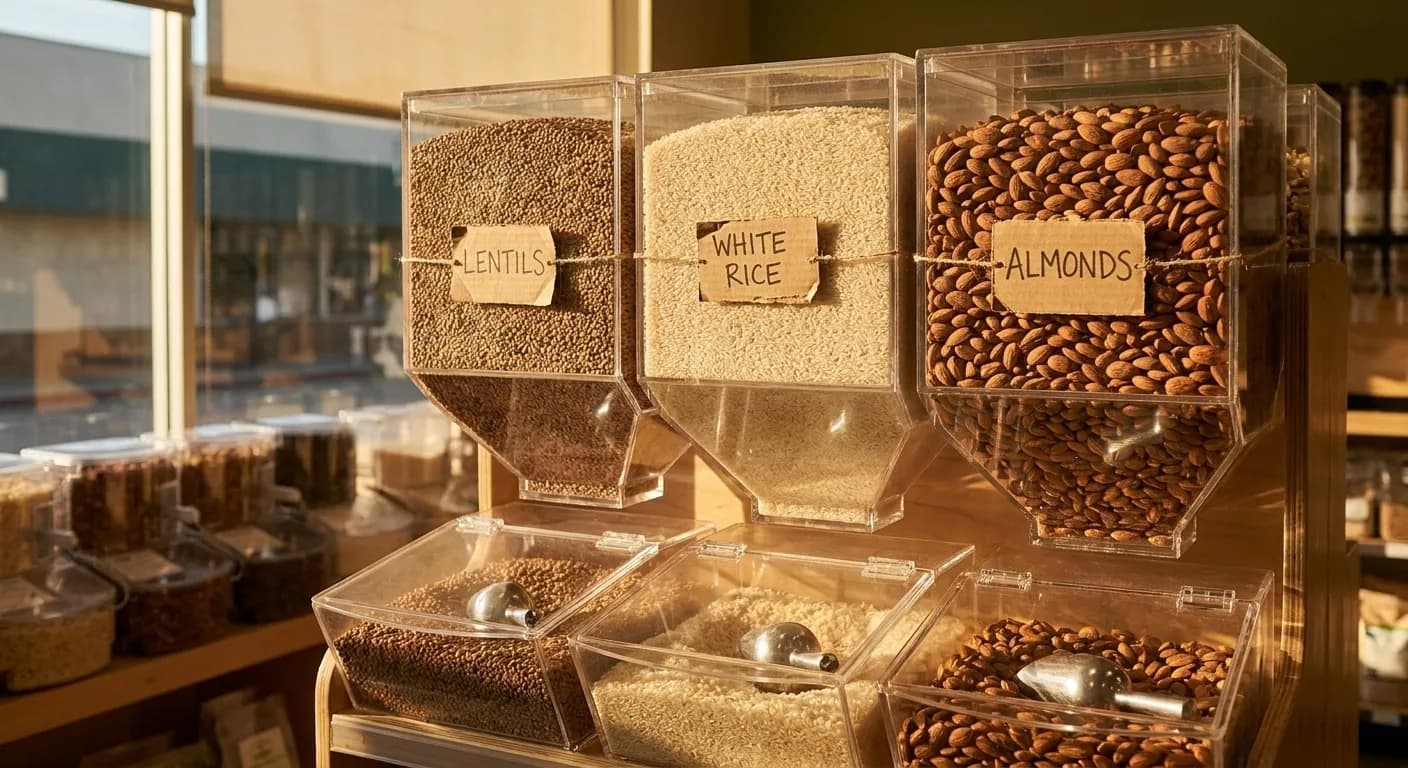
Rainbow's bulk foods department carries over 800 products, from coffee and granola to olives, nuts, flours, olive oils, miso, chocolate, rice, and beans. The setup encourages you to buy exactly the amount you need—a pinch of cardamom for one recipe, five pounds of lentils for the month. You bring your own containers, weigh them empty at the register, fill them, and get 5 cents off per container as a reuse incentive.
The bulk herb and spice section is one of the largest in the Bay Area, stocking organically grown and ethically wildcrafted teas, roots, and botanicals. You'll find things like whole dried rose hips, loose butterfly pea flower, and bulk turmeric root alongside the expected cinnamon and cumin. The department also carries prepared soups, salads, pastas, and spreads in the cooler section—useful for grabbing lunch without generating packaging waste.
The discount structure rewards volume but applies separately to each department. Spend $100 in produce before tax and you get 10% off that produce total. Spend another $100 in bulk foods and you get 10% off that department too. The thresholds jump to 15% at $200 and 20% at $400 per department. Seniors 60 and older get a flat 10% off everything with ID, overriding the case discount but stacking with the container reuse credit.
Parking and transit logistics most guides skip
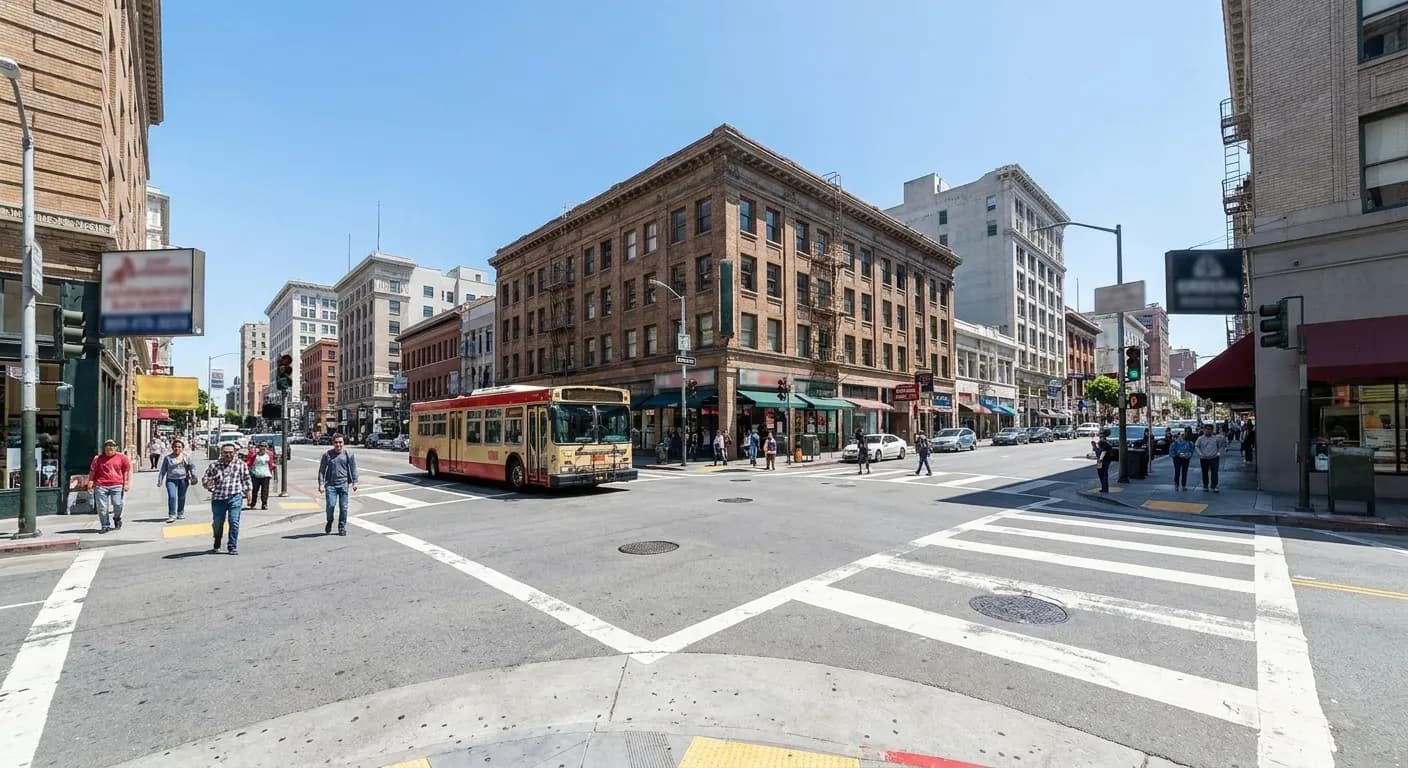
The main entrance and the free two-hour parking garage both sit on 13th Street, which locals call Division Street at this intersection. Folsom Street is the address, but if you're driving, you want 13th. The garage entrance is easy to miss because it's tucked between the building and the street corner. There's an additional overflow lot at 14th and Trainor if the garage fills up, which happens on weekend afternoons.
Bike parking clusters around the corner of 13th and Folsom, with racks directly in front of the 13th Street entrance and more spots just inside the parking garage. Muni access is dense: the 12, 14, 14R, 22, 27, 33, 49, 55, 9, and 9R all stop within two or three blocks. The 12 Folsom stops right at 14th and Folsom. The 49 Van Ness drops you at 14th and Mission, a four-minute walk.
The store opens at 9 a.m. and closes at 9 p.m. every day, including weekends. Early mornings see the smallest crowds and the fullest produce bins, since deliveries arrive overnight. Late evening can mean picked-over selection in popular items like heirloom tomatoes or specific apple varieties, but you'll walk the aisles in half the time. The co-op celebrated its 50th anniversary in August 2025 with a block party on Trainor Street, closing the surrounding streets for a few hours. That kind of neighborhood event happens occasionally, so check the website or call ahead if you're planning a trip during a major local festival.
Practical notes
Rainbow Grocery is located at 1745 Folsom Street at 13th Street in the Mission/SoMa border area. Hours are 9 a.m. to 9 p.m. daily. Free two-hour parking is available in the garage on 13th Street and in the overflow lot at 14th and Trainor. Bike racks are plentiful around 13th and Folsom. The store is vegetarian, carrying no meat or seafood, and all produce is certified organic. Seniors 60+ receive 10% off with ID. Spend $100 in a single department for 10% off that department; $200 for 15%; $400 for 20%. Bring reusable containers for bulk items and earn 5 cents off per container. Phone (415) 863-0620. Free parking enforced; cars over two hours may be towed.
Tags: #RainbowGrocery #WorkerOwned #FarmToTable #OrganicProduce #MissionDistrict #SanFranciscoFood #CoOpGrocery #FoodTraceability #LocalFarms #SustainableEating #BulkFoods #ZeroWaste #FolsomStreet #SoMaEats #FoodSafety
All trademarks are the property of their respective owners.
Ask Karpo first
Ask Karpo which San Francisco grocers display farm names on their produce bins, or where to find worker-owned food co-ops with transparent sourcing policies near the Mission and SoMa. Karpo tracks real-time inventory practices and can route you to stores that prioritize traceability.