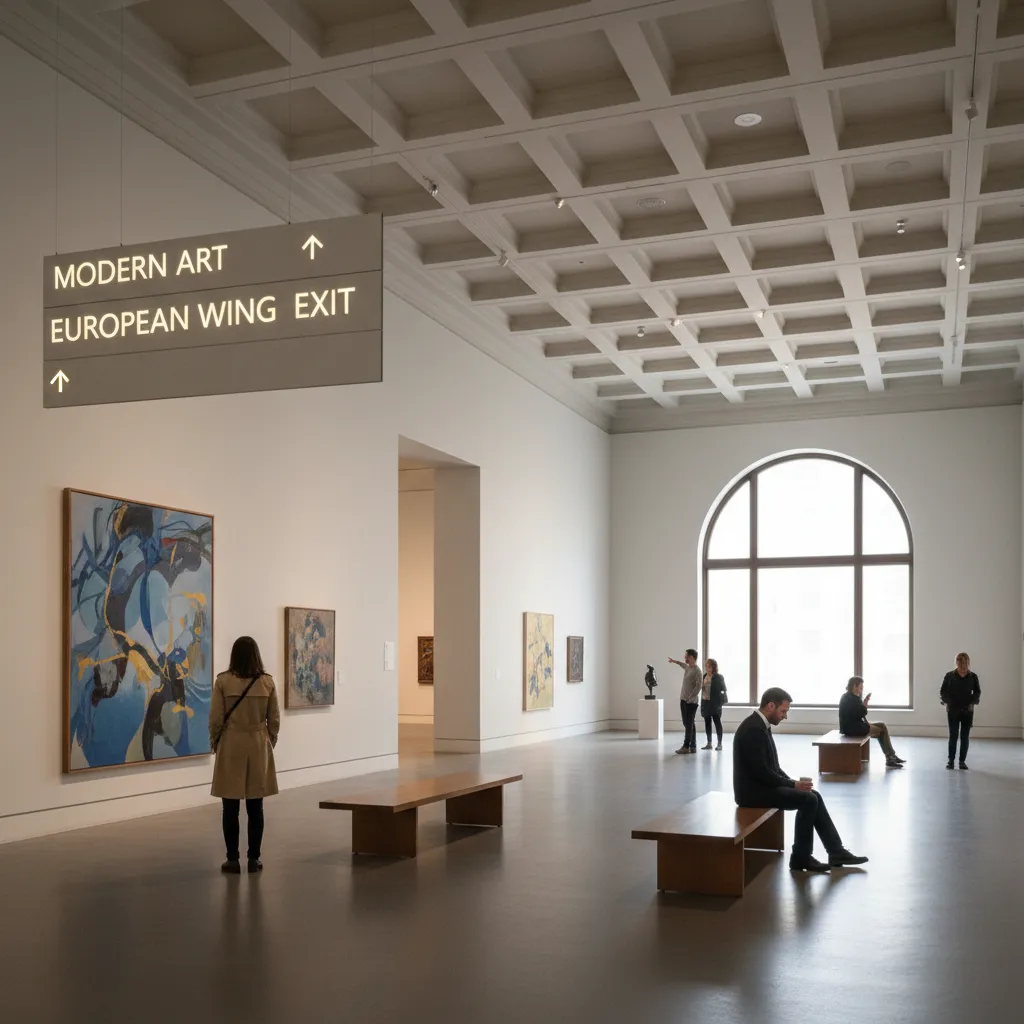
A good low-sensory museum day in New York starts before you buy the ticket. The city has major museums with accessibility teams, quieter gallery pockets, audio-description options, tactile programming, and neurodiverse visitor resources, but the usable version of that information is scattered across separate pages. This guide turns the search into a route: pick one museum, choose the lowest-friction arrival window, know where you can sit, and keep a backup indoor stop in mind when a weather heat wave makes outdoor decompression unrealistic.
Ask Karpo to turn Quiet New York Museum Hours For Low-Sensory Heat-Wave Breaks into a calmer live plan, with lower-crowd timing, reset stops, noise-aware backups, and the easiest exit if the room gets too much.

Start With The Access Page, Not The Exhibition Page
The most useful museum information is usually under Accessibility, Access Programs, or Visit, not on the blockbuster exhibition landing page. The Met, MoMA, the Whitney, the American Museum of Natural History, and the Brooklyn Museum all publish access information online, but each uses different language for sensory, mobility, hearing, and vision support. Before committing to a ticket, look for sensory maps, quiet-space notes, elevator advisories, large-print materials, assistive-listening details, and whether you need to reserve an access program in advance.
For adults who get overstimulated, this matters more than the headline show. A crowded special exhibition can be excellent and still be the wrong first stop. Permanent collection galleries, member mornings, weekday openings, and late-afternoon pockets often provide more control because you can move slowly, leave a gallery without losing a timed-entry slot, and sit between rooms. Treat the access page as your base layer, then use the exhibition page only to decide what is worth adding.
Choose A Museum By Recovery Space
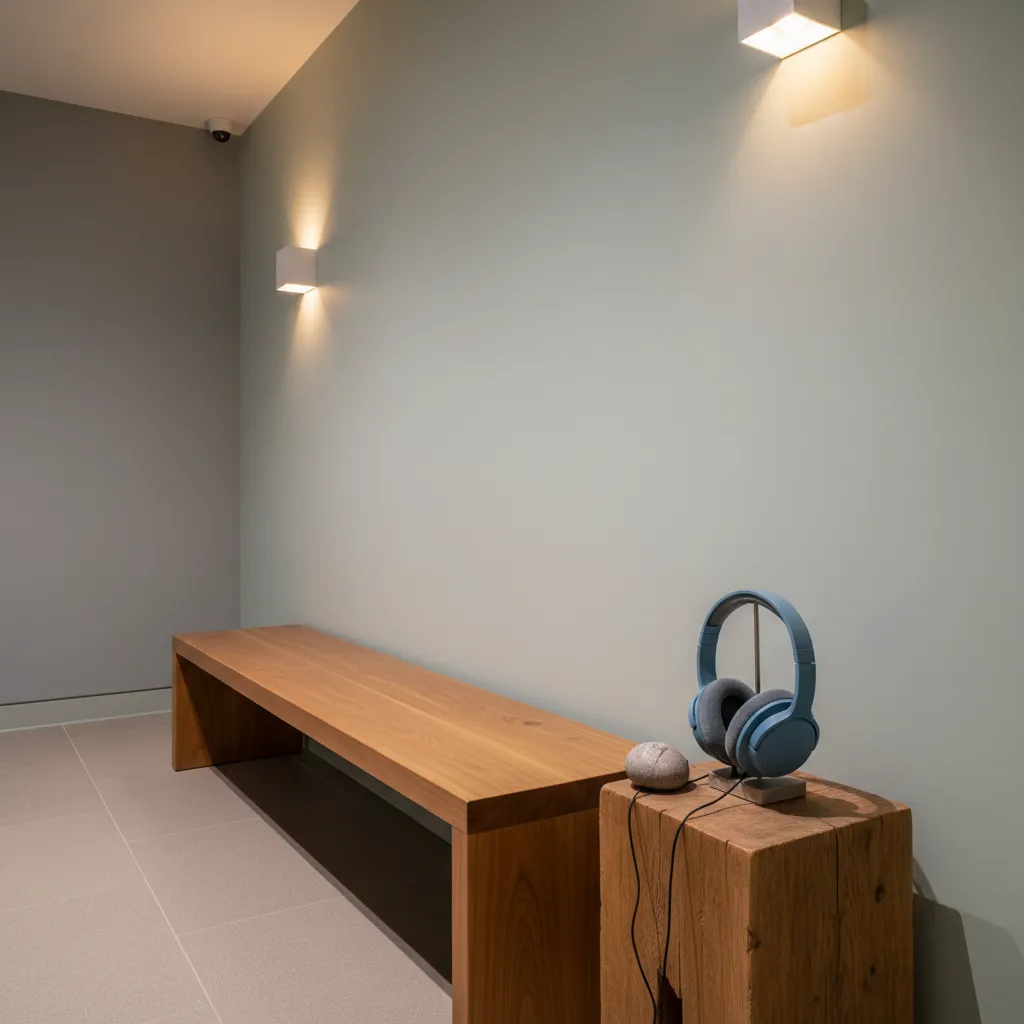
A low-sensory itinerary should be built around where you can recover, not just what you can see. The Met is large enough that a visitor can often move away from crowded exhibition rooms into quieter collection areas, though the scale also means more walking. MoMA is more vertical, so elevator planning and floor-by-floor pacing matter. The Whitney's compact building can be easier to navigate, but popular shows may concentrate crowds quickly. AMNH offers strong family and science appeal, yet school groups can change the sound level dramatically by hour.
The practical filter is simple: if a museum publishes clear accessibility contact details, use them. Send a short message asking about quietest days, seating, elevator status, and whether sensory tools or maps are available. A concise reply from staff is more reliable than an old blog post because staffing, entrances, and construction conditions shift. Keep that reply saved on your phone, especially if you may need to ask a guard where a quieter elevator bank or bench cluster is located.
Use Timed Entry Without Over-Scheduling
Timed entry helps with crowd management but can create pressure if your subway line stalls or an elevator is out. Build a 30-minute buffer before the ticket window, and avoid stacking two museums in one day unless they are very close. If you are using the MTA, check elevator status before leaving and again as you approach the station; an accessible station on paper is not always a usable station that hour.
For heat-wave days, favor museums near indoor food courts, public atriums, libraries, or hotel-lobby-adjacent blocks where you can cool down without immediately re-entering the street. Midtown and the Upper East Side are easier for this than some outer-borough cultural clusters, but Brooklyn and Queens can work well when you plan around one institution and one nearby cafe rather than a multi-stop march.
A Sample Low-Sensory Order
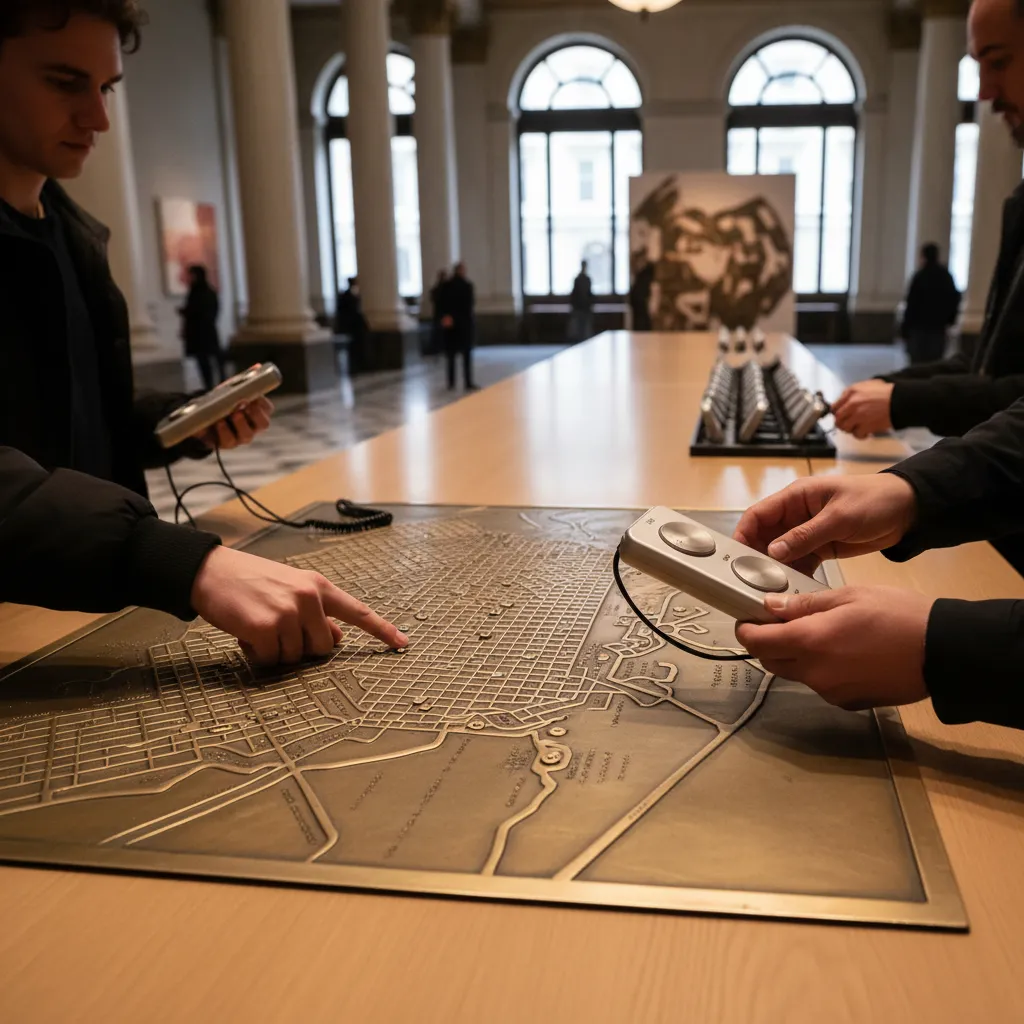
Start with the museum's least crowded permanent-collection floor, then move toward the exhibition only after you know where the restrooms, elevators, and benches are. Spend the first 20 minutes orienting instead of trying to see the most famous room. If the museum offers an audio guide, use one earbud or the device at low volume so you can control input rather than absorbing every label and conversation around you.
Leave before you are completely depleted. The cleanest museum day often ends after 90 minutes, not three hours. If you still have energy, add a quiet cafe, library reading room, or public atrium nearby. If not, leave with one highlight and no crash. For visitors managing sensory load, that is not a compromise; it is the difference between a cultural stop and a day that becomes physically expensive.
Pair Each Museum With A Non-Museum Reset
A strong low-sensory plan names the reset stop before the museum day begins. Near the Met, that may mean a bench break on a quieter side street, a nearby cafe outside peak lunch hours, or a bus ride instead of a crowded subway transfer. Near MoMA, it may mean a Midtown public atrium or hotel-lobby-adjacent pause where you can sit upright, drink water, and decide whether to continue. Near the Whitney, the High Line can be beautiful but exposed and busy, so a calmer indoor option may be better on hot or rainy days.
This reset stop should not be framed as a reward after you finish the museum. It is part of the access plan. Put it in the calendar, share it with anyone joining you, and agree that leaving early is allowed. If you are visiting with a partner or friend, give them a clear signal for when you need to exit a gallery. The smoothest low-sensory outing is not the one that sees the most art; it is the one where the visitor still has enough bandwidth to get home comfortably.
Practical Notes
Verify the museum's current access page, ticket rules, bag policy, and elevator advisories on the day you go. Weekday mornings are usually easier than school-break afternoons, but holidays, member previews, and weather events can reverse the pattern. Carry water, noise-reducing earbuds, and a short written note of what you need if speaking to staff is hard in the moment.
Tags: #quietmuseumhours #sensoryfriendlynyc #nycmuseums #lowsensorytravel #accessibleculture #nycaccessguide #heatwaveplans #mtaaccessibility #museumday #calmnyc #karpocityguide #neurodivergenttravel
Sources consulted: The Met Accessibility · MoMA Accessibility · Whitney Museum Access · American Museum of Natural History Accessibility · Brooklyn Museum Accessibility · MTA Accessibility
All trademarks are the property of their respective owners.
Ask Karpo first
Want the quietest museum choice for your body, your subway line, and today's weather? Ask Karpo for a low-sensory NYC museum plan with arrival timing, backup seating, and a route that keeps exits easy.


