Koreatown is where Los Angeles goes to be loud. That is a compliment — the barbecue rooms, the karaoke floors, the late fried chicken and the plaza bars are the neighbourhood's best argument for itself. But it makes a specific kind of evening almost impossible to plan: the dinner where two or four people actually want to talk. Searching quiet dinner near me here returns the same crowded rooms as every other search, because nobody records noise. These are the categories that work.
A restaurant's noise level is the single least documented thing about it and the one that decides whether a dinner works. Tell Karpo the kind of conversation you are trying to have and where you are, and it will steer you toward rooms you can actually hear in.
Why Koreatown is loud, structurally
The noise is not incidental. Barbecue rooms have extraction hoods over every table, which is a constant mechanical roar before anyone speaks. Hard surfaces — tile, glass, concrete — are standard because they are easy to clean in a room full of grills. And the neighbourhood's dining rhythm runs late and communal, so a room fills with large groups rather than pairs.
Understanding that tells you what to avoid rather than what to seek: any room with table grills, any room with a hard ceiling and no soft surfaces, and any room that is busiest between eight and eleven, which is most of them.
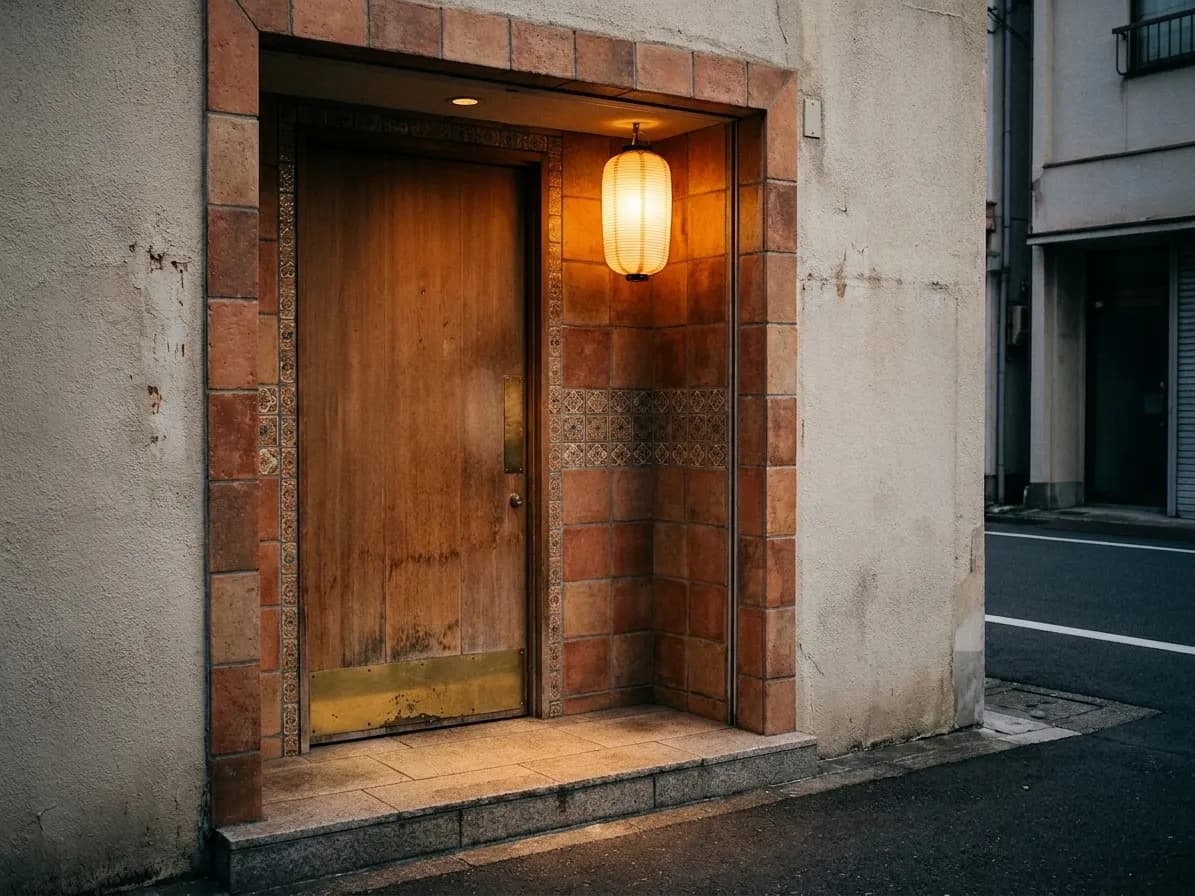
The categories that are actually quiet
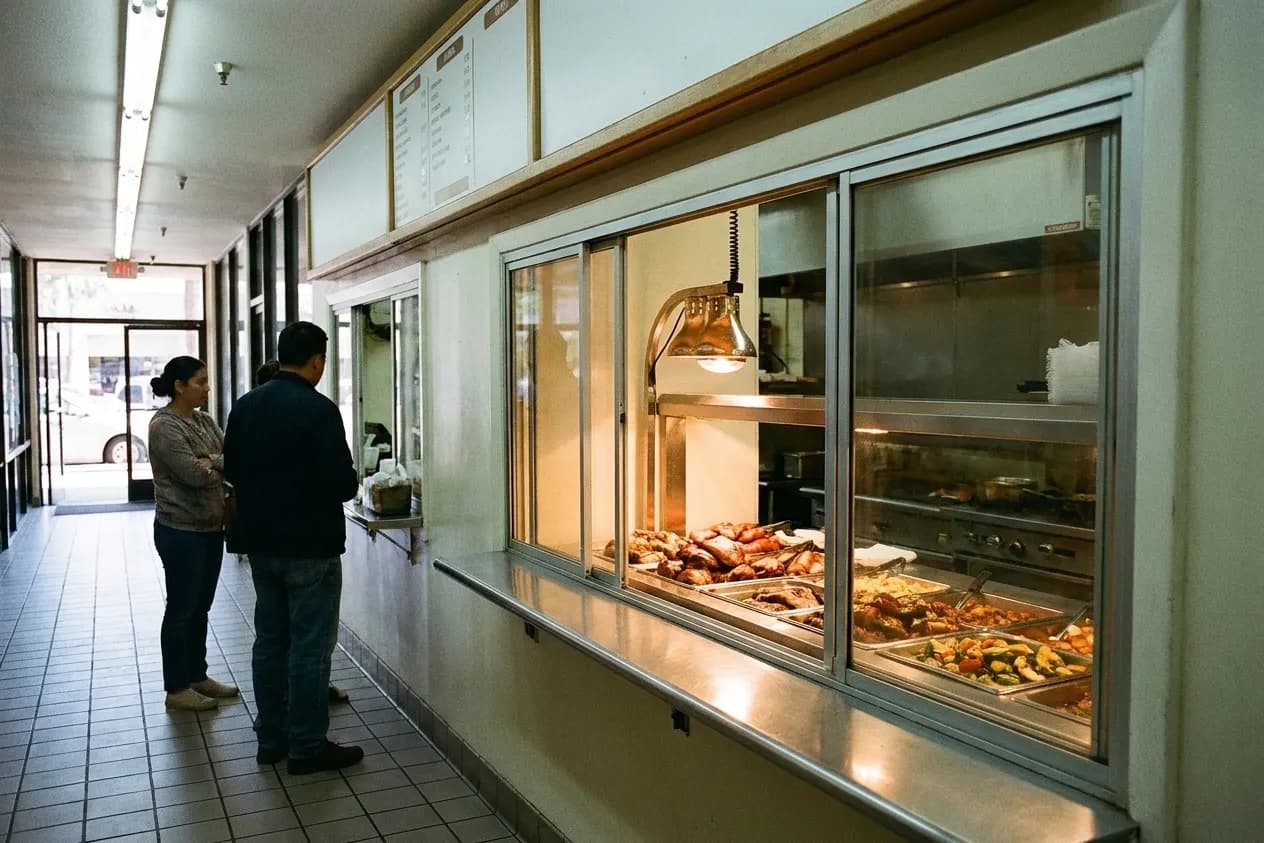
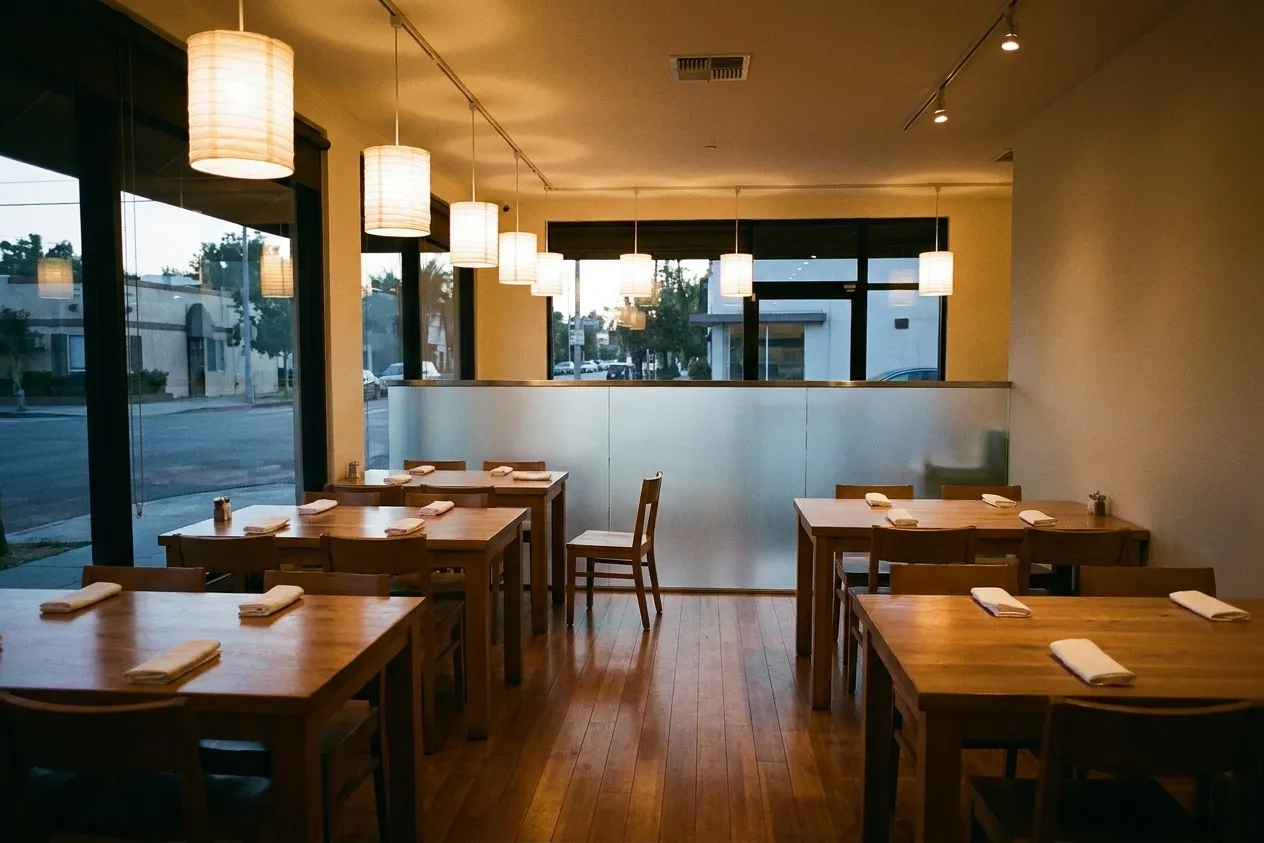
Four kinds of Koreatown restaurant reliably let you hear each other. Small owner-run kitchens doing one thing — knife-cut noodles, a soup, dumplings — where the room holds twenty people and turns over fast. Japanese restaurants in the neighbourhood, which are numerous and follow a completely different acoustic convention. Older banquet-style rooms with carpet, partitions and private alcoves. And, increasingly, the modern Korean dining rooms that were designed with acoustic treatment because the owners were tired of shouting too.
Private rooms are the most underused option in the neighbourhood. A surprising number of mid-sized Korean restaurants have partitioned rooms available at no extra charge for four or more, and they are almost never offered unless you ask when booking. That one question changes the entire evening.
Timing is half the answer
The same restaurant is a different room at different hours. Six o'clock in Koreatown is genuinely calm nearly everywhere, including in the barbecue houses, and the food is identical. If you can eat early, you can eat anywhere. After nine, only the structurally quiet rooms stay quiet.
Weeknights compound the effect. Monday through Wednesday in this neighbourhood are noticeably softer than the weekend, and several of the better small kitchens are at their best then because the owner is cooking rather than managing a full house.
How to ask about noise without being strange
Restaurants answer this question well if you ask it concretely. Rather than 'is it quiet', ask whether they have a table away from the kitchen and the door, whether the room has grills at the tables, and whether there is a partitioned or back section. Those are operational questions with real answers, and any host can answer them.
If you arrive and the room is wrong, the corner table by a wall is materially quieter than the middle of the floor, and asking to move before you sit is easy while asking afterwards is not. In a neighbourhood with this much choice within two blocks, walking out and going next door is also entirely reasonable.
What to order in the quiet rooms
The quiet categories reward different ordering. In the small noodle and soup kitchens, one dish per person plus a shared side is the correct shape and the meal arrives fast. In the older banquet rooms, the set menus are usually better value than ordering individually and are designed to arrive in sequence rather than all at once — which is itself part of what makes the evening feel unhurried.
And if the conversation is the point, skip the soju bottle for the table. Koreatown's drinking culture is generous and communal, and it is wonderful, but it belongs to a different evening than the one where you are trying to talk to someone properly.
Where to go afterwards
The second half of a quiet Koreatown evening is easier than the first, because the neighbourhood's dessert cafés are built for sitting and talking. Bingsu rooms and Korean bakery cafés stay open late, are carpeted or upholstered often enough to absorb sound, and are full of people doing exactly what you are doing. They are also alcohol-free, which makes them the most underrated late option in this part of Los Angeles.
If you want one more drink instead, the small upstairs bars in the plazas are consistently quieter than anything at street level — a single flight of stairs filters out most of the crowd, and the rooms up there tend to hold twenty people rather than a hundred. Ask for a table rather than the bar and you will still be able to hear each other at midnight.
Tags: #LosAngeles #Koreatown #QuietDinner #DateNightLA #KoreanFood #LADining #KTown #WhereToEatLA #LAFoodie #HiddenGems #DinnerInLA #LAEats #ConversationFriendly #SmallRooms
Sources consulted: discoverlosangeles.com · publichealth.lacounty.gov · metro.net
All trademarks are the property of their respective owners.
Ask Karpo first
Noise levels, private-room availability and how a room sounds at a given hour are things no listing records and every diner cares about. Ask Karpo which rooms near you are calm right now, which have a back section you can book, and what time they fill — it answers in iMessage while you are still choosing.