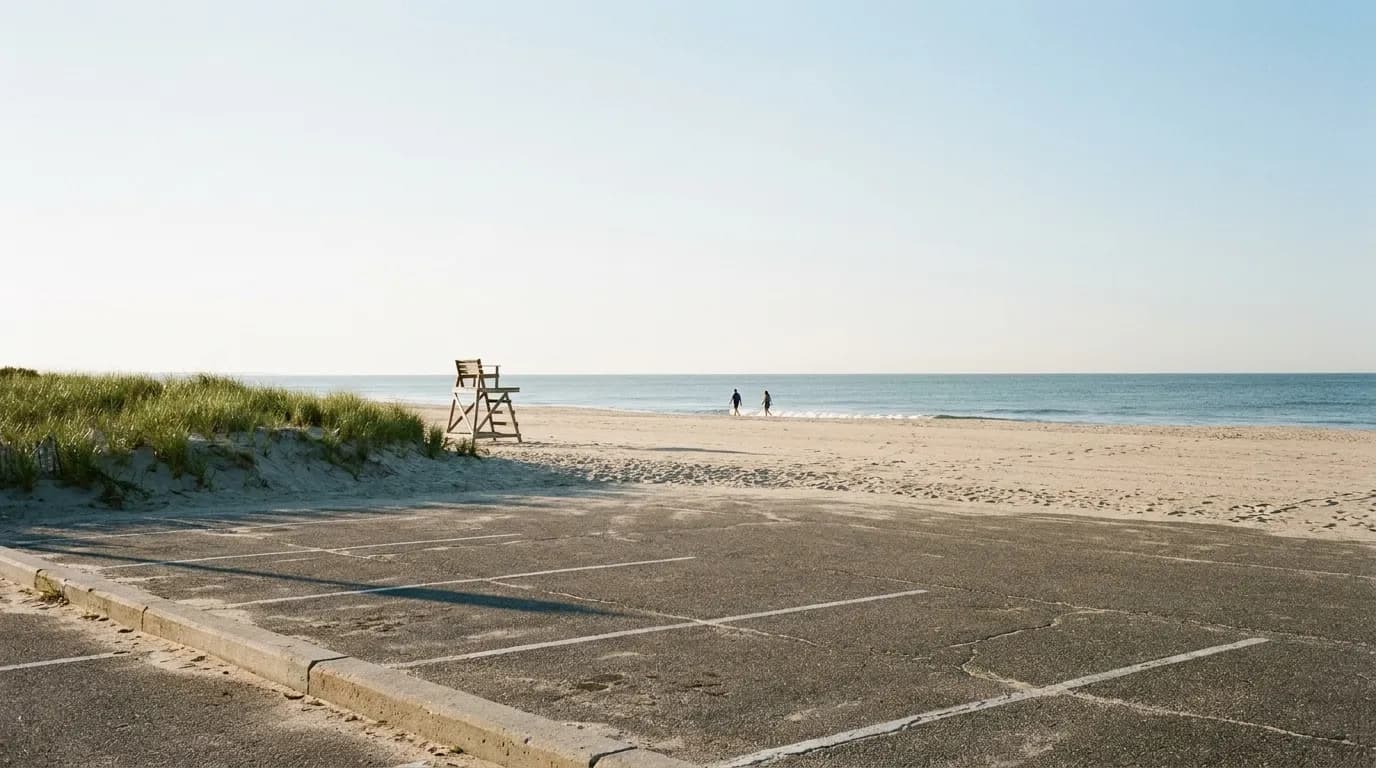
Beach near me in New York returns the same four ocean beaches every time, and all four are genuinely good and genuinely full. What the search never surfaces is that the city has roughly five hundred miles of shoreline, and most of it faces a bay or a sound rather than the Atlantic. Those shores are quieter by an order of magnitude, free, and reachable on public transport. They also come with real caveats about swimming that nobody puts in a listing, so this is a guide to both the places and the limits.
Karpo can tell you which of these is actually swimmable today, where the lifeguards are posted this season, and how long the trip really takes without a car.
Bay and sound are not the same as ocean
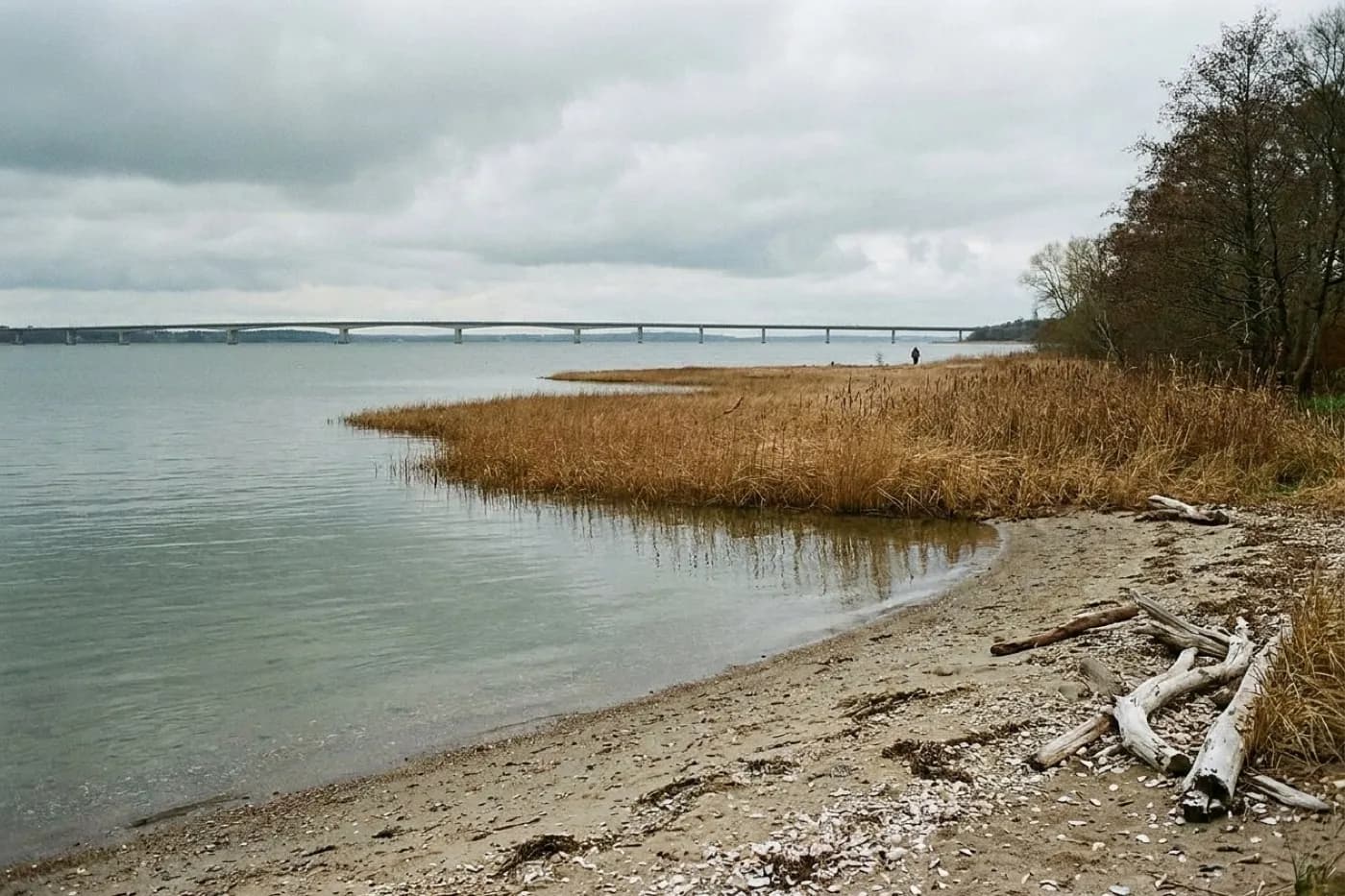
The distinction matters practically, not just geographically. Bay and sound shorelines have smaller waves, warmer and shallower water, more shell and stone in the sand, and far more wildlife. They are better for walking, birdwatching and sitting, and frequently worse for swimming — several have strong tidal currents, boat traffic, or simply no lifeguards, which in New York City means swimming is not permitted rather than merely unwise. The rule to carry through everything below is simple: swim only where there is a lifeguard posted and the beach is signed as open, and treat everywhere else as a place to walk. That is less of a compromise than it sounds; the walking on these shores is genuinely better than on the ocean beaches, and it works in every month of the year.
Plumb Beach, Brooklyn
A narrow crescent of sand on Rockaway Inlet, part of the federal park system, with its own free car park directly off the Belt Parkway and almost nobody on it. It is a birdwatching and horseshoe crab site of genuine significance — in late spring the crabs come ashore to spawn in numbers, and it is one of the best places in the city to see it. It is also explicitly not a swimming beach: there are no lifeguards, the currents in the inlet are serious and the water quality is variable. Go for the walk, the birds and the extraordinary quiet twenty minutes from Midtown. There is a cycle path along the parkway edge that connects it toward Sheepshead Bay, which makes it an easy add to a longer ride.
Manhattan Beach and the Brooklyn shoreline
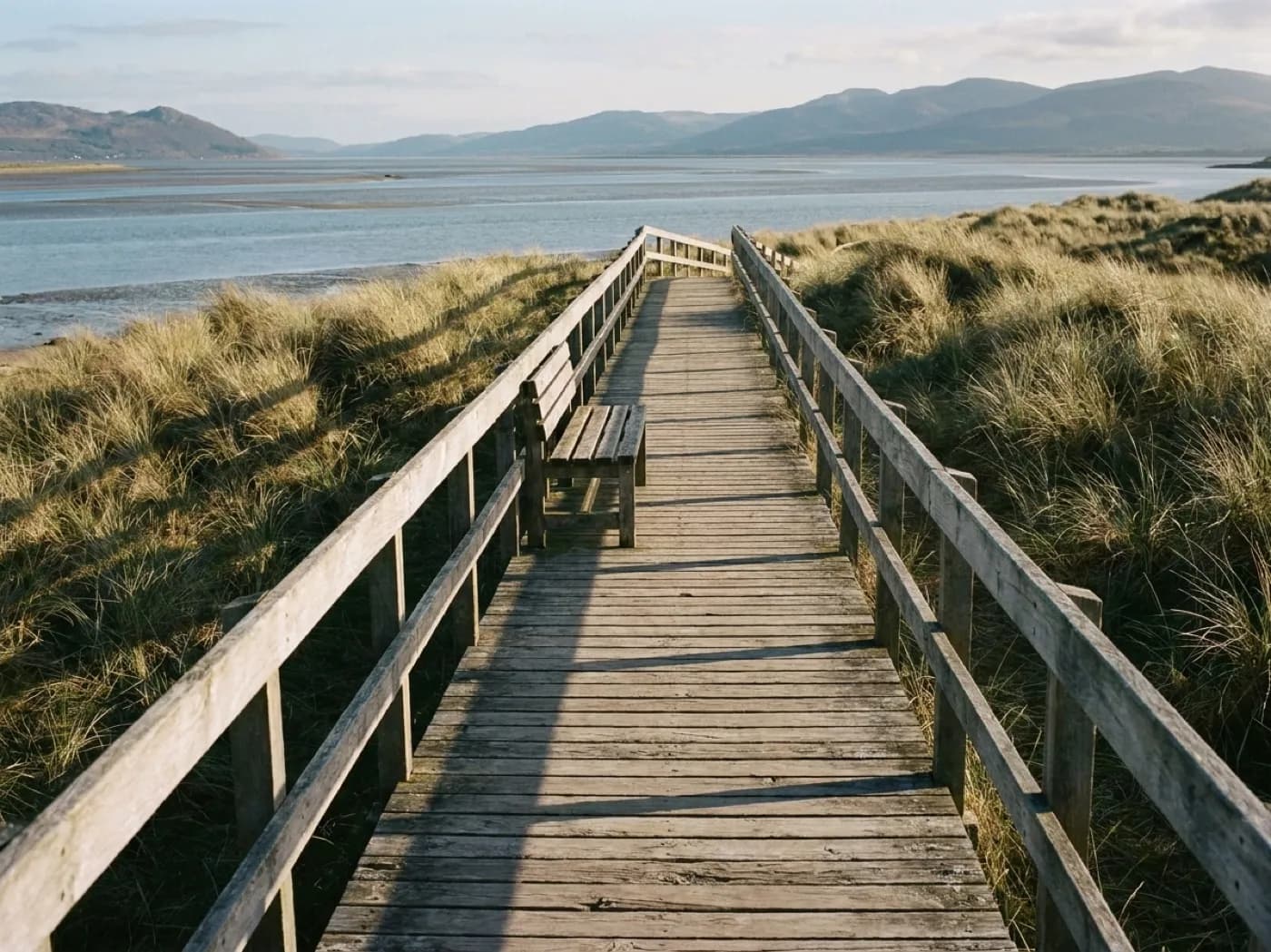
The small city beach at the eastern end of the Coney Island peninsula is the quiet alternative to its famous neighbour: lifeguarded in season, surrounded by a residential neighbourhood rather than an amusement park, with grass, trees and a fraction of the crowd. It is genuinely swimmable during the lifeguard season and genuinely pleasant outside it. The walk east along the shoreline from Brighton Beach is one of the best flat walks in the city and takes you from the busiest sand in New York to the emptiest in about thirty-five minutes. Do it in that direction rather than the reverse, so the crowds thin as you go rather than building.
Staten Island: Wolfe's Pond and Great Kills
The south shore of Staten Island is the most under-used coastline in the city. Wolfe's Pond Park has a beach on Raritan Bay with a freshwater pond and woodland directly behind it, and Great Kills Park, part of the same federal park system, has several miles of shoreline, marsh and a marina, with lifeguarded swimming areas in season. Both are quiet even on a hot Saturday. The ferry is free and the trip from the terminal is a bus or a train ride, which makes this the cheapest day at the beach available in New York. Both parks have proper woodland behind the sand, which is unusual in the city and makes them work in cool weather too.
The Bronx and Queens on the Sound
Orchard Beach in Pelham Bay Park is the Bronx's mile-long crescent on Long Island Sound, lifeguarded in season, enormous, and almost empty outside July and August. Behind it, Pelham Bay Park is the largest park in the city and has genuine woodland and salt marsh in it. On the Queens side, the shoreline parks around Fort Totten and Little Bay look across the Sound under the Throgs Neck Bridge and are for walking rather than swimming. All of these are a long way from the tourist map and none of them are difficult to reach. Orchard Beach in particular is worth seeing in October, when the crescent is empty and the Sound is still warm.
When to go, and what to bring
The season is the thing most people get wrong. City lifeguard seasons are short — broadly late June to early September — and outside them these beaches are open for walking but not for swimming. The best months for the bay shorelines are actually May, September and October, when the light is better, the water is still warm and the crowds have gone. Bring shoes you do not mind getting wet, since these shores are shell and stone rather than soft sand, and bring water: the facilities are limited to non-existent at several of them.
Practical notes
Swim only at lifeguarded, signed-open beaches during the posted season, which in New York City runs roughly from late June to early September. Plumb Beach and the Fort Totten shoreline are not swimming beaches. Water quality after heavy rain is worse across all urban shorelines; advisories are published by the city. Plumb Beach and Great Kills have free parking; Manhattan Beach and Orchard Beach charge in season. The Staten Island Ferry is free. Seasons, lifeguard postings and access rules change year to year, so confirm before planning a swim.
Tags: #BeachNearMe #NYC #Brooklyn #StatenIsland #TheBronx #Queens #PlumbBeach #WolfesPond #GreatKills #OrchardBeach #ManhattanBeach #FreeNYC #QuietPlaces #NYCOutdoors
All trademarks are the property of their respective owners.
Ask Karpo first
Want to know which shoreline is worth the trip today and whether you can actually swim? Ask Karpo for lifeguard status and water advisories near you, the real travel time without a car, and a walking route along the shore once you get there.