The constraint on a Miami lunch break is not the kitchen, it is the car. In most of the county, going out for lunch means driving somewhere, parking, eating and driving back, and the eating is the shortest part of that. Solving the problem is mostly about choosing formats and locations that remove the driving, and Miami has more of both than its reputation suggests.
Forty minutes goes a lot further at the right counter. Ask Karpo what is quick and close right now.
The formats that are structurally fast
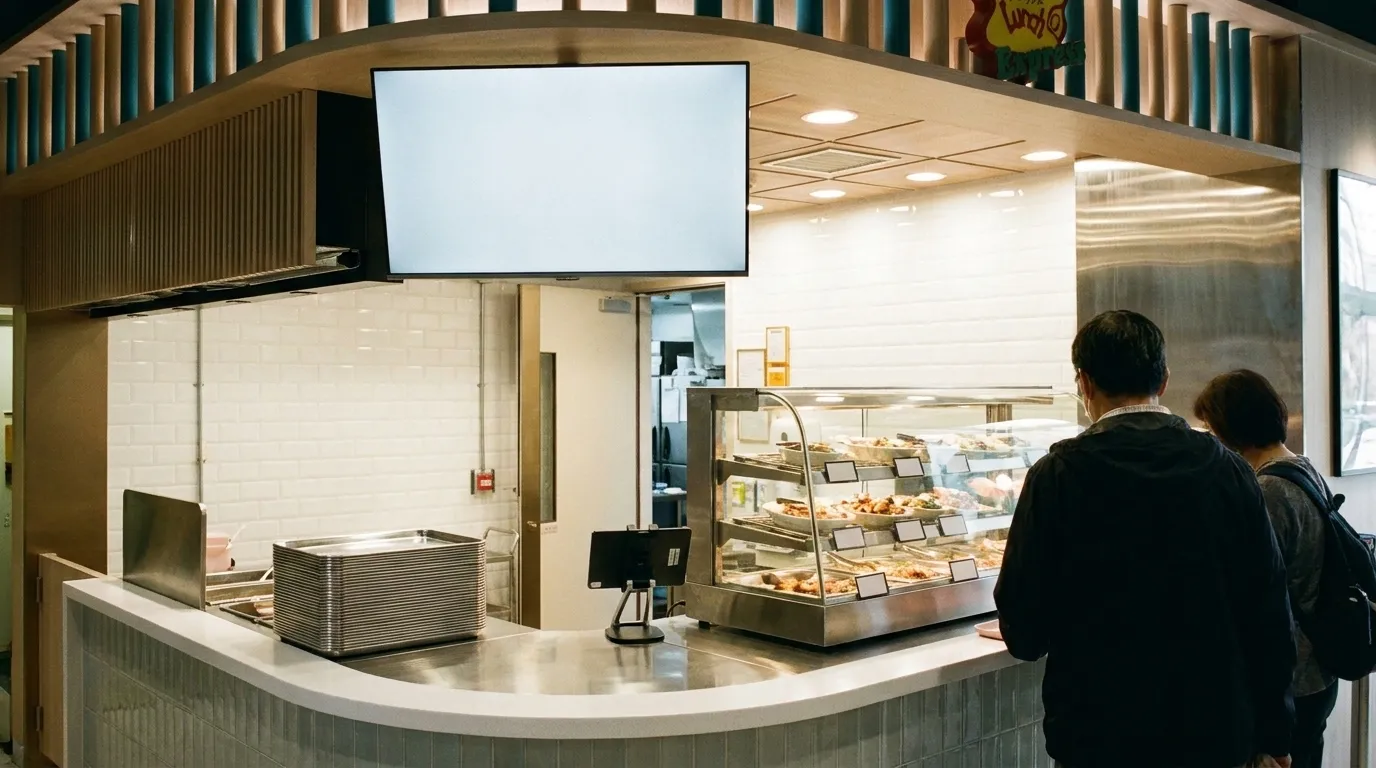
The fritanga and the steam-table counter — point, weigh, pay, sit — are the fastest hot meals in the county and are entirely made for this. The ventanita, the walk-up window at a Cuban cafeteria, will produce a Cuban sandwich, croquetas and a cafecito in about two minutes. The plancha counter takes ten to fifteen minutes and produces a proper plate of grilled protein, rice, beans and salad.
Slow formats are the ones where each order is composed individually: build-your-own bowls with a dozen choices, anything from a limited fryer, and any place where one person is both taking orders and cooking. The tell is whether the queue is moving. A twenty-person line at a fritanga is six minutes; a six-person line at a made-to-order bowl counter can be fifteen.
The walkable districts
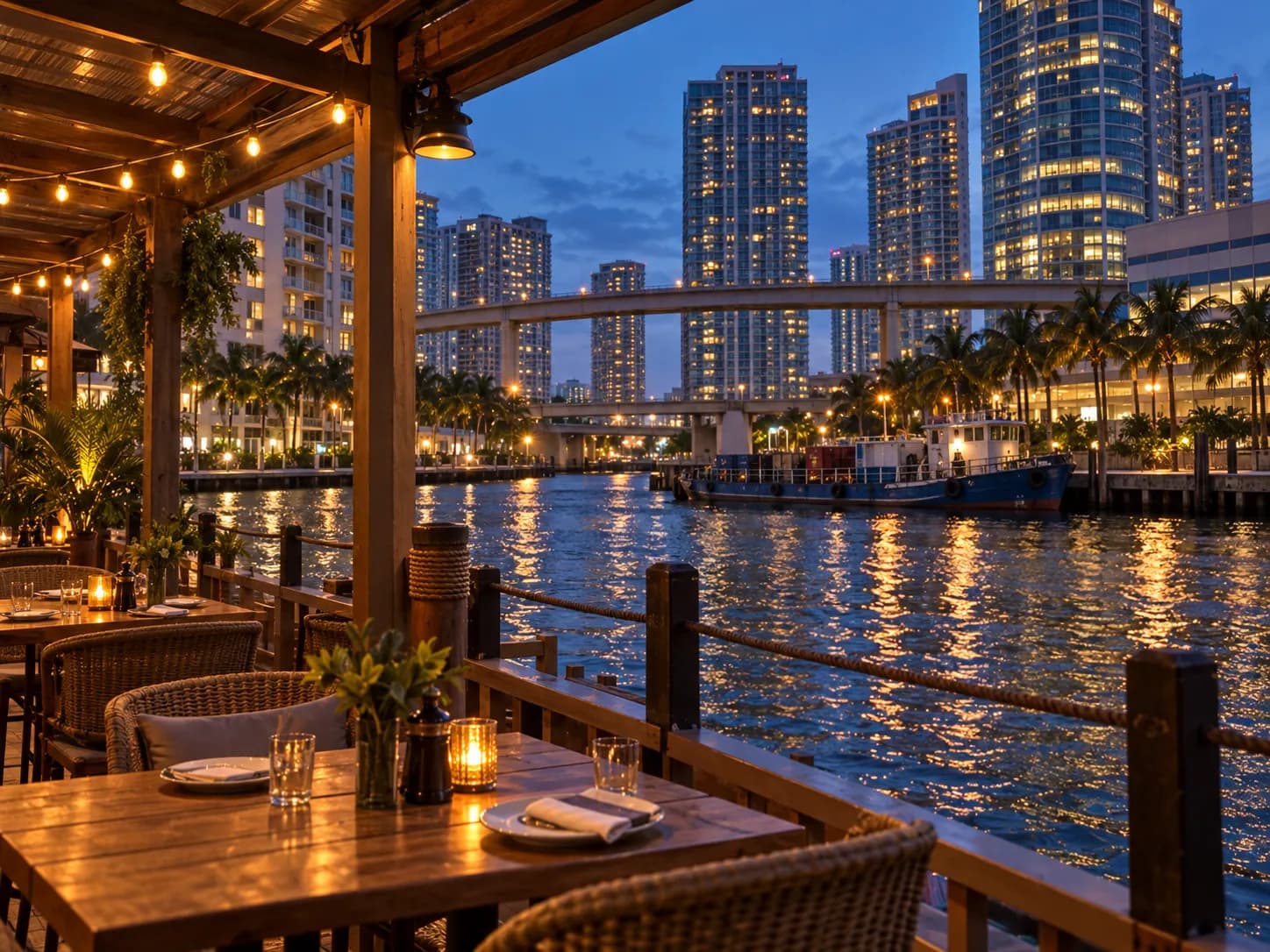
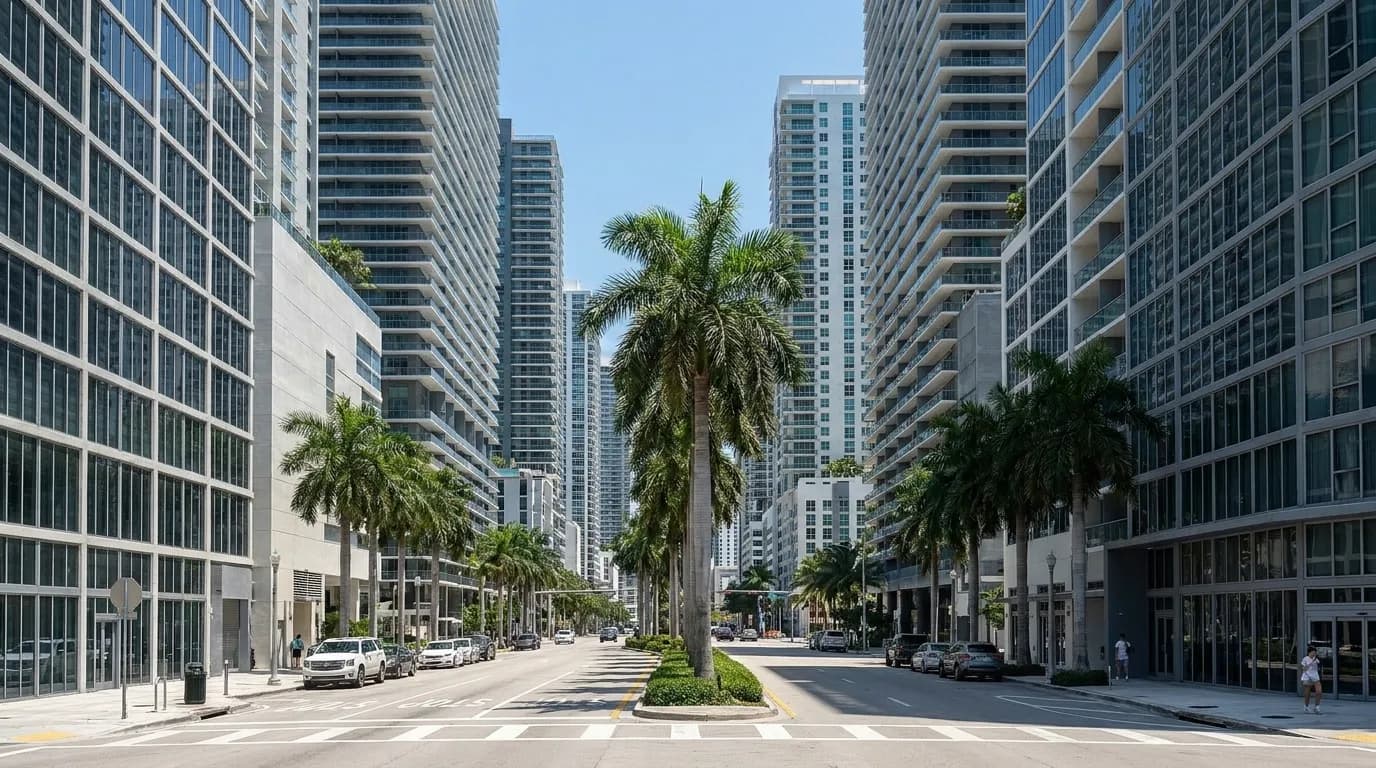
Brickell and Downtown are the only parts of Miami where a lunch break can realistically be done on foot, and there the density is genuinely good: Peruvian and Colombian counters, Japanese and Nikkei rooms, Venezuelan arepa shops, Mediterranean counters and a large concentration of the quick-healthy chains, all within a few blocks. Coral Gables along Miracle Mile is the other genuinely walkable option.
Everywhere else, the practical unit is the strip or plaza rather than the neighbourhood: a single commercial strip with six or eight counters, where one parking decision covers all of them. Wynwood, the Design District, Doral's business parks and the Kendall and Westchester plazas all work this way.
Eating at your desk, better
If lunch has to happen at a desk, two habits improve it enormously here. The first is buying from a bakery in the morning — a Cuban or Venezuelan panadería will sell you a sandwich and a pastry for a few dollars on the way in, made that morning, which is better than anything you will find at one o'clock in a hurry. The second is the shared order: one person collects from a fritanga for four people, which costs less per head than any individual delivery and takes one trip instead of four.
Timing
The Miami lunch peak is roughly twelve-fifteen to one-fifteen and it is sharp. Going at eleven-forty-five or after one-thirty changes the wait at almost any counter by a factor of three or four, and it is the highest-leverage change available. It also means the food is fresher at the steam-table places, because you are eating from a tray that has just come out.
There is a second lull between about twelve-fifty and one-ten, when the first wave has been served and the second has not arrived. If you cannot go early, going fifteen minutes later than everyone else is nearly as effective.
Ordering ahead
Calling ahead is underused at Miami's independents, most of which will have a plate boxed and waiting fifteen minutes after you ring. This removes the queue entirely and gets you the restaurant's real menu rather than a delivery platform's, which is usually shorter and always more expensive. In a county where you are driving anyway, this turns a forty-minute lunch into a twenty-minute errand.
Delivery is the alternative and it is a worse trade here than in a dense city. Long distances mean long trips, the humidity means fried food arrives soft, and the platform fees plus menu mark-up erase the price advantage of the cheap counters that are the whole point.
The food-hall option
Miami's food halls are underrated as a lunch solution because they solve the group problem and the parking problem at once. One arrival, one car park, and six or eight independent counters around shared seating, which means a table of colleagues eats six different things without a negotiation. The largest concentrations are in Wynwood, downtown and along the Beach, with more in Doral and the Gables. The trade is that you claim a table first and order second, so one person stays put while the rest queue — which for a group of four or more is still faster than any restaurant.
The ventanita lunch
Worth naming separately because it is the fastest good meal in the city and almost nobody outside Miami knows about it. A ventanita will make a pressed Cuban sandwich, a pan con bistec or a plate of croquetas in a couple of minutes, and the cafecito that comes with it is the local equivalent of the afternoon coffee everyone is going to buy anyway. Total time from car to eating is under five minutes at most windows.
The order to know: a cafecito is a small sweet espresso, a cortadito adds steamed milk, and a colada is a large one with thimble cups to share with the office. Bringing a colada back for the team is a Miami workplace ritual and costs a few dollars.
Practical notes
Watch how fast a queue moves rather than how long it is. Shift lunch fifteen minutes either side of the peak. Call ahead at independents, which almost nobody does. Parking is free at the strip plazas and metered in Brickell, Wynwood and the Gables. Cash is still faster at ventanitas and the smallest counters. And note that portions at the Latin counters are large — a single plate frequently does two lunches, which makes the next day's problem disappear as well.
Tags: #Miami #MiamiFood #QuickLunch #LunchNearMe #Brickell #CoralGables #Wynwood #Doral #Kendall #Ventanita #PlacesToEat #FoodNearMe #MiamiEats #LunchBreak
All trademarks are the property of their respective owners.
Ask Karpo first
Want to know which counters near you are moving fastest right now, which take a call-ahead order, and where you can actually park? Ask Karpo before you leave the desk.