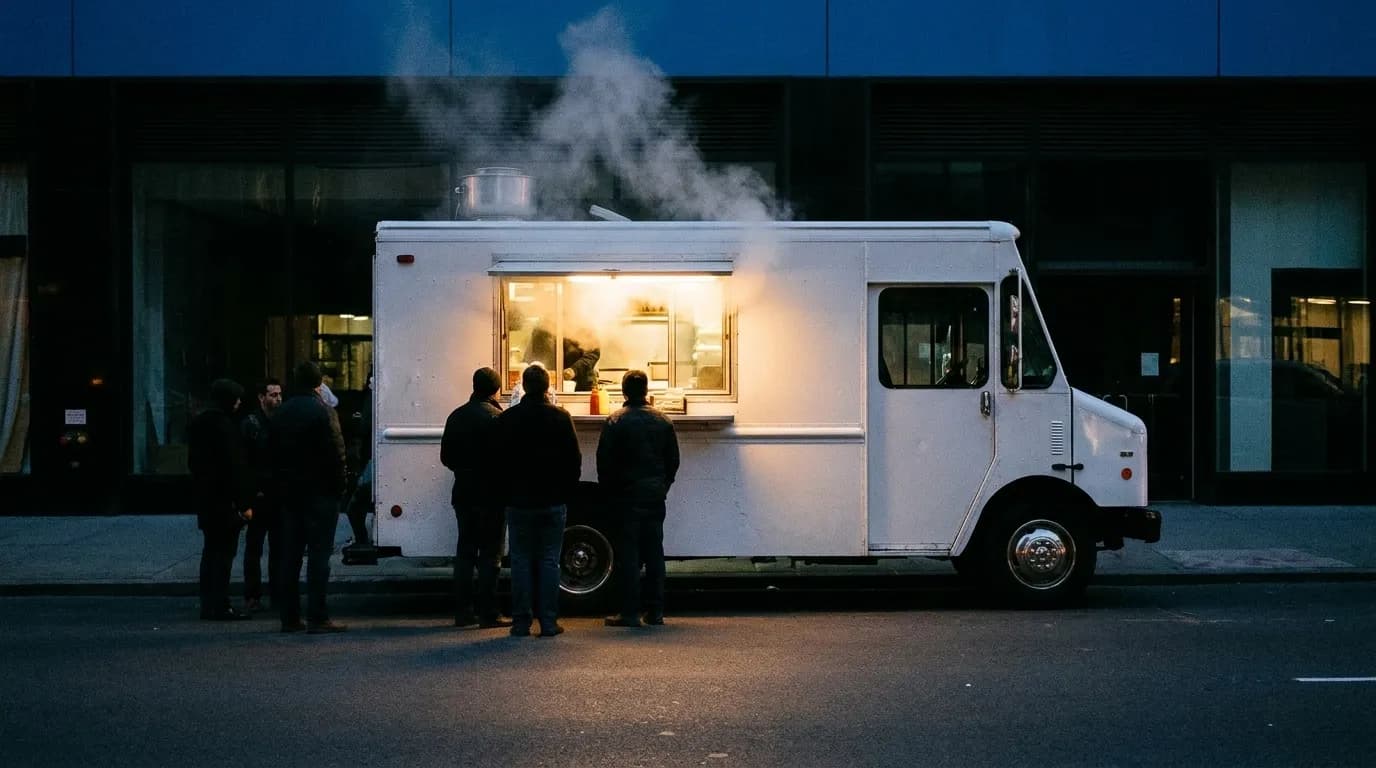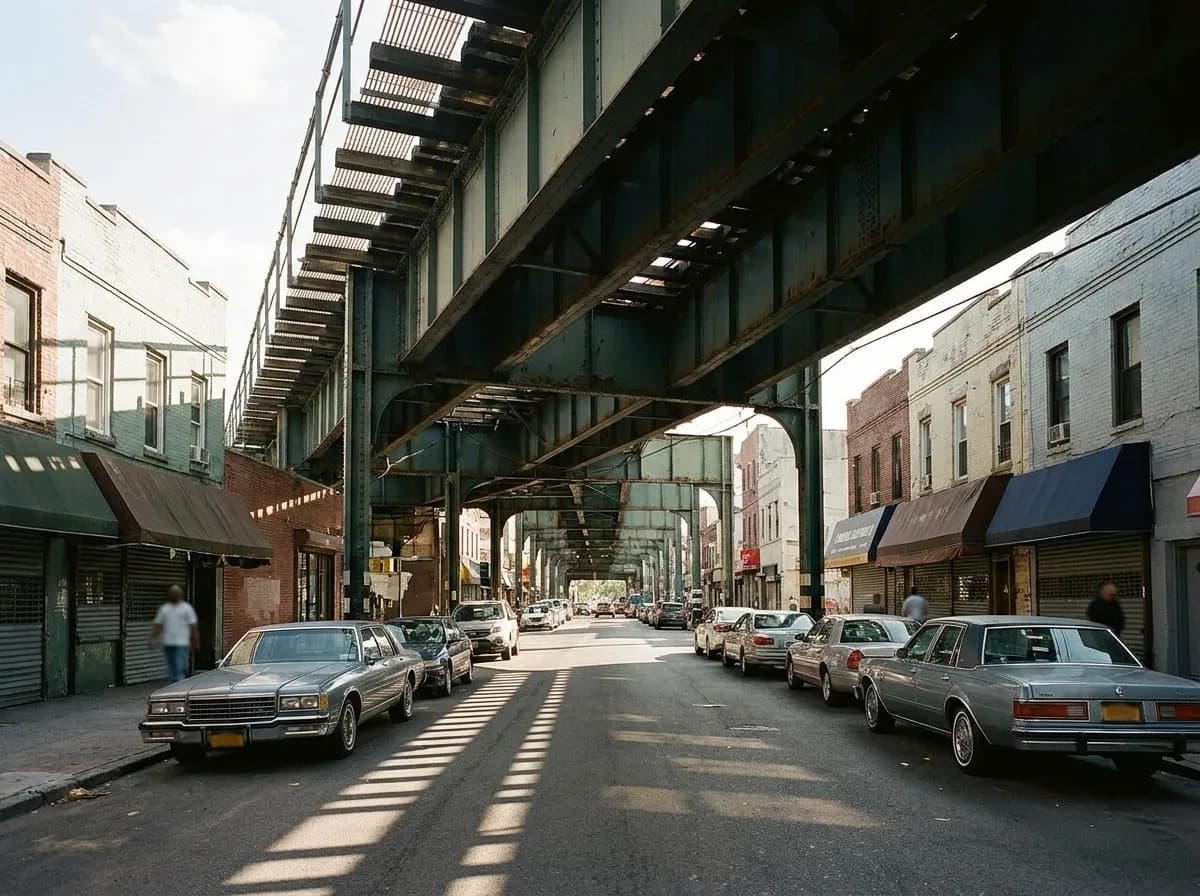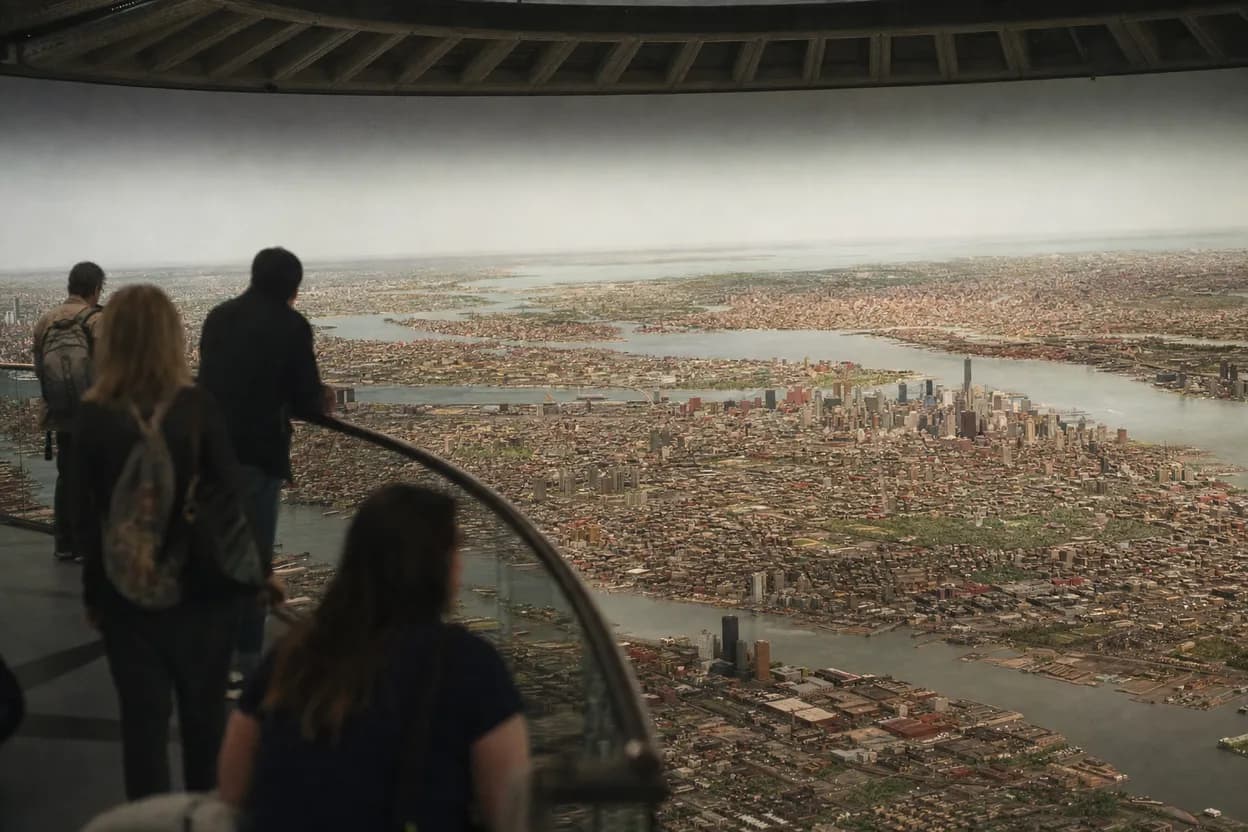
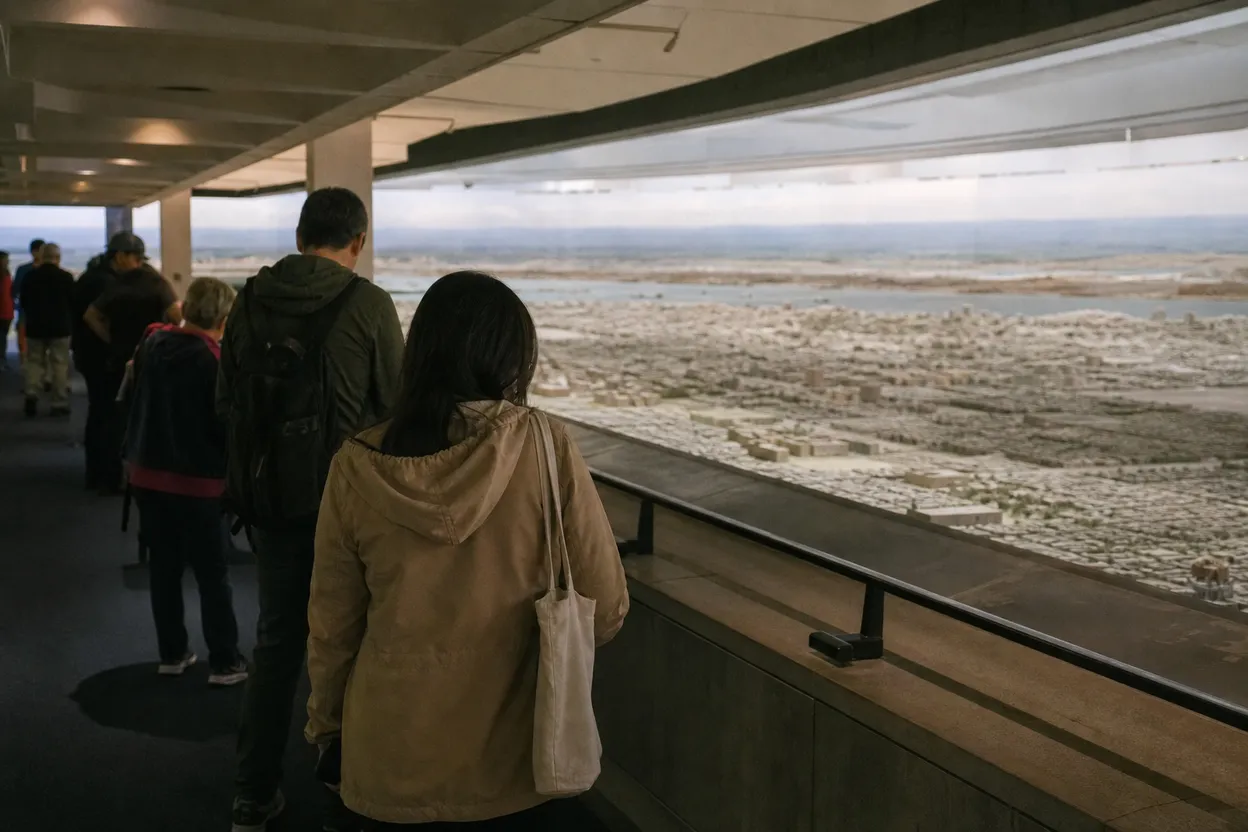
The Panorama of the City of New York is not a generic museum stop. It is a giant-city detour for people who love maps, bridges, borough edges, infrastructure, scale, and the pleasure of finding real places in miniature. The Queens Museum describes the Panorama as a long-term-view collection highlight. Built for the 1964-65 World’s Fair, it covers 9,335 square feet at 1:1200 scale, where one inch equals 100 feet. If that makes you want to hunt for your block, airport, bridge, school, or childhood neighborhood, the trip has a clear purpose. If not, the Queens crossing needs sharper planning.
Want to know if the Queens detour fits your day? Text Karpo with your starting point, museum window, and map tolerance, then verify current hours.
What The Object Actually Is
The Queens Museum’s official Panorama page describes a full-city scale model assembled across 273 sections and representing the 320 square miles of New York City. It includes the five boroughs, every street, every park, about 100 bridges, and buildings constructed before 1992, with later additions made through ongoing updates. That makes it a viewing experience, a civic artifact, and a practical geography lesson in one room.
The scale is the point. Manhattan alone measures about 70 by 15 feet, the Empire State Building rises 15 inches, and the Statue of Liberty is only 1-7/8 inches tall. The model turns a familiar city into something readable from above, where distance, density, waterways, airports, parks, and borough shape become visible together. Go expecting slow comparison, not a single famous object to check off quickly.
Who Will Actually Enjoy It
The strongest audience is specific: map people, transit watchers, urbanism students, architecture fans, neighborhood loyalists, walkers, and visitors who like matching memory to physical space. The Panorama offers fixed scale and shared viewing, unlike a phone map that changes with every pinch. It suits people who enjoy pointing, debating routes, comparing boroughs, and noticing how bridges, islands, cemeteries, parkland, and shorelines organize the city.
It is weaker for groups that need constant interactivity, famous paintings, immersive technology, or a quick selfie payoff. Children may enjoy finding airports and bridges, but restless visitors can lose interest if no one gives the stop a mission. Before entering, assign each person one target: a home neighborhood, a park, a bridge, a stadium district, or a water crossing. That small task turns looking into discovery.
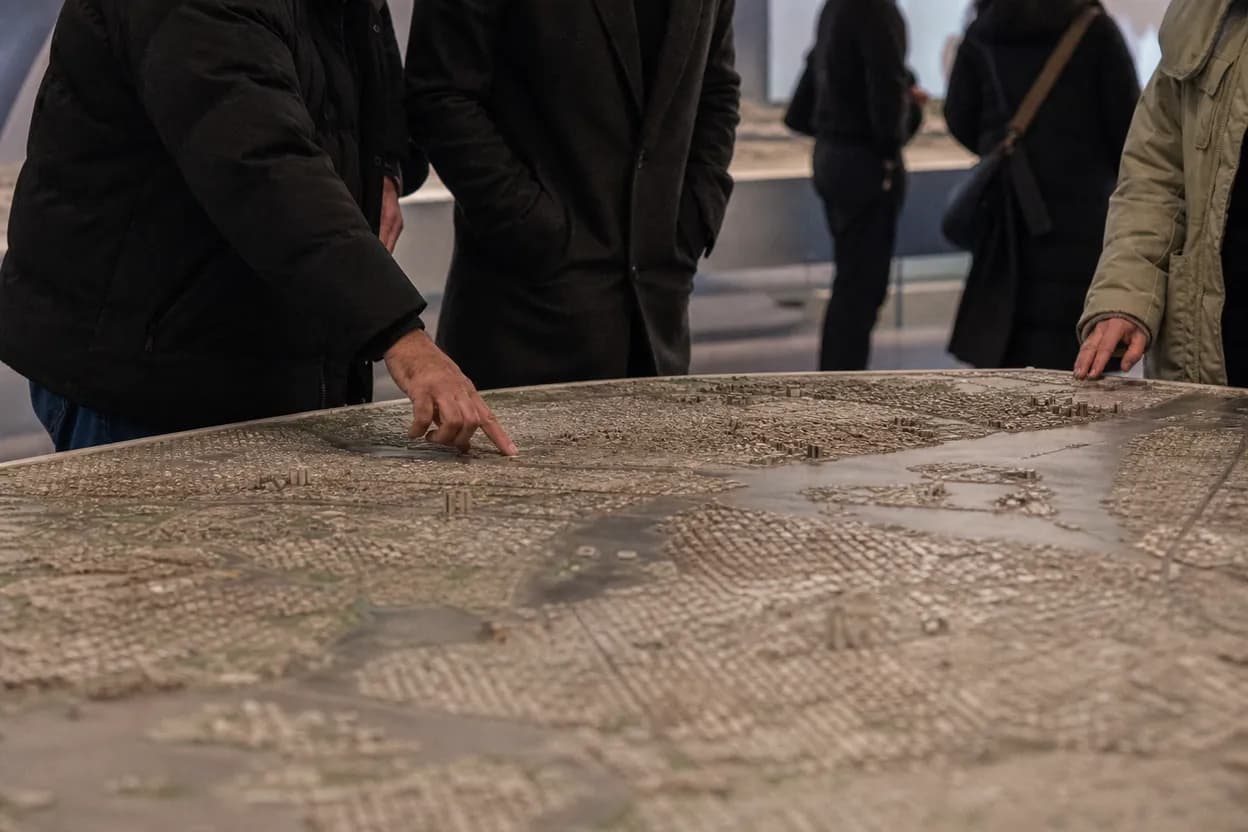
Use History As Context
According to the museum, the Panorama was conceived by World’s Fair president Robert Moses as a celebration of municipal infrastructure for the 1964-65 Fair. More than 100 people at Raymond Lester & Associates worked on it over three years, using aerial photographs, Sanborn fire insurance maps, and other city materials. The result was not casual decoration; it was made to represent New York with official-minded scale and technical ambition.
The original contract demanded less than one percent margin of error between the model and reality, according to the museum. That precision helps explain why the Panorama still feels serious rather than merely cute. Its original experience was described as an indoor helicopter-style view, with tracked cars and narration. Today’s balconies and gently sloping ramps are later changes, so treat the room as both preserved spectacle and reworked museum installation.
Understand The Update Limits
The museum says the Panorama was updated in 1967, 1968, 1969, 1974, and again for a major 1992 update that replaced more than 60,000 buildings before the museum reopened in November 1994. Later additions have included newer landmarks through the Adopt-a-Building program. Officially reported examples include Citi Field, Yankee Stadium, Brooklyn Bridge Park, the Newtown Creek Wastewater Treatment Plant, and buildings in Battery Park City.
That update history is part of the attraction, but also the main caveat. The Panorama is a maintained historical model, not a real-time digital twin. If your goal is to inspect a brand-new tower, waterfront rezoning, renamed venue, or recently altered transit district, bring a current map and ask staff what has been updated. The best visit accepts the model’s layered time: 1960s ambition, 1990s overhaul, and selective later additions.
Plan The Queens Detour
The Queens Museum homepage in the source file lists public hours as closed Monday and Tuesday, open Wednesday through Friday from 12 PM to 5 PM, and open Saturday and Sunday from 11 AM to 5 PM. Hours, admission guidance, exhibitions, closures, and access details are changing facts, so verify the museum’s Visit page before crossing Queens or building a timed itinerary around Flushing Meadows Corona Park.
Do not treat the Panorama as a leftover stop after a full day elsewhere. A rushed final half hour wastes the best part: circling slowly, pausing over familiar neighborhoods, comparing boroughs, and letting the model reset your sense of the city. The practical failure mode is arriving too late, too tired, or with companions who wanted a different museum. Build a defined window and a fallback nearby plan.
Accessibility And Pacing Tradeoffs
The museum source says the current viewing arrangement replaced the old ride with glass balconies and gently sloping ramps after the 1992 renovation. That suggests a more walkable perimeter experience, but visitors with mobility, low-vision, sensory, stroller, or fatigue concerns should verify current accessibility details directly with the museum before going. Ask about entrances, elevators, seating, restroom proximity, gallery conditions, and any temporary route changes affecting the Panorama area.
Pacing matters because the room rewards repeated passes. First, scan the whole city for orientation. Second, choose one borough and follow water, bridges, or parkland. Third, find personal landmarks. This avoids rail congestion and keeps the visit from becoming random peering. If the room is crowded, step back from Manhattan-heavy viewing zones and use quieter outer-borough edges until space opens around the targets your group cares about.
What to verify for Queens Museum Panorama of the City of New York
Before going, verify current hours, admission guidance, ticketing expectations, accessibility needs, open exhibitions, holiday closures, transit timing, weather for the park walk, and any museum notices that could affect the Panorama. If using an event listing, confirm whether it is a regular museum visit or a special program. The City Reliquary’s April 17, 2026 Panorama Challenge, for example, had ticketing, teams, and shuttle details that should not be generalized.
The Karpo verdict: go if your ideal odd find is a real civic object with scale, history, and repeat-looking value. Skip or shorten it if the group wants only famous art, live entertainment, or a fully current development model. The best backup logic is simple: pair the Panorama with other verified Queens Museum exhibitions or a separate Flushing Meadows plan, but keep the model as the reason for the detour.
Tags: #QueensMuseum #PanoramaNYC #FlushingMeadows #QueensNYC #NYCHiddenGems #MapPeople #NYCMuseums #WorldsFair #NYCArchitecture #OddFinds #ScaleModel #AskKarpo #BeforeYouGo #KarpoNYC
Sources consulted: Source 1: queensmuseum.org · Source 2: queensmuseum.org · Source 3: cityreliquary.org · Source 4: tiosq.com · Source 5: app.karpo.ai
All trademarks are the property of their respective owners.
Ask Karpo first
Tell Karpo your date, group size, budget, and starting neighborhood. We’ll check current access, timing, transit, and the cleanest plan for Queens Museum Panorama of the City of New York before you head out.