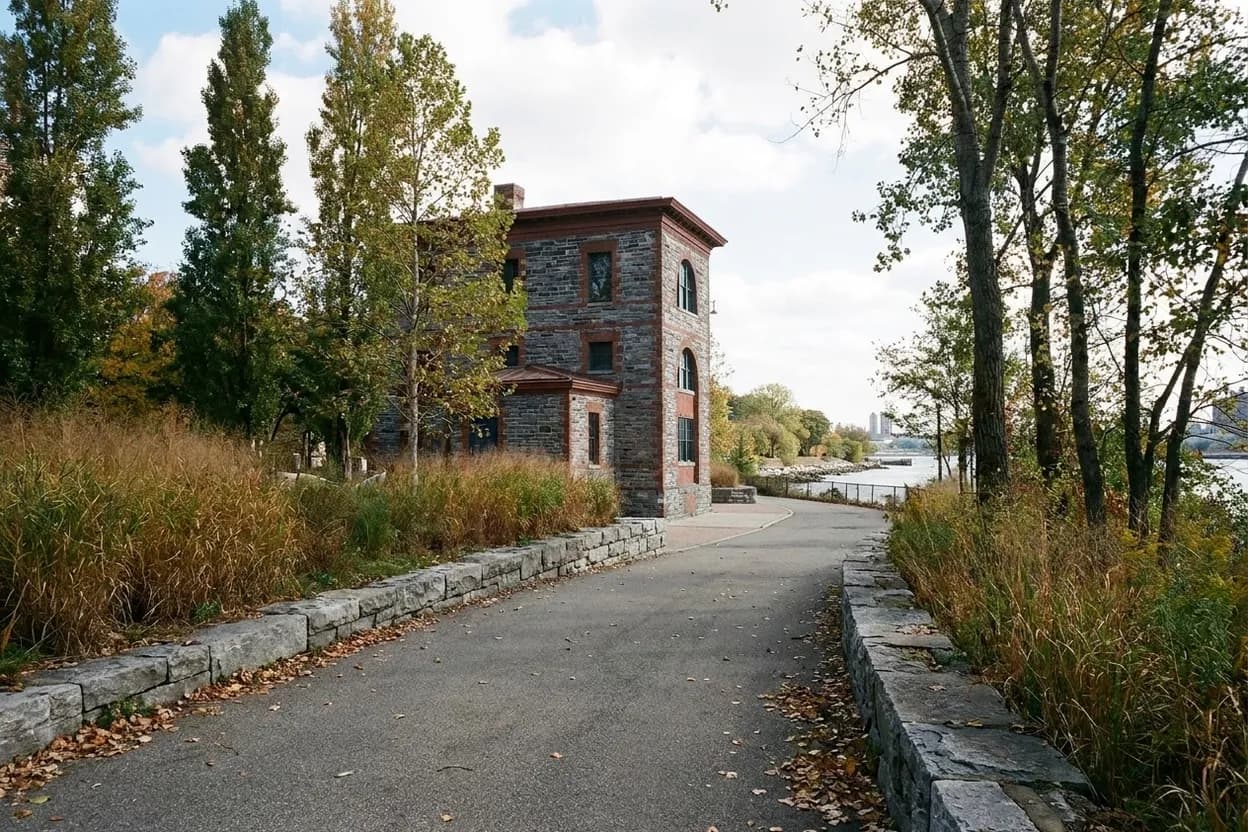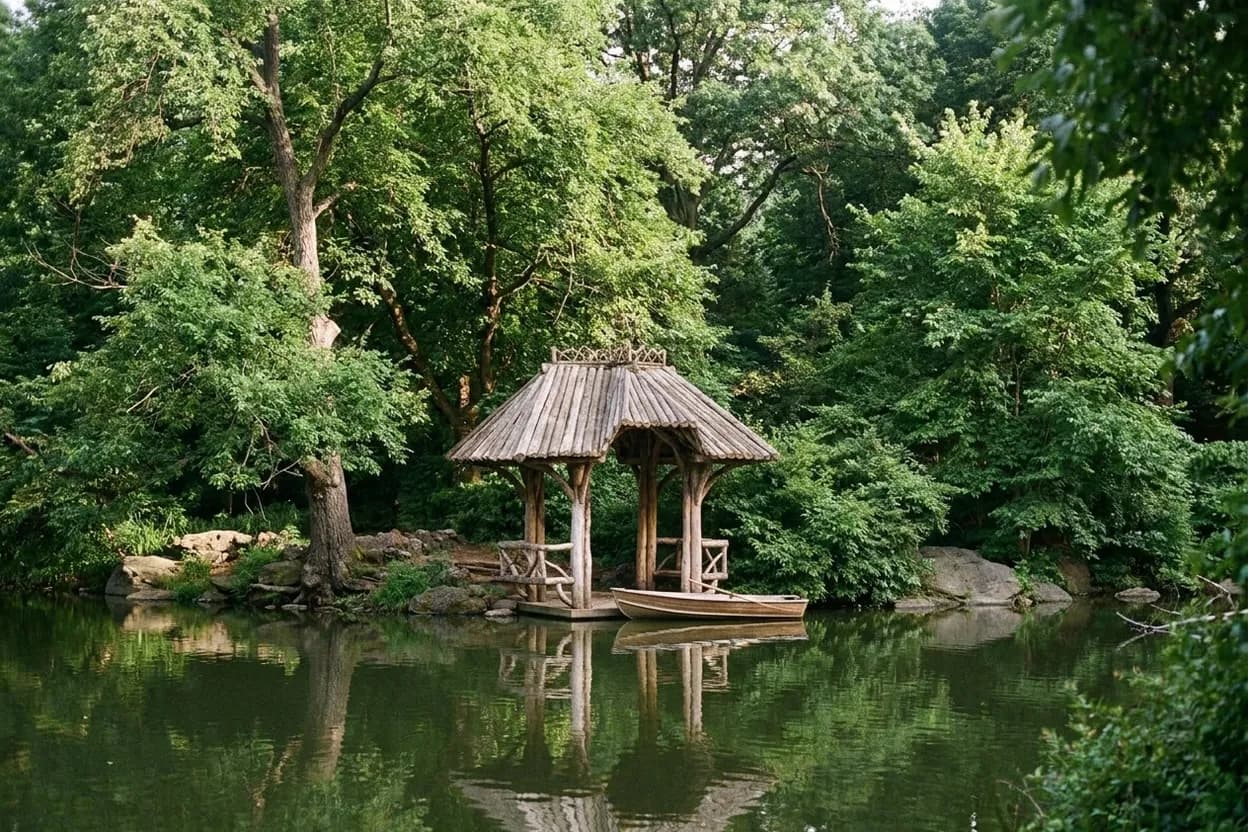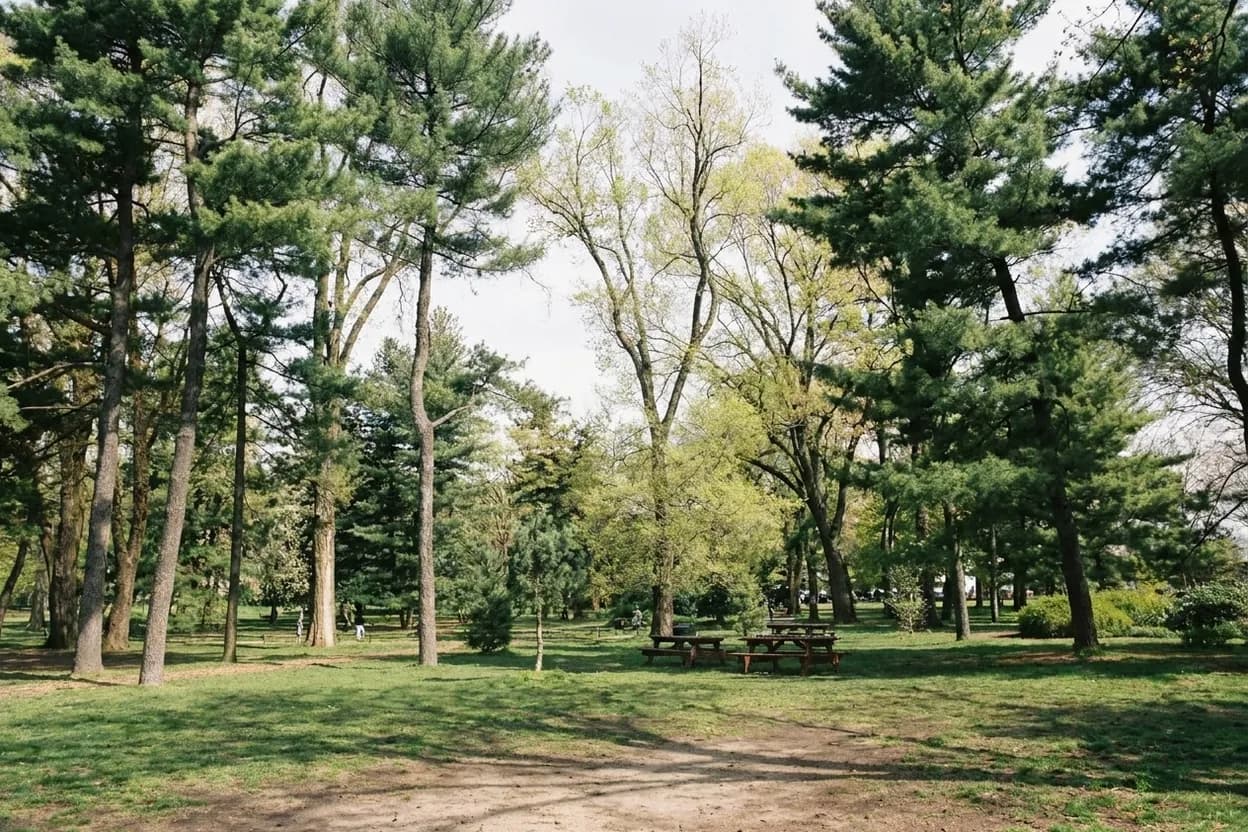
Nestled within the sprawling Van Cortlandt Park in the Bronx, the Putnam Trail offers a distinctive experience for those seeking a tranquil, linear woodland route. This paved pathway traces the path of a former New York Central Railroad line, transforming industrial history into a verdant escape. Ideal for walkers, runners, and cyclists, the trail provides an accessible and relatively flat journey through a diverse landscape, from dense woods to open parkland, making it a reliable option for a refreshing outdoor excursion without venturing far from the city. Its unique character as a repurposed rail-bed provides a sense of journey and historical resonance, appealing to those who appreciate both nature and urban heritage.
Want to navigate the Putnam Trail with confidence, understanding its unique features and linking it to other park attractions? Text Karpo for a customized itinerary.

A Former Railway's Second Life as a Greenway
The Putnam Trail in Van Cortlandt Park is a prime example of urban renewal, converting a segment of the former New York Central Railroad Putnam Division into a multi-use greenway. This corridor, which saw its last passenger service in the 1950s and freight service in the late 1980s, now invites park visitors to experience a unique blend of nature and history. The conversion into a paved pathway allows for a smooth journey, making it suitable for a wide range of activities including bicycling, walking, running, and even use with wheelchairs and carriages.
Stretching approximately 1.4 to 1.9 miles through Van Cortlandt Park, the trail serves as a vital artery, connecting various parts of the park and extending north into Yonkers as the South County Trailway. Its linear layout, characteristic of old rail lines, creates a straightforward yet engaging path through wooded sections and open areas. This design provides a consistent experience that contrasts with more winding, naturalistic trails, offering a clear sense of progression through the Bronx landscape.
Navigating the Trail: Key Landmarks and Connections
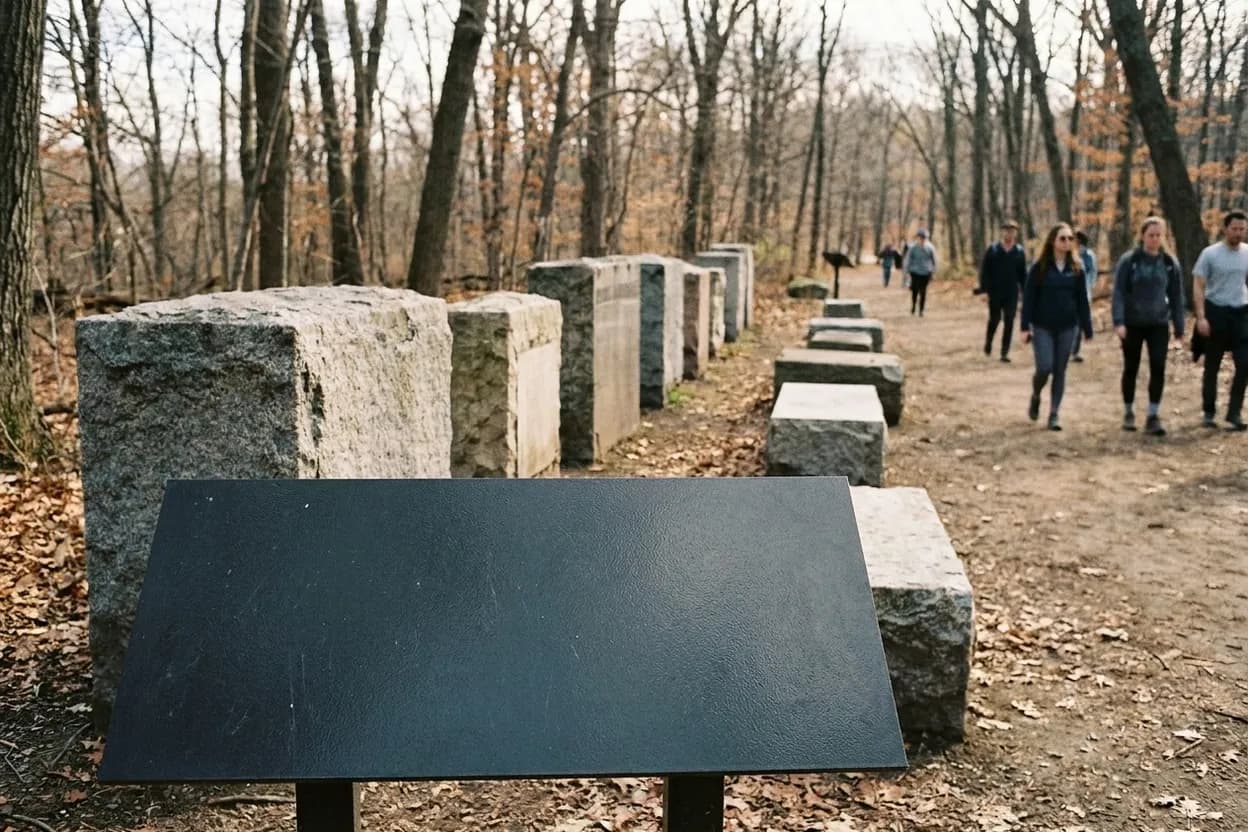
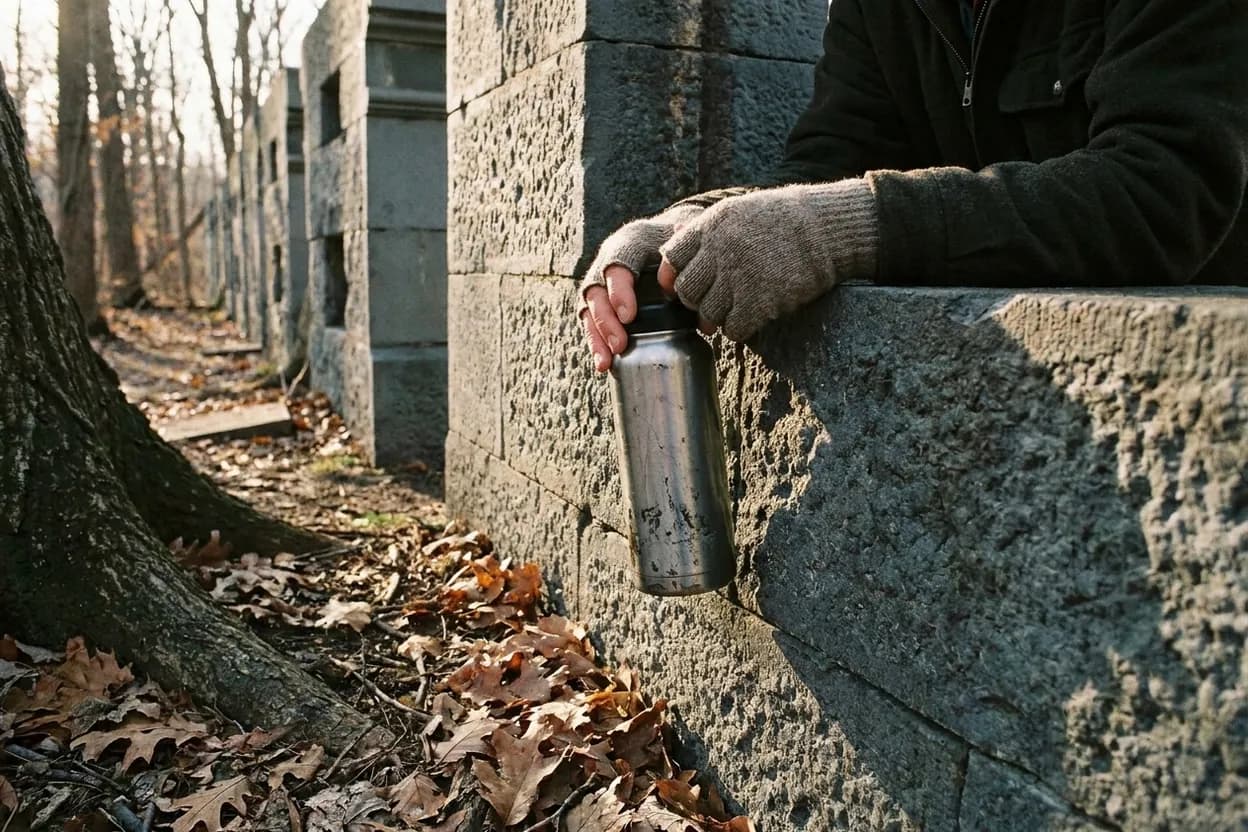
For those looking to immerse themselves in the trail's rail-corridor past, focusing on the section through Croton Woods and beneath the Mosholu overpass is advisable. Here, the original alignment of the railway is particularly evident, enhancing the sense of traveling along a historical route. An independent guide suggests a sequence of landmarks for an engaging walk: starting near the 242nd Street subway station, proceeding past the Van Cortlandt House Museum, then encountering the Grand Central Stones, and finally reaching the Putnam Trail underpass with a 1904 inscription on its abutment.
The Putnam Trail is not an isolated path; it integrates into a larger network of park attractions and regional trails. It passes alongside Hester & Piero's Mill Pond and leads to the Parade Ground within Van Cortlandt Park. For those seeking a longer adventure, the trail seamlessly connects northward to the South County Trailway in Yonkers, offering a continuous route that extends beyond the Bronx. This northern linkage is a key feature for cyclists and long-distance walkers, transforming the trail from a park amenity into a regional connector.
An Accessible Path for Diverse Activities
Designed to accommodate a variety of users, the Putnam Trail is a generally easy and paved pathway, making it highly accessible. Whether you prefer walking, running, biking, or even rollerblading, the smooth surface and gentle grades cater to most activity levels. This accessibility makes it an excellent choice for families with strollers, individuals using wheelchairs, or anyone seeking a less strenuous outdoor experience compared to more rugged hiking trails. The trail's broad appeal ensures a vibrant mix of park-goers enjoying the greenway simultaneously.
The trail's clear designation as a greenway for multiple uses underscores its role as a communal space within the park. Its linear design allows for easy pacing and navigation, making it a reliable option for both casual strolls and more focused exercise routines. The presence of other park facilities nearby, such as the Van Cortlandt House Museum and the Van Cortlandt Golf Course, also means that a visit to the Putnam Trail can be easily combined with other recreational or cultural activities, enhancing a day in Van Cortlandt Park.
Discovering Van Cortlandt Park's Hidden Gems
Beyond its direct path, the Putnam Trail offers glimpses and access points to other notable features within Van Cortlandt Park. The Grand Central Stones, for instance, are a unique set of 13 large stones once used to test materials for Grand Central Station, providing a tangible link to NYC's architectural history right alongside the trail. Another significant connection is to the Old Croton Aqueduct Trail, which runs nearby, offering an additional historical and recreational pathway for those looking to extend their exploration.
The trail itself runs through distinctive natural areas, including Croton Woods, which provides a sense of immersion in a natural, wooded environment. The linear woodland character of the trail, cutting through the middle of the park, creates a corridor of natural beauty amidst the urban landscape. This path offers a unique perspective on the park's diverse ecosystems, allowing visitors to appreciate both the human engineering of the rail line and the natural beauty that has reclaimed its surroundings.
Planning Your Route: Entrances and Extensions
Access to the Putnam Trail is straightforward, with a key entrance noted at Van Cortlandt Park South & Bailey Avenue, providing a clear starting point for first-time visitors. While the trail can be accessed from various points within Van Cortlandt Park, understanding these main entry points helps in planning the beginning and end of your walk or ride. For those approaching from the north, the trail seamlessly connects with the South County Trailway in Yonkers, although independent guides note there is no distinct trailhead directly at the Westchester County line, meaning the transition is fluid.
When considering the length of your excursion, keep in mind the reported ranges for the trail's length: approximately 1.4 miles according to NYC Parks, and up to 1.9 miles by other sources, depending on how segments are defined. This variability means it is advisable to consult a park map or online resources to plan for your desired distance, especially if you intend to travel the full length or connect to the South County Trailway. The ease of the trail makes it suitable for both short, leisurely outings and longer, more ambitious journeys.
Historical Echoes Along the Path
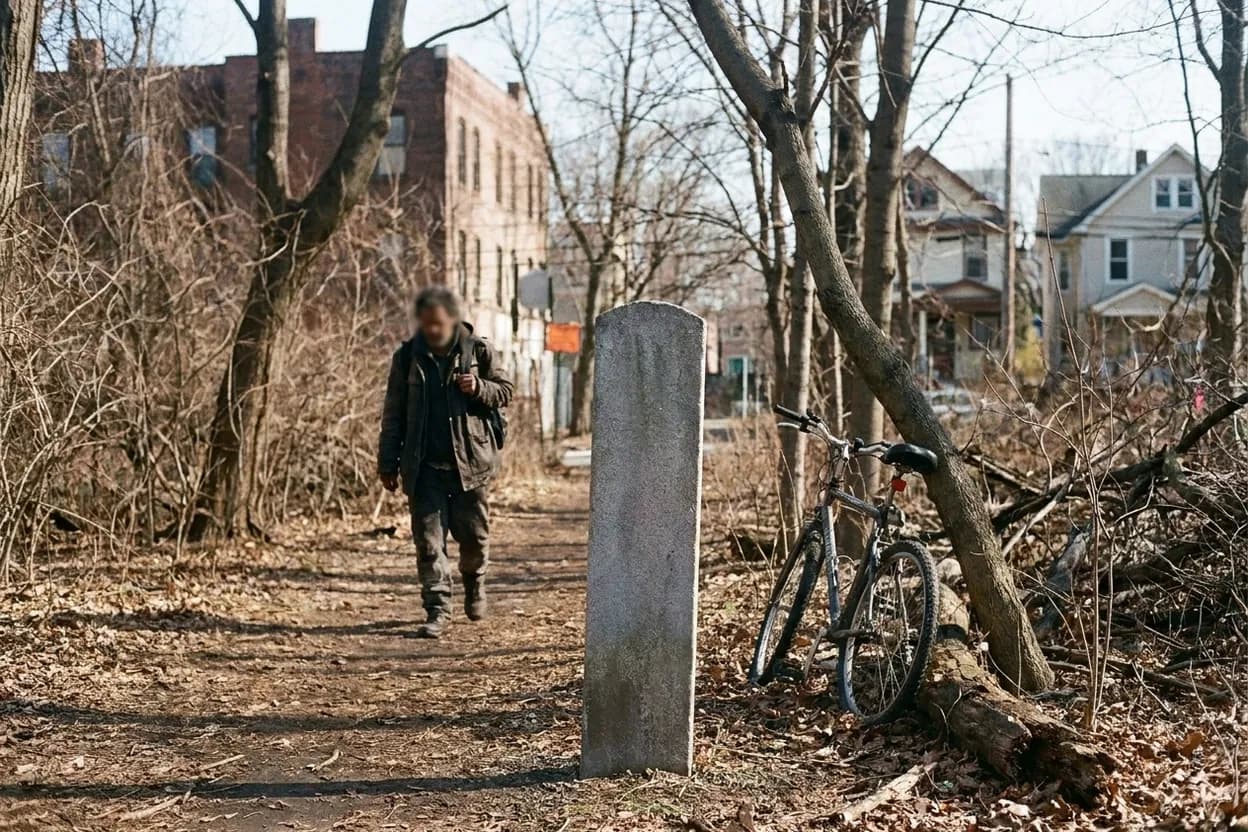
The Putnam Trail carries a rich history embedded in its very foundation as a former rail corridor. The New York Central Railroad Putnam Division once served as a vital transportation link, and walking or cycling along its path today offers a tangible connection to this past. The distinct linear cut through the landscape, the occasional bridge abutment, and the general grade of the path are all silent reminders of the trains that once traversed this route. This historical context adds a layer of depth to the recreational experience, inviting reflection on the evolution of urban infrastructure.
The retirement of passenger service in the 1950s and freight service in the late 1980s marked a significant transition for this corridor. Its transformation into a greenway represents a forward-thinking approach to urban planning, repurposing disused infrastructure for public benefit. This allows visitors to not only enjoy the natural beauty of Van Cortlandt Park but also to engage with a piece of New York City's industrial and transportation heritage, making the Putnam Trail more than just a path, but a journey through time.
Practical notes for Putnam Trail
The Putnam Greenway is presented as part of the general park trail system by NYC Parks, meaning no special reservation or ticket is required for access. As a paved pathway within a public park, it operates under standard park access rules. While the Van Cortlandt House Museum has its own operating hours, these do not apply to the trail itself. It's always advisable to verify current conditions, especially concerning weather impacts or any potential, though unannounced, temporary closures or detours, by checking the official NYC Parks website before heading out.
For the most current information regarding any changes to access, detours, or specific park alerts that might affect the Putnam Trail, the NYC Parks website is the primary resource. As of July 23, 2026, no specific seasonal hours or nighttime closure rules beyond general park regulations are indicated in the provided sources, nor are any active construction closures. Planning your visit during daylight hours is generally recommended for safety and visibility, consistent with general park usage guidelines.
Tags: #PutnamTrail #VanCortlandtPark #Bronx #NYCParks #RailTrail #Greenway #HikingNYC #CyclingNYC #UrbanNature #HistoricTrails #OutdoorNYC #AskKarpo #BeforeYouGo #ExploreTheBronx
Sources consulted: Source 1: nycgovparks.org · Source 2: nycgovparks.org · Source 3: nycgovparks.org · Source 4: vancortlandt.org · Source 5: nynjtc.org · Source 6: traillink.com · Source 7: alltrails.com · Source 8: onfootonwheels.squarespace.com · Source 9: en.wikipedia.org
All trademarks are the property of their respective owners.
Ask Karpo first
Tell Karpo your date, group size, budget, and starting neighborhood. We’ll check current access, timing, transit, and the cleanest plan for Putnam Trail before you head out.