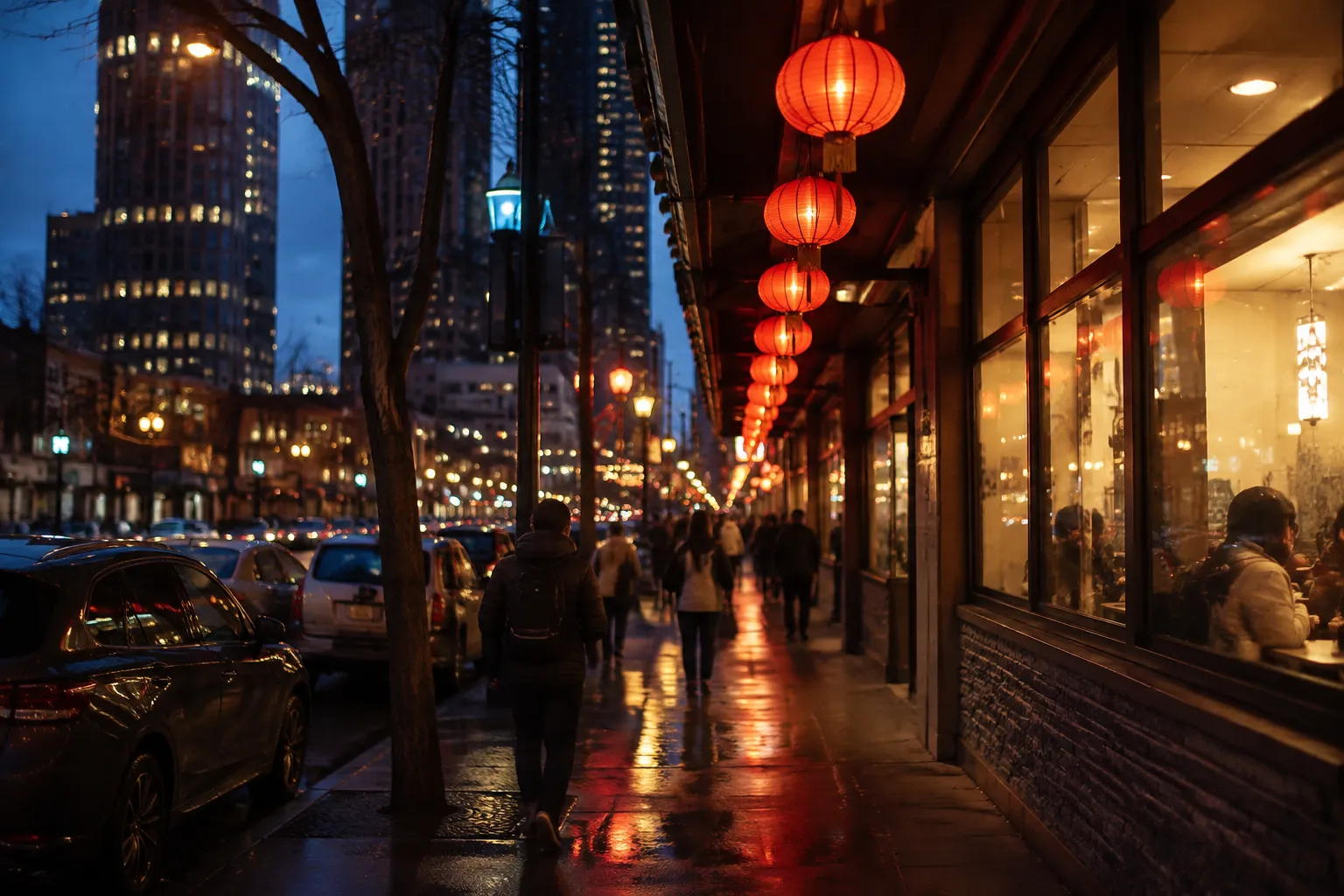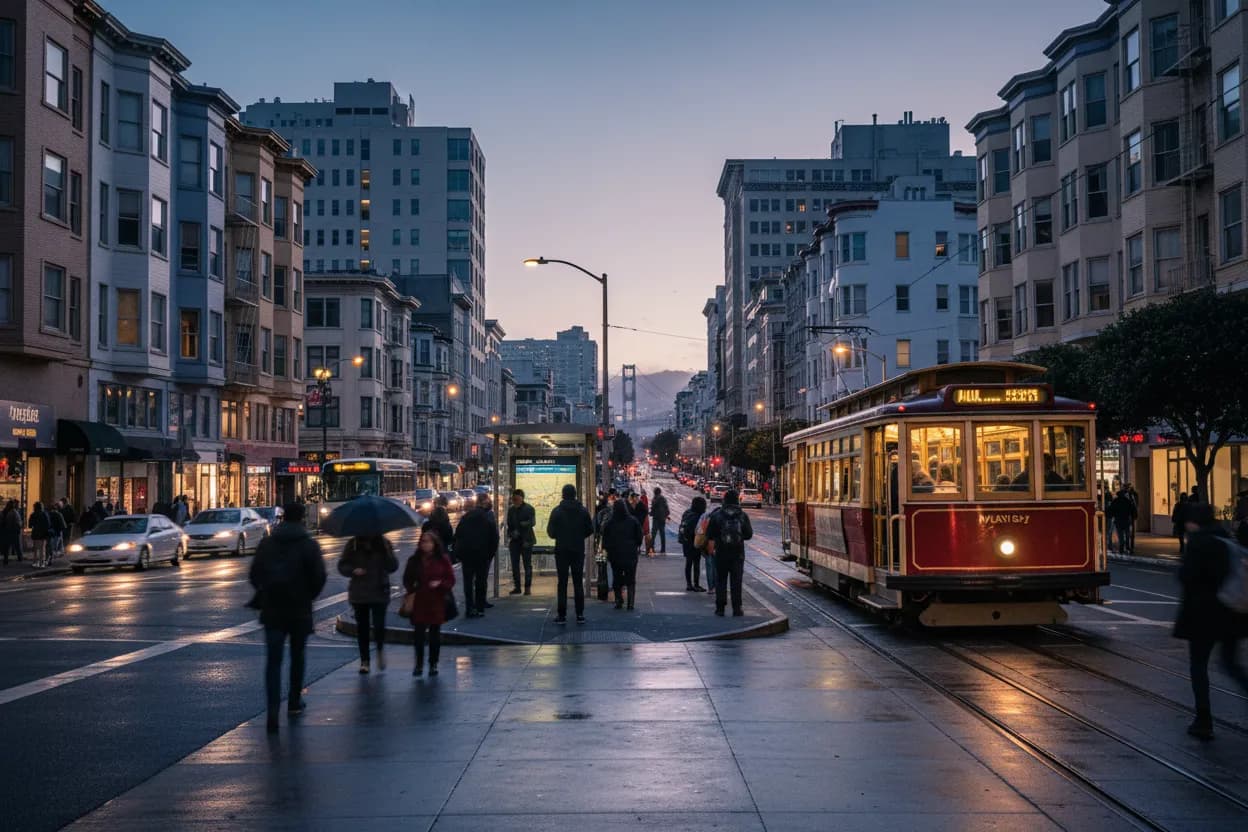
San Francisco dinner plans work better when you treat them like a route, not a reservation fantasy. If you are following the project anchor search hook tonight, start with what can be checked publicly: the room, the transit path, and the backup. The city already gives you the core tools. SFMTA’s Trip Planner can map Muni, walk, bike, drive, or taxi options, while SFDPH points to restaurant health scores, food safety education, and permitting information. That makes a practical plan possible without pretending any place is guaranteed to fit your group or your timing. Build around one dinner stop, then assume the first choice may be busy and the backup may be smarter.
Want a route sanity check before you leave the house? Text Karpo with your neighborhood, headcount, and transit preference, and we’ll help you pressure-test the plan against public information.

Use the trend as a dinner conversation hook
Treat project anchor as a search clue, not a promise. In practice, it works best as the thing that gets everyone aligned on what matters before you leave: where you are meeting, how you are getting there, and what you will do if the first choice is full or feels awkward for the group. That is the useful part of a timely phrase. It pushes you toward a plan that can survive real San Francisco conditions instead of a glossy idea of dinner.
For anything that can change, use official pages rather than assumption. SFDPH is the city department that says it protects and promotes the health of all San Franciscans, and its site includes restaurant health-score and food-safety information. That is a better starting point than relying on hearsay, especially when you want a public, checkable plan rather than a rumor-backed one.
Choose the room before choosing the menu
A good dinner route starts with the room, not the dish. If one person needs quieter seating, another wants a faster turn, and the third is still coming from another neighborhood, the right space matters more than the strongest signature plate. That is especially true in a city where dinner plans can shift because of transit, weather, or a line that looks shorter online than it does at the door.
Before you commit, look for what can be verified publicly: whether the restaurant has current health-score information, whether the official site explains how to contact them, and whether the access details make sense for your group. SFDPH’s restaurant page exists for food-safety education, inspection, and permitting, so use it as a reality check. If a detail can change, assume it might and verify again close to departure.
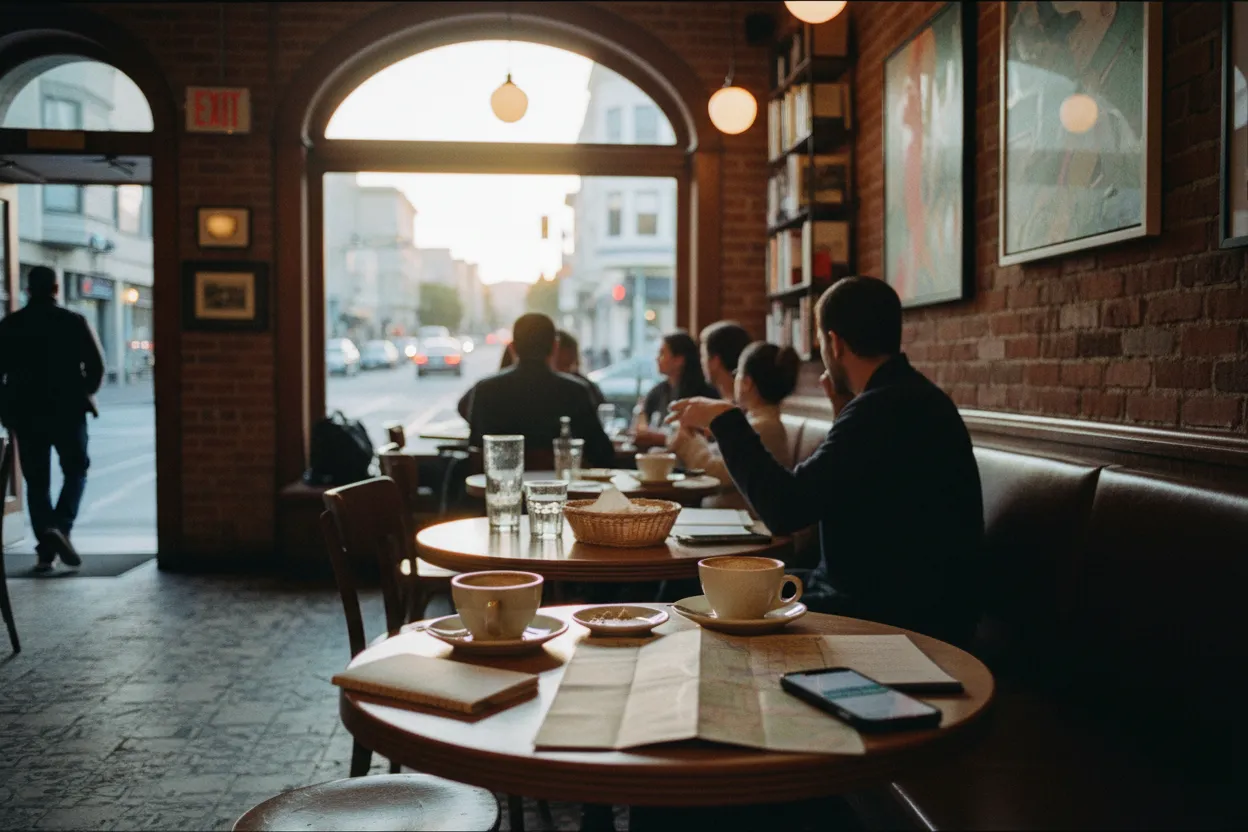
Match the market or hall to the group
If your group works better in a market or hall than in a single dining room, think through the tradeoff honestly. Markets and halls can be good for mixed tastes and flexible arrival times, but they can also be noisier and less forgiving when someone wants a slow sit-down meal. The right choice depends less on the trend name and more on how your group actually eats.
This is where a public plan helps. Decide whether the goal is a fast first stop, a shared table, or a place where people can split off and regroup without drama. Then match that choice to the transit path. SFMTA’s visitor guidance says you can see San Francisco by Muni transit, bike, foot, or car, so use the mode that fits the group instead of forcing a complicated transfer just because the food sounded good online.
Keep the first stop easy to reach
The easiest dinner plan is usually the one with the fewest steps between arrival and seating. SFMTA’s site gives you a Trip Planner with Muni, Bike, Walk, Drive, and Taxi options, which is exactly what you want when timing matters. If the first stop is a long walk from your transit line, the whole evening becomes more fragile than it needs to be. Keep the route boring enough to be reliable.
That matters even more during a week when service information can shift. The SFMTA site currently highlights travel updates and notes that Muni service changes start Aug. 29, 2026, so it is smart to check the official page before you go. Use the trip planner, then confirm the route again if you are leaving during a window when schedules or service patterns may be changing.
Save a nearby option for long waits
A backup is not pessimism; it is how you protect the evening. If the first stop has a line, slower seating, or a room that feels too tight for your group, the backup should be close enough that nobody has to negotiate a second transit leg while hungry. Keep it nearby, reachable, and simple to explain. That is the difference between a flexible night and a tired one.
You do not need a whole second itinerary, just one sane alternative within the same transit logic. If the first place is on a Muni-friendly route, make sure the backup is too. If you are driving, remember that parking and timing can change the mood fast. Use SFMTA’s public tools to keep the move easy, then treat the backup as part of the plan rather than an emergency improvisation.
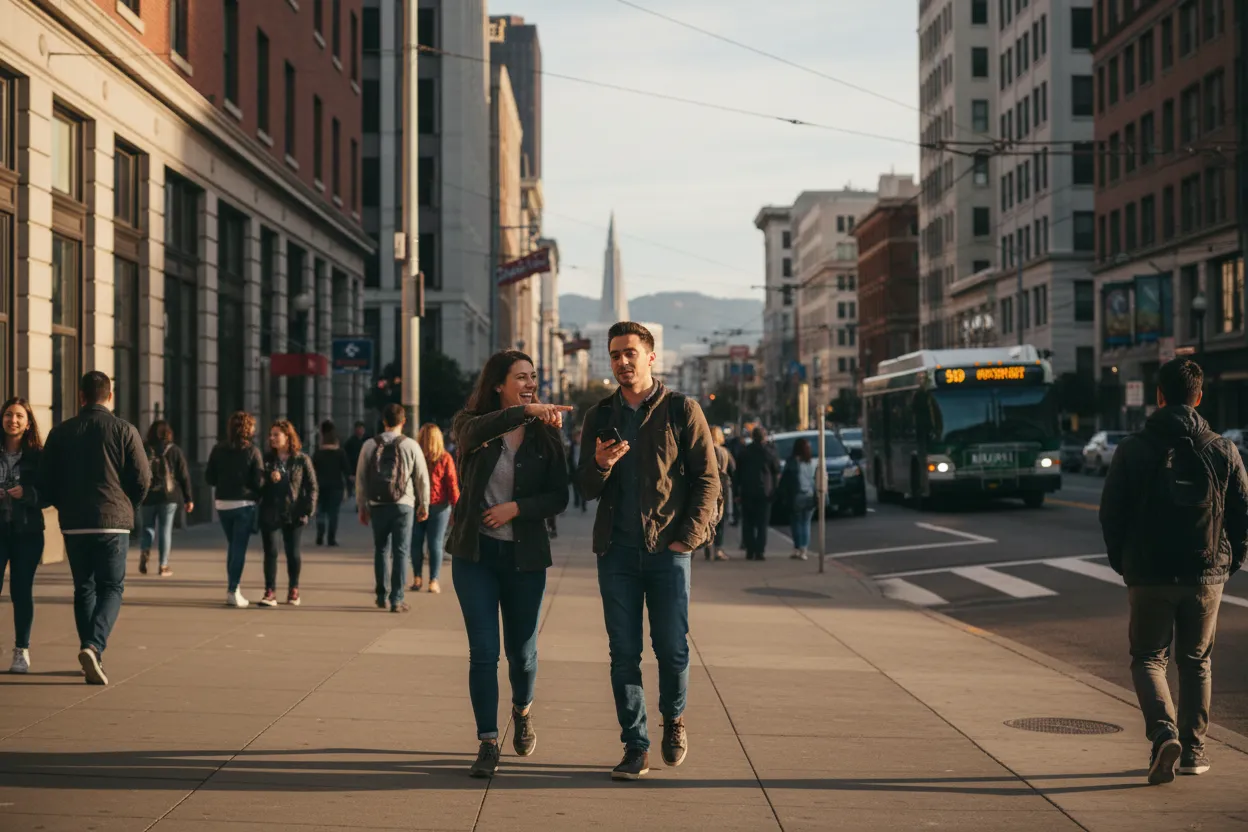
Verify vendor hours before leaving
Hours are the kind of detail people skip until they matter. A place can look perfect on paper and still fail the night if the official hours changed, the access note is different, or the service pattern does not match your arrival time. That is why this kind of San Francisco dinner route should end with one last verification pass, not with optimism. Check the restaurant’s own page and the city pages before you head out.
If you run into a website issue while checking health or access information, SFDPH says to email sf.govHelp@sfdph.org with the webpage or URL and what is not working. The department also notes accessibility and language access standards on its site, and SFMTA provides visitor guidance plus travel updates. In other words: verify, then leave. That is the cleanest way to keep project anchor useful instead of vague.
Tags: #AskKarpo #BeforeYouGo #SanFrancisco #SFRestaurants #Muni #SFDPH #SFMTA #TransitTips #FoodSafety #RestaurantChecks #DinnerRoute #CityGuide #BackupPlan #LocalLife
Sources consulted: sftravel.com · sfdph.org · sfmta.com
All trademarks are the property of their respective owners.
Ask Karpo first
Ask Karpo first if you want a dinner route that respects transit, walking distance, accessibility, and a backup stop built from official pages, not guesswork. Check the restaurant’s public health-score information, confirm the SFMTA trip path, and verify the hours before you head out.