The screen-printing collective on a residential stretch of Sunnyside opens its studio doors every Thursday evening without appointments, without sign-ups, without the usual gatekeeping that keeps creative spaces feeling exclusive. Neighbours arrive with designs folded in their pockets, tote bags they want printed, ideas sketched on phone screens. The space smells like ink solvent and wood cleaner, and the concrete floor shows years of colour splatter that no mop fully erases.
Squeegees Against the Wall and Frames in Waiting
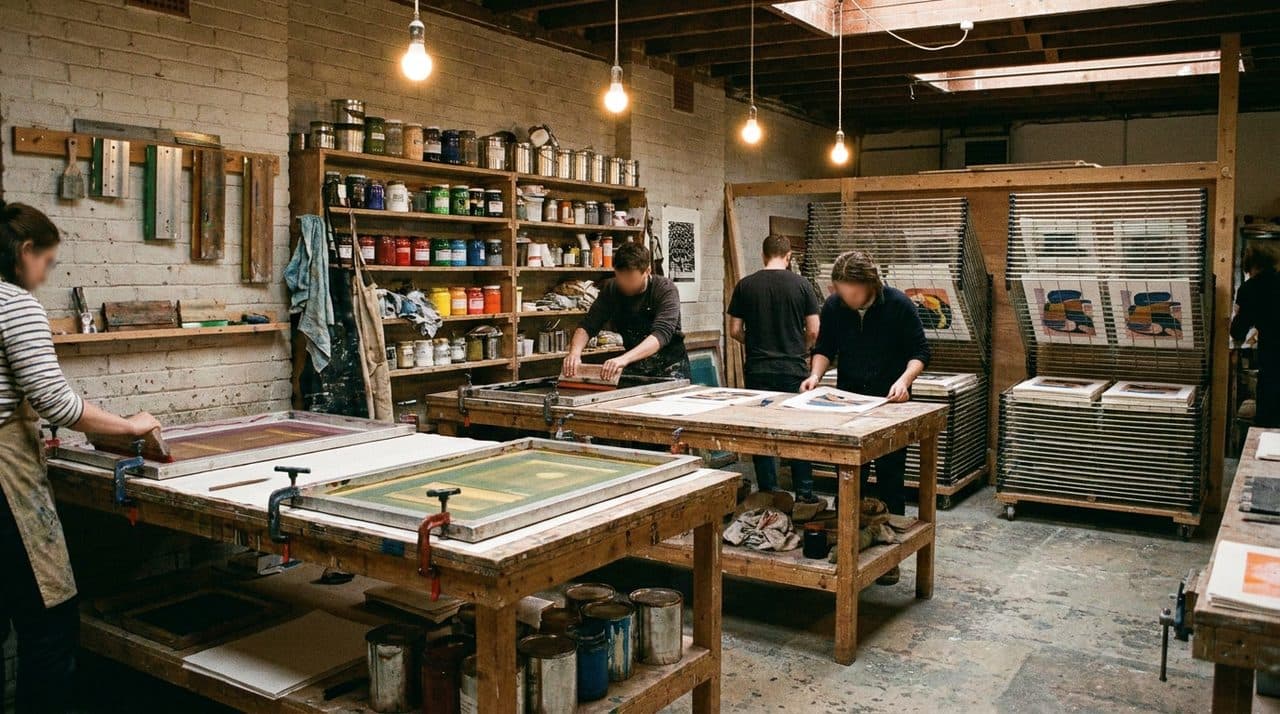
The studio occupies a ground-floor storefront that used to sell vacuum cleaners, back when Sunnyside had more repair shops than design studios. Now the front windows reveal long tables covered in mesh screens, aluminum frames stacked five-deep against the brick wall, and a pegboard holding squeegees in graduated sizes. The fluorescent overhead lights cast everything in flat brightness, the kind that makes colour matching easier and shadows disappear. A radio plays from somewhere near the back sink, usually tuned to college stations that fade in and out.
The collective runs the space as a shared resource rather than a business. Members pay monthly dues that cover rent and supplies, but Thursday nights operate on a different model—anyone can walk in, use the equipment, and leave a suggested donation in the coffee can by the door. The system works because regulars police it gently, showing newcomers how to clean screens properly and where to hang wet prints so they don't smudge.
The Crowd That Arrives Without Calling Ahead
The first arrivals usually show up around seven, right as the last daylight drains from the street. Some come straight from day jobs, still wearing office shoes that click on the concrete. Others arrive in paint-splattered jeans, carrying portfolios or grocery bags repurposed as art supply carriers. The mix includes graphic designers testing ideas before committing to large runs, high school students working on zine covers, and retirees who discovered screen-printing through a community centre class and got hooked on the physicality of it.
A woman who teaches middle school art brings her students' drawings every few weeks, translating their pencil sketches into one-colour prints that she gifts back to them. A guy who works in restaurant kitchens prints shirts for his bandmates, always in black ink on thrifted fabric he pre-washes at the laundromat next door. The neighbourhood's DIY wedding crowd shows up in spring, printing invitations and favour bags with designs that feel more personal than anything a website template offers.
The Rhythm of Setup and the Smell of Ink
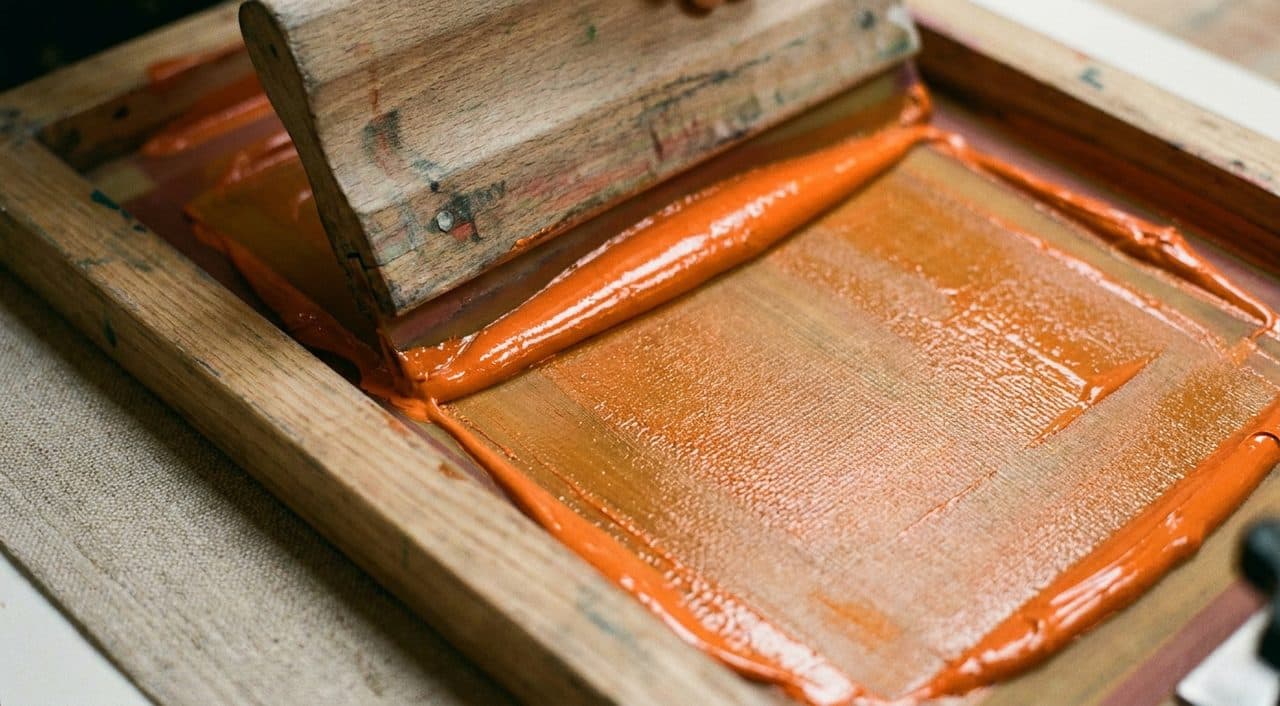
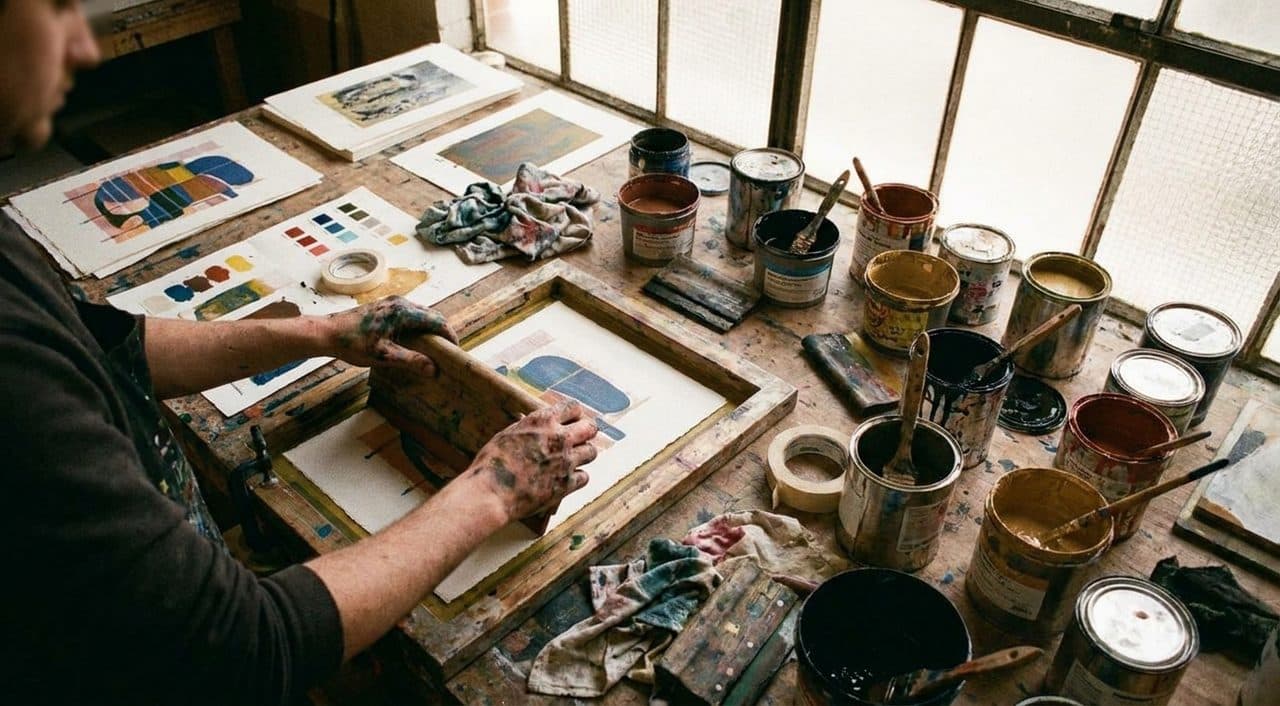
The process starts at the emulsion station, where designs get burned onto mesh screens using a light exposure unit that hums and clicks on a timer. The smell of photo emulsion—sharp, chemical, slightly sweet—mixes with the earthier scent of water-based inks stored in plastic tubs along the wall. Those who've done this before move efficiently, taping screens to the printing table, mixing custom colours by eyeballing ratios, testing registration on scrap paper before committing to the real thing.
Newcomers get walked through the steps by whoever's nearby and willing. The collective doesn't assign teachers; knowledge transfers casually, through demonstration and correction. Someone shows how to hold the squeegee at the right angle, how much pressure to apply, how to flood the screen after each pull. Mistakes happen visibly—ink bleeds outside the lines, colours don't align, screens clog mid-print. Nobody treats these as failures. The studio's walls display plenty of imperfect prints, thumbtacked up as evidence that the work matters more than the polish.
The Table Where Prints Dry and Conversations Accumulate
A long drying rack made from two-by-fours and clothesline stretches across the back third of the studio. Prints hang there with wooden clothespins, still tacky, colours deepening as they cure. The rack creates a gallery of the evening's output—concert posters next to baby onesies, political slogans beside abstract patterns. People linger near the rack, waiting for their prints to dry enough to stack, and the waiting turns into talking.
Conversations layer over each other in the open room. Someone asks about ink suppliers. Another person mentions a gallery opening in Astoria. A debate about the best thrift stores in Queens unfolds while screens get cleaned in the industrial sink. The studio functions as a third place in the old sense—not home, not work, but somewhere people gather around shared activity without needing a consumer transaction to justify their presence.
The Mechanics of Mesh and the Feel of the Pull
The physical act of screen-printing resists rushing. Each print requires setup time, test pulls, adjustments to registration and ink viscosity. The squeegee drags across the mesh with a sound like a broom on pavement, and the resistance varies depending on the fabric below and the ink's thickness. Arms tire after a dozen pulls. Backs ache from leaning over the table. The work demands a kind of attention that doesn't allow multitasking—it's hard to check a phone while managing a squeegee with both hands.
This physicality attracts people tired of digital work, of pushing pixels that never resist or require muscle memory. The screen-printing crowd includes plenty of designers who spend their days on computers and come to the studio specifically for the tactile feedback, the smell of ink, the evidence of labour that leaves forearms streaked with colour. The medium's constraints—limited colours, bold shapes, the grain of the mesh visible in the final print—feel like relief after the infinite options of software.
When the Studio Empties and Cleanup Begins
The evening winds down gradually, without a formal closing announcement. People finish their last prints, clean their screens at the sink, and stack frames back against the wall. The studio operates on an honour system for cleanup—if everyone leaves their station messy, the space becomes unusable. Mostly, people clean as they go, wiping tables, rinsing squeegees, capping ink containers. The collective members who stick around latest do a final sweep, mopping the floor and checking that the exposure unit is unplugged.
By ten or so, the lights go off and the studio returns to looking like a closed storefront, mesh screens visible through the window but the activity paused until the next open night. The sidewalk outside shows no evidence of the printing that happened inside, no crowd lingering, no signs pointing to the entrance. The whole operation runs quietly, known mostly through word-of-mouth and the occasional flyer printed on the studio's own equipment.
Practical Notes
The Thursday evening open studio runs from early evening until late, though exact hours shift seasonally and the best approach involves checking the collective's social media or just showing up after dinner. The space sits in a residential stretch of Sunnyside, reachable via the 7 train and a short walk through blocks of row houses and small shops. No appointment or experience necessary—newcomers get guidance from whoever's working nearby. Suggested donations help cover supplies, but nobody checks who pays or how much. Bring designs on transparency film if possible, or the collective can help with that step. Fabric and paper available for purchase at cost, or bring personal items to print. Street parking easier than most of Queens, and the studio has no formal accessibility features but operates at ground level.
Tags: #ScreenPrinting #SunnysideQueens #PrintmakingStudio #NYCCreatives #QueensArtScene #CommunityStudio #DIYCulture #ThursdayNights #WalkInWelcome #AnalogCraft #NeighborhoodGems #OpenStudio #PrintCollective #HandmadeNYC #SunnysideFinds
Sources consulted: timeout.com · secretnyc.co · thrillist.com
All trademarks are the property of their respective owners.
Ask Karpo first
Want to know what materials to bring or how the table-sharing system works on busy nights?
Ask Karpo for the open night protocols and the best arrival time before you head out.